Многие проблемы с батареей начинаются не внутри элементов. Они проявляются в месте соединения. A Натриевая батарея 12 В Очень часто причина проста: плохой обжим, неправильная укладка шайб или ослабление болта клеммы. Хорошая химия не исправит плохое соединение.
Для быстрого ознакомления, распространенные диапазоны крутящего момента, часто встречающиеся на вставных клеммах аккумуляторов 12 В, следующие M6 (1/4″): 4-5 Нм (35-45 дюймов-фунтов), M8 (5/16″): 8-10 Нм (70-90 дюймов-фунтов), и M10 (3/8″): 12-14 Нм (105-125 дюйм-фунтов). Это практические справочные диапазоны, а не универсальное правило. Технические данные производителя аккумулятора всегда стоят на первом месте, поскольку материал клеммной вставки, глубина резьбы, длина болта и поставляемое оборудование могут изменить значение безопасного момента затяжки.
Если терминал продолжает нагреваться или система падает под нагрузкой, то, как правило, настоящая проблема кроется в мелких деталях установки.
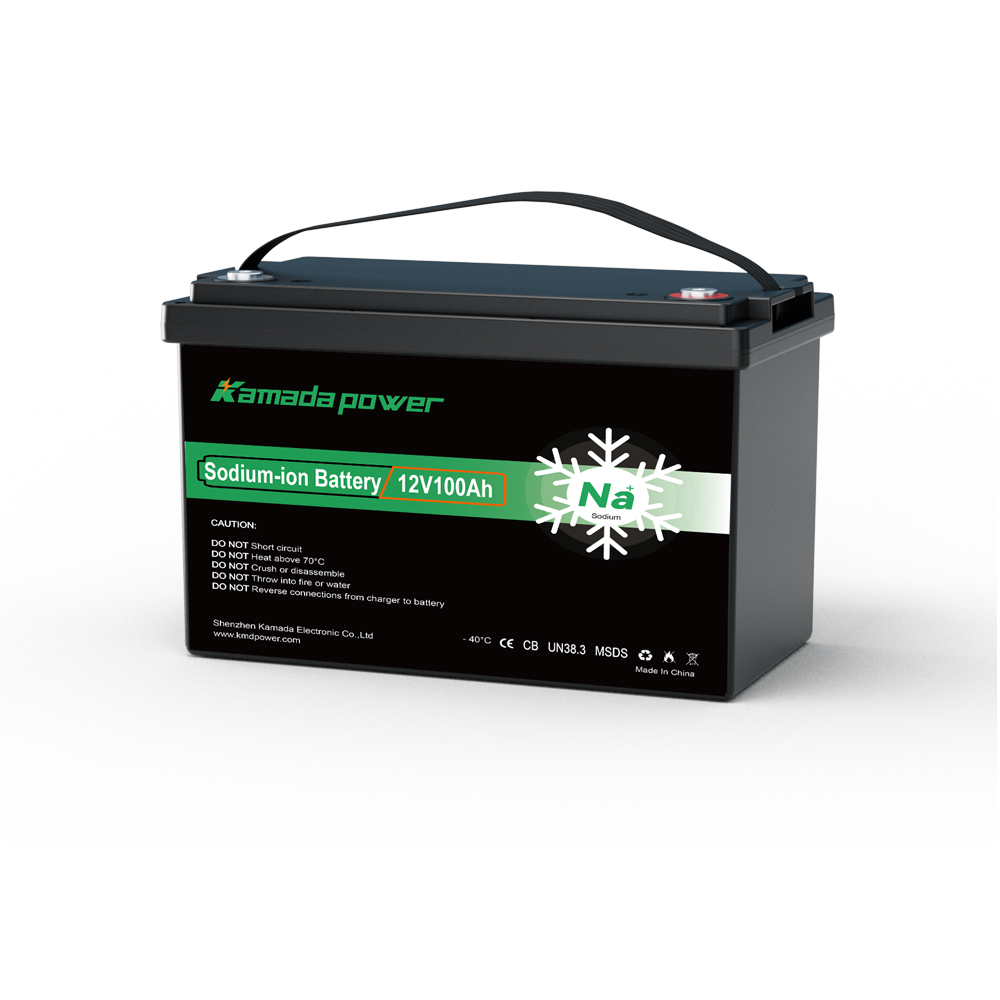
Натриево-ионный аккумулятор Kamada Power 12v 100Ah
Почему момент затяжки клемм имеет большее значение, чем думают многие монтажники
В слаботочных системах неаккуратные соединения могут остаться незамеченными. В сильноточных системах постоянного тока это обычно не так. Даже слегка ослабленная клемма батареи увеличивает сопротивление на контактной поверхности, а под нагрузкой это дополнительное сопротивление быстро превращается в тепло.
Поскольку P = I²RПовышение тока может вызвать нагрев, достаточный для повреждения соединения, размягчения близлежащего материала или деформации клеммной колодки. Именно поэтому в расплавленных стойках или обесцвеченных наконечниках часто обвиняют аккумулятор, в то время как реальная проблема заключается в соединении.
Вибрация усугубляет ситуацию, поскольку слабо затянутый болт со временем может ослабнуть еще больше, открывая зазор, который может привести к возникновению дуги постоянного тока, быстрому повреждению металла и риску возгорания.
Ослабленные или высокоомные соединения также могут вызывать неприятные срабатывания BMS, вызывая резкое падение напряжения при запуске инвертора, в результате чего BMS интерпретирует это событие как перегрузку по току или короткое замыкание. Вот почему правильный момент затяжки - это не просто незначительная деталь установки. Это часть общей надежности системы.
Таблица моментов затяжки клемм для аккумуляторных шпилек M6, M8 и M10
В первую очередь всегда следует проверять технические данные производителя аккумулятора. Конструкция резьбы, материал вставки, длина болта, поставляемое оборудование и конструкция клеммы могут отличаться. Приведенная ниже таблица является лишь практическим справочным материалом для многих стандартных медных или латунных клемм аккумуляторов. Она не должна отменять руководство по установке производителя батареи.
Также не стоит рассматривать метрические и имперские метизы как взаимозаменяемые. M6 только приблизительно близка к 1/4″, M8 только приблизительно близка к 5/16″, а M10 только приблизительно близка к 3/8″. Это не одна и та же система резьбы. Смешивание болтов может повредить резьбу, уменьшить контактное давление или создать соединение, которое кажется плотным, но на самом деле не является правильным.
| Размер клеммы | Метрический крутящий момент | Императорский крутящий момент | Примечание по определению размеров кабеля |
|---|
| M6 (около 1/4″) | 4,0-5,0 Нм | 35-45 дюймов | Размер кабеля должен выбираться с учетом силы тока, длины кабеля, падения напряжения, номинала изоляции и условий монтажа. |
| M8 (около 5/16″) | 8,0-10,0 Нм | 70-90 дюймов | Размер клеммы не определяет размер кабеля автоматически. Всегда подбирайте кабель в соответствии с фактической нагрузкой. |
| M10 (около 3/8″) | 12,0-14,0 Нм | 105-125 дюймов-фунтов | Более крупные клеммы часто используются с кабелями, рассчитанными на большие токи, но окончательный размер кабеля зависит от конструкции системы. |
Стоит подчеркнуть один момент: чрезмерная затяжка не является более безопасной. Многие люди беспокоятся об ослаблении клемм и просто сильнее нажимают на гаечный ключ. Это может сорвать мягкую резьбу, деформировать вставку или сорвать болт. Как только это произойдет, вы больше не будете решать проблему соединения. Вы заменяете оборудование, а иногда и всю батарею. Правильным инструментом здесь является калиброванный динамометрический ключ. Угадывание на ощупь - нет.
Как правильно обжимать кабельные наконечники для 12-вольтовых натриевых батарей
Правильный момент затяжки клемм помогает только в том случае, если сам наконечник кабеля исправен. При плохом обжиме соединение может перегреться даже при точно рассчитанном моменте затяжки болтов.
1. Начните с правильного кабеля и наконечника
Используйте качественный медный кабель, в идеале - из бескислородной меди. Если батарея будет установлена во влажных, морских или уличных условиях, безопаснее использовать кабель из луженой меди, поскольку он лучше справляется с коррозией со временем.
Подберите для этого кабеля медный наконечник с толстой стенкой, а не тонкий копеечный наконечник, который легко деформируется. Но не выбирайте кабель только по размеру клемм. Размер кабеля должен быть основан на непрерывном токе, импульсном токе, длине кабеля, допустимом падении напряжения, номинальной температуре изоляции и условиях установки.
Это не то место, где можно сэкономить несколько долларов. Дешевые наконечники и кабель недостаточного размера создают впоследствии дорогостоящие проблемы.
2. Аккуратно снимите изоляцию
Снимайте только столько изоляции, чтобы проводник оказался внутри бочки наконечника. Не оставляйте излишки оголенной меди и не повреждайте жилы проводника при снятии изоляции. Зазубренный проводник уменьшает эффективное сечение кабеля и снижает как токопроводность, так и механическую прочность.
Чистая полоса помогает кабелю полностью сесть и делает обжим более равномерным.
Именно здесь многие установки идут не по плану.
Молотковый обжимной инструмент может сплющить ушко настолько, чтобы оно выглядело приемлемо снаружи, но внешний вид - это не то же самое, что эксплуатационные характеристики. Эти инструменты часто оставляют пустоты внутри ствола. В этих пустотах скапливается воздух и влага, и они увеличивают сопротивление.
Гидравлический кримпер обычно является лучшим стандартом, поскольку он обеспечивает более сильное и равномерное сжатие. Но одного инструмента недостаточно. Наконечник, размер кабеля, размер матрицы, положение обжима и количество обжимов должны совпадать. Гидравлический кримпер с неправильной матрицей все равно может произвести плохой обжим.
Правильный обжим должен создавать плотное, низкоомное компрессионное соединение между проводником и стволом наконечника. На практике это означает меньшее сопротивление, меньший нагрев и лучшую долговечность.
Для хобби-проектов люди иногда идут на компромиссы. Для промышленных, телекоммуникационных, морских или автономных систем правильная обжимка является лучшим стандартом.
4. Загерметизируйте стык с помощью термоусадки с клеевым слоем
После обжима наконечника накройте ствол двустенной термоусадочной трубкой с клеевым слоем. При нагревании внешняя гильза сжимается, а клей герметизирует переход между изоляцией и наконечником. Это помогает предотвратить попадание влаги, поддерживает кабель в месте соединения и замедляет коррозию со временем.
Это простой шаг, но он делает готовый кабель более прочным и профессиональным.
Нужны ли натриево-ионным батареям другие кабельные соединения, чем LiFePO4?
С точки зрения химии, натрий-ионные и LiFePO4 - это разные аккумуляторные системы. С точки зрения проводки, основы не сильно меняются.
Ток по-прежнему течет через металл. Сопротивление по-прежнему создает тепло. Свободные соединения по-прежнему не работают.
Что может измениться, так это практическая нагрузка на соединение. Многие 12-вольтовые натриево-ионные батареи выбираются потому, что они сохраняют высокие показатели разряда в холодных условиях, где возможности LiFePO4 становятся более ограниченными. Это означает, что кабель, наконечник и клемма должны пропускать значительный ток даже при низких температурах.
Например, 12-вольтовая натриевая батарея емкостью 100 Ач в некоторых конструкциях может быть рассчитана на непрерывный ток около 100 А, в то время как высокоскоростные версии могут быть рассчитаны на 150 или 200 А в зависимости от BMS, конструкции элемента, тепловых ограничений и спецификации производителя. Когда вы работаете на таком уровне, мелкие дефекты соединения перестают быть "мелкими". Посредственный обжим или неточное значение крутящего момента с гораздо большей вероятностью проявятся в виде нагрева, падения напряжения или защиты BMS.
Таким образом, метод соединения принципиально не отличается, но возможности для небрежной работы зачастую меньше.
Распространенные ошибки при установке, которые до сих пор приводят к сбоям
Даже опытные монтажники допускают такие ошибки, особенно когда работают быстро.
Поместите шайбу в неправильное место
Это одна из самых распространенных причин горячих клемм аккумулятора.
Медный наконечник должен прилегать непосредственно к поверхности клеммы аккумулятора. Это главное правило. Путь тока должен проходить от клеммы к наконечнику с минимальным сопротивлением.
Обычно порядок такой:
Клемма аккумулятора → медный наконечник → плоская шайба → стопорная или разъемная шайба → болт
Чего не должно происходить, так это установки шайбы из нержавеющей стали между клеммой аккумулятора и медным наконечником. В этом случае ток будет проходить через шайбу, а не течь напрямую от меди к меди или латуни. Нержавеющая сталь имеет гораздо большее сопротивление, чем медь, поэтому шайба нагревается под нагрузкой, и соединение начинает разрушаться.
Алюминиевые наконечники на медных или латунных клеммах аккумулятора - плохая идея, особенно в сырой или влажной среде. Проблема заключается в гальванической коррозии. Со временем коррозия повышает сопротивление, а повышенное сопротивление означает повышенный нагрев.
Для обеспечения долговременной надежности поддерживайте совместимость материалов контактов.
Пропуск повторных проверок затяжки
Свежая установка не всегда остается такой же после нескольких недель эксплуатации. Медь может немного расслабиться. Перепады температуры вызывают расширение и сжатие. Оборудование, которое движется или вибрирует, может со временем сместиться.
Рекомендуется перепроверять момент затяжки клемм примерно через 30 дней после установки, а затем включать его в периодическое техническое обслуживание. Одна быстрая проверка динамометрическим ключом может предотвратить гораздо более серьезные проблемы с обслуживанием в дальнейшем.
Устранение неисправностей горячих клемм и внезапных отключений BMS
Если клемма 12-вольтовой натриево-ионной батареи нагревается или система отключается при запуске инвертора, двигателя, насоса, компрессора или другого оборудования с высокой нагрузкой, не думайте, что сначала вышли из строя элементы батареи. Проверьте путь подключения.
| Симптом | Вероятная причина | Что проверить |
|---|
| Клемма нагревается под нагрузкой | Ослабленный болт, плохой контакт наконечника, неправильный порядок шайб или кабель недостаточного размера | Проверьте момент затяжки, укладку шайб, поверхность контакта наконечников и размер кабеля. |
| Срабатывание BMS при запуске инвертора | Просадка напряжения, вызванная высоким сопротивлением на клемме или внутри обжима | Измерьте падение напряжения на соединении во время ввода в эксплуатацию |
| Ушко выглядит обесцвеченным или потемневшим | Нарастание тепла из-за сопротивления контактов | Проверьте качество обжима, окисление, крутящий момент и площадь контакта |
| Клеммная фурнитура ослабевает после использования | Вибрация, термоциклирование или движение кабеля, натягивающего клемму | Повторно затяните после первого обслуживания и добавьте надлежащее разгружающее натяжение кабеля |
| Кабель ощущается теплым в районе бочка наконечника | Плохой обжим или кабель слишком мал для нагрузки | Обрежьте и повторите обжим с помощью правильного наконечника, матрицы и размера кабеля. |
| Одна батарея в параллельном блоке отключается раньше | Неодинаковое сопротивление между кабелями или клеммами аккумулятора | Проверьте длину кабеля, качество наконечников, момент затяжки и баланс соединения шин. |
| Клемма продолжает нагреваться после корректировки момента затяжки | Проблема может быть внутри наконечника, кабеля, стопки шайб или сопрягаемой поверхности | Не продолжайте затягивать; проверьте весь токопровод. |
Важный момент прост: момент затяжки - это только одна часть соединения. Для хорошего клеммного соединения необходим правильный кабель, правильный наконечник, правильный обжим, правильный порядок шайб и правильный момент затяжки.
Заключение
A Натриево-ионная батарея 12 В могут хорошо работать в холодную погоду, в резервном режиме, в RV, на море или в автономном режиме, но только при условии правильного подключения. Плохой обжим, неправильный порядок шайб или неправильный момент затяжки клемм могут привести к нагреву и отключению.
Используйте правильный медный наконечник, обжимной инструмент, метод уплотнения и спецификацию момента затяжки производителя. Многие проблемы в полевых условиях исчезают.
Нужна помощь в подборе натриево-ионной батареи 12 В для вашей задачи? Свяжитесь с нами для заказная натрий-ионная батарея решение.
ЧАСТО ЗАДАВАЕМЫЕ ВОПРОСЫ
Что делать, если у меня нет динамометрического ключа? Могу ли я просто затянуть клемму вручную?
Это не очень хорошая идея. Для разных людей "затяжка вручную" означает разные вещи. Один установщик оставляет соединение достаточно свободным, чтобы оно нагрелось под нагрузкой, а другой срывает резьбу чрезмерной затяжкой. При стоимости аккумуляторной системы базовый динамометрический ключ - это небольшая инвестиция, которая обычно оправдывает себя.
Можно ли использовать старые кабели свинцово-кислотной батареи с натриевой батареей?
Иногда да. Но только если кабель все еще в хорошем состоянии и действительно рассчитан на ток, который будет потреблять ваша новая система. Некоторые системы натриевых батарей могут обеспечивать более высокий устойчивый ток, чем старые свинцово-кислотные системы, в зависимости от рейтинга BMS и конструкции блока. Если кабель проржавел, стал жестким, имеет заниженные размеры или поврежден теплом, замените его.
Почему клемма все еще нагревается, хотя я затянул ее правильно?
Если затяжка клемм соответствует спецификации, а соединение все еще горячее, проблема часто кроется внутри наконечника, а не в болте. Плохой обжим может оставить пустоты и создать сопротивление внутри ствола. В этом случае кабель обычно нужно обрезать и заново обжать должным образом. Также стоит еще раз проверить порядок шайб, потому что эту ошибку легко пропустить, и она очень распространена.