Muitos dos problemas das pilhas não começam no interior das células. Aparecem na ligação. A Bateria de sódio de 12V Muitas vezes, a causa é simples: um mau engaste, uma pilha de anilhas errada ou um parafuso de terminal solto. Uma boa química não resolve uma má ligação.
Para uma referência rápida, as gamas de binário comuns frequentemente observadas nos terminais de inserção da bateria de 12V são M6 (1/4″): 4-5 Nm (35-45 in-lbs), M8 (5/16″): 8-10 Nm (70-90 in-lbs), e M10 (3/8″): 12-14 Nm (105-125 in-lbs). Estes são intervalos de referência práticos, não uma regra universal. A folha de dados do fabricante da bateria está sempre em primeiro lugar, porque o material do terminal, a profundidade da rosca, o comprimento do parafuso e o hardware fornecido podem alterar o valor do binário de segurança.
Se o terminal continuar a aquecer ou se o sistema cair sob carga, os pequenos pormenores da instalação são normalmente onde está o verdadeiro problema.
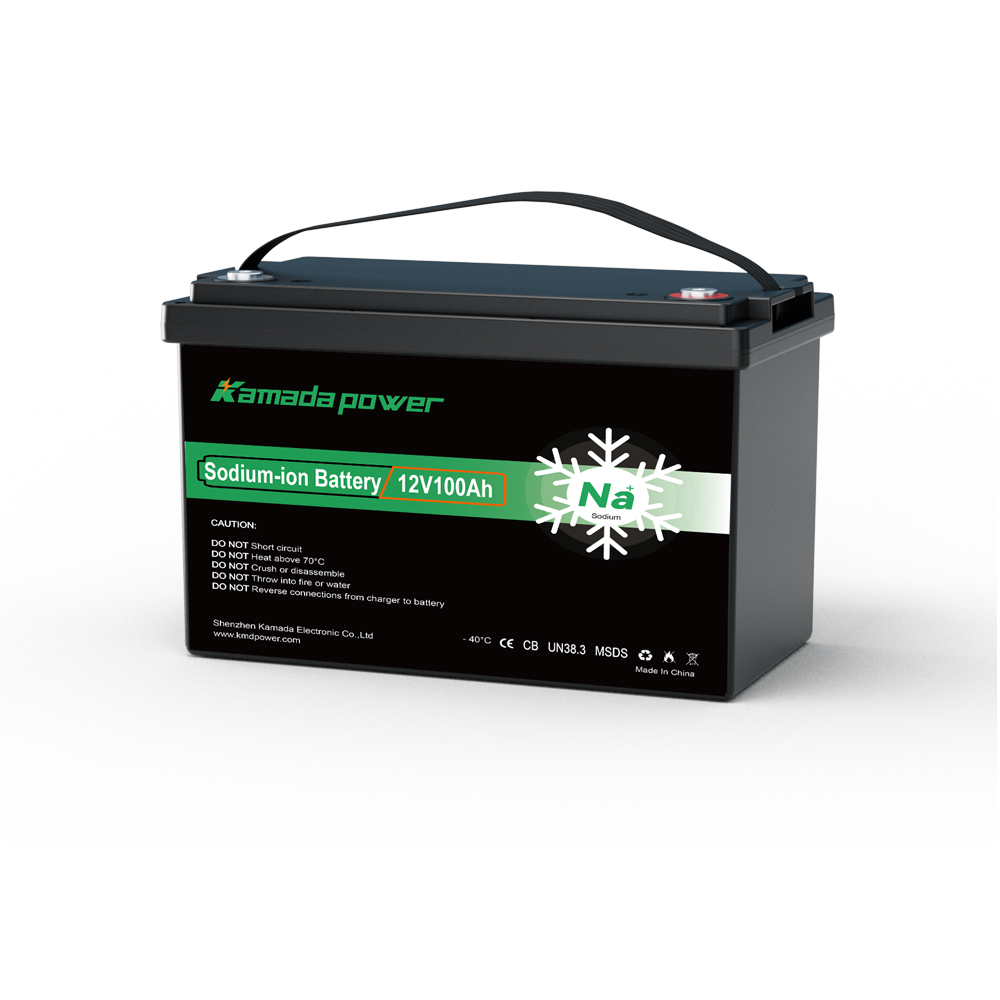
Bateria de iões de sódio Kamada Power 12v 100Ah
Porque é que o binário dos terminais é mais importante do que muitos instaladores pensam
Em sistemas de baixa corrente, as ligações mal feitas podem passar despercebidas. Em sistemas de corrente contínua de alta intensidade, normalmente não passam. Mesmo um terminal de bateria ligeiramente solto acrescenta resistência à superfície de contacto e, sob carga, essa resistência extra transforma-se rapidamente em calor.
Desde P = I²RSe o terminal derreter, um aumento da corrente pode produzir calor suficiente para danificar a ligação, amolecer o material próximo ou deformar o bloco de terminais. É por isso que os bornes derretidos ou os terminais descoloridos são frequentemente atribuídos à bateria, quando o verdadeiro problema é a ligação.
A vibração piora a situação, porque um parafuso ligeiramente apertado pode soltar-se ainda mais com o tempo, abrindo uma fenda que pode levar a um arco elétrico DC, danos rápidos no metal e risco de incêndio.
As ligações soltas ou de alta resistência também podem despoletar disparos incómodos do BMS, provocando uma queda de tensão súbita durante o arranque do inversor, fazendo com que o BMS interprete o evento como sobreintensidade ou curto-circuito. É por isso que o binário correto não é um pormenor de instalação menor. Faz parte da fiabilidade global do sistema.
Tabela de binários dos terminais para pernos de bateria M6, M8 e M10
Deve verificar sempre primeiro a folha de dados do fabricante da bateria. O design da rosca, o material da inserção, o comprimento do parafuso, o hardware fornecido e a construção do terminal podem variar. A tabela abaixo é apenas uma referência prática para muitos terminais de bateria padrão de cobre ou latão. Não se deve sobrepor ao manual de instalação do fabricante da bateria.
Além disso, não trate o hardware métrico e imperial como intercambiáveis. M6 é apenas aproximadamente próximo de 1/4 ″, M8 é apenas aproximadamente próximo de 5/16 ″ e M10 é apenas aproximadamente próximo de 3/8 ″. Eles não são o mesmo sistema de rosca. A mistura de parafusos pode danificar as roscas, reduzir a pressão de contacto ou criar uma ligação que parece apertada, mas que não está realmente correta.
| Tamanho do terminal | Torque métrico | Binário imperial | Nota sobre o dimensionamento dos cabos |
|---|
| M6 (aprox. 1/4″) | 4,0-5,0 Nm | 35-45 pol-lbs | O tamanho do cabo deve ser selecionado em função da corrente, do comprimento do cabo, da queda de tensão, da classificação do isolamento e das condições de instalação. |
| M8 (aprox. 5/16″) | 8,0-10,0 Nm | 70-90 in-lbs | O tamanho do terminal não decide automaticamente o tamanho do cabo. Dimensione sempre o cabo para a carga efectiva. |
| M10 (aprox. 3/8″) | 12,0-14,0 Nm | 105-125 pol-lbs | Os terminais de maiores dimensões são frequentemente utilizados com cabos de corrente mais elevada, mas o tamanho final do cabo continua a depender da conceção do sistema. |
Vale a pena sublinhar um ponto: apertar demasiado não é mais seguro. Muitas pessoas preocupam-se com terminais soltos e, em seguida, simplesmente inclinam a chave com mais força. Isso pode retirar as roscas macias, deformar o inserto ou partir o parafuso. Quando isso acontece, já não se está a resolver um problema de ligação. Está a substituir hardware e, por vezes, a substituir a bateria inteira. Uma chave dinamométrica calibrada é a ferramenta correta neste caso. Adivinhar pelo tato não é.
Como engastar corretamente os terminais dos cabos para baterias de sódio de 12V
O binário correto do terminal só ajuda se o próprio terminal do cabo estiver em boas condições. Se a crimpagem for deficiente, a ligação pode sobreaquecer mesmo quando o binário do parafuso é exatamente o correto.
1. Comece com o cabo e o terminal corretos
Utilize um cabo de cobre de qualidade, idealmente de cobre sem oxigénio. Se a bateria for instalada num ambiente húmido, marítimo ou ao ar livre, o cabo de cobre estanhado é a escolha mais segura, porque lida melhor com a corrosão ao longo do tempo.
Combine esse cabo com um terminal de cobre de parede pesada, e não com um terminal de pechincha fino que se deforma muito facilmente. Mas não escolha o cabo apenas pelo tamanho do terminal. O tamanho do cabo deve ser baseado na corrente contínua, na corrente de pico, no comprimento do cabo, na queda de tensão aceitável, na classificação da temperatura de isolamento e no ambiente de instalação.
Este não é o lugar para economizar alguns dólares. Os terminais baratos e o cabo subdimensionado criam problemas dispendiosos mais tarde.
2. Retirar cuidadosamente o isolamento
Descarne apenas o isolamento suficiente para que o condutor fique no fundo do tambor do terminal. Não deixe o excesso de cobre nu exposto e não danifique os fios do condutor ao descarnar. Um condutor cortado reduz a secção transversal efectiva do cabo e enfraquece tanto a capacidade de corrente como a resistência mecânica.
Uma tira limpa ajuda o cabo a assentar completamente e torna a crimpagem mais consistente.
É aqui que muitas instalações correm mal.
Um martelo pode achatar um lug o suficiente para parecer aceitável do lado de fora, mas aparência não é o mesmo que desempenho. Estas ferramentas deixam frequentemente espaços vazios no interior do cano. Esses vazios retêm o ar e a humidade e aumentam a resistência.
Uma máquina de cravar hidráulica é normalmente um padrão muito melhor porque pode aplicar uma compressão mais forte e mais uniforme. Mas a ferramenta por si só não é suficiente. O terminal, o tamanho do cabo, o tamanho da matriz, a posição de crimpagem e o número de crimpagens devem corresponder. Um crimpador hidráulico com a matriz errada ainda pode produzir uma crimpagem ruim.
Uma crimpagem correta deve criar uma junta de compressão apertada e de baixa resistência entre o condutor e o tambor do terminal. Em termos práticos, isso significa menor resistência, menos aquecimento e maior durabilidade a longo prazo.
Para projectos de passatempo, as pessoas por vezes aceitam compromissos. Para sistemas industriais, de telecomunicações, marítimos ou fora da rede, um processo de cravação correto é o melhor padrão.
4. Selar a junta com uma película termorretráctil revestida com adesivo
Quando o terminal estiver cravado, cubra o tubo com um tubo termorretráctil de parede dupla revestido a adesivo. Quando aquecida, a manga exterior encolhe e o adesivo sela a transição entre o isolamento e o terminal. Isto ajuda a manter a humidade afastada, suporta o cabo na junta e abranda a corrosão ao longo do tempo.
Trata-se de um passo simples, mas que torna o cabo acabado mais duradouro e mais profissional.
As baterias de iões de sódio necessitam de ligações de cabos diferentes das do LiFePO4?
Do ponto de vista químico, o ião de sódio e o LiFePO4 são sistemas de baterias diferentes. Do ponto de vista da cablagem, os fundamentos não mudam muito.
A corrente continua a passar pelo metal. A resistência continua a criar calor. As ligações soltas continuam a falhar.
O que pode mudar é a pressão prática sobre a ligação. Muitas baterias de iões de sódio de 12V são selecionadas porque mantêm um forte desempenho de descarga em ambientes frios, onde o LiFePO4 se torna mais limitado. Isto significa que o cabo, o terminal e a interface do terminal podem ter de transportar uma corrente substancial mesmo a baixas temperaturas.
Por exemplo, uma bateria de sódio de 12V 100Ah pode ser classificada em cerca de 100A contínuos em alguns modelos, enquanto as versões de alta taxa podem ser classificadas mais perto de 150A ou 200A, dependendo do BMS, do design da célula, dos limites térmicos e da especificação do fabricante. Quando se está a trabalhar a esse nível, os pequenos defeitos de ligação deixam de ser "pequenos". É muito mais provável que uma crimpagem medíocre ou um valor de binário impreciso se manifestem sob a forma de calor, queda de tensão ou proteção BMS.
Assim, o método de ligação não é fundamentalmente diferente, mas a margem para um trabalho descuidado é frequentemente menor.
Erros comuns de instalação que continuam a causar falhas
Mesmo os instaladores experientes cometem estes erros, especialmente quando estão a trabalhar rapidamente.
Colocar a máquina de lavar no sítio errado
Esta é uma das causas mais comuns de terminais de bateria quentes.
O terminal de cobre deve ficar diretamente encostado à superfície do terminal da bateria. Esta é a regra principal. O trajeto da corrente deve ir do terminal ao terminal com a menor resistência possível.
A ordem habitual é:
Terminal da bateria → terminal de cobre → anilha plana → anilha de bloqueio ou anilha dividida → parafuso
O que não deve acontecer é colocar uma anilha de aço inoxidável entre o terminal da bateria e o terminal de cobre. Se isso acontecer, a corrente é forçada a passar através da anilha em vez de fluir diretamente de cobre para cobre ou latão. O aço inoxidável tem uma resistência muito maior do que o cobre, pelo que a anilha aquece sob carga e a ligação começa a deteriorar-se.
Os terminais de alumínio em terminais de bateria de cobre ou latão são uma má ideia, especialmente em ambientes húmidos ou molhados. O problema é a corrosão galvânica. Com o tempo, a corrosão aumenta a resistência e uma maior resistência significa mais calor.
Para uma fiabilidade a longo prazo, mantenha os materiais de contacto compatíveis.
Não efetuar verificações de re-torque
Uma instalação recente nem sempre se mantém igual após algumas semanas de serviço. O cobre pode relaxar ligeiramente. As alterações de temperatura provocam expansão e contração. O equipamento que se move ou vibra pode deslocar o hardware ao longo do tempo.
É boa prática voltar a verificar o binário dos terminais cerca de 30 dias após a instalação e, em seguida, incluí-lo na manutenção periódica. Uma verificação rápida com uma chave dinamométrica pode evitar um problema de serviço muito maior mais tarde.
Resolução de problemas de terminais quentes e disparos súbitos do BMS
Se um terminal de uma bateria de iões de sódio de 12V ficar quente ou se o sistema se desligar quando o inversor, o motor, a bomba, o compressor ou outro equipamento de carga elevada arrancar, não assuma que as células da bateria falharam primeiro. Verifique o caminho de ligação.
| Sintoma | Causa provável | O que verificar |
|---|
| O terminal aquece sob carga | Parafuso solto, mau contacto do terminal, ordem errada da anilha ou cabo subdimensionado | Verificar o binário, a pilha de anilhas, a superfície de contacto dos olhais e o dimensionamento dos cabos |
| O BMS dispara durante o arranque do inversor | Queda de tensão provocada por uma resistência elevada no terminal ou no interior do engaste | Medir a queda de tensão através da ligação durante o arranque |
| O lug tem um aspeto descolorido ou escurecido | Acumulação de calor devido à resistência de contacto | Inspecionar a qualidade da crimpagem, a oxidação, o binário e a área de contacto |
| As ferragens dos terminais soltam-se após a utilização | Vibração, ciclo térmico ou movimento do cabo puxando o terminal | Volte a apertar após a primeira manutenção e adicione o alívio de tensão adequado para o cabo |
| O cabo fica quente perto do tambor do terminal | Mau engaste ou cabo demasiado pequeno para a carga | Corte e volte a cravar com o terminal, matriz e tamanho de cabo corretos |
| Uma bateria num banco paralelo dispara mais cedo | Resistência irregular entre os cabos ou terminais da bateria | Verificar o comprimento do cabo, a qualidade dos terminais, o binário e o equilíbrio da ligação do barramento |
| O terminal continua a aquecer após o binário correto | O problema pode estar no interior do terminal, do cabo, da pilha de anilhas ou da superfície de acoplamento | Não continuar a apertar; inspecionar todo o percurso da corrente |
O ponto importante é simples: o binário é apenas uma parte da ligação. Uma boa ligação de terminal necessita do cabo correto, do terminal correto, da crimpagem correta, da ordem correta da anilha e do binário correto.
Conclusão
A Bateria de iões de sódio de 12V podem funcionar bem em tempo frio, em reserva, em veículos de recreio, marítimos ou fora da rede, mas apenas se a ligação for correta. Um mau engaste, uma ordem incorrecta da anilha ou um binário incorreto do terminal podem causar aquecimento e paragens.
Utilize o terminal de cobre correto, a ferramenta de engaste, o método de vedação e a especificação de binário do fabricante. Muitos dos problemas de campo desaparecem aí.
Precisa de ajuda para adequar uma bateria de iões de sódio de 12V à sua aplicação? Contactar-nos para um bateria de iões de sódio personalizada solução.
FAQ
E se eu não tiver uma chave dinamométrica? Posso simplesmente apertar o terminal à mão?
Não é uma boa ideia. "Apertar à mão" significa coisas diferentes para pessoas diferentes. Um instalador deixa a ligação suficientemente frouxa para aquecer sob carga, enquanto outro arranca as roscas ao apertar demasiado. Para o custo do sistema de bateria, uma chave dinamométrica básica é um pequeno investimento e normalmente vale a pena.
Posso reutilizar cabos de baterias de chumbo-ácido antigas com uma bateria de sódio?
Por vezes, sim. Mas apenas se o cabo ainda estiver em boas condições e for efetivamente dimensionado para a corrente que a sua nova configuração irá consumir. Alguns sistemas de baterias de sódio podem fornecer uma corrente sustentada mais elevada do que os sistemas antigos de chumbo-ácido, dependendo da classificação BMS e do design do conjunto. Se o cabo estiver corroído, rígido, subdimensionado ou danificado pelo calor, substitua-o.
Porque é que o terminal continua a aquecer, apesar de o ter apertado corretamente?
Se a ferragem do terminal for apertada de acordo com as especificações e a ligação continuar a aquecer, o problema está frequentemente no interior do terminal e não no parafuso. Uma má crimpagem pode deixar espaços vazios e criar resistência no interior do barril. Nesse caso, o cabo normalmente precisa de ser cortado e novamente cravado corretamente. Também vale a pena verificar novamente a ordem das anilhas, porque esse erro é fácil de falhar e muito comum.