Veliko težav z baterijami se ne začne v celicah. Pojavijo se na priključku. A 12V natrijeva baterija lahko izgleda v redu, nato pa se pod obremenitvijo pokvari: vroče sponke, izklop sistema ali izklopi BMS.Zelo pogosto je vzrok preprost: slabo stiskanje, napačen niz podložk ali zrahljan vijak sponke. Dobra kemija ne bo popravila slabe povezave.
Za hiter vpogled so običajni razponi navora, ki se pogosto pojavljajo na priključkih 12V baterij, naslednji M6 (1/4″): 4-5 Nm (35-45 in-lbs), M8 (5/16″): 8-10 Nm (70-90 in-lbs) in M10 (3/8″): 12-14 Nm (105-125 in-lbs). To so praktična referenčna območja in ne univerzalno pravilo. Najprej je vedno treba upoštevati podatkovni list proizvajalca akumulatorja, saj lahko material priključnega vložka, globina navoja, dolžina vijaka in priložena strojna oprema spremenijo vrednost varnega navora.
Če se terminal nenehno segreva ali če sistem pri obremenitvi odpove, je prava težava običajno v majhnih podrobnostih namestitve.
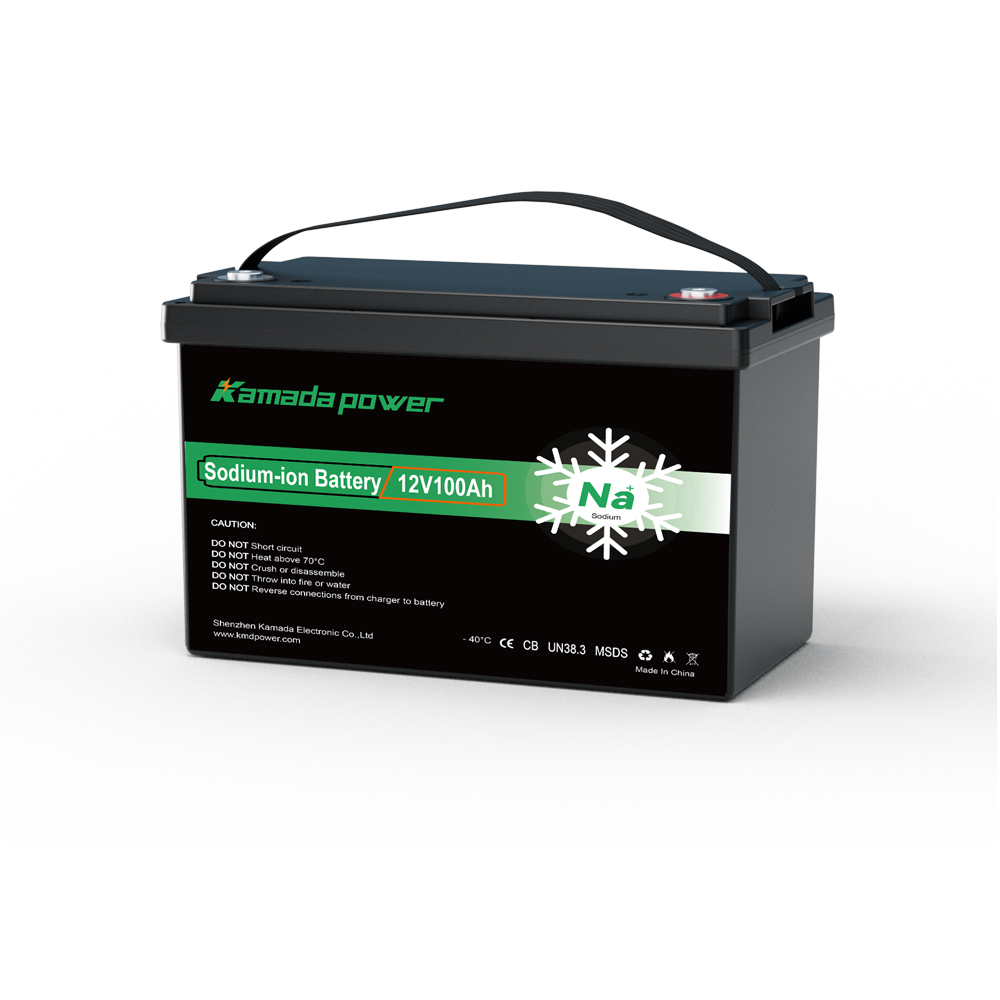
Kamada Power 12v 100Ah natrijev ionski akumulator
Zakaj je končni navor pomembnejši, kot mislijo številni monterji
V sistemih z nizkim tokom so lahko površne povezave neopažene. V visokoturnih enosmernih sistemih pa običajno ne. Že rahlo ohlapen baterijski priključek poveča upor na kontaktni površini, ki se pod obremenitvijo hitro spremeni v toploto.
Ker je na spletni strani P = I²R, lahko povečanje toka povzroči dovolj toplote, da se poškoduje priključek, zmehča bližnji material ali deformira priključni blok. Zato se taljenje drogov ali razbarvane konice pogosto pripisujejo akumulatorju, čeprav je resnična težava v priključku.
Vibracije to še poslabšajo, saj se lahko rahlo zategnjen vijak sčasoma še bolj zrahlja, s čimer se odpre vrzel, ki lahko povzroči enosmerni oblok, hitre poškodbe kovine in nevarnost požara.
Ohlapne ali visoko uporne povezave lahko sprožijo tudi moteče izklope BMS, saj povzročijo nenaden padec napetosti med zagonom inverterja, zaradi česar BMS dogodek razume kot nadtokovni ali kratek stik. Zato pravilen navor ni nepomembna podrobnost pri namestitvi. Je del splošne zanesljivosti sistema.
Preglednica navora za sponke za baterijske čepe M6, M8 in M10
Vedno morate najprej preveriti podatkovni list proizvajalca baterije. Zasnova navoja, material vložka, dolžina vijaka, priložena strojna oprema in konstrukcija priključka se lahko razlikujejo. Spodnja tabela je le praktična referenca za številne standardne bakrene ali medeninaste baterijske sponke. Ne sme prevladati nad priročnikom za namestitev proizvajalca baterije.
Prav tako ne obravnavajte metrične in imperialne strojne opreme kot zamenljive. M6 je le približno blizu 1/4″, M8 je le približno blizu 5/16″ in M10 je le približno blizu 3/8″. Niso enak sistem navojev. Mešanje vijakov lahko poškoduje navoje, zmanjša kontaktni tlak ali ustvari povezavo, ki se zdi tesna, vendar dejansko ni pravilna.
| Velikost terminala | Metrični navor | Imperialni navor | Opomba o dimenzioniranju kablov |
|---|
| M6 (približno 1/4″) | 4,0-5,0 Nm | 35-45 in-lbs | Velikost kabla je treba izbrati glede na tok, dolžino kabla, padec napetosti, nazivno izolacijo in pogoje namestitve. |
| M8 (približno 5/16″) | 8,0-10,0 Nm | 70-90 in-lbs | Velikost priključka ne določa samodejno velikosti kabla. Velikost kabla vedno prilagodite dejanski obremenitvi. |
| M10 (približno 3/8″) | 12,0-14,0 Nm | 105-125 in-lbs | Večje sponke se pogosto uporabljajo pri kablih z večjim tokom, vendar je končna velikost kabla še vedno odvisna od zasnove sistema. |
Poudariti je treba, da pretirano zategovanje ni varnejše. Veliko ljudi skrbi, da se bodo sprostili priključki, zato se preprosto močneje naslonijo na ključ. To lahko povzroči strganje mehkih navojev, deformacijo vložka ali zlom vijaka. Ko se to zgodi, ne rešujete več težav s povezavo. Zamenjate strojno opremo in včasih zamenjate celoten akumulator. Kalibriran momentni ključ je pravo orodje. Ugibanje po občutku ni primerno.
Kako pravilno stiskati kabelske zanke za 12-voltne natrijeve baterije
Pravilen navor na sponkah pomaga le, če je sama kabelska konica zdrava. Če je stiskanje slabo, se lahko priključek pregreje, tudi če je navor vijaka ravno pravšnji.
1. Začnite s pravim kablom in ušesom
Uporabite kakovosten bakren kabel, najbolje brezkislinski baker. Če bo baterija nameščena v vlažnem, morskem ali zunanjem okolju, je varnejša izbira kositrni bakreni kabel, saj se sčasoma bolje spopada s korozijo.
Ta kabel opremite z bakrenim ušescem z močno steno in ne s tankim ušescem iz kovine, ki se zlahka deformira. Vendar kabla ne izbirajte le po velikosti priključka. Velikost kabla mora temeljiti na trajnem toku, udarnem toku, dolžini kabla, sprejemljivem padcu napetosti, temperaturni oceni izolacije in okolju namestitve.
To ni kraj, kjer bi lahko prihranili nekaj dolarjev. Poceni ušesa in premajhni kabli kasneje povzročijo drage težave.
2. Previdno odstranite izolacijo
Odstranite le toliko izolacije, da se vodnik v notranjosti ohišja konice lahko dotakne dna. Ne puščajte odvečnega golega bakra in med odstranjevanjem ne poškodujte žil vodnika. Poškodovan vodnik zmanjša dejanski presek kabla in oslabi tako tokovno zmogljivost kot mehansko trdnost.
Čisti trak pomaga kablu, da se v celoti usede, in omogoča bolj konsistentno stiskanje.
Tu gre veliko namestitev narobe.
S stiskalnico s kladivom lahko ušesce dovolj sploščite, da je na zunaj videti sprejemljivo, vendar videz ni enak zmogljivosti. Ta orodja pogosto puščajo praznine v notranjosti cevi. Te vrzeli zadržujejo zrak in vlago ter povečujejo upornost.
Hidravlična stiskalnica je običajno veliko boljši standard, saj omogoča močnejše in bolj enakomerno stiskanje. Vendar samo orodje ni dovolj. Ujemati se morajo konica, velikost kabla, velikost matrice, položaj stiskanja in število stiskanj. Hidravlična stiskalnica z napačno matrico lahko še vedno ustvari slabo stiskanje.
Pravilno stiskanje mora ustvariti tesen, nizkoodporen kompresijski spoj med vodnikom in ohišjem konice. V praksi to pomeni manjšo upornost, manjše segrevanje in boljšo dolgoročno vzdržljivost.
Pri hobi projektih ljudje včasih sprejemajo kompromise. Za industrijske, telekomunikacijske, pomorske ali zunajomrežne sisteme je ustrezen postopek stiskanja boljši standard.
4. Zatesnite spoj z lepilom obloženim toplotnim krčenjem.
Ko je ušesce zatisnjeno, cev pokrijte z dvostensko termokrčljivo cevjo, obloženo z lepilom. Ko se segreje, se zunanji ovoj skrči, lepilo pa zatesni prehod med izolacijo in ušesom. To pomaga zadržati vlago, podpira kabel na spoju in sčasoma upočasni korozijo.
Gre za preprost korak, ki pa naredi končni kabel trajnejši in bolj profesionalen.
Ali natrijevo-ionske baterije potrebujejo drugačne kabelske povezave kot LiFePO4?
S kemijskega vidika sta natrijevo-ionska in LiFePO4 različna baterijska sistema. Z vidika ožičenja se osnove ne spreminjajo veliko.
Tok še vedno teče skozi kovino. Upor še vedno ustvarja toploto. Ohlapne povezave še vedno odpovedo.
Kar se lahko spremeni, je praktična obremenitev povezave. Številne 12V natrijevo-ionske baterije so izbrane, ker ohranjajo močno zmogljivost praznjenja v hladnih okoljih, kjer LiFePO4 postane bolj omejen. To pomeni, da bo morda moral kabel, priključek in priključni vmesnik prenašati precejšen tok tudi pri nizkih temperaturah.
Na primer, natrijeva baterija 12 V 100 Ah ima lahko pri nekaterih izvedbah stalno zmogljivost približno 100 A, pri izvedbah z visoko zmogljivostjo pa 150 A ali 200 A, odvisno od sistema BMS, zasnove celic, toplotnih omejitev in specifikacij proizvajalca. Ko začnete delovati na tej ravni, majhne napake na priključkih prenehajo biti "majhne". Povprečno stiskanje ali nenatančna vrednost navora se veliko bolj verjetno pokaže kot toplota, padec napetosti ali zaščita BMS.
Tako se način povezovanja v osnovi ne razlikuje, vendar je možnost za površno delo pogosto manjša.
Pogoste napake pri namestitvi, ki še vedno povzročajo napake
Te napake delajo tudi izkušeni monterji, zlasti pri hitrem delu.
Postavitev pralnega stroja na napačno mesto
To je eden od najpogostejših vzrokov za vroče sponke akumulatorja.
Bakrena konica mora biti nameščena neposredno ob površini priključka akumulatorja. To je glavno pravilo. Tokovna pot mora potekati od priključka do konice s čim manjšim uporom.
Običajni vrstni red je:
Sponka akumulatorja → bakreni nastavek → ploščata podložka → varovalna ali razcepna podložka → vijak
Med priključek akumulatorja in bakreni nastavek ne smete vstaviti podložke iz nerjavnega jekla. Če se to zgodi, se tok sili skozi podložko, namesto da bi tekel neposredno iz bakra v baker ali medenino. Nerjaveče jeklo ima veliko večjo upornost kot baker, zato se podložka pod obremenitvijo segreje in povezava se začne kvariti.
Aluminijasti nastavki na bakrenih ali medeninastih baterijskih priključkih so slaba ideja, zlasti v mokrih ali vlažnih okoljih. Gre za galvansko korozijo. Korozija sčasoma poveča upornost, večja upornost pa pomeni več toplote.
Za dolgotrajno zanesljivost poskrbite, da bodo kontaktni materiali združljivi.
Izpuščanje ponovnih preverjanj navora
Sveža namestitev po nekaj tednih delovanja ne ostane vedno enaka. Baker se lahko nekoliko sprosti. Temperaturne spremembe povzročajo raztezanje in krčenje. Oprema, ki se premika ali vibrira, lahko sčasoma premakne strojno opremo.
Dobra praksa je, da približno 30 dni po namestitvi ponovno preverite navor priključka in ga nato vključite v redno vzdrževanje. Hitro preverjanje z momentnim ključem lahko prepreči veliko večje težave pri kasnejšem servisiranju.
Odpravljanje težav z vročimi sponkami in nenadnimi izklopi BMS
Če se priključek 12-voltne natrijevo-ionske baterije segreje ali če se sistem izklopi, ko se zažene pretvornik, motor, črpalka, kompresor ali druga oprema z veliko obremenitvijo, ne domnevajte, da so najprej odpovedale celice baterije. Preverite pot povezave.
| Simptom | Verjeten vzrok | Kaj je treba preveriti |
|---|
| Priključek postane vroč pod obremenitvijo | Ohlapen vijak, slab stik z ušesom, napačen vrstni red podložk ali premajhen kabel | Preverite navor, kup podložk, kontaktno površino ušes in velikost kabla. |
| BMS se sproži med zagonom pretvornika | padec napetosti zaradi visoke upornosti na priključku ali v notranjosti sponke | Izmerite padec napetosti na priključku med zagonom |
| Izgled kljuke je razbarvan ali zatemnjen. | Kopičenje toplote zaradi kontaktne upornosti | Preverite kakovost stiskanja, oksidacijo, navor in območje stika |
| Okovje terminala se po uporabi razrahlja | Vibracije, toplotni cikli ali gibanje kabla, ki vleče na terminal | Po prvem servisu ponovno privijte navor in dodajte ustrezno razbremenitev kabla. |
| Kabel je topel v bližini ohišja | slabo vpenjanje ali kabel, ki je premajhen za obremenitev | Odrežite in ponovno zataknite s pravilnim ušesom, matrico in velikostjo kabla. |
| Ena baterija v vzporedni banki se prej izklopi | Neenakomerna upornost med kabli ali priključki akumulatorja | Preverite dolžino kabla, kakovost okovja, navor in ravnovesje priključka zbiralke. |
| Terminal se po pravilnem navoru še vedno segreva | Težava je lahko v ušesu, kablu, kupu podložk ali na stični površini. | Ne zategujte še naprej; preglejte celotno tokovno pot. |
Pomembno je preprosto: navor je le en del povezave. Za dobro priključitev priključka je potreben pravi kabel, pravi priključek, pravo stiskanje, pravo zaporedje podložk in pravi navor.
Zaključek
A 12-voltna natrijevo-ionska baterija se lahko dobro obnese v hladnem vremenu, pri rezervni uporabi, uporabi v avtodomu, na morju ali izven omrežja, vendar le, če je povezava pravilna. Slabo stiskanje, napačen vrstni red podložk ali nepravilen navor priključka lahko povzročijo vročino in izpade.
Uporabite pravo bakreno ušesce, orodje za stiskanje, način tesnjenja in proizvajalčeve specifikacije navora. Veliko težav na terenu izgine.
Potrebujete pomoč pri izbiri 12-voltne natrijevo-ionske baterije za vašo uporabo? Pišite nam za natrijeva ionska baterija po meri rešitev.
POGOSTA VPRAŠANJA
Kaj storiti, če nimam ključa za navor? Ali lahko priključek zategnem z roko?
To ni dobra zamisel. "Tesna roka" za različne ljudi pomeni različne stvari. Nekdo, ki montira, pusti povezavo dovolj ohlapno, da se pod obremenitvijo segreje, medtem ko drug s pretiranim zategovanjem strga navoje. Glede na ceno baterijskega sistema je osnovni momentni ključ majhna naložba, ki se običajno izplača.
Ali lahko z natrijevim akumulatorjem ponovno uporabim stare kable svinčevo-kislinskega akumulatorja?
Včasih da. Vendar le, če je kabel še vedno v dobrem stanju in je dejansko dimenzioniran za tok, ki ga bo črpala vaša nova naprava. Nekateri sistemi natrijevih baterij lahko zagotavljajo večji trajni tok kot starejši svinčevo-kislinski sistemi, odvisno od njihove ocene BMS in zasnove paketa. Če je kabel korodiran, tog, premajhen ali toplotno poškodovan, ga zamenjajte.
Zakaj se priključek še vedno segreva, čeprav sem ga pravilno zategnil?
Če je strojna oprema priključka privita v skladu s specifikacijami in je priključek še vedno vroč, je težava pogosto znotraj priključka in ne na vijaku. Pri slabem stiskanju lahko nastanejo praznine in upor v cevki. V tem primeru je treba kabel običajno odrezati in ga ponovno pravilno skrčiti. Prav tako je vredno ponovno preveriti vrstni red podložk, saj je to napako enostavno spregledati in je zelo pogosta.