Багато проблем з акумуляторами починаються не всередині елементів. Вони з'являються при підключенні. A Натрієва батарея 12В Дуже часто причина проста: поганий обтиск, неправильний набір шайб або ослаблений болт клеми. Хороша хімія не виправить погане з'єднання.
Для швидкого ознайомлення, найпоширеніші діапазони крутних моментів, які часто зустрічаються на вставних клемах 12В акумуляторних батарей M6 (1/4″): 4-5 Нм (35-45 фунтів-дюйм), M8 (5/16″)8-10 Нм (70-90 фунтів на дюйм), і M10 (3/8″): 12-14 Нм (105-125 фунт-фунтів). Це практичні діапазони, а не універсальне правило. Завжди звертайтеся до технічного паспорта виробника акумулятора, оскільки матеріал клем, глибина різьблення, довжина болтів та обладнання, що входить до комплекту поставки, можуть змінити безпечне значення крутного моменту затягування.
Якщо термінал продовжує нагріватися або система вимикається під навантаженням, реальна проблема, як правило, криється в дрібних деталях монтажу.
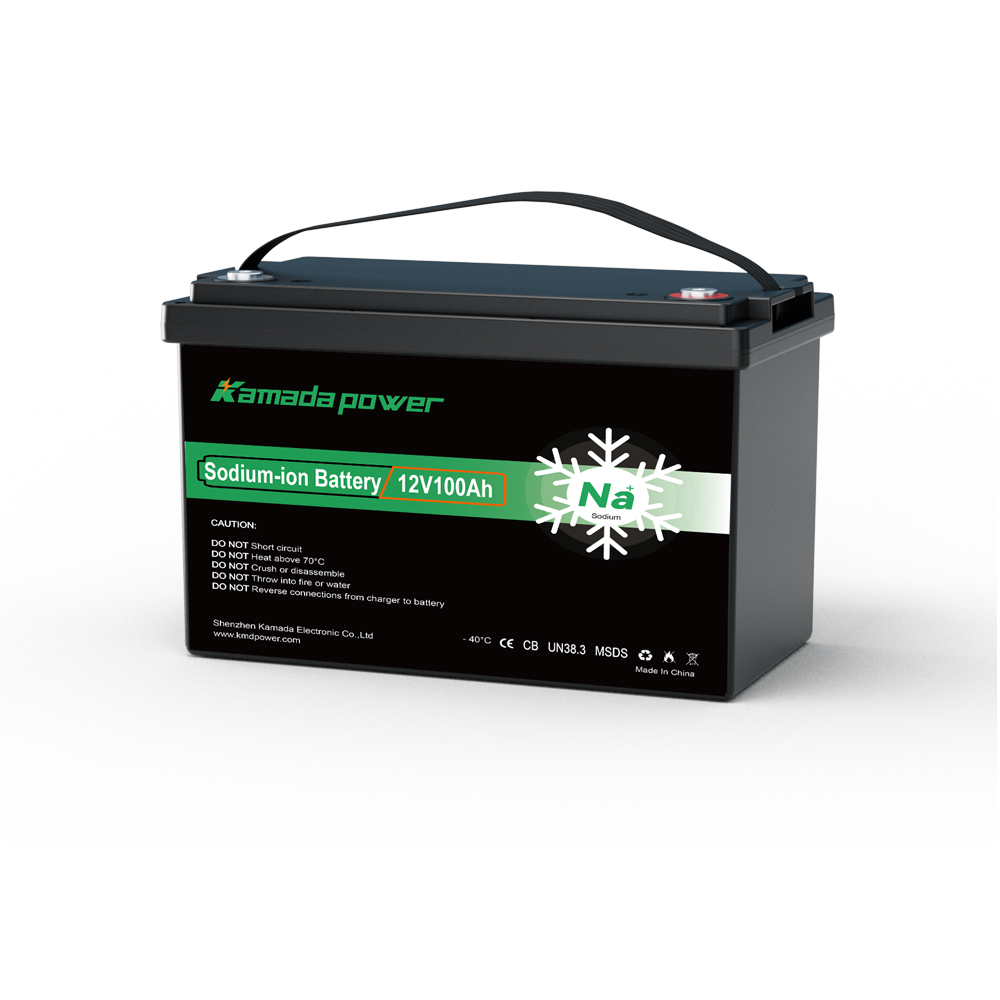
Іонно-натрієвий акумулятор Kamada Power 12v 100Ah
Чому момент затягування клем має більше значення, ніж багато хто думає
У слабкострумових системах недбале з'єднання може залишитися непоміченим. У сильнострумових системах постійного струму, як правило, ні. Навіть трохи ослаблена клема батареї додає опору на поверхні контакту, і під навантаженням цей додатковий опір швидко перетворюється на тепло.
Оскільки P = I²RЗбільшення струму може виробляти достатньо тепла, щоб пошкодити з'єднання, розм'якшити сусідній матеріал або деформувати клемну колодку. Ось чому розплавлені штирі або знебарвлені наконечники часто звинувачують батарею, тоді як справжня проблема полягає у з'єднанні.
Вібрація погіршує ситуацію, оскільки з часом злегка затягнутий болт може ще більше ослабнути, відкриваючи зазор, який може призвести до виникнення дуги постійного струму, швидкого пошкодження металу та ризику пожежі.
Ослаблені або високоомні з'єднання також можуть спричинити неприємні спрацьовування BMS, викликаючи раптове падіння напруги під час запуску інвертора, в результаті чого BMS інтерпретує подію як перевантаження по струму або коротке замикання. Ось чому правильний крутний момент - це не другорядна деталь установки. Це частина загальної надійності системи.
Таблиця моментів затягування клем для акумуляторних шпильок M6 та M8 і M10
Завжди спочатку перевіряйте технічний паспорт виробника акумулятора. Дизайн різьби, матеріал вставки, довжина болтів, обладнання, що постачається, та конструкція клем можуть відрізнятися. Наведена нижче таблиця є лише практичним довідником для багатьох стандартних мідних або латунних акумуляторних клем. Вона не повинна замінювати інструкцію з монтажу від виробника акумулятора.
Також не варто вважати метричну та англійську системи як взаємозамінні. M6 лише приблизно дорівнює 1/4″, M8 лише приблизно дорівнює 5/16″, а M10 лише приблизно дорівнює 3/8″. Вони не мають однакової системи різьблення. Змішування болтів може пошкодити різьбу, зменшити контактний тиск або створити з'єднання, яке здається щільним, але насправді не є правильним.
| Розмір терміналу | Метричний крутний момент | Імперський крутний момент | Вказівка щодо розміру кабелю |
|---|
| M6 (приблизно 1/4″) | 4,0-5,0 Нм | 35-45 фунтів | Розмір кабелю слід вибирати залежно від струму, довжини кабелю, падіння напруги, номінального опору ізоляції та умов монтажу. |
| M8 (приблизно 5/16″) | 8,0-10,0 Нм | 70-90 фунтів | Розмір клеми не визначає автоматично розмір кабелю. Завжди розраховуйте кабель відповідно до фактичного навантаження. |
| M10 (приблизно 3/8″) | 12,0-14,0 Нм | 105-125 фунтів | Більші клеми часто використовуються з кабелями більшого струму, але остаточний розмір кабелю все одно залежить від конструкції системи. |
Варто підкреслити один момент: надмірне затягування не є безпечнішим. Багато людей турбуються про ослаблені клеми, а потім просто сильніше натискають на ключ. Це може зірвати м'яку різьбу, деформувати вставку або зламати болт. Як тільки це трапляється, ви вже не вирішуєте проблему з'єднання. Ви замінюєте апаратне забезпечення, а іноді й цілу батарею. Калібрований динамометричний ключ - це правильний інструмент. Вгадування на дотик - ні.
Як правильно обтискати кабельні наконечники для натрієвих батарей 12 В
Правильний момент затягування клем допомагає лише в тому випадку, якщо сам кабельний наконечник справний. Якщо обтиск поганий, з'єднання все одно може перегріватися, навіть якщо момент затягування болтів точно правильний.
1. Почніть з правильного кабелю та наконечника
Використовуйте якісний мідний кабель, в ідеалі - з безкисневої міді. Якщо батарея буде встановлена у вологому, морському або зовнішньому середовищі, безпечнішим вибором буде луджений мідний кабель, оскільки він краще протистоїть корозії з плином часу.
Підберіть кабель з товстостінним мідним наконечником, а не з тонким дешевим наконечником, який легко деформується. Але не вибирайте кабель лише за розміром клеми. Розмір кабелю повинен базуватися на тривалому струмі, імпульсному струмі, довжині кабелю, допустимому падінні напруги, номінальній температурі ізоляції та середовищі встановлення.
Це не те місце, де можна заощадити кілька доларів. Дешеві наконечники та кабель недостатнього розміру згодом створюють дорогі проблеми.
2. Обережно зніміть ізоляцію
Знімайте лише стільки ізоляції, щоб провідник був знизу всередині корпусу наконечника. Не залишайте надлишок оголеної міді і не пошкоджуйте жили під час зняття ізоляції. Пошкоджена жила зменшує ефективний переріз кабелю і знижує його пропускну здатність і механічну міцність.
Чиста смужка допомагає кабелю повністю сісти і робить обтиск більш рівномірним.
Саме тут багато інсталяцій йдуть не так.
Обтискний молоток може сплющити вушко так, щоб воно виглядало прийнятним ззовні, але зовнішній вигляд - це не те саме, що ефективність. Ці інструменти часто залишають порожнечі всередині ствола. Ці проміжки затримують повітря та вологу і збільшують опір.
Гідравлічні обтискачі, як правило, є набагато кращим стандартом, оскільки вони забезпечують більш сильне і рівномірне обтискання. Але одного інструменту недостатньо. Наконечник, розмір кабелю, розмір матриці, положення обтиску і кількість обтиснень повинні збігатися. Гідравлічні обтискачі з неправильною матрицею все одно можуть створювати поганий обтиск.
Правильний обтиск повинен створювати щільне компресійне з'єднання з низьким опором між провідником і корпусом наконечника. На практиці це означає менший опір, менше нагрівання і кращу довговічність.
Для хобі-проектів люди іноді йдуть на компроміси. Для промислових, телекомунікаційних, морських або автономних систем кращим стандартом є правильний процес обтиску.
4. Заклейте місце з'єднання термоусадкою з клейкою підкладкою
Після того, як наконечник обтиснутий, накрийте бочку двостінною термоусадочною трубкою з клейкою оболонкою. При нагріванні зовнішня втулка стискається, а клей герметизує перехід між ізоляцією та наконечником. Це допомагає уникнути потрапляння вологи, підтримує кабель у місці з'єднання та сповільнює корозію з часом.
Це простий крок, але він робить готовий кабель довговічнішим і професійнішим.
Чи потребують натрій-іонні акумулятори інших кабельних з'єднань, ніж LiFePO4?
З точки зору хімії, натрій-іонні та LiFePO4 - це різні системи акумуляторів. З точки зору електропроводки, принципи не дуже змінюються.
Струм все ще протікає через метал. Опір все ще створює тепло. Нещільні з'єднання все ще виходять з ладу.
Що може змінитися, так це практичне навантаження на з'єднання. Багато натрій-іонних акумуляторів на 12 В вибирають тому, що вони зберігають високу продуктивність розряду в холодному середовищі, де LiFePO4 стає більш обмеженим. Це означає, що кабель, наконечник і клемний інтерфейс можуть пропускати значний струм навіть за низьких температур.
Наприклад, натрієва батарея 12 В 100 Ач може мати номінальний струм безперервного струму близько 100 А в деяких моделях, тоді як високопродуктивні версії можуть мати номінальний струм ближче до 150 А або 200 А, залежно від BMS, конструкції елемента, теплових обмежень і специфікацій виробника. Коли ви працюєте на такому рівні, невеликі дефекти з'єднання перестають бути "невеликими". Посереднє обтискання або неточне значення крутного моменту, швидше за все, призведе до перегріву, падіння напруги або спрацьовування захисту BMS.
Таким чином, метод з'єднання принципово не відрізняється, але запас міцності для недбалої роботи часто менший.
Поширені помилки встановлення, які все ще призводять до збоїв
Навіть досвідчені монтажники роблять ці помилки, особливо коли працюють швидко.
Неправильне встановлення пральної машини
Це одна з найпоширеніших причин нагрівання клем акумулятора.
Мідний наконечник повинен прилягати безпосередньо до поверхні клеми акумулятора. Це головне правило. Шлях струму повинен проходити від клеми до наконечника з якомога меншим опором.
Звичайний порядок:
Клема акумулятора → мідний наконечник → плоска шайба → стопорна або розрізна шайба → болт
Чого не слід робити, так це ставити шайбу з нержавіючої сталі між клемою акумулятора і мідним наконечником. Якщо це станеться, струм буде проходити через шайбу замість того, щоб текти безпосередньо від міді до міді або латуні. Нержавіюча сталь має набагато більший опір, ніж мідь, тому шайба нагрівається під навантаженням і з'єднання починає погіршуватися.
Алюмінієві наконечники на мідних або латунних клемах акумулятора - погана ідея, особливо у вологому або мокрому середовищі. Справа в гальванічній корозії. З часом корозія збільшує опір, а вищий опір означає більше тепла.
Для довготривалої надійності слід дотримуватися сумісності контактних матеріалів.
Пропуск перевірок повторного затягування
Свіжа інсталяція не завжди залишається такою ж після кількох тижнів експлуатації. Мідь може трохи розслабитися. Зміни температури спричиняють розширення та стиснення. Обладнання, яке рухається або вібрує, може з часом змістити фурнітуру.
Рекомендується повторно перевірити момент затягування клем приблизно через 30 днів після встановлення, а потім включити його в програму періодичного технічного обслуговування. Одна швидка перевірка за допомогою динамометричного ключа може запобігти набагато більшій проблемі з обслуговуванням пізніше.
Усунення несправностей гарячих клем і раптових спрацьовувань BMS
Якщо клема натрій-іонного акумулятора 12 В нагрівається або система вимикається під час запуску інвертора, двигуна, насоса, компресора або іншого обладнання з високим навантаженням, не вважайте, що спочатку вийшли з ладу елементи акумулятора. Перевірте шлях підключення.
| Симптом | Ймовірна причина | Що перевіряти |
|---|
| Термінал нагрівається під навантаженням | Ослаблений болт, поганий контакт наконечника, неправильний порядок розташування шайб або недостатній розмір кабелю | Перевірте момент затягування, набір шайб, контактну поверхню наконечника та розмір кабелю |
| Відключення BMS під час запуску інвертора | Провал напруги, спричинений високим опором на клемі або всередині обтискача | Виміряйте падіння напруги на з'єднанні під час запуску |
| Вушко виглядає знебарвленим або потемнілим | Нагрівання від контактного опору | Перевірте якість обтиску, окислення, крутний момент і площу контакту |
| Фурнітура терміналу розхитується після використання | Вібрація, термоциклічність або натягнення кабелю на клему | Повторно затягніть після першого обслуговування та додайте належний компенсатор натягу кабелю |
| Кабель відчувається теплим біля стовбура наконечника | Погане обтискання або кабель замалий для навантаження | Обріжте та повторно обтисніть кабелі з відповідним наконечником, матрицею та розміром кабелю |
| Одна батарея в паралельному банку спрацьовує раніше | Нерівномірний опір між кабелями або клемами акумулятора | Перевірте довжину кабелю, якість наконечників, момент затягування та баланс з'єднання шин |
| Клема все ще нагрівається після правильного моменту затягування | Проблема може бути всередині наконечника, кабелю, набору шайб або поверхні, що сполучається | Не продовжуйте затягувати, перевірте весь шлях струму |
Важливий момент простий: момент затягування - це лише частина з'єднання. Для якісного клемного з'єднання потрібен правильний кабель, правильний наконечник, правильний обтиск, правильний порядок шайб і правильний момент затягування.
Висновок
A Натрієво-іонна батарея 12В може добре працювати в холодну погоду, для резервного живлення, в автофургонах, на суднах або в автономному режимі, але тільки за умови правильного з'єднання. Погане обтискання, неправильний порядок шайб або неправильний момент затягування клем можуть призвести до перегріву і відключення.
Використовуйте правильний мідний наконечник, обтискний інструмент, метод ущільнення та специфікацію виробника щодо моменту затягування. Багато проблем у польових умовах зникають на цьому етапі.
Потрібна допомога в підборі натрій-іонного акумулятора на 12 В для вашого застосування? Зв'яжіться з нами за іонно-натрієвий акумулятор на замовлення рішення.
ПОШИРЕНІ ЗАПИТАННЯ
Що робити, якщо у мене немає динамометричного ключа? Чи можу я просто затягнути клему вручну?
Це не найкраща ідея. "Щільно затягнути" означає різні речі для різних людей. Один інсталятор залишає з'єднання достатньо вільним, щоб воно нагрівалося під навантаженням, тоді як інший зриває різьбу при надмірному затягуванні. З огляду на вартість акумуляторної системи, звичайний динамометричний ключ - це невелика інвестиція, і зазвичай вона того варта.
Чи можна повторно використовувати старі кабелі свинцево-кислотних акумуляторів з натрієвими батареями?
Іноді так. Але тільки якщо кабель все ще в хорошому стані і розрахований на струм, який споживає ваша нова система. Деякі натрієві батареї можуть видавати більший тривалий струм, ніж старі свинцево-кислотні системи, залежно від їхнього номіналу BMS і конструкції блоку. Якщо кабель пошкоджений корозією, жорсткий, замалий за розміром або перегрітий, замініть його.
Чому клема все ще нагрівається, хоча я правильно її затягнув?
Якщо клеми затягнуті до потрібного моменту, але з'єднання все одно нагрівається, проблема часто криється всередині наконечника, а не в болті. Погане обтискання може залишити порожнечі і створити опір всередині стовбура. У такому випадку кабель зазвичай потрібно обрізати і повторно обтиснути належним чином. Також варто ще раз перевірити порядок шайб, оскільки цю помилку легко пропустити і вона дуже поширена.