Banyak masalah baterai tidak dimulai di dalam sel. Masalah tersebut muncul pada sambungan. A Baterai natrium 12V mungkin terlihat baik-baik saja, kemudian gagal di bawah beban: terminal panas, sistem terputus, atau trip BMS, sering kali penyebabnya sederhana: kerutan yang buruk, tumpukan mesin cuci yang salah, atau baut terminal yang longgar. Bahan kimia yang baik tidak akan memperbaiki koneksi yang buruk.
Untuk referensi cepat, rentang torsi umum yang sering terlihat pada terminal sisipan baterai 12V adalah M6 (1/4″): 4-5 Nm (35-45 in-lbs), M8 (5/16″)8-10 Nm (70-90 in-lbs), dan M10 (3/8″): 12-14 Nm (105-125 in-lbs). Ini adalah rentang referensi praktis, bukan aturan universal. Lembar data produsen baterai selalu menjadi yang utama, karena bahan sisipan terminal, kedalaman ulir, panjang baut, dan perangkat keras yang disertakan dapat mengubah nilai torsi yang aman.
Jika terminal terus memanas atau sistem mati saat dibebani, detail instalasi yang kecil biasanya menjadi penyebab masalah yang sebenarnya.
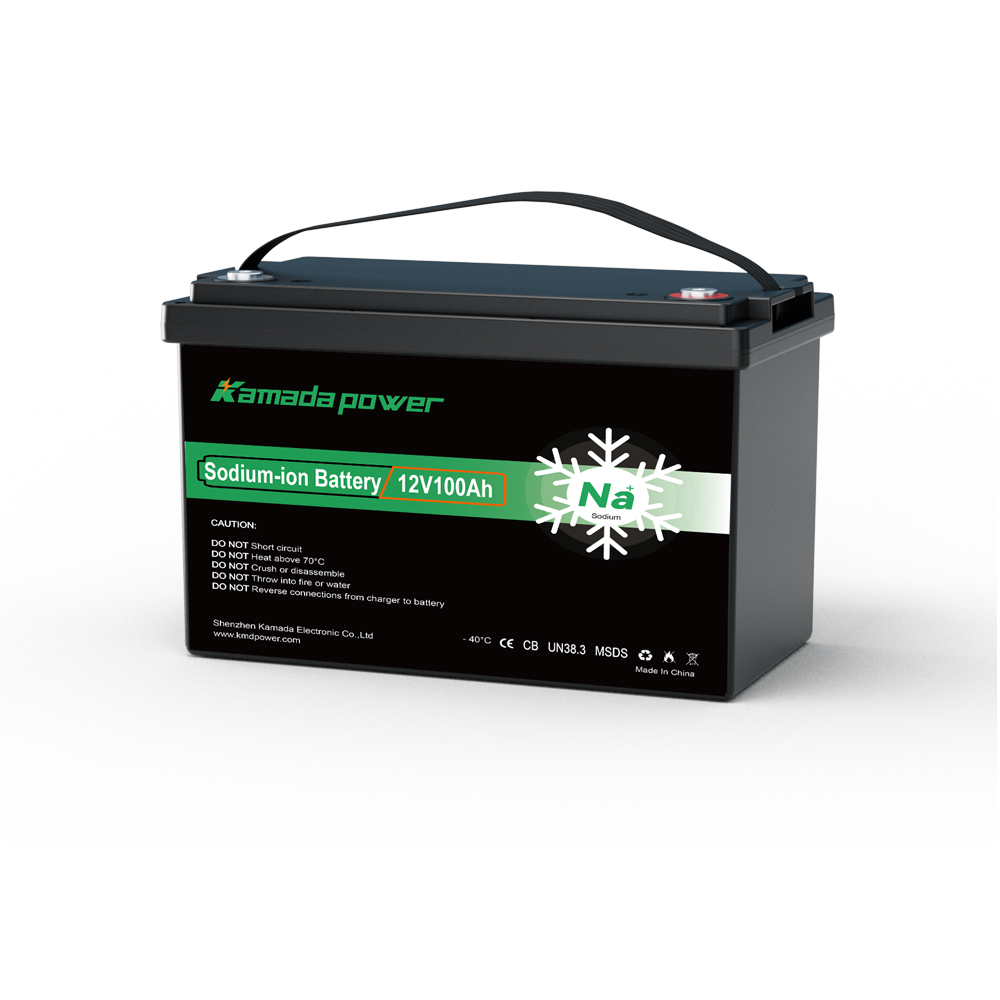
Baterai Sodium ion Kamada Power 12v 100Ah
Mengapa torsi terminal lebih penting daripada yang dipikirkan oleh banyak pemasang
Pada sistem arus rendah, koneksi yang tidak rapi mungkin tidak diketahui. Dalam sistem DC arus tinggi, biasanya tidak. Bahkan terminal baterai yang sedikit longgar akan menambah resistensi pada permukaan kontak, dan di bawah beban, resistensi ekstra tersebut dengan cepat berubah menjadi panas.
Sejak P = I²Rpeningkatan arus dapat menghasilkan panas yang cukup untuk merusak sambungan, melunakkan material di dekatnya, atau merusak blok terminal. Itulah sebabnya mengapa tiang yang meleleh atau lugs yang berubah warna sering disalahkan pada baterai ketika masalah sebenarnya adalah koneksi.
Getaran memperburuk keadaan, karena baut yang dikencangkan sedikit dapat mengendur lebih jauh dari waktu ke waktu, membuka celah yang dapat menyebabkan lengkung DC, kerusakan logam yang cepat, dan risiko kebakaran.
Sambungan yang longgar atau resistansi tinggi juga dapat memicu gangguan perjalanan BMS dengan menyebabkan penurunan tegangan secara tiba-tiba selama penyalaan inverter, sehingga BMS menginterpretasikan peristiwa tersebut sebagai arus berlebih atau korsleting. Itulah mengapa torsi yang benar bukanlah detail instalasi yang kecil. Ini adalah bagian dari keandalan sistem secara keseluruhan.
Bagan torsi terminal untuk kancing baterai M6 dan M8 dan M10
Anda harus selalu memeriksa lembar data produsen baterai terlebih dahulu. Desain ulir, bahan sisipan, panjang baut, perangkat keras yang disertakan, dan konstruksi terminal dapat bervariasi. Bagan di bawah ini hanya merupakan referensi praktis untuk banyak terminal baterai tembaga atau kuningan standar. Bagan ini tidak boleh menggantikan panduan pemasangan dari produsen baterai.
Selain itu, jangan memperlakukan perangkat keras metrik dan imperial sebagai sesuatu yang bisa dipertukarkan. M6 hanya kira-kira mendekati 1/4″, M8 hanya kira-kira mendekati 5/16″, dan M10 hanya kira-kira mendekati 3/8″. Semua itu bukan sistem ulir yang sama. Mencampur baut bisa merusak ulir, mengurangi tekanan kontak, atau membuat sambungan yang terasa kencang, tetapi sebenarnya tidak benar.
| Ukuran Terminal | Torsi Metrik | Torsi Kekaisaran | Catatan Ukuran Kabel |
|---|
| M6 (sekitar 1/4″) | 4.0-5.0 Nm | 35-45 in-lbs | Ukuran kabel harus dipilih berdasarkan arus, panjang kabel, penurunan tegangan, nilai insulasi, dan kondisi pemasangan. |
| M8 (sekitar 5/16″) | 8.0-10.0 Nm | 70-90 in-lbs | Ukuran terminal tidak secara otomatis menentukan ukuran kabel. Selalu ukur kabel untuk beban yang sebenarnya. |
| M10 (sekitar 3/8″) | 12.0-14.0 Nm | 105-125 in-lbs | Terminal yang lebih besar sering digunakan dengan kabel arus yang lebih tinggi, tetapi ukuran kabel akhir masih tergantung pada desain sistem. |
Satu hal yang perlu ditekankan: pengencangan yang berlebihan tidaklah lebih aman. Banyak orang khawatir tentang terminal yang longgar dan kemudian bersandar lebih keras pada kunci pas. Hal ini dapat mengupas benang yang lembut, merusak sisipan, atau mematahkan baut. Setelah itu terjadi, Anda tidak lagi menyelesaikan masalah koneksi. Anda mengganti perangkat keras, dan terkadang mengganti seluruh baterai. Kunci torsi yang dikalibrasi adalah alat yang tepat di sini. Menebak berdasarkan perasaan tidak tepat.
Cara mengeriting lugs kabel dengan benar untuk baterai natrium 12V
Torsi terminal yang tepat hanya membantu jika kabel lug itu sendiri baik. Jika kerutannya buruk, sambungan masih bisa menjadi terlalu panas meskipun torsi baut sudah tepat.
1. Mulailah dengan kabel dan lug yang tepat
Gunakan kabel tembaga berkualitas, idealnya tembaga yang bebas oksigen. Jika baterai akan dipasang di lingkungan yang lembab, laut, atau di luar ruangan, kabel tembaga kaleng adalah pilihan yang lebih aman karena kabel ini dapat mengatasi korosi dengan lebih baik dari waktu ke waktu.
Cocokkan kabel itu dengan kabel tembaga berdinding tebal, bukan kabel murah yang mudah berubah bentuk. Tetapi jangan memilih kabel hanya berdasarkan ukuran terminal. Ukuran kabel harus didasarkan pada arus kontinu, arus lonjakan, panjang kabel, penurunan tegangan yang dapat diterima, peringkat suhu isolasi, dan lingkungan pemasangan.
Ini bukan tempat untuk menghemat beberapa dolar. Lugs yang murah dan kabel yang terlalu kecil akan menimbulkan masalah yang mahal di kemudian hari.
2. Lepaskan isolasi dengan hati-hati
Lepaskan hanya isolasi yang cukup untuk konduktor sampai ke bagian bawah di dalam lug barrel. Jangan biarkan kelebihan tembaga terbuka, dan jangan merusak untaian konduktor saat pengupasan. Konduktor yang sobek akan mengurangi penampang efektif kabel dan melemahkan kapasitas arus dan kekuatan mekanis.
Strip yang bersih membantu kabel terpasang sepenuhnya dan membuat kerutan lebih konsisten.
Di sinilah banyak instalasi yang salah.
Crimper gaya palu dapat meratakan lug sehingga terlihat cukup baik dari luar, tetapi penampilan tidak sama dengan performa. Alat-alat ini sering meninggalkan celah di dalam laras. Celah tersebut menjebak udara dan kelembapan, dan meningkatkan resistensi.
Crimper hidraulik biasanya merupakan standar yang jauh lebih baik, karena dapat menerapkan kompresi yang lebih kuat dan lebih seragam. Tetapi alat ini saja tidak cukup. Lug, ukuran kabel, ukuran die, posisi crimp, dan jumlah crimp semuanya harus sesuai. Crimper hidraulik dengan cetakan yang salah masih bisa menghasilkan crimp yang buruk.
Kerutan yang tepat harus menciptakan sambungan kompresi yang rapat dan resistansi rendah antara konduktor dan lug barrel. Dalam istilah praktis, itu berarti resistensi yang lebih rendah, pemanasan yang lebih sedikit, dan daya tahan jangka panjang yang lebih baik.
Untuk proyek hobi, orang terkadang menerima kompromi. Untuk sistem industri, telekomunikasi, kelautan, atau off-grid, proses crimping yang tepat adalah standar yang lebih baik.
4. Tutup sambungan dengan heat shrink berlapis perekat
Setelah lug dikerutkan, tutup laras dengan pipa penyusut panas berlapis perekat dinding ganda. Ketika dipanaskan, selongsong luar menyusut dan perekat menyegel transisi antara insulasi dan lug. Hal ini membantu mencegah kelembapan, menopang kabel pada sambungan, dan memperlambat korosi dari waktu ke waktu.
Ini adalah langkah sederhana, tetapi membuat kabel yang sudah jadi lebih tahan lama dan lebih profesional.
Apakah baterai natrium-ion memerlukan sambungan kabel yang berbeda dari LiFePO4?
Dari sudut pandang kimia, natrium-ion dan LiFePO4 adalah sistem baterai yang berbeda. Dari sudut pandang pengkabelan, fundamentalnya tidak banyak berubah.
Arus masih mengalir melalui logam. Hambatan masih menimbulkan panas. Sambungan yang longgar masih gagal.
Yang bisa berubah adalah tekanan praktis pada sambungan. Banyak baterai natrium-ion 12V dipilih karena baterai ini mempertahankan kinerja pengosongan yang kuat di lingkungan dingin di mana LiFePO4 menjadi lebih terbatas. Itu berarti kabel, lug, dan antarmuka terminal mungkin perlu membawa arus yang besar bahkan dalam suhu rendah.
Sebagai contoh, baterai natrium 12V 100Ah mungkin memiliki nilai sekitar 100A kontinu pada beberapa desain, sementara versi tingkat tinggi mungkin memiliki nilai lebih dekat ke 150A atau 200A tergantung pada BMS, desain sel, batas termal, dan spesifikasi pabrikan. Setelah Anda beroperasi pada tingkat itu, cacat koneksi kecil tidak lagi menjadi "kecil". Nilai torsi yang biasa-biasa saja atau nilai torsi yang tidak akurat jauh lebih mungkin muncul sebagai panas, penurunan tegangan, atau perlindungan BMS.
Jadi, metode penyambungan pada dasarnya tidak berbeda, tetapi margin untuk pekerjaan yang ceroboh, sering kali lebih kecil.
Kesalahan pemasangan umum yang masih menyebabkan kegagalan
Bahkan pemasang yang berpengalaman pun melakukan kesalahan ini, khususnya apabila mereka bekerja dengan cepat.
Menempatkan mesin cuci di tempat yang salah
Ini adalah salah satu penyebab paling umum dari terminal baterai yang panas.
Lug tembaga harus menempel langsung pada permukaan terminal baterai. Itulah aturan utamanya. Jalur arus harus mengalir dari terminal ke lug dengan hambatan sesedikit mungkin.
Urutan yang biasa dilakukan adalah:
Terminal baterai → lug tembaga → mesin cuci datar → mesin cuci kunci atau mesin cuci split → baut
Yang tidak boleh terjadi adalah meletakkan mesin cuci stainless steel di antara terminal baterai dan lug tembaga. Jika hal itu terjadi, arus akan dipaksa melalui mesin cuci dan bukan mengalir langsung dari tembaga ke tembaga atau kuningan. Baja tahan karat memiliki ketahanan yang jauh lebih tinggi daripada tembaga, sehingga mesin cuci menjadi panas karena beban dan sambungannya mulai rusak.
Lugs aluminium pada terminal baterai tembaga atau kuningan adalah ide yang buruk, terutama di lingkungan yang basah atau lembab. Masalahnya adalah korosi galvanik. Seiring waktu, korosi meningkatkan resistensi, dan resistensi yang lebih tinggi berarti lebih banyak panas.
Untuk keandalan jangka panjang, jagalah agar bahan kontak tetap kompatibel.
Melewatkan pemeriksaan torsi ulang
Instalasi yang baru tidak selalu tetap sama setelah beberapa minggu digunakan. Tembaga dapat sedikit mengendur. Perubahan suhu menyebabkan pemuaian dan penyusutan. Peralatan yang bergerak atau bergetar dapat menggeser perangkat keras dari waktu ke waktu.
Merupakan praktik yang baik untuk memeriksa ulang torsi terminal sekitar 30 hari setelah pemasangan dan kemudian memasukkannya ke dalam perawatan berkala. Satu pemeriksaan cepat dengan kunci torsi dapat mencegah masalah servis yang jauh lebih besar di kemudian hari.
Mengatasi masalah terminal panas dan perjalanan BMS yang tiba-tiba
Jika terminal baterai natrium-ion 12V menjadi panas, atau sistem mati saat inverter, motor, pompa, kompresor, atau peralatan beban tinggi lainnya dinyalakan, jangan berasumsi bahwa sel baterai telah gagal terlebih dahulu. Periksa jalur koneksi.
| Gejala | Kemungkinan Penyebab | Apa yang Harus Diperiksa |
|---|
| Terminal menjadi panas karena beban | Baut longgar, kontak lug yang buruk, urutan mesin cuci yang salah, atau kabel yang terlalu kecil | Periksa torsi, tumpukan washer, permukaan kontak lug, dan ukuran kabel |
| Perjalanan BMS selama penyalaan inverter | Penurunan tegangan yang disebabkan oleh resistansi tinggi pada terminal atau di dalam crimp | Mengukur penurunan tegangan pada sambungan selama pengaktifan |
| Lug terlihat berubah warna atau menjadi gelap | Penumpukan panas dari hambatan kontak | Memeriksa kualitas crimp, oksidasi, torsi, dan area kontak |
| Perangkat keras terminal mengendur setelah digunakan | Getaran, siklus termal, atau gerakan kabel yang menarik terminal | Lakukan torsi ulang setelah servis awal dan tambahkan pelepas regangan kabel yang tepat |
| Kabel terasa hangat di dekat lug barrel | Kerutan yang buruk atau kabel terlalu kecil untuk beban | Potong dan kerat ulang dengan lug, die, dan ukuran kabel yang benar |
| Satu baterai di bank paralel mengalami trip lebih awal | Resistansi yang tidak merata di antara kabel atau terminal baterai | Periksa panjang kabel, kualitas lug, torsi, dan keseimbangan sambungan busbar |
| Terminal masih panas setelah torsi yang benar | Masalah mungkin terjadi di dalam lug, kabel, tumpukan mesin cuci, atau permukaan kawin | Jangan terus mengencangkan; periksa seluruh jalur arus |
Poin pentingnya sederhana: torsi hanyalah salah satu bagian dari koneksi. Sambungan terminal yang baik membutuhkan kabel yang tepat, lug yang tepat, crimp yang tepat, urutan mesin cuci yang tepat, dan torsi yang tepat.
Kesimpulan
A Baterai natrium-ion 12V dapat bekerja dengan baik untuk cuaca dingin, cadangan, RV, kelautan, atau penggunaan di luar jaringan, tetapi hanya jika koneksinya benar. Kerutan yang buruk, urutan mesin cuci yang salah, atau torsi terminal yang salah dapat menyebabkan panas dan mati.
Gunakan lug tembaga yang tepat, alat crimp, metode penyegelan, dan spesifikasi torsi dari pabrik. Banyak masalah lapangan yang hilang di sana.
Perlu bantuan untuk mencocokkan baterai natrium-ion 12V dengan aplikasi Anda? Hubungi kami untuk baterai ion natrium khusus solusi.
PERTANYAAN YANG SERING DIAJUKAN
Bagaimana jika saya tidak memiliki kunci torsi? Dapatkah saya mengencangkan terminal dengan tangan?
Ini bukan ide yang bagus. "Kencang" memiliki arti yang berbeda bagi setiap orang. Seorang pemasang membiarkan sambungannya cukup longgar untuk memanas di bawah beban, sementara pemasang lainnya mengencangkan ulirnya secara berlebihan. Untuk biaya sistem baterai, kunci torsi dasar adalah investasi kecil dan biasanya sepadan.
Dapatkah saya menggunakan kembali kabel baterai timbal-asam yang lama dengan baterai natrium?
Kadang-kadang, ya. Tetapi hanya jika kabel masih dalam kondisi baik dan ukurannya sesuai dengan arus yang akan ditarik oleh pengaturan baru Anda. Beberapa sistem baterai natrium dapat menghasilkan arus berkelanjutan yang lebih tinggi daripada sistem asam timbal yang lebih tua, tergantung pada peringkat BMS dan desain kemasannya. Jika kabel berkarat, kaku, ukurannya terlalu kecil, atau rusak akibat panas, gantilah.
Mengapa terminal masih terasa panas meskipun saya sudah mengencangkannya dengan benar?
Jika perangkat keras terminal dikencangkan sesuai spesifikasi dan koneksi masih panas, masalahnya sering kali ada di dalam lug, bukan pada bautnya. Kerutan yang buruk dapat meninggalkan rongga dan menciptakan hambatan di dalam laras. Dalam hal ini, kabel biasanya perlu dipotong kembali dan dikerutkan kembali dengan benar. Sebaiknya juga memeriksa urutan mesin cuci lagi, karena kesalahan itu mudah terlewatkan dan sangat umum terjadi.