バッテリーの問題の多くは、セル内部で始まるものではありません。接続部に現れるのです。A 12Vナトリウム電池 多くの場合、原因は単純で、圧着不良、ワッシャーの積み間違い、端子ボルトの緩みです。化学的に優れていても、接続不良は直りません。
参考までに、12Vバッテリーのインサートターミナルでよく見られる一般的なトルク範囲は以下の通りです。 M6 (1/4″):4-5 Nm (35-45 in-lbs)、 M8 (5/16″)8~10Nm(70~90インチポンド)、および M10 (3/8″):12-14 Nm (105-125 in-lbs).これらは実用的な参考範囲であり、普遍的なルールではない。バッテリーメーカーのデータシートが常に最優先されます。なぜなら、ターミナルインサートの材質、ねじの深さ、ボルトの長さ、付属のハードウェアによって、安全なトルク値が変わる可能性があるからです。
端末が加熱し続けたり、負荷がかかった状態でシステムが停止したりする場合、大抵の場合、小さな設置の細部に本当の問題がある。
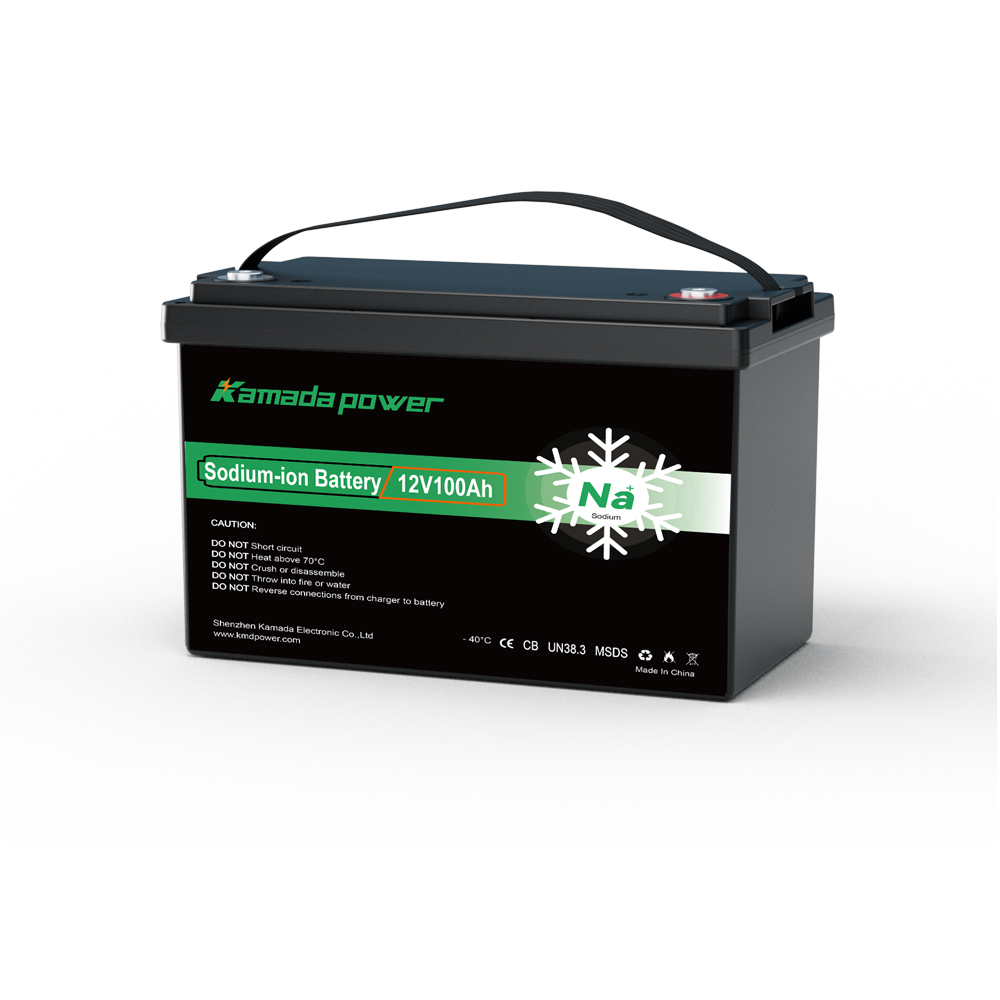
カマダパワー 12v 100Ah ナトリウムイオンバッテリー
多くのインストーラーが考えている以上にターミナル・トルクが重要な理由
低電流システムでは、ずさんな接続は気づかれないかもしれない。大電流の直流システムでは、そうならないのが普通です。バッテリー端子がわずかに緩んでいるだけでも接触面に抵抗が加わり、負荷がかかるとその余分な抵抗はすぐに熱に変わります。
以来 P = I²R電流が増加すると、接続部を損傷したり、近くの材料を軟化させたり、端子台を変形させたりするのに十分な熱が発生することがあります。ポストの溶融やラグの変色がバッテリーのせいにされることが多いのはそのためです。
わずかに締まったボルトが時間の経過とともにさらに緩み、直流アーク放電、急激な金属損傷、火災のリスクにつながる隙間が開く可能性があるため、振動はこれを悪化させる。
また、緩い接続や高抵抗の接続は、インバータ起動時に急激な電圧降下を引き起こし、BMSに過電流または短絡と解釈させることで、迷惑なBMSトリップを引き起こす可能性があります。そのため、正しいトルクは設置の些細なディテールではありません。これはシステム全体の信頼性の一部です。
M6、M8、M10バッテリースタッド用端子トルク表
バッテリーメーカーのデータシートを必ず確認してください。ネジの設計、インサートの材質、ボルトの長さ、付属の金具、端子の構造などが異なる場合があります。以下の表は、多くの標準的な銅製または真鍮製のバッテリー端子の実用的な参考資料にすぎません。バッテリーメーカーの取り付けマニュアルに優先するものではありません。
また、メートル単位とインペリアル単位の金具を互換性のあるものとして扱わないこと。M6は1/4″、M8は5/16″、M10は3/8″に近い。これらは同じスレッドシステムではありません。ボルトを混ぜると、ねじ山を傷つけたり、接触圧力を低下させたり、きつく感じるが実際には正しくない接続を作ったりする可能性があります。
| 端子サイズ | メートル トルク | インペリアル・トルク | ケーブルサイジング |
|---|
| M6(約1/4) | 4.0-5.0 Nm | 35~45インチポンド | ケーブルのサイズは、電流、ケーブルの長さ、電圧降下、絶縁定格、および設置条件によって選択する必要があります。 |
| M8(約5/16) | 8.0-10.0 Nm | 70~90インチポンド | 端子サイズによって自動的にケーブルサイズが決まるわけではありません。必ず実際の負荷に合わせてケーブルのサイズを決めてください。 |
| M10(約3/8) | 12.0-14.0 Nm | 105-125インチ・ポンド | より大きな端子は、より大電流のケーブルに使用されることが多いが、最終的なケーブルサイズはやはりシステム設計に依存する。 |
一点だけ強調しておきたいのは、締めすぎは安全ではないということだ。多くの人が端子の緩みを心配し、レンチを強く傾ける。そうすると、柔らかいネジ山が剥がれたり、インサートが変形したり、ボルトが折れたりします。そうなれば、もはや接続の問題を解決したことにはならない。ハードウェアを交換し、場合によってはバッテリー全体を交換することになります。ここでは、校正されたトルクレンチが正しいツールです。感覚で推測するのは、そうではありません。
12Vナトリウム・バッテリー用ケーブル・ラグの正しい圧着方法
適切な端子のトルクは、ケーブルラグ自体が健全である場合にのみ役立ちます。圧着不良の場合、ボルトのトルクが正確であっても、接続部がオーバーヒートする可能性があります。
1.正しいケーブルとラグから始める
高品質の銅ケーブル、理想的には無酸素銅を使用してください。バッテリーを湿気の多い場所、海上、屋外に設置する場合は、錫メッキ銅ケーブルの方が経年劣化による腐食に強いので安全です。
そのケーブルには、変形しやすい薄いバーゲンラグではなく、肉厚の銅ラグを合わせましょう。しかし、端子サイズだけでケーブルを選んではいけません。ケーブルのサイズは、連続電流、サージ電流、ケーブルの長さ、許容できる電圧降下、絶縁温度定格、設置環境などを考慮して決める必要があります。
数ドルを節約する場所ではない。安物のラグやサイズの小さいケーブルは、後で高価な問題を引き起こす。
2.断熱材を慎重に剥がす。
導体がラグ・バレルの内側に底抜けするのに十分な絶縁体のみを剥いでください。余分な裸銅を露出させたままにしたり、ストリップ中に導体素線を傷つけたりしないでください。導体に傷がつくと、ケーブルの有効断面積が減少し、電流容量と機械的強度の両方が弱くなります。
きれいなストリップは、ケーブルが完全に収まるのを助け、圧着をより安定させます。
これは多くのインストールがうまくいかないところだ。
ハンマー式クリンパーは、外見上許容できる程度にラグを平らにすることができるが、外見と性能は同じではない。これらの工具は、しばしばバレル内部に空隙を残す。その隙間は空気や湿気を閉じ込め、抵抗を増大させる。
油圧式クリンパーは、より強く、より均一な圧縮を加えることができるため、通常、はるかに優れた規格である。しかし、工具だけでは十分ではありません。ラグ、ケーブル・サイズ、ダイ・サイズ、圧着位置、圧着回数が全て一致していなければなりません。間違ったダイを使用した油圧式クリンパーでも、不良圧着が発生することがあります。
適切な圧着は、導体とラグ・バレルの間にタイトで低抵抗の圧縮接合を形成するはずです。実用的には、抵抗が低く、発熱が少なく、長期耐久性に優れていることを意味します。
趣味のプロジェクトでは、妥協することもあります。産業用、電気通信用、海洋用、オフグリッドシステム用には、適切な圧着プロセスがより良い標準です。
4.接着剤を塗った熱収縮材で接合部をシールする。
ラグの圧着が完了したら、二重壁の接着剤付き 熱収縮チューブでバレルを覆います。加熱すると、外側のスリーブが収縮し、接着剤が絶縁体とラグの間の移行部をシールします。これにより、湿気を防ぎ、接合部でケーブ ルを支え、時間の経過とともに腐食を遅らせることが できます。
簡単なことだが、これによってケーブルの耐久性が増し、プロフェッショナルな仕上がりになる。
ナトリウムイオンバッテリーはLiFePO4と異なるケーブル接続が必要ですか?
化学的には、ナトリウムイオンとLiFePO4は異なるバッテリーシステムです。配線の観点からは、基本はあまり変わりません。
電流は依然として金属を流れる。抵抗は依然として熱を生み出す。緩い接続は依然として失敗する。
変えることができるのは、接続に対する実用的なストレスである。多くの12Vナトリウムイオンバッテリーは、LiFePO4では限界がある低温環境でも強力な放電性能を維持するため選択されます。つまり、ケーブル、ラグ、端子のインターフェースは、低温でもかなりの電流を流す必要がある場合があります。
例えば、12V 100Ahのナトリウム・バッテリーは、設計によっては連続定格が100A程度になることがありますが、高率のものはBMS、セル設計、温度限界、メーカー仕様によって150Aや200Aに近い定格になることがあります。一旦そのレベルで動作すると、小さな接続不良は "小さな "ものではなくなります。平凡な圧着や不正確なトルク値は、熱、電圧降下、BMS保護として現れる可能性がはるかに高くなります。
つまり、接続方法に根本的な違いはないが、杜撰な仕事をする余地が小さくなることが多い。
故障の原因となる一般的な設置ミス
経験豊富なインストーラーでさえ、特に作業が速いときには、こうしたミスを犯すものだ。
洗濯機を間違った場所に置く
これはバッテリー端子が熱くなる最も一般的な原因のひとつです。
銅のラグはバッテリー端子の表面に直接当たるようにします。これが大原則だ。電流経路は端子からラグまで、できるだけ抵抗が少なくなるようにします。
通常の順序はこうだ:
バッテリー端子 → 銅ラグ → 平ワッシャー → ロックワッシャーまたはスプリットワッシャー → ボルト
起こってはならないのは、バッテリー端子と銅ラグとの間にステンレススチールワッシャーを入れることです。そうすると、電流が銅から銅や真鍮に直接流れるのではなく、ワッシャを通して強制的に流れます。ステンレススチールは銅よりもはるかに抵抗が高いため、負荷がかかるとワッシャーが発熱し、接続が劣化し始めます。
銅や真鍮のバッテリー端子にアルミラグを付けるのは、特に湿気の多い環境では良くない。問題はガルバニック腐食だ。時間の経過とともに腐食は抵抗を増加させ、抵抗が高いということは、より多くの熱を意味する。
長期的な信頼性を確保するためには、接点材料の互換性を保つこと。
再トルク点検の省略
新鮮な取り付けは、数週間使用した後でも常に同じ状態であるとは限りません。銅はわずかに弛むことがあります。温度変化は膨張と収縮を引き起こします。動いたり振動したりする機器は、時間の経過とともにハードウェアを移動させる可能性があります。
設置後30日前後で端子のトルクを再チェックし、定期的なメンテナンスに含めるのが良い方法です。トルクレンチを使った簡単なチェックで、後で大きな問題が発生するのを防ぐことができます。
ホットターミナルと突然のBMSトリップのトラブルシューティング
12Vナトリウムイオンバッテリーの端子が熱くなったり、インバーター、モーター、ポンプ、コンプレッサー、その他の高負荷機器が始動したときにシステムがシャットダウンしたりした場合は、まずバッテリーセルが故障したと考えないでください。接続経路を確認してください。
| 症状 | 考えられる原因 | 何をチェックすべきか |
|---|
| 負荷がかかると端子が熱くなる | ボルトの緩み、ラグの接触不良、ワッシャーの 順番間違い、ケーブルのサイズ不足 | トルク、ワッシャ・スタック、ラグ接触面、ケーブルのサイジングをチェックする |
| インバータ起動時にBMSがトリップ | 端子または圧着部の高抵抗による電圧降下 | 始動時の接続部の電圧降下を測定する。 |
| ラグが変色または黒ずんで見える | 接触抵抗による発熱 | 圧着品質、酸化、トルク、接触面積の検査 |
| 使用後に端子金具が緩む | 振動、熱サイクル、ケーブルの動きによる端子への引っ張り | 初回整備後に増し締めを行い、適切なケーブルのストレインリリーフを追加する。 |
| ケーブルがラグ・バレル付近で温かく感じる | 圧着不良、または負荷に対してケーブルが小さすぎる。 | 正しいラグ、ダイス、ケーブル・サイズで切り返し、再圧着する。 |
| パラレルバンクの1つのバッテリーが先にトリップ | バッテリーケーブルまたは端子間の抵抗が不均一 | ケーブルの長さ、ラグの品質、トルク、バスバー接続のバランスをチェックする |
| 正しいトルクをかけても端子が熱くなる | ラグ、ケーブル、ワッシャースタック、または嵌合面の内部に問題がある可能性がある。 | 締め続けず、電流経路全体を点検すること。 |
重要なポイントは単純で、トルクは接続の一部分に過ぎないということです。良い端子接続には、正しいケーブル、正しいラグ、正しい圧着、正しいワッシャーの順番、そして正しいトルクが必要です。
結論
A 12Vナトリウムイオンバッテリー は、寒冷地、バックアップ、RV、船舶、オフグリッドでの使用に適していますが、接続が適切である場合に限ります。圧着不良、ワッシャーの順番間違い、端子のトルク不良は、発熱やシャットダウンの原因となります。
正しい銅ラグ、圧着工具、シーリング方法、メーカーのトルク仕様を使用してください。多くの現場での問題はそこで解決します。
12Vナトリウムイオンバッテリーとお客様のアプリケーションのマッチングにお困りですか? お問い合わせ に対して カスタムナトリウムイオン電池 解決策だ。
よくあるご質問
トルクレンチがない場合は?手で端子を締め付けることはできますか?
それは良い考えではない。"手締め "は人によって意味が違う。あるインストーラーは、負荷がかかると発熱するほど接続を緩めたままにし、別のインストーラーは締めすぎてネジ山を剥がします。バッテリーシステムにかかる費用からすれば、基本的なトルクレンチは小さな投資であり、通常はそれだけの価値がある。
古い鉛バッテリーのケーブルをナトリウムバッテリーで再利用できますか?
そうですね。ただし、ケーブルの状態がまだ良好で、新しいセットアップで使用する電流に適したサイズである場合に限ります。ナトリウム・バッテリー・システムの中には、BMSの定格やパックの設計によっては、古い鉛蓄電池システムよりも高い持続電流を供給できるものもあります。ケーブルが腐食していたり、硬かったり、サイズが小さかったり、熱で損傷している場合は交換してください。
正しいトルクで締めたにもかかわらず、ターミナルが熱くなっているのはなぜですか?
端子金具が仕様通りに締め付けられているにもかかわらず接続部が熱くなる場合、問題はボルトではなくラグ内部にあることが多い。圧着不良により空洞ができ、バレル内部に抵抗が生じます。その場合、ケーブルを切り戻し、適切に圧着し直す必要があります。また、ワッシャーの順番をもう一度チェックする価値があります。