Mnohé problémy s batériou nezačínajú vo vnútri článkov. Prejavujú sa na pripojení. A 12 V sodíková batéria môžu vyzerať v poriadku, ale potom pri zaťažení zlyhajú: horúce svorky, výpadky systému alebo spustenie BMS.Veľmi často je príčina jednoduchá: zlé krimpovanie, nesprávne uloženie podložky alebo uvoľnená svorka. Dobrá chémia zlé spojenie nespraví.
Pre rýchlu orientáciu, bežné rozsahy krútiaceho momentu, s ktorými sa často stretávame na vkladacích svorkách 12V batérie, sú M6 (1/4″): 4-5 Nm (35-45 in-lbs), M8 (5/16″): 8-10 Nm (70-90 in-lbs) a M10 (3/8″): 12-14 Nm (105-125 in-lbs). Ide o praktické referenčné rozsahy, nie o univerzálne pravidlo. Na prvom mieste je vždy technický list výrobcu batérie, pretože materiál svorkovnice, hĺbka závitu, dĺžka skrutky a dodávaný hardvér môžu zmeniť hodnotu bezpečného krútiaceho momentu.
Ak sa terminál neustále zahrieva alebo systém pri záťaži vypadáva, skutočný problém je zvyčajne v drobných detailoch inštalácie.
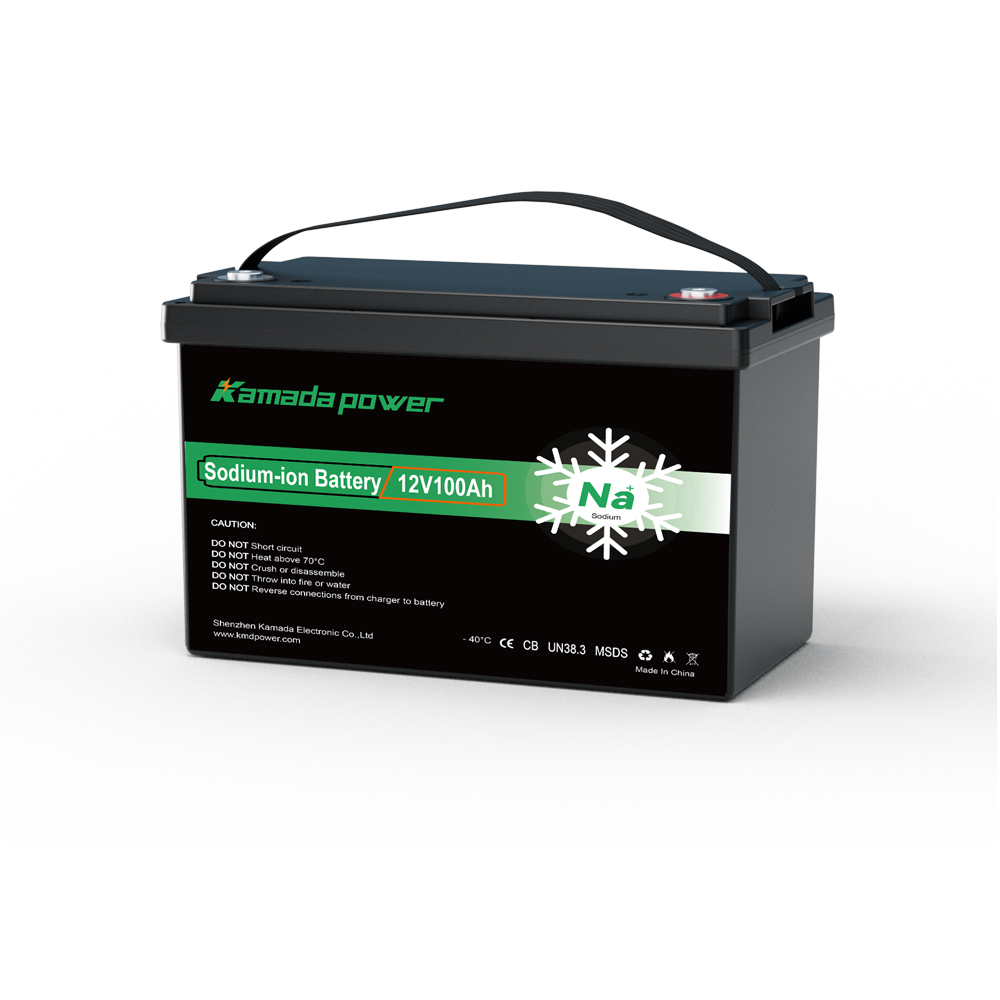
Kamada Power 12V 100Ah sodíkovo iónová batéria
Prečo je krútiaci moment svoriek dôležitejší, ako si mnohí inštalatéri myslia
V slaboprúdových systémoch môžu nedbalé spoje zostať nepovšimnuté. Vo vysokoprúdových jednosmerných systémoch zvyčajne nie. Dokonca aj mierne uvoľnená svorka batérie zvyšuje odpor na povrchu kontaktu a pri zaťažení sa tento dodatočný odpor rýchlo mení na teplo.
Keďže P = I²R, môže nárast prúdu vyprodukovať dostatočné množstvo tepla na poškodenie spoja, zmäkčenie okolitého materiálu alebo deformáciu svorkovnice. Preto sa roztavené stĺpiky alebo vyblednuté koncovky často dávajú za vinu batérii, hoci skutočným problémom je pripojenie.
Vibrácie to ešte zhoršujú, pretože mierne utiahnutá skrutka sa môže časom ešte viac uvoľniť, čím vznikne medzera, ktorá môže viesť k vzniku jednosmerného elektrického oblúka, rýchlemu poškodeniu kovu a riziku požiaru.
Voľné alebo vysokoodporové spoje môžu tiež vyvolať nepríjemné spúšťanie BMS tým, že spôsobia náhly pokles napätia počas spustenia meniča, čím BMS interpretuje udalosť ako nadprúd alebo skrat. Preto správny krútiaci moment nie je zanedbateľným detailom inštalácie. Je súčasťou celkovej spoľahlivosti systému.
Tabuľka krútiaceho momentu pre svorky batérie M6 a M8 a M10
Vždy by ste si mali najprv pozrieť technický list výrobcu batérie. Konštrukcia závitu, materiál vložky, dĺžka skrutky, dodávaný hardvér a konštrukcia svoriek sa môžu líšiť. Nižšie uvedená tabuľka je len praktickým odkazom pre mnohé štandardné medené alebo mosadzné svorky batérií. Nemala by byť nadradená inštalačnému manuálu výrobcu batérie.
Taktiež nepovažujte metrický a imperiálny hardvér za zameniteľný. M6 sa len približne približuje 1/4", M8 sa len približne približuje 5/16" a M10 sa len približne približuje 3/8". Nie sú to rovnaké systémy závitov. Miešanie skrutiek môže poškodiť závity, znížiť prítlak alebo vytvoriť spoj, ktorý sa zdá byť tesný, ale v skutočnosti nie je správny.
| Veľkosť terminálu | Metrický krútiaci moment | Imperiálny krútiaci moment | Poznámka k dimenzovaniu káblov |
|---|
| M6 (približne 1/4") | 4,0-5,0 Nm | 35-45 in-lbs | Veľkosť kábla sa musí zvoliť podľa prúdu, dĺžky kábla, poklesu napätia, menovitej izolácie a podmienok inštalácie. |
| M8 (približne 5/16″) | 8,0-10,0 Nm | 70-90 in-lbs | Veľkosť svorky automaticky nerozhoduje o veľkosti kábla. Kábel vždy dimenzujte podľa skutočného zaťaženia. |
| M10 (približne 3/8″) | 12,0-14,0 Nm | 105-125 in-lbs | Väčšie svorky sa často používajú pri kábloch s vyšším prúdom, ale konečná veľkosť kábla stále závisí od konštrukcie systému. |
Treba zdôrazniť jednu vec: nadmerné uťahovanie nie je bezpečnejšie. Mnohí ľudia sa obávajú uvoľnených svoriek a potom sa jednoducho silnejšie oprú o kľúč. To môže strhnúť mäkké závity, zdeformovať vložku alebo zlomiť skrutku. Keď sa to stane, už neriešite problém s pripojením. Vymieňate hardvér a niekedy aj celú batériu. Kalibrovaný momentový kľúč je tu tým správnym nástrojom. Hádanie podľa pocitu nie je vhodné.
Ako správne krimpovať káblové oká pre 12 V sodíkové batérie
Správny krútiaci moment svoriek pomáha len vtedy, ak je samotné káblové oko v poriadku. Ak je krimpovanie zlé, spoj sa môže prehrievať, aj keď je krútiaci moment skrutky presne v poriadku.
1. Začnite správnym káblom a koncovkou
Používajte kvalitný medený kábel, ideálne z bezkyslíkatej medi. Ak bude batéria inštalovaná vo vlhkom, morskom alebo vonkajšom prostredí, bezpečnejšou voľbou je pocínovaný medený kábel, pretože časom lepšie odoláva korózii.
Kábel porovnajte s medenou koncovkou so silnou stenou, nie s tenkou koncovkou, ktorá sa príliš ľahko deformuje. Kábel však nevyberajte len podľa veľkosti koncovky. Veľkosť kábla by mala vychádzať z trvalého prúdu, nárazového prúdu, dĺžky vedenia kábla, prijateľného úbytku napätia, teplotného hodnotenia izolácie a prostredia inštalácie.
Toto nie je miesto, kde môžete ušetriť pár dolárov. Lacné koncovky a poddimenzovaný kábel neskôr spôsobia drahé problémy.
2. Opatrne odizolujte izoláciu
Odstráňte len toľko izolácie, aby vodič mohol byť na dne v hlavni koncovky. Nenechávajte prebytočnú holú meď odkrytú a nepoškodzujte vlákna vodiča pri odstraňovaní izolácie. Poškodený vodič zmenšuje účinný prierez kábla a oslabuje prúdovú kapacitu aj mechanickú pevnosť.
Čistý prúžok pomáha káblu úplne dosadnúť a zabezpečuje konzistentnejšie krimpovanie.
Práve tu sa veľa inštalácií pokazí.
Kladivkové lisovacie zariadenie môže sploštiť koncovku natoľko, že zvonku vyzerá prijateľne, ale vzhľad nie je to isté ako výkon. Tieto nástroje často zanechávajú vo vnútri hlavne dutiny. Tieto medzery zachytávajú vzduch a vlhkosť a zvyšujú odpor.
Hydraulické lisovacie zariadenie je zvyčajne oveľa lepším štandardom, pretože dokáže vyvinúť silnejší a rovnomernejší tlak. Samotný nástroj však nestačí. Musia sa zhodovať koncovka, veľkosť kábla, veľkosť matrice, poloha lisovania a počet lisov. Hydraulická krimpovacia kliešť s nesprávnou lisovacou matricou môže stále vytvoriť zlé krimpovanie.
Správne krimpovanie by malo vytvoriť tesný kompresný spoj s nízkym odporom medzi vodičom a koncovkou. V praxi to znamená nižší odpor, menšie zahrievanie a lepšiu dlhodobú životnosť.
Pri hobby projektoch ľudia niekedy prijímajú kompromisy. Pre priemyselné, telekomunikačné, námorné alebo off-grid systémy je lepším štandardom správny proces krimpovania.
4. Spoj utesnite zmršťovacím lepidlom
Po zalisovaní koncovky zakryte hlaveň dvojstennou zmršťovacou bužírkou s lepiacou vrstvou. Po zahriatí sa vonkajšia objímka zmrští a lepidlo utesní prechod medzi izoláciou a koncovkou. To pomáha udržať vlhkosť, podporuje kábel v mieste spoja a časom spomaľuje koróziu.
Je to jednoduchý krok, ale vďaka nemu je hotový kábel odolnejší a profesionálnejší.
Potrebujú sodíkovo-iónové batérie iné káblové pripojenia ako LiFePO4?
Z chemického hľadiska sú sodíkovo-iónové a LiFePO4 batérie odlišné systémy. Z hľadiska zapojenia sa základy veľmi nemenia.
Prúd stále preteká kovom. Odpor stále vytvára teplo. Voľné spoje stále zlyhávajú.
Čo sa môže zmeniť, je praktický dôraz na pripojenie. Mnohé 12 V sodíkovo-iónové batérie sa vyberajú preto, lebo si zachovávajú silný vybíjací výkon v chladnom prostredí, kde sa LiFePO4 stáva obmedzenejším. To znamená, že kábel, koncovka a svorkové rozhranie môžu musieť prenášať značný prúd aj pri nízkych teplotách.
Napríklad 12 V 100 Ah sodíková batéria môže byť v niektorých konštrukciách dimenzovaná na približne 100 A nepretržite, zatiaľ čo verzie s vysokou rýchlosťou môžu byť dimenzované na 150 A alebo 200 A v závislosti od BMS, konštrukcie článku, tepelných limitov a špecifikácie výrobcu. Keď pracujete na takejto úrovni, malé poruchy pripojenia prestávajú byť "malé". Priemerné zovretie alebo nepresná hodnota krútiaceho momentu sa oveľa pravdepodobnejšie prejavia ako teplo, pokles napätia alebo ochrana BMS.
Spôsob pripojenia sa teda zásadne nelíši, ale priestor pre nedbalú prácu je často menší.
Bežné chyby pri inštalácii, ktoré stále spôsobujú poruchy
Tieto chyby robia aj skúsení montážnici, najmä ak pracujú rýchlo.
Umiestnenie podložky na nesprávne miesto
Je to jedna z najčastejších príčin horúcich svoriek batérie.
Medená koncovka by sa mala nachádzať priamo na povrchu pólu batérie. To je hlavné pravidlo. Prúdová cesta by mala viesť od svorky k výstupku s čo najmenším odporom.
Obvyklé poradie je:
Pól batérie → medené oko → plochá podložka → poistná podložka alebo delená podložka → skrutka
Čo by sa nemalo stať, je vloženie podložky z nehrdzavejúcej ocele medzi svorku batérie a medené oko. Ak sa tak stane, prúd sa pretlačí cez podložku namiesto toho, aby tiekol priamo z medi do medi alebo mosadze. Nerezová oceľ má oveľa väčší odpor ako meď, takže podložka sa pri zaťažení zahrieva a spoj sa začne kaziť.
Hliníkové koncovky na medených alebo mosadzných svorkách batérie sú zlým nápadom, najmä vo vlhkom alebo mokrom prostredí. Problémom je galvanická korózia. Časom korózia zvyšuje odpor a vyšší odpor znamená viac tepla.
Pre dlhodobú spoľahlivosť udržiavajte kontaktné materiály kompatibilné.
Vynechanie opätovných kontrol krútiaceho momentu
Čerstvá inštalácia nezostáva vždy rovnaká ani po niekoľkých týždňoch prevádzky. Meď sa môže mierne uvoľniť. Teplotné zmeny spôsobujú rozťahovanie a zmršťovanie. Zariadenia, ktoré sa pohybujú alebo vibrujú, môžu časom posunúť hardvér.
Dobrým postupom je skontrolovať krútiaci moment svoriek približne 30 dní po inštalácii a potom ho zahrnúť do pravidelnej údržby. Jedna rýchla kontrola momentovým kľúčom môže zabrániť neskorším väčším servisným problémom.
Riešenie problémov s horúcimi svorkami a náhlymi spusteniami BMS
Ak sa pól 12 V sodíkovej batérie zahreje alebo sa systém vypne, keď sa spustí menič, motor, čerpadlo, kompresor alebo iné zariadenie s vysokou záťažou, nepredpokladajte, že najskôr zlyhali články batérie. Skontrolujte cestu pripojenia.
| Symptóm | Pravdepodobná príčina | Čo treba skontrolovať |
|---|
| Terminál sa pri zaťažení zahrieva | Uvoľnená skrutka, zlý kontakt oka, nesprávne poradie podložky alebo poddimenzovaný kábel | Skontrolujte krútiaci moment, zásobník podložiek, kontaktnú plochu oka a veľkosť kábla |
| Spustenie BMS počas spustenia meniča | Prehnutie napätia spôsobené vysokým odporom na svorke alebo vo vnútri krimpovania | Meranie poklesu napätia na pripojení počas spúšťania |
| Úchyt vyzerá odfarbený alebo stmavnutý | Hromadenie tepla z kontaktného odporu | Kontrola kvality lisovania, oxidácie, krútiaceho momentu a kontaktnej plochy |
| Hardvér terminálu sa po použití uvoľní | Vibrácie, tepelné cykly alebo pohyb kábla ťahajúceho za svorku | Po prvom servise opätovne utiahnite a pridajte správne odľahčenie kábla od pnutia |
| Kábel je teplý v blízkosti koncovky | Zlé krimpovanie alebo príliš malý kábel pre záťaž | Odstrihnite a znovu zlisujte správne koncovky, matrice a veľkosť kábla |
| Jedna batéria v paralelnej banke sa spustí skôr | Nerovnomerný odpor medzi káblami alebo svorkami batérie | Skontrolujte dĺžku kábla, kvalitu koncoviek, krútiaci moment a vyváženosť pripojenia prípojníc |
| Svorka sa po správnom krútiacom momente stále zahrieva | Problém môže byť vo vnútri koncovky, kábla, súboru podložiek alebo na spájacom povrchu. | Neustále uťahujte; skontrolujte celú dráhu prúdu |
Dôležitá je jednoduchá vec: krútiaci moment je len jednou časťou spojenia. Dobré pripojenie svoriek potrebuje správny kábel, správne koncovky, správny krimpovací mechanizmus, správne poradie podložiek a správny krútiaci moment.
Záver
A 12 V sodíkovo-iónová batéria môže dobre fungovať v chladnom počasí, pri zálohovaní, v obytných automobiloch, na lodiach alebo mimo siete, ale len v prípade správneho pripojenia. Zlé krimpovanie, nesprávne poradie podložiek alebo nesprávny krútiaci moment svoriek môže spôsobiť zahrievanie a vypínanie.
Používajte správne medené koncovky, lisovací nástroj, spôsob tesnenia a špecifikáciu krútiaceho momentu výrobcu. Mnohé problémy v teréne tým zmiznú.
Potrebujete pomôcť s výberom 12V sodíkovo-iónové batérie pre vašu aplikáciu? Kontaktujte nás pre vlastné sodíkové iónové batérie riešenie.
ČASTO KLADENÉ OTÁZKY
Čo ak nemám momentový kľúč? Môžem svorku utiahnuť ručne?
Nie je to dobrý nápad. "Pevná ruka" znamená pre rôznych ľudí rôzne veci. Jeden inštalatér nechá spoj dostatočne voľný, aby sa pri záťaži zahrial, zatiaľ čo iný nadmerným uťahovaním strhne závity. Pri cene batériového systému je základný momentový kľúč malou investíciou a zvyčajne sa oplatí.
Môžem opätovne použiť staré káble olovenej batérie so sodíkovou batériou?
Niekedy áno. Ale len vtedy, ak je kábel stále v dobrom stave a je skutočne dimenzovaný na prúd, ktorý bude vaša nová zostava odoberať. Niektoré systémy sodíkových batérií môžu dodávať vyšší trvalý prúd ako staršie olovené systémy, v závislosti od ich BMS a konštrukcie balíka. Ak je kábel skorodovaný, tuhý, poddimenzovaný alebo poškodený teplom, vymeňte ho.
Prečo sa svorka stále zahrieva, aj keď som ju správne utiahol?
Ak je hardvér svorky utiahnutý podľa špecifikácie a spojenie je stále horúce, problém je často skôr vo vnútri koncovky ako v skrutke. Zlé krimpovanie môže zanechať dutiny a vytvoriť odpor vo vnútri hlavne. V takom prípade je zvyčajne potrebné kábel skrátiť a znovu správne zlisovať. Oplatí sa tiež znovu skontrolovať poradie podložiek, pretože táto chyba sa dá ľahko prehliadnuť a je veľmi častá.