How to Choose the Best Pontoon Boat Battery
|

How to Choose the Best Pontoon Boat Battery

How to Choose the Best Pontoon Boat Battery. Imagine it’s 4:00 PM at the sandbar. After hours of blasting music and running the cooler, you turn the key and hear a hollow click. This happens because pontoons behave less like performance boats and more like floating living rooms. You aren’t just powering a prop; you’re powering…

48V Sodium-Ion Compatibility Guide: Deye Victron & More
|

48V Sodium-Ion Compatibility Guide: Deye Victron & More

There is nothing worse than a “Communication Fault” alarm on a remote job site. For solar installers adopting rising Sodium-Ion technology, inverter compatibility is often the biggest hesitation. You need equipment that simply “talks” to each other without hours of debugging. At Kamada Power, we engineered our 48V 10kWh Sodium-Ion Battery to eliminate this headache. Featuring an…

IP56 vs. IP65 vs. IP66: Choosing the Right Waterproof Battery for Marine and Outdoor Use
|

IP56 vs. IP65 vs. IP66: Choosing the Right Waterproof Battery for Marine and Outdoor Use

IP56 vs. IP65 vs. IP66: Choosing the Right Waterproof Battery for Marine and Outdoor Use. You’ve finally upgraded to high-performance LiFePO4, but one coastal storm or a high-pressure deck washdown can turn that ROI into a “dead-on-arrival” BMS code. From the North Sea to the outback, we’ve learned that a battery is only as good…

Why Choose Sodium Ion Battery for Traffic VMS Backup
|

Why Choose Sodium Ion Battery for Traffic VMS Backup

Why Choose Sodium Ion Battery for Traffic VMS Backup. Picture a snowy interchange. The grid flickers, signals go dark, and traffic turns into dangerous chaos. For agencies, this isn’t just a technical glitch—it triggers missed SLAs, emergency truck rolls, and public scrutiny. Unattended outdoor infrastructure faces immense pressure to “just work” in the harshest conditions….

12V 100Ah Sodium-Ion Battery vs. Lead-Acid for Remote Monitoring Systems
|

12V 100Ah Sodium-Ion Battery vs. Lead-Acid for Remote Monitoring Systems

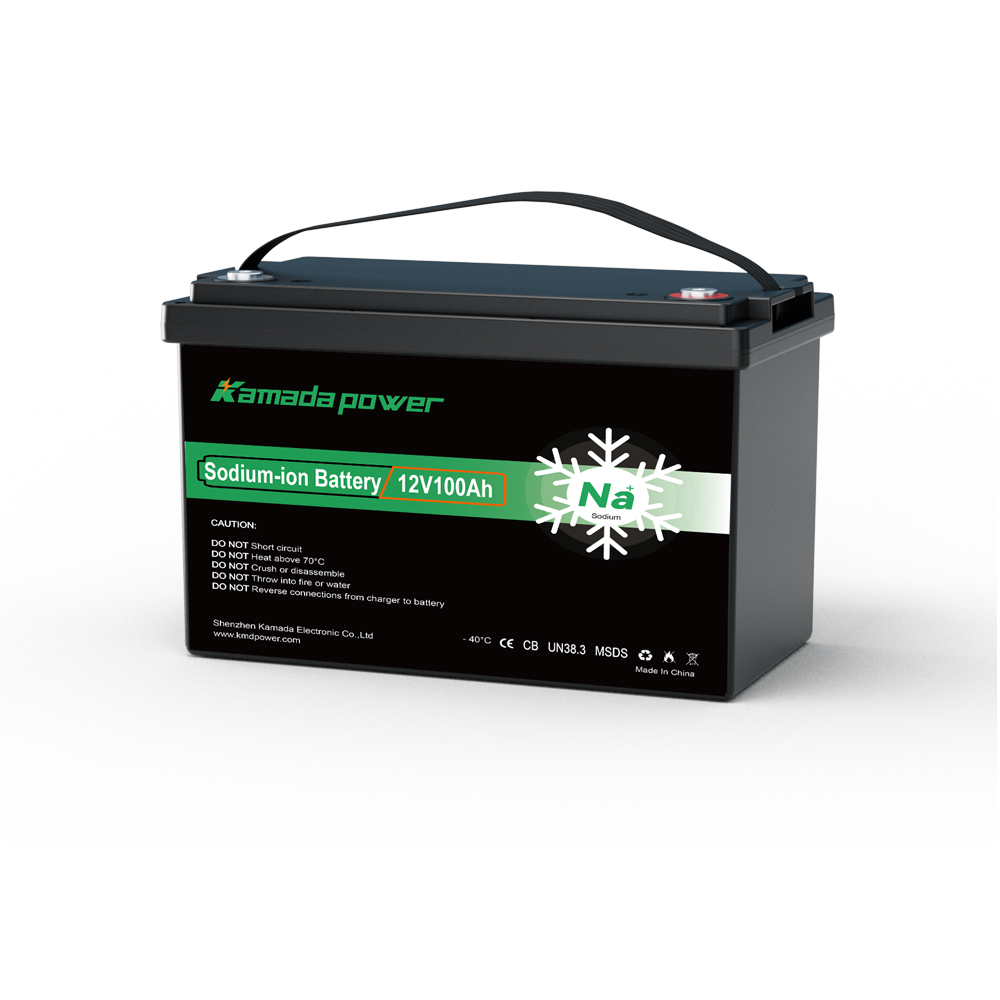
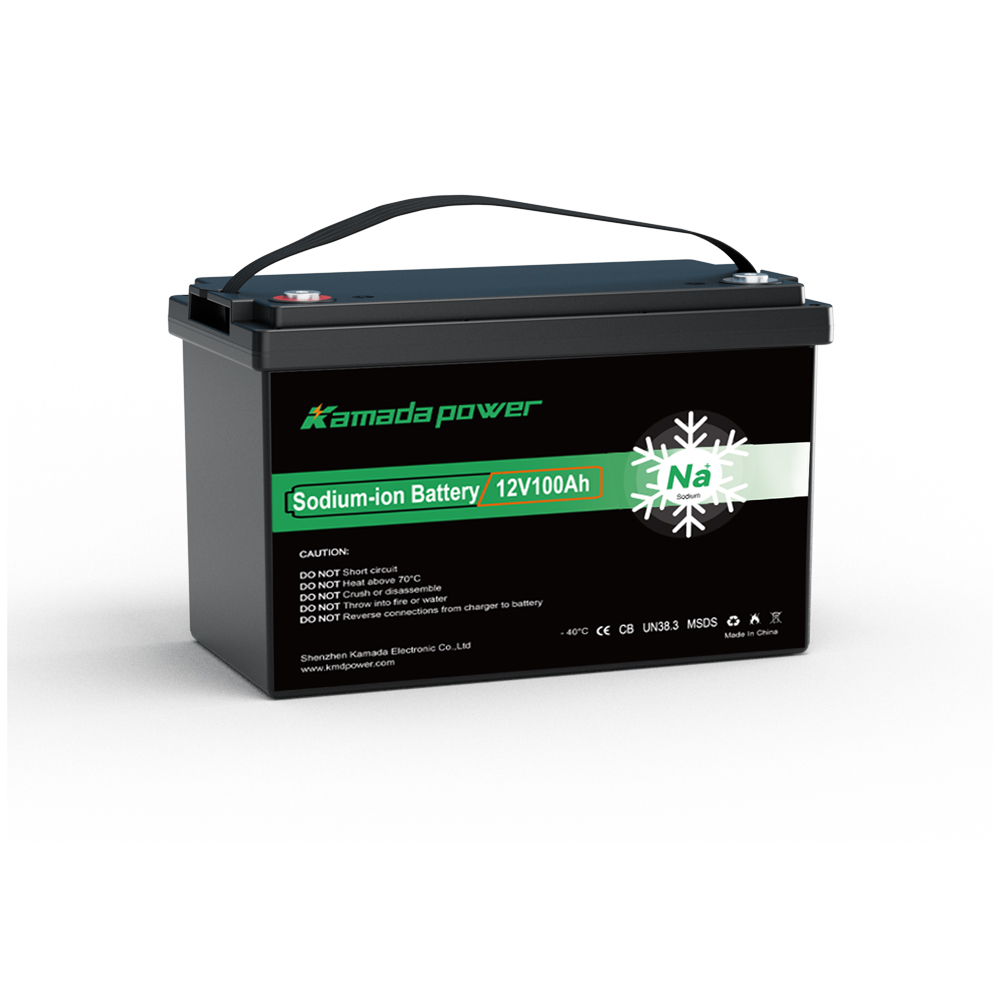
12V 100Ah Sodium-Ion Battery vs. Lead-Acid for Remote Monitoring Systems. That 7 AM alert is a familiar sound for any field engineer. You already know the cause: a lead-acid battery froze solid. Again. For years, the 12V 100Ah lead-acid has been the industry’s default “AA battery.” It’s cheap, it’s available, and it’s what we’ve always…

Sodium-Ion vs. Solid-State Batteries: The Future of Telecom Backup Power?
|

Sodium-Ion vs. Solid-State Batteries: The Future of Telecom Backup Power?

Sodium-Ion vs. Solid-State Batteries: The Future of Telecom Backup Power? Picture this: You’re reviewing OpEx budgets, watching VRLA maintenance costs rise while LFP supply chains remain volatile. You need a “Next Gen” solution that protects your bottom line, not just keeps the lights on. Walking the trade show floors, the hype is loud: Sodium-Ion vs. Solid-State. But as…

Low-Temperature Performance: Sodium Ion vs LFP for Outdoor Monitoring Equipment
|

Low-Temperature Performance: Sodium Ion vs LFP for Outdoor Monitoring Equipment

Low-Temperature Performance: Sodium Ion vs LFP for Outdoor Monitoring Equipment. It’s a familiar story for procurement officers: your solar-powered LFP systems work flawlessly in July, only to go dark when the first winter freeze hits. You aren’t facing an equipment breakdown; you’re battling the hard “Cold Charging Limit” of standard Lithium, which physically cannot accept…

Which Is Safer for Unattended Operation: Sodium-Ion or Lithium Battery?
|

Which Is Safer for Unattended Operation: Sodium-Ion or Lithium Battery?

Which Is Safer for Unattended Operation: Sodium-Ion or Lithium Battery? “Set it and forget it” is the dream for remote power systems, but the lingering nightmare for industrial engineers is thermal runaway. When a battery fails at an unmanned telecom tower or monitoring buoy, it’s a total loss—a far cry from a contained incident in…

Is Sodium-Ion Better Than LFP for Base Station Power in Hot Regions?
|

Is Sodium-Ion Better Than LFP for Base Station Power in Hot Regions?

Is Sodium-Ion Better Than LFP for Base Station Power in Hot Regions? Imagine a remote 5G base station in the Arizona desert, its AC screaming just to keep the LFP batteries from cooking. Then, the compressor fails. The site goes dark. You’re now looking at an expensive emergency truck roll—a nightmare scenario for any telecom…

Sodium-Ion Battery vs LFP for Solar: Stability or Energy Density?
|

Sodium-Ion Battery vs LFP for Solar: Stability or Energy Density?

Sodium-Ion Battery vs LFP for Solar: Stability or Energy Density? Picture this: It’s freezing, and your LFP battery bank has stopped charging—its classic Achilles’ heel. For years, LFP has been the undisputed king of industrial storage.But now, a new challenger is entering the procurement conversation: Sodium-ion (Na-ion). For application engineers, the choice isn’t just about…

How to Determine the Right Battery Size for Your Home in Australia
|

How to Determine the Right Battery Size for Your Home in Australia

How to Determine the Right Battery Size for Your Home in Australia. Investing in a home energy storage battery marks a massive step towards cutting the cord with big energy companies and smashing those quarterly bills. But here is the tricky part: picking the right size. It is the single most critical decision you will…