Čína mení spôsob uplatňovania spotrebnej dane na viaceré technológie batérií, pričom sodíko-iónovým batériám poskytuje dočasnú výnimku platnú do konca roka 2028.
Podľa oficiálne oznámenie čínskeho ministerstva financií, Generálneho colného úradu a Štátnej daňovej správy, Na lítium-iónové batérie sa od 1. septembra 2026 bude vzťahovať spotrebná daň vo výške 2%, ktorá sa od 1. septembra 2027 zvýši na 4%. Sodíkové batérie naopak zostanú oslobodené od dane až do 31. decembra 2028.
Pre spoločnosti, ktoré posudzujú sodíkovo-iónová technológia, stojí za to sledovať rozdiely v zdanení. Dôležitejšie však je, čo táto politika vypovedá o štandardizácii, testovaní a prechode od novej chemickej zložky batérií k komerčne etablovaným výrobkom.
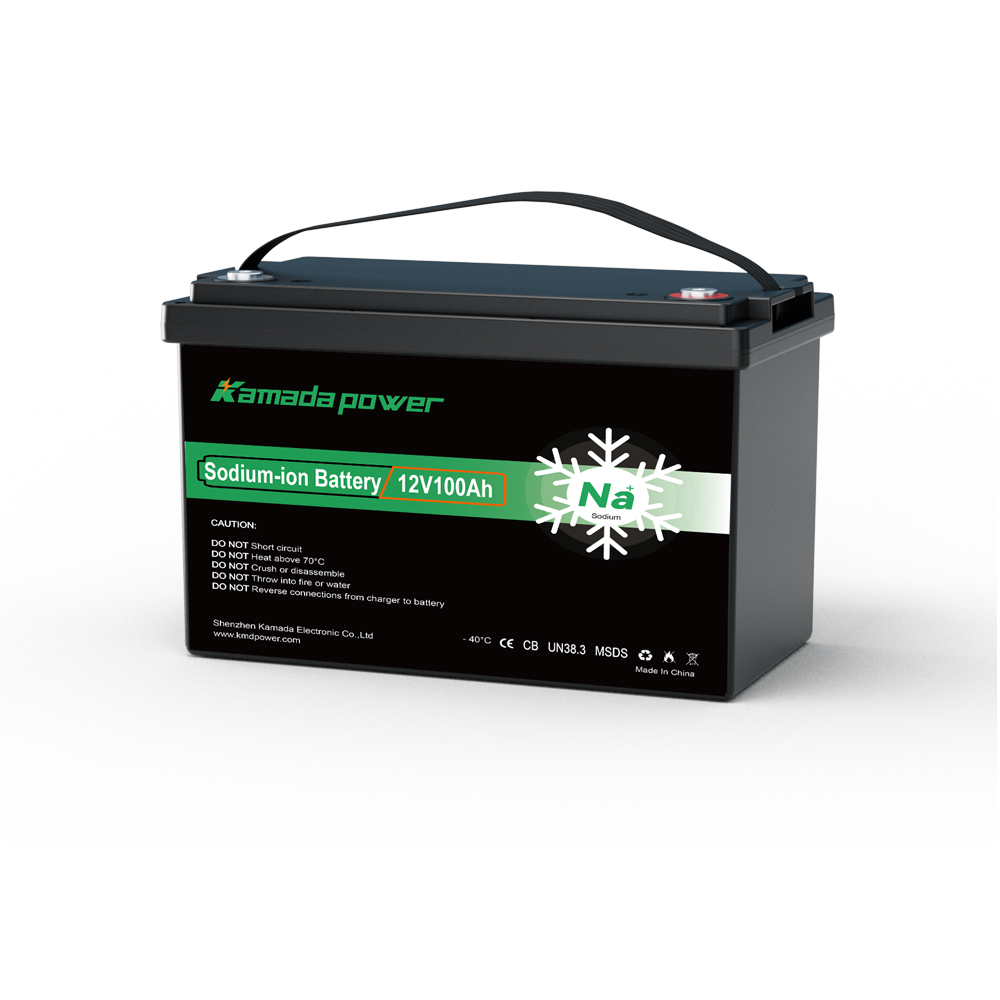
Kamada Power 12V 100Ah sodíkovo iónová batéria
Lítium-iónové vs. sodík-iónové batérie: Zmeny v zdaňovaní v skratke
Stránka nová politika bola uverejnená v júli 2026 a nadobúda účinnosť 1. septembra 2026. Rozdiel medzi lítium-iónovými a sodíkovo-iónové batérie sa dá jasne zhrnúť takto:
| Dátum | Lítium-iónové batérie | Sodíkovo-iónové batérie |
|---|
| Od 1. septembra 2026 | 2% | 0% — oslobodené |
| Od 1. septembra 2027 | 4% | 0% — oslobodené |
| Do 31. decembra 2028 | 4% | 0% — oslobodené |
Sadzby 2% a 4% sa vzťahujú aj na niekoľko ďalších špecifikovaných kategórií batérií, vrátane primárnych lítiových batérií, niklovo-metalhydridových batérií a vanádiových redoxných prietokových batérií. Sodíko-iónové batérie, batérie v pevnom stave a palivové články podliehajú dočasnej výnimke do konca roka 2028.
To vedie k zreteľnému rozdielu v daňovom zaobchádzaní s lítium-iónovými a sodíkovo-iónovými batériami v dôležitej fáze komercializácie sodíkovo-iónových batérií.
Znamená porovnanie modelov 0% a 4%, že model Sodium-Ion 4% bude lacnejší?
Nie. Pre zákazníkov je to dôležité rozlíšenie.
Tieto percentuálne podiely sa vzťahujú na Čínska spotrebná daň, nie však zaručené zníženie konečnej ceny, ktorú zaplatí zahraničný zákazník. Rozdiel v dani vo výške štyroch percentuálnych bodov by sa preto nemal prezentovať ako výhoda v nákupnej cene 4%.
Konečná cena batérií stále závisí od nákladov na články, objemu výroby, konštrukcie systému riadenia batérií (BMS) a puzdra, certifikácie, logistiky, požiadaviek projektu a ďalších komerčných faktorov. Táto politika by sa mala chápať skôr ako zmena komerčného prostredia v súvislosti s sodíkovo-iónovými batériami než ako priama zľava pre zákazníkov.
Ión sodíka je v novom rámci výslovne definovaný
Táto politika ide nad rámec jednoduchého udelenia dočasnej výnimky pre sodíko-iónové batérie. Jej príloha s oficiálnou klasifikáciou batérií konkrétne zahŕňa a definuje sodíko-iónové batérie v rámci rámca pre dobíjateľné batérie.
V dokumente je sodíková batéria definovaná ako zariadenie, ktoré premieňa chemickú a elektrickú energiu prostredníctvom pohybu iónov sodíka medzi kladnou a zápornou elektródou. Lítium-iónové batérie sú definované podobným spôsobom na základe pohybu iónov lítium.
Pre zákazníkov nie je samotná technická definícia tým najdôležitejším. Dôležité je, že sodíkové batérie sú v rámci nového regulačného rámca považované za jasne definovanú kategóriu batérií.
Toto nadobúda čoraz väčší význam, keďže odvetvie prechádza od prototypov k výrobkom, ktoré je potrebné špecifikovať, otestovať, zdokumentovať a dodávať konzistentne.
Pravidlá týkajúce sa dovozného cla vychádzajú z toho istého rozlíšenia
Táto politika prenáša toto rozlíšenie aj do čínskej Harmonogram spotrebnej dane v etape dovozu.
Lítium-iónové batérie sú zaradené do colnej položky ex 85076000, s výnimkou batérií v pevnej fáze. Podľa ex 85078090, sodíkové batérie, batérie v pevnom stave a palivové články sú výslovne vylúčené z rozsahu zdaniteľných akumulátorov.
V dovoznom harmonograme sa tiež uvádza, že jeho definícia sodíkových batérií sa zhoduje s definíciou uvedenou v hlavnej prílohe o klasifikácii batérií.
Z hľadiska trhu sa týmto rozlíšenie stáva konkrétnejším: výnimka pre sodíkové ióny sa odzrkadľuje nielen v hlavnom oznámení, ale aj v podrobnej klasifikácii dovozných ciel.
Normy a testovanie môžu mať väčší význam ako daňová sadzba
Jednou z najdôležitejších častí oficiálne oznámenie sa ľahko prehliadne.
Aby výrobky obsahujúce batérie, ktoré boli vyrobené alebo zadané na spracovanie v Číne, spĺňali podmienky na uplatnenie stanoveného zníženia dane alebo oslobodenia od dane, musia byť v súlade s príslušnou čínskou národnou normou. Výrobky, ktoré nespĺňajú príslušnú normu – alebo pre ktoré neexistuje žiadna platná národná norma – nemôžu požívať preferenčné zaobchádzanie.
Pred podaním prvého daňového priznania s uplatnením zvýhodneného zdanenia musí daňovník tiež získať správu o skúške zhody od skúšobnej organizácie s platnou akreditáciou CMA, ktorá pokrýva príslušné položky skúšok batérií.
Pokiaľ ide o trh so sodíkovými iónmi, naznačuje to širší posun: Komercializácia si čoraz viac vyžaduje viac než len sľubnú chemickú zloženie alebo atraktívny technický list. Výrobky musia spĺňať jasne definované požiadavky, musia byť podložené výsledkami testov a musia mať opakovateľné konfigurácie.
Čo to znamená pre spoločnosti, ktoré posudzujú sodíkové batérie?
Nová politika neznamená, že sodíkové batérie automaticky nahradia lítiové. Batéria sa stále musí hodiť na konkrétne použitie.
To znamená posúdiť prevádzkovú teplotu, rozsah napätia, stratégiu nabíjania, trvalý a špičkový prúd, profil cyklu a požadovanú využiteľnú energiu. Tieto požiadavky určujú, či je batéria z technického hľadiska vhodná ešte predtým, ako sa zohľadnia daňové aspekty alebo preferencie týkajúce sa chemického zloženia.
Rovnako dôležitá je aj systémová integrácia. Hotová batéria môže musieť spolupracovať s existujúcim meničom, nabíjačkou, regulátorom, zbernicou jednosmerného prúdu alebo elektrickou architektúrou vozidla.
Ďalším príkladom je komunikácia. To, že zariadenie disponuje rozhraním CAN alebo RS485, ešte neznamená, že batéria bude správne komunikovať s konkrétnym meničom alebo riadiacim systémom.
Dôležité sú aj mechanické požiadavky. Rozmery, usporiadanie svoriek, prístup k káblom, montážny priestor a priestor na údržbu môžu rozhodnúť o tom, či je možné batériu integrovať do existujúcej platformy bez nutnosti prepracovania systému zákazníka.
Trh sa posúva za rámec porovnávania na úrovni buniek
Počiatočné diskusie o sodíkových iónových batériách sa vo veľkej miere zameriavali na ukazovatele na úrovni článkov, ako sú hustota energie, životnosť, materiály a teplotná odolnosť. Tieto ukazovatele sú naďalej dôležité, avšak komerční zákazníci v konečnom dôsledku nasadzujú batériové systémy, nie izolovaná chémia.
Systém riadenia batérií (BMS), elektrické limity, komunikačný protokol, kryt, konektory, konštrukcia ochrany a projektová dokumentácia – to všetko ovplyvňuje, či je možné batériu skutočne integrovať do danej aplikácie.
S tým, ako sa na trh dostáva čoraz viac produktov využívajúcich sodíkové ióny, sa táto schopnosť realizácie na úrovni systému stane ešte výraznejším faktorom odlišujúcim jednotlivých dodávateľov. Samotná kvalitná špecifikácia článkov totiž nezaručuje, že batériový systém bude komerčne využiteľný.
Dobrá vzorka je len začiatok
Vzhľadom na to, že projekty v oblasti sodíkových iónových batérií smerujú k väčším komerčným objemom, čoraz väčší význam nadobúda ďalšia otázka: Dokáže dodávateľ vyrobiť to, čo zákazník schválil?
Vzorka môže počas testovania fungovať dobre, avšak sériové jednotky musia aj naďalej spĺňať dohodnutú konfiguráciu článkov, nastavenia systému BMS, firmvér, rozhrania, konštrukciu a kľúčové špecifikácie.
Pre výrobcov OEM a systémových integrátorov to znamená rozdiel medzi úspešným absolvovaním testu vzorky a tým, či je batéria pripravená na uvedenie do sériovej výroby.
Schopnosť spoľahlivo prejsť z požiadavky na aplikáciu → konfigurácia → overenie → dodávka objemu bude preto rovnako dôležité ako tvrdenia o individuálnej výkonnosti.
V ktorých oblastiach by sa mohli sodíkové batérie presadiť?
Daňová úľava nerozhoduje o tom, v ktorých oblastiach použitia sa sodíkové batérie presadia. Komerčné zavedenie je pravdepodobnejšie tam, kde táto technológia lepšie spĺňa špecifické požiadavky danej aplikácie ako existujúce alternatívy.
Táto výhoda môže vyplývať z prevádzkových podmienok, architektúry systému, nákladovej štruktúry, požiadaviek na dodávky alebo iných obmedzení špecifických pre daný projekt. V závislosti od konkrétnej aplikácie sa môžu dospieť k rôznym záverom.
Dôležitou otázkou teda nie je, či sú sodíkové batérie vo všeobecnosti lepšie ako lítiové. Ide o to, či Sodíkovo-iónová technológia ponúka lepšiu kompatibilitu na úrovni systému pre konkrétnu aplikáciu.
Na čo by sa mal trh zameriavať do roku 2028?
Súčasná výnimka platí do 31. december 2028. Stránka oficiálne oznámenie neuvádza, aké daňové zaobchádzanie z hľadiska spotrebnej dane budú mať sodíkové batérie po tomto dátume.
Do tej doby budú normy a testovanie dôležitými ukazovateľmi vyspelosti trhu. Dôležité budú aj reálne nasadenia, keďže výkon v teréne pri skutočných aplikáciách začne mať popri laboratórnych údajoch čoraz väčšiu váhu.
Ďalším faktorom, ktorý treba sledovať, je rozsah výroby, pretože vyššie objemy výroby môžu ovplyvniť nielen štruktúru nákladov, ale aj dostupnosť dodávok.
Najdôležitejšie je, aby zákazníci sledovali, či sa odvetvie posúva od článkov a prototypových batériových modulov smerom k overené a reprodukovateľné hotové batériové systémy ktoré sa dajú spoľahlivo preniesť z počiatočného testovania do komerčného nasadenia.
Čo táto politika skutočne znamená pre trh s sodíkovo-iónovými batériami
Nadpis je jasný: Na lítium-iónové batérie sa začne uplatňovať spotrebná daň vo výške 21 TP3T a následne 41 TP3T, zatiaľ čo sodíkové batérie zostanú oslobodené od dane až do konca roka 2028. Dôležitejšie však je to, čo sa skrýva za týmito číslami.
Trh s sodíkovo-iónovými batériami sa vyvíja smerom k jasnejšej klasifikácii, normám, požiadavkám na testovanie a komerčným očakávaniam. Pre zákazníkov to znamená, že pozornosť sa postupne presúva od otázky, či je sodíkovo-iónová technológia vo všeobecnosti pripravená, k otázke, či je konkrétny systém sodíkovo-iónových batérií pripravený na konkrétne použitie.
Užitočnejšia otázka preto znie: „Je tento systém sodíkovo-iónových batérií pripravený na naše použitie?“ Vhodnosť pre dané použitie, kompatibilita so systémom, validácia a konzistentnosť výroby nakoniec rozhodnú o tom, či sa sodíkovo-iónová technológia posunie z fázy rozvíjajúcej sa technológie do fázy opakovaného komerčného nasadenia.
Záver
Nová čínska politika prináša sodíkovo-iónová batéria dočasné oslobodenie od spotrebnej dane do roku 2028, pričom sadzba pre lítium-iónové batérie sa zvýši z 2% na 4%.
Pre zákazníkov nie je najväčším problémom samotná daňová sadzba, ale to, či systém sodíko-iónových batérií dokáže splniť technické, integračné a dodávateľské požiadavky projektu. Kontaktujte nás, ak máte záujem o prispôsobené riešenia pre sodíkové iónové batérie.
Referenčné odkazy
Ministerstvo financií Čínskej ľudovej republiky, Generálna colná správa a Štátna daňová správa — Oficiálne oznámenie
Príloha č. 1 — Oficiálna klasifikácia batérií a poznámky k rozsahu pôsobnosti
Príloha č. 2 — Sadzobník spotrebnej dane z dovozu batérií