Производители аккумуляторов Дистрибьюторы и оптовики: Какой партнер по поставкам аккумуляторов выбрать? Будем откровенны: настоящая проблема в аккумуляторном бизнесе - это не химия, а навигация по цепочке поставок без потери рубашки. Мы слишком часто видим, как это происходит: "фабрики", поставляющие элементы класса B, жесткие MOQ, сдерживающие запуск, и скрытые наценки, подрывающие маржу. Проблема не в технологии, а в партнере. Это руководство позволяет сравнить производителей, дистрибьюторов и оптовиков, а также принять решение о выборе подходящего партнера для вашего этапа роста.
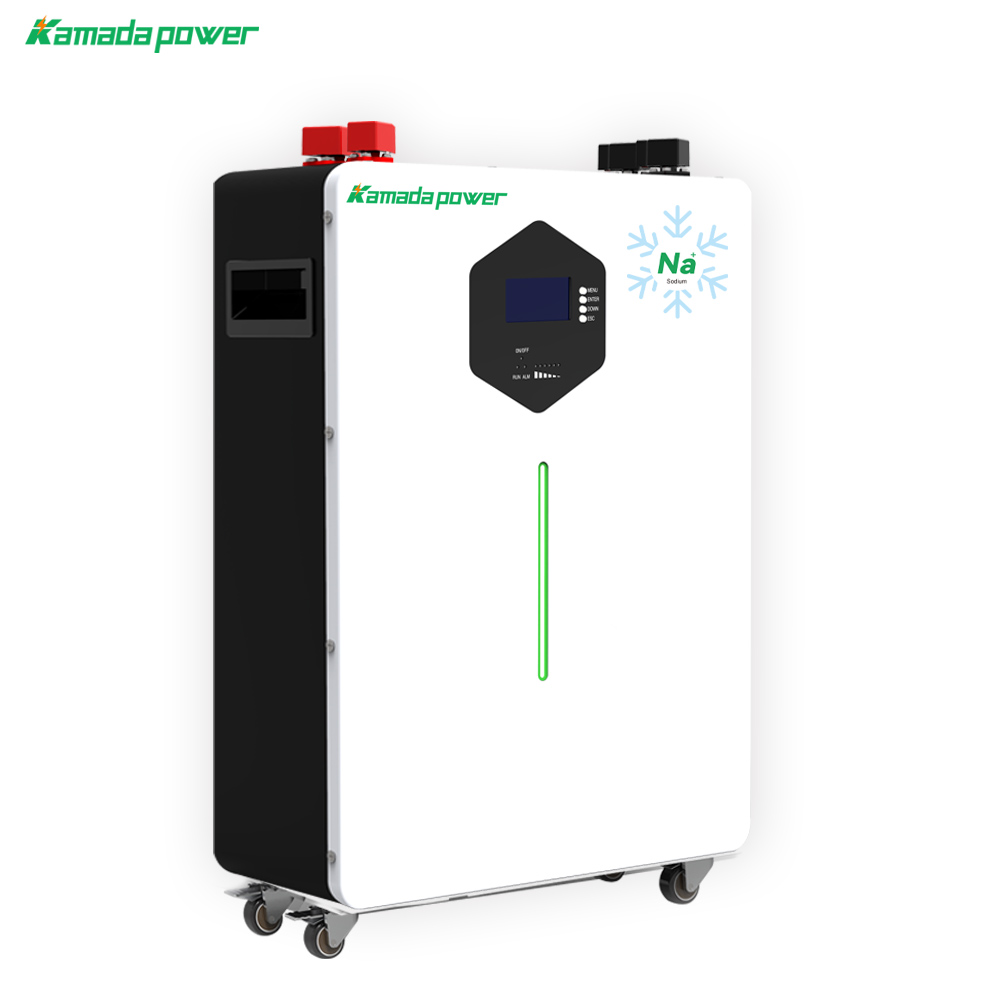
Домашняя натриево-ионная батарея Kamada Power 10 кВт/ч
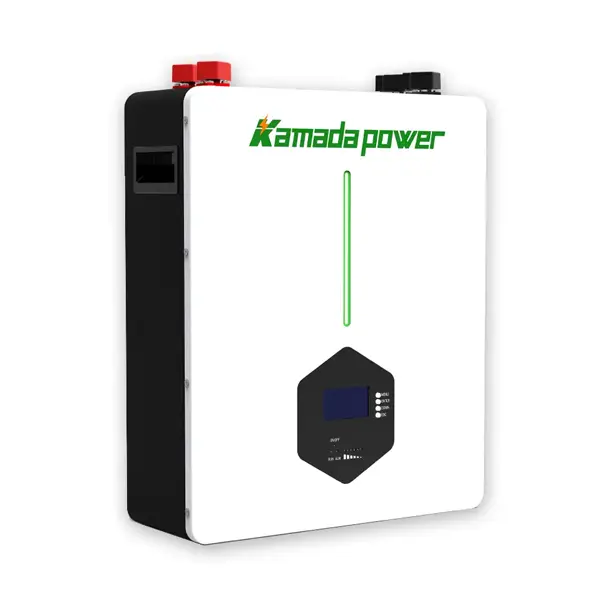
Домашняя батарея Kamada Power 10 кВт/ч Powerwall
Что такое производитель, дистрибьютор и оптовый продавец аккумуляторов?
Прежде чем говорить о стратегии, необходимо определить игроков. В мире аккумуляторов эти термины употребляются в свободной форме, но их различие имеет решающее значение для вашей итоговой прибыли.
Производитель аккумуляторов (OEM / ODM завод)
Определение: Это источник. Производитель либо производит элементы батареи (например, CATL или LG), либо, что чаще встречается у покупателей B2B, собирает элементы в готовые комплекты (Pack Assemblers).
Ключевые лица: Они контролируют спецификацию материалов (BOM). Они занимаются настройкой BMS, точечной сваркой, литьем корпусов под давлением и тестированием в конце линии.
Типичные покупатели: Бренды, производящие оборудование на заказ (например, стартапы в сфере производства электронных велосипедов), промышленные покупатели, а также все, кому требуется особый форм-фактор или собственная логика BMS.
Дистрибьютор аккумуляторов (авторизованный партнер бренда)
Определение: Дистрибьютор - это авторизованный партнер по сбыту продукции определенных брендов. Считайте их "официальным каналом". Они не производят аккумулятор, но у них есть контракт с заводом на его продажу.
Ключевые организации: Обычно они имеют местные склады (например, склад в Роттердаме или Калифорнии), хранят запасы стандартных SKU и предлагают официальную гарантийную поддержку.
Типичные покупатели: Малые и средние предприятия (SME), которым нужны стандартные сменные батареи 12В/24В, монтажники солнечных батарей или компании, которым важна доставка в течение 3 дней, а не индивидуальные спецификации.
Оптовый продавец аккумуляторов (оптовый реселлер)
Определение: Оптовый продавец закупает большие партии универсальных или смешанных батарей и перепродает их. Это чистые торговцы.
Ключевые организации: Их ценностным предложением является низкий MOQ и наличие на складе. Они часто предлагают "смешанный пакет" брендов.
Типичные покупатели: Небольшие ремонтные мастерские, реселлеры-любители или команды закупщиков, которым нужна небольшая партия для немедленного создания прототипа.
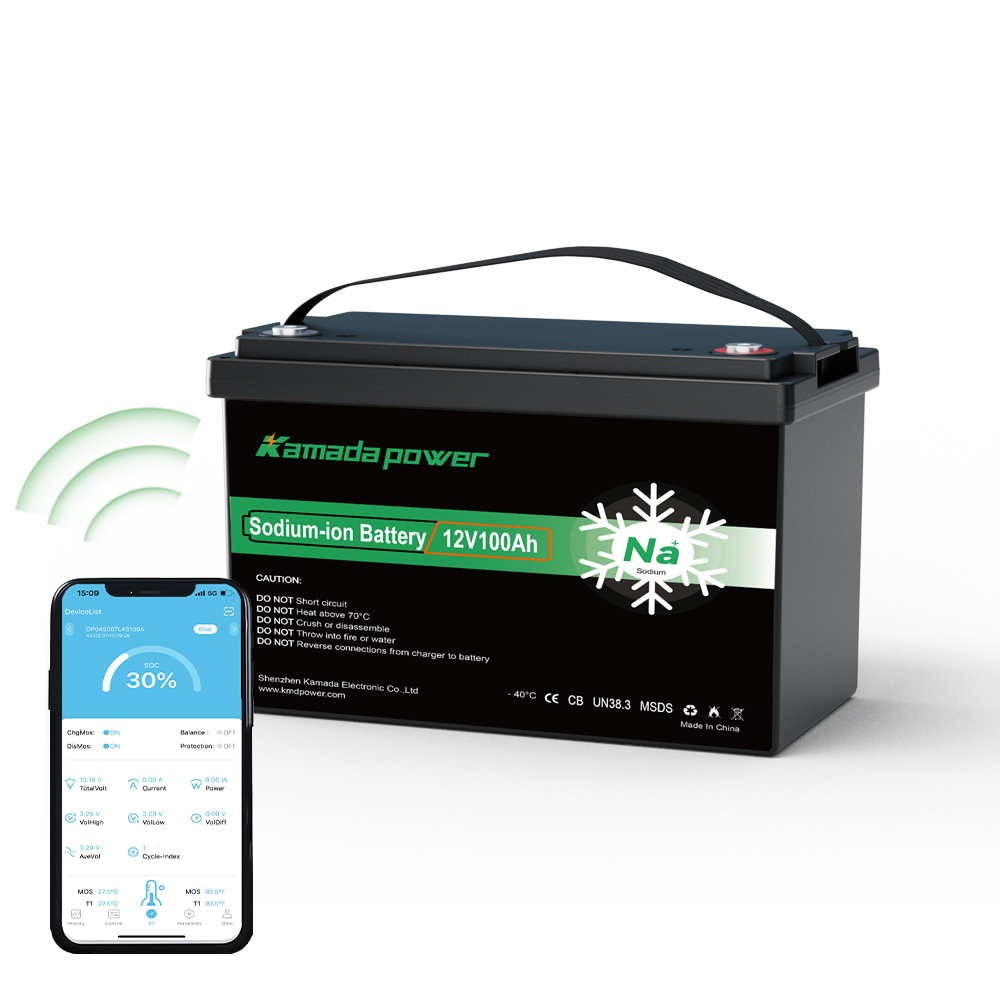
Натриево-ионный аккумулятор Kamada Power 12v 100ah
Производитель vs Дистрибьютор vs Оптовый продавец - основные различия
Если вы пытаетесь решить, куда отправить свой RFQ (запрос на коммерческое предложение), в этой таблице приведены практические преимущества каждого варианта.
Сравнительная таблица - цена, MOQ, время выполнения заказа, персонализация
| Тип поставки | Цена за единицу | MOQ | Время выполнения | Поддержка пользовательских аккумуляторов | Контроль качества | Лучший пример использования |
|---|
| Производитель (OEM/ODM) | Самый низкий ($) | Высокий (500+ единиц) | Долго (30-60 дней) | Полный (BMS, размер, ячейка) | Заводской уровень (прямой) | Индивидуальные проекты и масштабирование производства |
| Дистрибьютор | Средний ($$) | Средний (паллета/карта) | Быстро (3-7 дней) | Нет / Очень ограничено | Стандарт / Бренд QA | Стандартная замена и быстрое выполнение заказа |
| Оптовый продавец | Самый высокий ($$$) | Низкий (1 единица) | Срочно | Нет | Переменный / минимальный | Прототипирование и небольшие партии |
Компромисс между ценой и MOQ при поиске аккумуляторов
В производстве не бывает бесплатных обедов.
- Производители предлагают самую низкую стоимость единицы продукции, поскольку они настроены на массовое производство. Однако настройка производственной линии под заказ стоит денег (NRE charges), поэтому они требуют высокие MOQ, чтобы амортизировать эти расходы.
- Дистрибьюторы взимают премию (маржу) в обмен на то, что берут на себя риски, связанные с запасами. Вы платите больше, но вам не нужно связывать свой денежный поток, покупая сразу 1000 единиц товара.
- Оптовики являются самыми дорогими в расчете на единицу продукции, но барьер для входа на рынок равен нулю. Вы можете купить одну батарею уже сегодня.
Плюсы и минусы каждого партнера по поставкам аккумуляторов
Покупка напрямую у производителя аккумуляторов
Плюсы:
- Контроль затрат: Вы покупаете по цене "заводских ворот".
- Инженерный контроль: Вы определяете марку ячеек (например, "Мне нужны ячейки EVE 280Ah"), параметры BMS (например, "Отключение при 11,2 В") и протокол связи (CAN-шина/RS485).
- Последовательность: После утверждения "золотой пробы" каждая единица продукции сходит с одной линии.
Конс:
- Игра в ожидание: Производство требует времени. Морские перевозки занимают время. Необходимо планировать запасы на 3-4 месяца вперед.
- Коммуникация: Если фабрика находится за границей, вы можете столкнуться с задержкой в часовых поясах и языковым барьером (хотя ситуация улучшается).
Покупка у дистрибьютора аккумуляторов
Плюсы:
- Скорость: У них есть запасы на полке. Если срок сдачи проекта истекает на следующей неделе, дистрибьютор - ваш единственный выход.
- Местная поддержка: У многих дистрибьюторов есть местные команды технической поддержки, которые говорят на вашем языке и понимают местные правила.
Конс:
- "Бери или не бери": Вы покупаете то, что есть в каталоге. Нужен другой разъем? Нужна батарея с подогревом для холодной погоды? Обычно ответ - "нет".
- Ценовой потолок: Вы всегда будете платить наценку 20-30% или больше по сравнению с прямыми поставщиками.
Покупка у оптового продавца аккумуляторов
Плюсы:
- Доступность: Отлично подходит для "выборочных покупок" или тестирования разных брендов рядом друг с другом без заключения контракта.
- Разнообразие: Часто они хранят под одной крышей несколько химикатов и брендов.
Конс:
- Качественная рулетка: Условия хранения имеют значение. Оптовый продавец может продать вам "новые" батареи, которые пролежали на жарком складе два года, в результате чего их емкость снизилась.
- Гарантийные головные боли: Если батарея выходит из строя, оптовику часто приходится отправлять ее обратно по цепочке, оставляя вас в неопределенности.
Скрытый риск - торговые компании, выдающие себя за производителей
Это маленький грязный секрет таких платформ, как Alibaba и Made-in-China.
Что такое компания по торговле аккумуляторами?
Это посредники, которые создают отполированные профили, утверждая, что они "20-летняя литиевая фабрика". На самом деле это три парня в арендованном офисе в Шэньчжэне с нулевым производственным оборудованием. Они принимают ваш заказ, передают его на субподряд реальной фабрике (часто самому дешевому участнику торгов), добавляют свою наценку и отправляют вам.
Риски, связанные с покупкой на "фабрике подделок"
- Нет доступа к КК: Поскольку фабрика им не принадлежит, они не могут обеспечить контроль качества. Они поставляют все, что дает им субподрядчик.
- Приманка и выключатель": Они отправляют вам высококачественный образец с фабрики A, а затем заполняют ваш оптовый заказ более дешевыми экземплярами с фабрики B.
- Никакой инженерной ответственности: Если ваша батарея загорится или не пройдет сертификацию, у торговой компании не будет команды инженеров, чтобы выяснить причину.
Как проверить настоящего производителя аккумуляторов
По нашему опыту, вы можете отсеять 90% торговых компаний с помощью трех ходов:
- Проверьте лицензию: Попросите у них лицензию на ведение бизнеса. В Китае в графе "Сфера деятельности" должно быть четко указано "Производство" или "Производство". Если там написано только "продажи" или "торговля", бегите прочь.
- Видеоаудит в прямом эфире: Не принимайте фотографии. Попросите о прямой связи по FaceTime/Zoom. Попросите их пройти на производственную площадку. прямо сейчас и показать вам станки для точечной сварки или цех старения. Торговые компании будут оправдываться, а производители скажут: "Конечно".
- Технический допрос: Задавайте глубокие инженерные вопросы. "Кто поставляет вам BMS PCBA?" "Каков стандарт сортировки клеток?" Торговый агент не знает, а инженер по продажам производителя знает.
Как выбрать правильного партнера по поставкам аккумуляторов (схема принятия решений)
Не существует "лучшего" варианта, есть только подходящий для вашей стадии бизнеса.
Мелкие заказы и изготовление прототипов
Сценарий: Вы создаете пробный вариант нового IoT-устройства или вам нужно 20 устройств для пилотного испытания.
Лучший выбор: Оптовик.
Не тратьте время, пытаясь договориться с фабрикой о 20 единицах продукции. Скорость - вот ваше преимущество. Заплатите более высокую цену, получите батареи и проверьте свой продукт.
Развивающиеся бренды и малые и средние предприятия
Сценарий: Вы продаете 100-500 единиц продукции в месяц. Вам нужен постоянный брендинг и надежность, но вы не можете позволить себе огромный склад товарных запасов.
Лучший выбор: Дистрибьютор или маневренный производитель.
Дистрибьютор дает вам стабильность. В качестве альтернативы ищите небольших "маневренных производителей", которые специализируются на среднесерийных заказах (MOQ 50-100) и готовы расти вместе с вами.
Нестандартные марки аккумуляторов и крупносерийные покупатели
Сценарий: Вы запускаете уникальный электронный скутер или фирменную домашнюю систему хранения энергии. Вам нужны нестандартные размеры, ваш логотип на корпусе и конкретная стоимость, чтобы оставаться конкурентоспособным.
Лучший выбор: OEM/ODM Производитель.
При таких масштабах вам необходимо владеть дизайном. Прямое производство позволяет выжать каждый цент из спецификации и гарантирует уникальность вашего продукта на рынке.
Гибридная модель "производитель + дистрибьютор" - возможно ли это?
В последнее время мы наблюдаем изменения. Умные производители понимают, что сегодняшний стартап - это завтрашний гигант.
Некоторые производители второго уровня используют Гибридная модель. Они предлагают прямой доступ к фабрике, но с более низкими MOQ (например, 50 единиц) для клиентов, которые заранее оплачивают расходы на NRE (Non-Recurring Engineering). Это позволяет масштабным брендам отказаться от дистрибьюторской наценки на ранних этапах жизненного цикла.
Если вы - стартап с хорошим финансированием и четкой дорожной картой, предложите это производителям. Скажите: "Наш первоначальный заказ невелик, но вот наш прогноз на 12 месяцев. Можем ли мы работать напрямую?". Вы будете удивлены, как много производителей ответят "да".
Заключение
Поиск батарей - это партнерство, а не просто сделка; приоритет самой низкой цены часто приводит к дорогостоящим проблемам с качеством или задержкам в дальнейшем. В конечном итоге выбор зависит от стадии вашего бизнеса: используйте оптовиков для быстрого создания прототипов, дистрибьюторов для надежных стандартных запасов с местной поддержкой или производителей, если вам нужны индивидуальные настройки, объемные цены и контроль над судьбой вашего продукта. Цель состоит в том, чтобы найти партнера, который будет соответствовать вашим текущим реалиям и одновременно поддерживать ваш будущий рост.
Связаться с компанией Kamada Power Наши инженеры по аккумуляторам разработают для вас индивидуальное решение по аккумуляторам.
ЧАСТО ЗАДАВАЕМЫЕ ВОПРОСЫ
Каково типичное MOQ для производителя литиевых батарей?
Для полностью индивидуальной упаковки (нестандартный размер/BMS) отраслевой стандарт обычно составляет от 500 до 1 000 единиц на заказ. Однако многие производители принимают небольшие пробные заказы (например, 50-100 штук), если вы заранее оплатите оснастку и инженерные расходы.
Могут ли дистрибьюторы аккумуляторов предлагать аккумуляторные блоки на заказ?
Как правило, нет. Дистрибьюторы продают "готовые" продукты. У некоторых крупных дистрибьюторов могут быть центры дополнительного обслуживания, где они могут заменить разъемы или добавить термоусадочную пленку, но обычно они не могут перепроектировать BMS или изменить конфигурацию ячеек.
Безопасна ли покупка напрямую у китайского производителя аккумуляторов?
Да, если вы проверите их. Китай производит более 70% литиевых батарей в мире. Главное - отличить легальные фабрики высшего уровня от торговых компаний. Всегда требуйте аудита завода (видео или лично) и заключайте строгие контракты, касающиеся марки элементов и гарантии.
Как определить, является ли поставщик аккумуляторов настоящим заводом?
Самый быстрый способ - "живой видеотест". Попросите продавца пройти в производственный цех во время видеозвонка. Если они отказываются, оправдываются или фон выглядит как офис, скорее всего, это торговая компания. Настоящий завод с гордостью демонстрирует свою производственную линию.