Poznáte ten zvyk: je október, čln vychádza z vody, obytný automobil sa ukladá a vy zapínate priebežnú nabíjačku, "aby batéria zostala zdravá". To má zmysel pri zaplavených olovených a AGM, ale pri LiFePO4, je to rýchla cesta k obávanému telefonátu "prečo to zomrelo tak skoro?".
Vo väčšine prípadov by ste mali nie priebežné nabíjanie a Batéria LiFePO4. Trickle nabíjačky sú navrhnuté tak, aby kompenzovali samovybíjanie olovených akumulátorov, zatiaľ čo LiFePO4 sa vybíja pomaly a nepotrebuje neustále doplňovanie. Držanie lítia v blízkosti plného nabitia počas niekoľkých mesiacov zvyšuje chemické napätie a môže skrátiť životnosť. Skladujte približne 40-60% SOC namiesto toho.
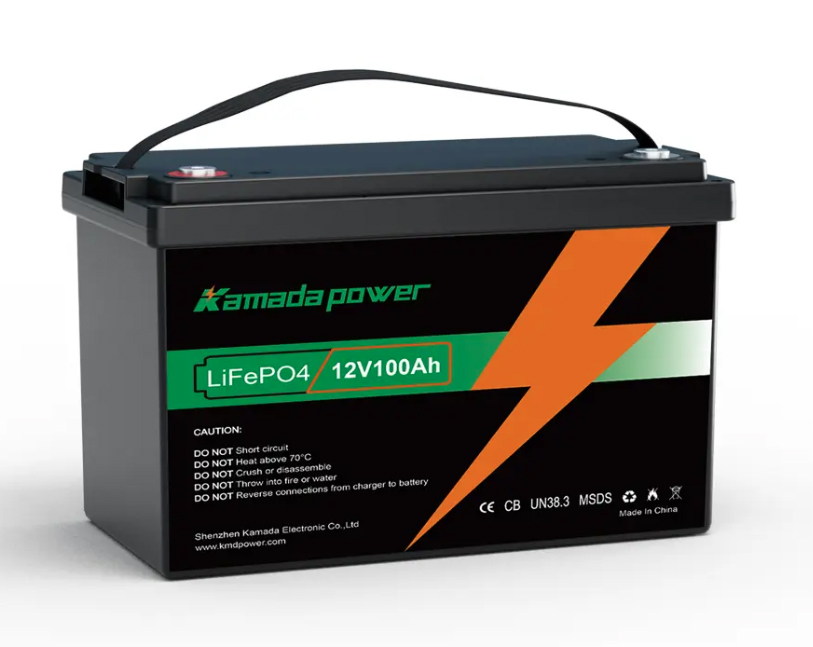
Kamada Power 12V 100Ah Lifepo4 batéria
Čo je to trojité nabíjanie?
Tradičný trickle nabíjačka je jednoduchý: posúva malý konštantný prúd viac-menej stále.
To "funguje" pre olovené batérie, pretože:
- Olovený akumulátor sa vybíja rýchlejšie ako lítiový
- Olovené kyseliny tiež neznášajú čiastočné vybitie (riziko sulfatácie)
- Udržiavanie batérie v dobitom stave bolo praktickým spôsobom, ako sa na jar vyhnúť vybitiu batérie
Ale správanie lítia pri skladovaní je odlišné. Mnohé batérie LiFePO4 sa samovoľne vybíjajú pomaly - takže celý dôvod, prečo existuje trojité nabíjanie (boj proti samovybíjaniu), je väčšinou preč.
Praktický preklad: pri olovených akumulátoroch môže byť "vždy doplnený" ochranný. V prípade LiFePO4 je "vždy doplnený" zvyčajne zbytočný stres.
Veda: Ako trojité nabíjanie "zabíja" lítium
Buďme presní: lítiové batérie sa zvyčajne nevybijú po jednej noci na nabíjačke. Zomierajú od mesiace nesprávneho životného štýlu.
1) Vysoký stav nabitia = vyšší stres pri starnutí kalendára
LiFePO4 môže poskytnúť veľkú životnosť cyklu, ale čas strávený "naplno" stále zvyšuje dlhodobý chemický stres vo vnútri bunky.
Premýšľajte:
- ďalšie vedľajšie reakcie
- väčší rast "filmu" na anóde (SEI)
- postupná strata použiteľného lítia / rastúci vnútorný odpor
Preto odporúčania na dlhodobé skladovanie zvyčajne pristanú v strede rozsahu SOC, nie na 100%.
2) Riziko pokovovania lítia (najmä za studena + nabíjanie)
"Lítiové pokovovanie" je, keď sa lítium usadzuje ako kov na anóde namiesto čistej interkalácie. Súvisí to s podmienkami, ako sú napr. nízka teplota a agresívne nabíjaniea môže vytvárať dlhodobé cesty degradácie a bezpečnostné riziko.
Nabíjačka nie je vždy "vysokoprúdová", ale tu je reálna pasca: ľudia nechávajú batérie na nabíjačkách v chladiarenských skladoch (nevykurovaná kôlňa, zimné parkovisko v prístave, dvor pre obytné automobily) alebo na nabíjačkách, ktoré sa v hornej časti správajú nepredvídateľne. Vtedy sa objavia problémy.
3) Mikrocyklovanie na vrchole nabíjania + nabíjačka "režimy" lítiových nenávidí
Mnohí údržbári olovených batérií používajú režimy ako desulfatačné/vyrovnávacie impulzy alebo relatívne vysoké plávajúce správanie. V prípade lítia to môže spôsobiť:
- opakované Hranice BMS (nabíjačka tlačí, BMS blokuje, napätie klesá, nabíjačka opäť tlačí...)
- málo "top-off" cyklov pri vysokej SOC
- zbytočné teplo a stres v najhoršom regióne SOC
Záver: aj keď sa dnes nič dramatické nestane, zaplatíte za to v priebehu života.
Trickle Charge vs Float Charge vs Maintainer: Rovnaké slovo, iná elektronika
Ľudia si ich pletú, takže si to zjednodušme:
- Trickle charge (konštantný prúd): naďalej napája zosilňovače. Skvelé pre staré olovené akumulátory. Nie je to dobré pre lítiové.
- Plávajúce nabíjanie (konštantné napätie): udržiava nastavené napätie a dodáva prúd len podľa potreby.
- Inteligentný správca: monitoruje správanie napätia/SOC a rozhoduje, kedy sa má zastaviť a kedy obnoviť (ideálne s lítiovým profilom).
Ako vyzerá "dobrý" pre banku LiFePO4 12V (4S)
Bežné profily nabíjačiek/kontrolérov LiFePO4 nájdete v rozsahoch, ako sú:
- Absorpcia/nabíjanie: ~14.2-14.6V (líši sa podľa značky a cieľov)
- Plávajúce/skladované: často ~13.4-13.6V, alebo float úplne vypnúť
Kľúčový bod: "olovnatý plavák" (často vyšší) môže byť pre lítium príliš vysoký a "vyrovnávanie/odsírenie" by malo byť vo všeobecnosti mimo pre LiFePO4. Vždy sa najprv riaďte príručkou výrobcu batérie.
Vyvracanie mýtov: "Môj BMS ho ochráni"
A BMS je bezpečnostný systém, čo nie je inteligentná stratégia nabíjania.
Áno, slušná BMS dokáže zastaviť zjavné prepätie. Ale ak je celý váš plán "nechať ho navždy zapojený a nechať BMS, aby sa s tým vysporiadal", budujete systém, ktorý:
- žije pri vysokom SOC častejšie, ako je potrebné
- podporuje mikrocyklovanie na najvyššej úrovni nabíjania
- sa spolieha na vypínač ako primárna regulačná slučka
To je ako jazda z kopca na brzdách namiesto brzdenia motorom. "Funguje to"... kým to nefunguje.
Čo by ste mali robiť namiesto toho
Scenár 1: Zimné skladovanie lodí a obytných vozidiel (klasická pasca)
Ak zazimovávate banku LiFePO4:
- Uveďte ho na strednú úroveň skladovania (40-60% SOC je sladkou bodkou pre dlhodobé skladovanie).
- Odpojenie záťaže (alebo použite vhodný prepínač batérie).
- Skladujte v chlade a suchu a nenechávajte ho pripnutý na 100% celé mesiace.
Kontrola frekvencie: každých 3-6 mesiacov je zvyčajne dostatočná (samovybíjanie je zvyčajne nízke, ale parazitné zaťaženie to môže zmeniť).
Jeden "gotcha" B2B, ktorý spôsobuje spätné volania: Nejde o samovybíjanie batérie, ale o skryté zaťaženie (Detektor LP, stereo pamäť, sledovacie zariadenie, plavákový spínač drenážneho čerpadla, pohotovostný režim meniča, pokojový odber DC-DC). Tie môžu vyčerpať "uložený" systém rýchlejšie, ako ľudia očakávajú.
Scenár 2: Solárne regulátory typu "urob si sám" / mimo siete (obytné automobily/člny/odľahlé lokality)
Práve tu dochádza k náhodnému nabíjaniu.
Ak má váš solárny regulátor predvolené nastavenia pre olovené batérie, môžete pracovať:
- príliš vysoký plavák
- pravidelné vyrovnávanie
- teplotná kompenzácia určená pre olovené kyseliny
používať Profil LiFePO4 a overte, či hodnoty absorpcie/plávania zodpovedajú pokynom výrobcu batérie.
Rýchly kontrolný zoznam ovládača (vhodný pre inštalatérov):
- Vyrovnanie / desulfatácia: OFF
- Kompenzácia teploty: OFF (pokiaľ to výrobca batérie výslovne nepovoľuje)
- Float: nastavte na špecifikáciu batérie, alebo ak je to odporúčané, vypnite ho
- Správanie pri nabíjaní pri nízkych teplotách: potvrďte pravidlá batérie/BMS (mnohé LiFePO4 balíky blokujú nabíjanie pri mraze)
Scenár 3: Flotily a servisy (prístavy, predajcovia obytných vozidiel, požičovne)
Ak podporujete vozový park, cieľom je menej spätných volaní a menej predčasných výmen.
Štandardizujte SOP pre skladovanie:
- Cieľ skladovania SOC: 40-60%
- Schválené modely/profily nabíjačiek (s lítiovým režimom)
- Pravidlo "žiadne vyrovnávanie/odsírenie" pre lítium
- Rýchly kontrolný zoznam:
- overené parazitné zaťaženie (meranie odberu ampérov)
- nainštalovaný a označený vypínač/odpojovač batérie
- nastavenia ovládača odfotografované a uložené na jednotku
- dátum uskladnenia + SOC zaznamenaný
Tento SOP má často väčšiu hodnotu ako výber značky batérie.
Riešenie: Bezpečný spôsob údržby LiFePO4 s dlhou životnosťou
Možnosť A (najlepšia na dlhodobé skladovanie): Uskladnenie v strede strediska a odpojenie
Mnohí výrobcovia LiFePO4 odporúčajú dlhodobé skladovanie v 40-60% stav nabitia (SOC) pretože znižuje chemické napätie v porovnaní s tým, keď je zásobník mesiace plný alebo prázdny.
Pre väčšinu lodí/RV zimné uskladnenie, jednoduchá hra je: nastavte ho v polovici SOC, odpojte záťaže a odíďte. Jednoduché. Nuda. Účinné.
Možnosť B: Použite skutočný profil nabíjačky LiFePO4 (nie olovený udržiavač)
Hľadajte:
- explicitné Režim LiFePO4 / Li-ion
- bez desulfatácie/vyrovnávania
- rozumné správanie floatu/skladovania (alebo možnosť vypnúť float)
Ak sa v marketingovej informácii o výrobku uvádza, že "funguje pre lítium", ale v príručke sa stále uvádzajú olovené vyrovnávacie impulzy alebo pevný vysoký plavák, považujte to za červenú vlajku.
Možnosť C: Ak musíte niečo "ponechať pripojené", vytvorte riadený systém
Niekedy skutočne potrebujete pohotovostné napájanie (bezpečnosť, dno, monitorovanie, vzdialená komunikácia). V takom prípade nie je reálne "odpojiť a zabudnúť".
Urobte to pod kontrolou:
- solárny regulátor so správnym profilom LiFePO4
- DC-DC nabíjačka určená pre lítium (najmä ak ide o alternátory)
- plán monitorovania (zaznamenávanie napätia/SOC), aby ste mohli dokázať, čo sa deje
B2B realita: čo sa zaznamená, to sa opraví. Chyba v nastaveniach $30 môže spôsobiť reklamáciu $900.
Záver
Trickle nabíjanie je pozostatok olovenej éry, ktorý pokojne zničí životnosť LiFePO4 tým, že ho zbytočne zaťažuje vysokým napätím. Ak chcete dosiahnuť dlhú životnosť v reálnom svete, zbavte sa návyku "vždy plný": jednoducho uložiť na 40-60% SOC a odpojiťalebo prepnúť na skutočná nabíjačka špecifická pre LiFePO4 ktorá vie, kedy sa má zastaviť. Kontaktujte nás pre prispôsobená batéria lifepo4 riešenia.
ČASTO KLADENÉ OTÁZKY
Môžem použiť olovenú nabíjačku na LiFePO4 batériu?
Zvyčajne nie. Mnohé olovené nabíjačky používajú plávajúce správanie a špeciálne režimy (desulfatačné/vyrovnávacie impulzy), ktoré nie sú vhodné pre lítium. Používajte nabíjačku so skutočným profilom LiFePO4 a nastaveniami zosúladenými s limitmi výrobcu vašej batérie.
Je "plávajúce nabíjanie" vždy zlé pre LiFePO4?
Nie vždy. Plávajúci (konštantné napätie) môžu byť prijateľné ak napätie je primerané a váš systém nenúti batériu zbytočne žiť pri 100%. Niektoré nastavenia dokonca vypínajú plávajúci režim a namiesto toho sa spoliehajú na pravidelné dobíjanie - sledujte pokyny výrobcu batérie.
Aká je najbezpečnejšia SOC na dlhodobé skladovanie?
Bežný rozsah odporúčaní výrobcu je 40-60% SOC na dlhé skladovanie. Znižuje chemické namáhanie v porovnaní so skladovaním plných alebo prázdnych nádob počas niekoľkých mesiacov.
Spôsobuje pomalé nabíjanie pokovovanie lítia?
Riziko pokovovania je najviac spojené s nízke teploty a agresívne nabíjanie. Nabíjačka s priebežným nabíjaním nie je vždy "agresívna", ale ponechanie lítia na nabíjačke v chladnom sklade - alebo na nabíjačkách s problematickým správaním pri nabíjaní zhora - môže časom zvýšiť cesty degradácie a riziko.
Aké napätie je "plné" pre 12V (4S) LiFePO4 balík?
Záleží na výrobcovi a stratégii nabíjania, ale mnohé zverejnené profily sa nabíjajú v ~14.2-14.6V s plávajúcou/skladovou kapacitou často v rozmedzí v polovici 13V (alebo float vypnutý). Vždy sa najprv riaďte technickými údajmi výrobcu batérie.