Аккумулятор LFP против аккумулятора NMC: В чем разница. Если вам доводилось участвовать в проверке закупок с тремя открытыми вкладками: даташитами на ячейки, гарантийным PDF-документом и справкой по пожарным нормам от AHJ, - вы знаете, что вопрос "LFP vs NMC" не является академическим. Он проявляется в виде дедлайна: расценки на хранение должны быть представлены в пятницу, спецификация парка EV, которая не должна споткнуться зимой, или контейнерная BESS, которая должна пройти проверку безопасности без драмы. В большинстве случаев решение простое: выберите LFP (LiFePO₄) когда вам нужен больший запас прочности, длительный срок службы и стабильная стоимость для стационарное хранение; выбрать NMC когда вам нужен максимальный запас хода или компактный блок (более высокая плотность энергии) и вы можете смириться с более жесткой терморегуляцией и управлением зарядкой - типично для Электромобили и продукты с ограниченным пространством.
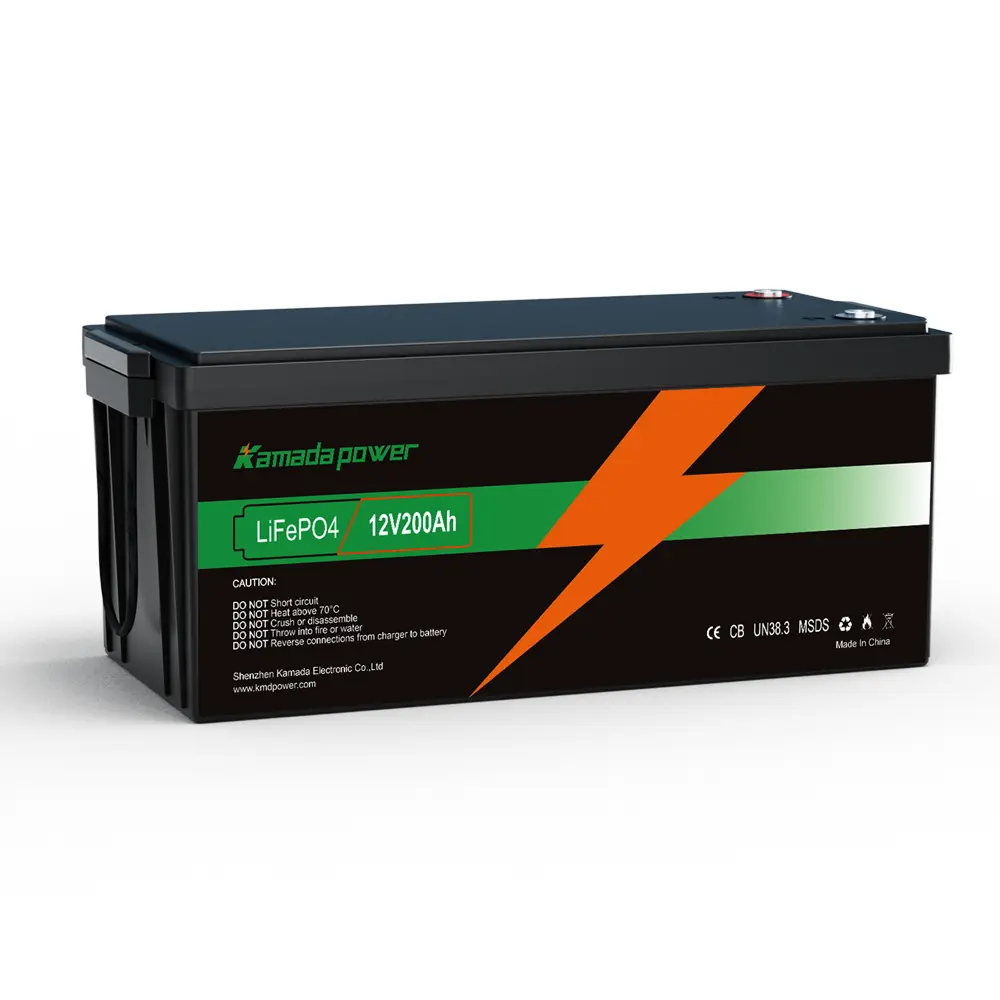
Аккумулятор Kamada Power 12V 200Ah Lifepo4
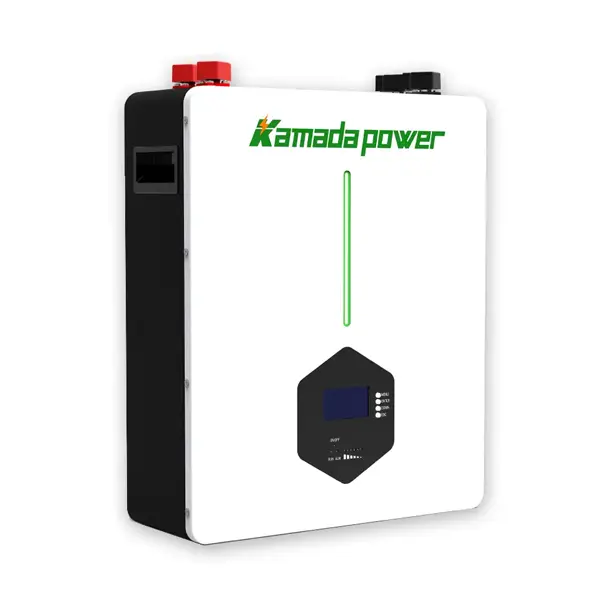
Домашняя батарея Kamada Power 10 кВт/ч Powerwall
Краткая сравнительная таблица: LFP против NMC
LFP против NMC с первого взгляда
| Фактор | LFP (LiFePO₄) | NMC (никель-марганец-кобальт) |
|---|
| Плотность энергии (Втч/кг, Втч/л) | Ниже (больше/тяжелее при том же количестве кВт/ч) | Выше (больше кВт/ч на меньшей площади) |
| Срок службы (типичный) | Часто вышеОсобенно для ежедневной езды на велосипеде | Хорошо, но более чувствителен к стрессовым условиям |
| Безопасность / термическая стабильность | В целом более терпимы | При правильном проектировании они безопасны, но более жесткий контроль помогает |
| Затраты и цепочка поставок | Меньше воздействия кобальта/никеля | Воздействие никеля/кобальта может повысить волатильность |
| Скорость зарядки | Часто сильная, но зависит от упаковки + теплового запаса | Часто поддерживает большую мощность в компактном исполнении |
| Холодная погода | Пределы зарядки имеют большее значение, чем разрядка | То же правило - холодная зарядка является ограничением |
| Лучшая посадка | Стационарный / ежедневная езда на велосипеде | Диапазон EV / компактные блоки |
Если вы покупаете оборудование для завода, автопарка или коммунального предприятия, то в реальных условиях "наилучший вариант", как правило, оправдывает себя.
Что означают слова "LFP" и "NMC"?
Что такое батарея LFP?
LFP обозначает Железофосфат лития (LiFePO₄). Это химия катода. Говоря простым языком: он создан для того, чтобы стабильные, предсказуемые и долговечные при ежедневном циклическом использовании. Именно поэтому он стал химическим составом по умолчанию во многих стационарных системах хранения энергии (ESS), от коммерческих накопителей за счет счет счетчиков до батарей для жилых домов.
По нашему опыту работы с промышленными клиентами, LFP, как правило, является "спокойным взрослым в комнате". Она не пытается выиграть конкурс на лучший ассортимент. Она старается появляться каждый день в течение 10 с лишним лет без сюрпризов.
Что такое батарея NMC?
NMC обозначает Никель Марганец Кобальт (часто пишутся как NMC622, NMC811 и т.д. - эти соотношения описывают смесь катодов). NMC обычно используется там, где плотность энергии вопросы: тяговые блоки для электромобилей, мобильная робототехника и оборудование, которое ограничено по весу или объему.
NMC - высокопроизводительная компания, но она просит что-то взамен: Хорошая терморегуляция, консервативные режимы работы и конструкция упаковки, учитывающая пределы ее возможностей.
Где вы увидите каждую химию (в реальном мире)
- Отделка EV: LFP часто встречается в вариантах, ориентированных на стоимость или большие объемы производства, а NMC - в вариантах с более высокими характеристиками и производительностью.
- Домашние аккумуляторы: LFP доминирует, потому что соответствует своей работе: ежедневная езда на велосипеде + требования к безопасности в гаражах и подсобных помещениях.
- Складские помещения для коммунальных услуг: LFP находит все большее применение в контейнерных BESS, микросетях, пиковом энергосбережении и интеграции возобновляемых источников энергии.
- Портативные / RV / морские: LFP популярна благодаря глубокой цикличности и простоте; NMC используется в условиях ограниченного веса/пространства.
6 основных отличий
1) Плотность энергии
НМЦ обычно выигрывает по Вт-ч/кг (гравиметрическая плотность энергии) и Wh/L (объемная плотность энергии). Это дает очень практичные преимущества:
- Больше ассортимент для EV с таким же объемом упаковки
- Меньше/легче упаковка за один кВт/ч
- Дополнительная комната в корпусе для охлаждения, шин или конструктивных элементов
Вывод для покупателей: если ваше приложение ограниченное пространство-Вспомните электрические развозные фургоны, где грузоподъемность и компоновка шасси имеют большое значение, - плотность шасси может стать решающим фактором.
2) Срок службы (и календарное старение)
Срок службы цикла - это цифра, которую все называют в заголовке. Но мелкий шрифт имеет значение: DoD (глубина разряда), температура, скорость заряда и окно напряжения.
- Срок службы цикла: количество циклов до снижения емкости до определенного порога (часто 80%).
- Старение календаряПотеря емкости с течением времени даже при легком циклировании, что в значительной степени зависит от температуры и состояния заряда.
LFP часто очень хорошо работает в приложениях с большим количеством циклов, особенно при умеренных температурах с разумным отключением заряда. Именно поэтому он популярен в ESS с ежедневным циклом (арбитраж TOU, самопотребление фотоэлектрических батарей, управление зарядом по требованию). NMC также может прослужить долго, если система избегает перегрева и высоковольтных нагрузок, но она, как правило, менее прощаема при сильных нагрузках.
3) Безопасность (химия против системной инженерии)
Именно здесь покупатели начинают нервничать, и, честно говоря, так и должно быть. Но нам нужно определить понятие "безопасно".
Там поведение на уровне химии и проектирование на уровне системы:
- Химия: термическая стабильность, поведение материалов под нагрузкой
- Система: расстояние между ячейками, конструкция модуля, корпус, вентиляционный тракт, предохранитель, BMS, и стратегия охлаждения
LFP обычно рассматривается как более термостойкиечто может дать больший запас при злоупотреблениях. NMC может быть очень безопасной в хорошо спроектированном корпусе, но обычно она выигрывает от более жесткого контроля - особенно в части терморегулирования, обнаружения неисправностей и смягчения последствий распространения.
В практических установках (особенно в системах C&I) "безопаснее" часто означает: легче разрешить, легче защитить в ходе экспертизы безопасности и меньше вероятность того, что придется прибегать к дорогостоящим мерам по снижению воздействия. Вот где LFP часто блистает.
4) Стоимость (и подверженность цепочке поставок)
(Да, дорого. И да, это грязно).
NMC использует никель и кобальт в катоде. Эти материалы имеют реальную цепочку поставок и волатильность цен. LFP опирается на железо и фосфаткак правило, с меньшим воздействием кобальтовых/никелевых колебаний.
В сфере закупок это проявляется двумя способами:
- Стабильность цен на сотовые телефоны в течение срока действия договора
- Риск поставок когда вам нужен объем и стабильные характеристики
Если вы подбираете поставщиков для развертывания проекта на нескольких объектах - скажем, 50 установок ЭСС за счетчиками по всей Европе, - волатильность цен на сырьевые товары может разрушить ваш прогноз быстрее, чем незначительная разница в эффективности.
5) Скорость зарядки (что на самом деле ее ограничивает)
Скорость зарядки обычно ограничена: химический состав элементов + температура + ограничения BMS + тепловая система + зарядное устройство/инвертор.
Именно здесь многие брошюры становятся... оптимистичными.
Некоторые комплекты рекламируют быструю зарядку, но при этом молчат. дератировать когда:
- клетки нагреваются,
- окружающая среда горячая,
- или BMS защищает срок службы и запас прочности.
Практичное правило покупателя: запросите кривые "мощность заряда в зависимости от температуры" и "мощность заряда в зависимости от SOC".. Если поставщик не может их предоставить, вы покупаете обещание, а не спецификацию.
В целом, конструкции NMC часто поддерживают более высокую мощность в компактных форм-факторах. LFP тоже могут быстро заряжаться, но это, как правило, в большей степени зависит от выбора конструкции блока и теплового запаса.
6) Пригодность приложения (решение "лучше всего подходит")
Не существует "лучшей химии". Есть наилучшее соответствие.
- Стационарное хранение: LFP - это часто совпадающий срок службы, стабильность затрат, запас прочности.
- EV / мобильность: NMC часто выигрывает, когда главными приоритетами являются ассортимент и упаковка.
- Мощные инструменты / робототехника: зависит; доминируют плотность мощности и тепловой расчет.
- Ограниченные корпуса: Плотность энергии NMC может стать решающим фактором, но она повышает требования к тепловому режиму и безопасности.
Поведение в холодную погоду (когда проекты тихо проваливаются)
Холодная разрядка и холодная зарядка
Это зимнее испытание: Многие системы могут разряжаться на холоде, но зарядка при температуре ниже нуля - это ловушка без подогрева и строгих ограничений.
Разрядка при низкой температуре обычно снижает полезную энергию и пиковую мощность (более высокое внутреннее сопротивление). Зарядка отличается: зарядка при низкой температуре повышает риск литиевое покрытиечто может привести к необратимому повреждению элементов и повысить риск безопасности. Именно поэтому логика BMS часто ограничивает ток заряда - или полностью блокирует зарядку - ниже порогового значения (обычно около 0°C, в зависимости от конструкции).
Два распространенных вида зимних неисправностей
- Солнечные батареи и автономное питание: "Утром батарея не принимает заряд". Появляется напряжение, контроллер хочет зарядить, но BMS говорит "нет", потому что элементы слишком холодные. Вы теряете лучшие солнечные часы, и за ночь зарядка становится недостаточной.
- Автопарки: "Быстрая зарядка резко замедляется". Автомобиль ограничивает мощность зарядки, чтобы защитить аккумулятор. Предварительное кондиционирование помогает, но при планировании маршрутов оно все равно ощущается.
Что нужно искать в холодном климате
- Отключение низкотемпературного заряда BMS (и можно ли его настроить)
- Встроенная стратегия обогрева (самонагревающиеся, накладные нагреватели, управляемые BMS)
- Настройки контроллера и профили заряда для стационарных систем (особенно с гибридными инверторами)
Если вы развертываете устройство в Миннесоте, Альберте или Альпах, это имеет большее значение, чем маркетинговые заявления о "10 000 циклов".
Что выбрать?
Если вы выбираете EV (LFP против NMC)
Выберите LFP если: ежедневная зарядка, долгий срок службы, стоимость, запас прочности. Выберите NMC если: максимальная дальность хода, ограничения по весу/пространству, эксплуатационные характеристики.
Мини-дерево решений:
- Вам часто требуется максимальная дальность? → НМС-ориентированные
- В основном местные + хотите долговечности и меньшего риска? → LFP-ориентированные
Сравнение, ориентированное на покупателя: если ваш автопарк заряжается на складе и возвращается ночью, экономичность и долговечность LFP часто выигрывает. Если маршруты длинные и простои дорого обходятся, плотность энергии NMC может стоить более жесткого контроля.
Если вы выбираете домашнюю солнечную батарею / систему резервного копирования
LFP часто подходит, потому что: цикличность + запас прочности + стабильность затрат. NMC может иметь смысл, когда: ограничения по площади или специфическая архитектура продукта подталкивают вас к этому.
Быстрое напоминание: кВт-ч - время работы. кВт - это "может ли он запустить нагрузку?". A аккумулятор 10 кВт-ч которые могут выдавать только 3 кВт в непрерывном режиме, могут разочаровать при первом запуске двигателя.
Если вы заказываете коммерческие/коммунальные накопители (C&I / BESS)
Здесь побеждает инженерная реальность. Рассмотрим:
- Количество отпечатков и контейнеров
- Проектирование систем ОВКВ/теплоснабжения и вспомогательных нагрузок
- Стратегия безопасности (документация, доказательства испытаний, уменьшение опасности)
- Гарантийная пропускная способность (МВт-ч)
- Удобство обслуживания и мониторинга (интеграция со SCADA, сигналы тревоги, журналы)
На сайте C&IЯ предпочту немного большую систему LFP с чистой документацией, чем компактную систему, которая превращается в битву за разрешение.
Если вы строите/выбираете RV/марины/портативные системы
Вибрация, перепады температур, зарядка от генератора, скачки напряжения в инверторе... это тяжелая жизнь.
Вот, Качество упаковки и поведение BMS имеют большее значение, чем химическая этикетка. Хорошо сделанный рюкзак с разумной защитой побеждает плохо сделанный "премиум" рюкзак в любой день недели.
Как сравнить товары и не оказаться в дураках
кВт/ч против кВт (энергия против мощности)
Команды, занимающиеся закупками, постоянно обжигаются на этом.
- кВтч указывает, как долго можно работать с нагрузкой.
- кВт подскажет, сможете ли вы запустить его и продолжать работать.
Длительность резервирования в сравнении с пусковой мощностью двигателя - это разница между "система работает" и "система отключается в 2 часа ночи".
С-скорость и тепловое истощение
C-rate это ток заряда/разряда относительно емкости. Полезно, если вы также понимаете тепловые пределы.
Попросите:
- непрерывная и пиковая мощность
- кривые изменения номинальных характеристик в зависимости от температуры окружающей среды
- требования к воздушному потоку (особенно в контейнерах)
Гарантия, которая имеет значение: лет и пропускная способность
За "10-летней гарантией" может скрываться ограничение пропускной способности, например X МВт-ч. Если циклировать ежедневно, можно достичь предела пропускной способности задолго до окончания календаря.
Пределы BMS (скрытый босс)
Сайт Система управления аккумулятором задает реальную рабочую область:
- Отключение низкотемпературного заряда
- максимальный ток заряда
- стратегия балансировки
- логика защиты и регистрация событий
Если BMS консервативна, ваша система "быстрой зарядки" может никогда не зарядиться в полевых условиях.
Контрольный список красных флажков
- Указываются только кВт/ч, а не кВт
- Отсутствие температурных кривых
- Срок службы без условий испытаний
- Гарантия без пропускной способности
Распространенные мифы
- "LFP никогда не загорается". Любая литиевая система может выйти из строя при злоупотреблении или дефектах. LFP, как правило, более терпимы, но не неуязвимы.
- "NMC - это небезопасно". Упрощенно. NMC может быть безопасным при хорошем тепловом контроле и защите.
- "Холодная погода только снижает производительность". Затруднения с зарядкой часто становятся причиной реальных сбоев в работе.
- "Скорость зарядки зависит только от размера зарядного устройства". BMS и тепловая система решают, что вы получите на самом деле.
Заключение
Если вы больше ничего не помните, запомните это: LFP обычно выигрывает в долговечности, запасе прочности и стационарном циклировании, а NMC - когда вам нужна компактная плотность энергии и дальность EV. Лучшая практика, которую я хотел бы, чтобы каждый покупатель услышал раньше, - выбирать по сценарий использования + тепловой расчет + гарантийная пропускная способностьа не химические этикетки.
Свяжитесь с намиПришлите ваше применение (EV/домашнее/индивидуальное), требуемые кВт и кВт-ч, температурный диапазон и источник заряда, и я проверю соответствие LFP и NMC и отмечу ловушки в спецификации, прежде чем вы возьмете на себя обязательства.
ЧАСТО ЗАДАВАЕМЫЕ ВОПРОСЫ
Является ли LFP более безопасным, чем NMC?
LFP, как правило, обладает более широким запасом термостабильности, что может упростить проектирование и выдачу разрешений на безопасность. Однако "безопасность" - это все же результат работы системы: логика СУБД, охлаждение, корпус, предохранитель и обработка ошибок имеют большое значение. Хорошо спроектированный блок NMC может быть безопасным; плохо спроектированный блок LFP все равно может выйти из строя.
Почему у NMC более высокая плотность энергии?
Формулы катодов NMC оптимизированы для получения более высокой энергии на единицу массы и объема, поэтому они часто используются в тяговых блоках EV и компактном оборудовании. Более высокая плотность энергии означает больший запас хода или большее количество кВт/ч в меньшем корпусе - как правило, в сочетании с более жестким тепловым контролем и консервативными рабочими окнами.
Что прослужит дольше, LFP или NMC?
LFP часто обеспечивает более длительный срок службы при ежедневном циклическом хранении, особенно при умеренных температурах и разумных пределах заряда. NMC также могут служить долго, но они обычно более чувствительны к нагреву, хранению при высоких значениях SOC и агрессивной зарядке. Всегда сравнивайте заявления о сроке службы, используя одни и те же условия испытаний (DoD, C-rate, температура).
Можно ли заряжать LFP при отрицательных температурах?
Как правило, не следует заряжать литий-ионные аккумуляторы при температуре ниже нуля, если не предусмотрена стратегия предотвращения окисления лития. Многие LFP-накопители блокируют или сильно ограничивают зарядку ниже пороговой температуры, если в них не предусмотрен подогрев. Если вы работаете в холодном климате, попросите предоставить кривые низкотемпературной зарядки и информацию о контроле нагрева.
Что лучше для домашнего хранения энергии?
Для большинства резервное копирование домашнего хранилища В системах LFP является наиболее подходящим вариантом благодаря сроку службы, запасу прочности и стабильности стоимости. NMC может иметь смысл при установке в условиях ограниченного пространства или в некоторых интегрированных конструкциях, но ваш установщик и AHJ могут предпочесть более простой профиль риска LFP для жилых помещений.