Сделать Ионно-натриевая батарея Может ли емкость снизиться при длительном хранении при напряжении 0 В? Натриево-ионная батарея с показанием 0 В вызывает беспокойство у многих покупателей по одной простой причине: в литий-ионных системах глубокая разрядка может означать угрозу безопасности, необратимое повреждение или и то, и другое. Натриево-ионные батареи меняют эту ситуацию, но не устраняют риск.
Самый точный ответ таков: Да, натрий-ионные аккумуляторы могут терять емкость при длительном хранении при напряжении 0 В, однако конечный результат зависит от химического состава, электролита, продолжительности хранения, температуры, конструкции элемента и метода восстановления.
Проще говоря, нулевой уровень разряда действительно существует, но это не означает, что при этом не происходит никакого ухудшения характеристик. Натрий-ионная батарея может быть более безопасной при восстановлении после полного разряда до 0 В, чем многие традиционные литий-ионные элементы, но это не значит, что длительное хранение в состоянии полного разряда всегда не влияет на ее рабочие характеристики.
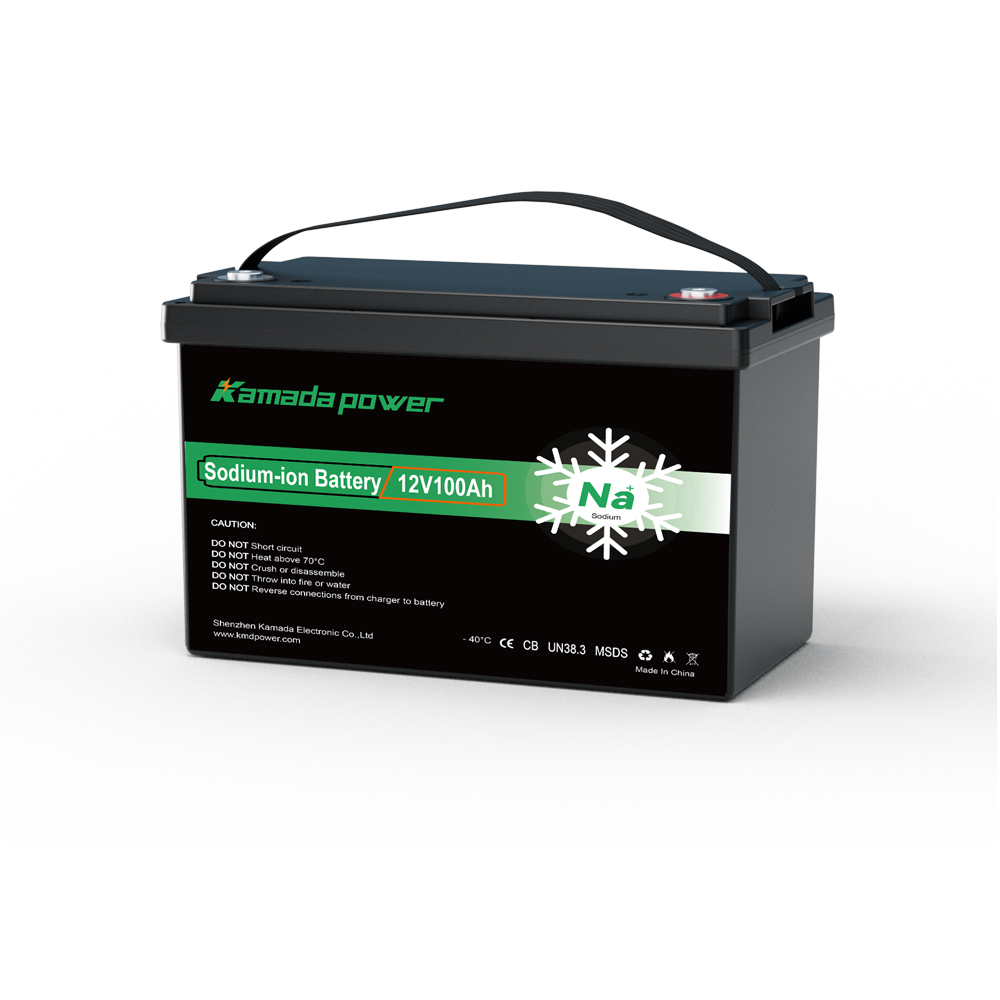
Натриево-ионный аккумулятор Kamada Power 12v 100Ah
Теряют ли натрий-ионные батареи емкость при длительном хранении при напряжении 0 В?
Да, это возможно. Натрий-ионные элементы часто называют «устойчивыми к напряжению 0 В», поскольку многие из них лучше переносят условия нулевого напряжения, чем обычные литий-ионные элементы. Одна из основных причин заключается в конструкции элемента. Во многих конструкциях натриево-ионных элементов на отрицательном полюсе вместо меди можно использовать алюминиевые токосборники, что позволяет избежать проблемы растворения меди, из-за которой глубокая переразрядка становится особенно опасной во многих литий-ионных элементах.
Но это преимущество в плане безопасности не гарантировать полное сохранение рабочих характеристик после длительного хранения при напряжении 0 В.
Хранение при напряжении 0 В по-прежнему может привести к межфазной нестабильности, ухудшению состояния SEI, повышению импеданса, снижению полезной емкости, ухудшению скоростных характеристик или сокращению будущего срока службы. Элемент может быть безопасен для повторной зарядки, но при этом его рабочие характеристики могут ухудшиться.
Это различие имеет важное значение для производителей оригинального оборудования, дистрибьюторов и системных интеграторов. Заявление о 0 В не должно становиться основой для политики хранения данных, если поставщик не может продемонстрировать фактические данные о восстановлении в определённых условиях.
Что на самом деле означает «хранение при напряжении 0 В» в реальных условиях эксплуатации?
Фраза «хранится при напряжении 0 В» может описывать совершенно разные ситуации. Напряжение элемента может кратковременно опуститься до 0 В в результате случайной переразрядки. Аккумуляторная батарея может простаивать до тех пор, пока паразитные нагрузки не разрядят её. Поставщик может отправлять элементы или батареи в состоянии нулевого напряжения по логистическим соображениям и из соображений безопасности. В лаборатории могут проводиться повторяющиеся циклы с напряжением 0 В в рамках испытаний на ненадлежащее использование или восстановление. Или на складе могут непреднамеренно оставлять разряженные аккумуляторы на несколько недель или месяцев.
Это не одно и то же. Кратковременное понижение напряжения до 0 В с последующим контролируемым восстановлением отличается от реального длительного хранения при напряжении 0 В. Периодические испытания при напряжении 0 В также отличаются от ситуации, когда аккумулятор месяцами хранится на жарком складе или в сезонном оборудовании.
Даже если напряжение на клеммах выглядит одинаковым, внутреннее состояние батареи может быть совершенно иным. Показатель SEI, запас натрия, состояние границ раздела электродов, поведение газов, саморазряд и рост импеданса — все это зависит от того, как батарея достигла напряжения 0 В, как долго она находилась в этом состоянии, от температуры хранения и от того, как ее восстанавливали.
Таким образом, правильный вопрос заключается не только в том, «Может ли напряжение опуститься до 0 В?» Лучше спросить: «Как долго напряжение оставалось на уровне 0 В, при какой температуре, и какие значения емкости и сопротивления были восстановлены впоследствии?»
Почему часто говорят, что натрий-ионные батареи лучше переносят напряжение 0 В, чем литий-ионные?
Причина вполне реальна, и это одна из привлекательных коммерческих особенностей натрий-ионных батарей.
Во многих литий-ионных элементах глубокая разрядка может привести к снижению потенциала отрицательного электрода настолько, что медный токосъемник подвергнется окислению и растворению. В процессе зарядки растворенная медь может вновь осаждаться, что повышает риск возникновения внутренних коротких замыканий. Это одна из причин, по которой сильная разрядка считается опасной во многих литий-ионных системах.
Натрий-ионные аккумуляторы часто позволяют избежать этого конкретного механизма выхода из строя, поскольку во многих конструкциях используются алюминиевые токосборники, которые демонстрируют большую стабильность при напряжении 0 В. Это помогает объяснить, почему натрий-ионные аккумуляторы активно рассматриваются в качестве решения для транспортных средств с нулевым уровнем выбросов, в условиях, требующих безопасного обращения, для оборудования, находящегося в режиме длительного простоя, а также для применений, допускающих глубокую разрядку.
Но формулировка должна быть точной.
Натрий-ионные батареи позволяют избежать один из основных механизмов отказа литий-ионных аккумуляторов. Это не означает, что удается избежать всех процессов деградации, вызванных глубокой разрядкой или длительным хранением. То, что при напряжении 0 В аккумулятор находится в более безопасном состоянии, не означает, что его состояние при этом остается неизменным. Это также не означает, что все натрий-ионные аккумуляторы ведут себя одинаково.
Почему длительное хранение при напряжении 0 В все же может привести к снижению емкости?
Ведь риск не ограничивается только отказом токосборника.
Когда натриево-ионный аккумулятор находится в состоянии 0 В, внутренние интерфейсы могут стать нестабильными. Слой SEI может частично раствориться или разрушиться. При повторной зарядке аккумулятора может потребоваться восстановление слоя SEI, что приводит к расходу активного натрия и увеличению импеданса. В зависимости от химического состава и электролита после глубокой разрядки нестабильность может наблюдаться и на стороне положительного электрода.
Результат может быть следующим:
- снижение восстановленной мощности
- более высокий показатель DCIR или ACIR
- снижение выходной мощности
- худшие характеристики при низких температурах
- более быстрое разложение в поздних фазах цикла
- усиление саморазряда
- отек или образование газов в тяжелых случаях
Для инженерных команд главный вопрос заключается не только в том, можно ли возобновить работу аккумулятора. Гораздо важнее то, соответствует ли он после восстановления требованиям к возвращению в эксплуатацию.
Аккумулятор, который заряжается после падения напряжения до 0 В, может по-прежнему не пройти проверку емкости, проверку внутреннего сопротивления, проверку саморазряда или не соответствовать требованиям к сроку службы.
Все ли натрий-ионные батареи одинаково реагируют на хранение при напряжении 0 В?
Нет. Это один из самых важных моментов.
«Натрий-ионная батарея» — это не какая-то одна конкретная конструкция. Важна химическая структура. Важен электролит. Важен материал анода. Важна химическая структура положительного электрода. Важны также форма элемента, конструкция токосборника, сепаратор, процесс формования, температура хранения и ток восстановления.
Некоторые натрий-ионные элементы продемонстрировали лишь незначительную потерю емкости после определённых испытаний в режиме покоя при напряжении 0 В. Некоторые из них практически не показали измеримой потери емкости при выполнении определённых протоколов. Другие элементы продемонстрировали повышение сопротивления или ухудшение цикличности после хранения в полностью разряженном состоянии.
Коммерческие продукты на основе натрий-ионных аккумуляторов также различаются. Некоторые платформы могут лучше справляться с многократными перепадами напряжения до 0 В, чем другие, в то время как другие могут быть оптимизированы с учетом стоимости, энергетической плотности, характеристик при низких температурах или срока службы.
Это означает, что заявление поставщика о 0V имеет значение только в том случае, если оно содержит:
- химия или клеточная платформа
- продолжительность при напряжении 0 В
- температура хранения
- метод измерения тока и напряжения при восстановлении
- восстановленная мощность
- изменение импеданса
- данные цикла после восстановления
- отек, утечка или замечания по безопасности
Без этих сведений формулировка «стабильность при 0 В» является неполной.
Как долго можно оставлять натрий-ионный аккумулятор при напряжении 0 В?
Не существует универсального показателя, применимого ко всем натрий-ионным батареям.
Несколько часов при напряжении 0 В после случайной глубокой разрядки — это не то же самое, что несколько дней. Несколько дней — это не то же самое, что недели или месяцы. Лабораторные испытания при контролируемой температуре — это не то же самое, что хранение на складе, транспортировка в контейнерах или сезонное хранение оборудования.
Температура также влияет на результат. Аккумулятор, хранящийся при напряжении 0 В в контролируемых условиях, может вести себя иначе, чем аккумулятор, оставленный в условиях высоких температур при транспортировке, на морозе на открытом воздухе или на влажном складе. Повышенная температура может ускорить побочные реакции. Низкие температуры могут повлиять на процесс восстановления и ограничить возможности зарядки.
По этой причине ответственные поставщики не должны просто заявлять, что «хранение при напряжении 0 В является безопасным». Они должны указывать подтвержденные данные о продолжительности хранения, диапазоне температур, методе восстановления и рабочих характеристиках после восстановления.
Практическое правило для покупателя гласит:
Рассматривайте короткий период допуска напряжения 0 В как преимущество с точки зрения безопасности и восстановления работоспособности. Рассматривайте длительное хранение при напряжении 0 В как вопрос, связанный с эксплуатационными характеристиками, для решения которого необходимы данные от поставщика.
Может ли натрий-ионный аккумулятор полностью восстановить свои рабочие характеристики после длительного хранения при напряжении 0 В?
Иногда да, иногда лишь отчасти.
Есть обнадеживающие примеры, свидетельствующие о том, что некоторые натрий-ионные аккумуляторы способны хорошо восстанавливаться после работы при нулевом напряжении, демонстрируя незначительные изменения емкости или сопротивления в определённых условиях испытаний. Это одна из причин, по которой натрий-ионные аккумуляторы представляют коммерческий интерес для сферы транспорта, складского хозяйства, резервного энергоснабжения и оборудования, находящегося в длительном режиме простоя.
Однако эти результаты не следует распространять на весь рынок.
Результаты, полученные для одной конкретной ячейки, одного химического состава, одного срока хранения, одной температуры и одного протокола восстановления, не доказывают, что все натрий-ионные батареи могут находиться в состоянии 0 В в течение нескольких месяцев без потери емкости. Другие исследования и коммерческие испытания показывают, что некоторые натрий-ионные ячейки после хранения могут демонстрировать повышенное сопротивление, снижение емкости или ухудшение циклических характеристик.
Правильный вывод заключается не в том, что «напряжение 0 В не наносит ущерба». И не в том, что «напряжение 0 В всегда выводит элемент из строя».
Правильный вывод:
Восстановление возможно, зачастую оно безопаснее, чем в традиционных литий-ионных системах, но по-прежнему зависит от конкретных условий, химического состава и эксплуатационных характеристик.
О чем покупатели должны спрашивать поставщиков в отношении заявлений о сроке хранения 0V?
Покупателям следует запрашивать данные о восстановлении, а не ограничиваться лишь заявлениями о выживаемости.
| Вопрос | Почему это важно |
|---|
| Что означает ваше утверждение о 0 В? | Кратковременное понижение напряжения до 0 В, транспортировка при напряжении 0 В, многократные циклы понижения напряжения до 0 В и длительное хранение при напряжении 0 В — это разные вещи. |
| Какие химические вещества и электролиты проверялись? | Поведение при 0 В зависит от химического состава. |
| Как долго элемент или аккумуляторная батарея находились в состоянии 0 В? | Продолжительность оказывает значительное влияние на риск ухудшения качества. |
| При какой температуре он хранился? | Температура влияет на скорость реакции и характер восстановления. |
| Какой метод измерения тока и напряжения восстановления использовался? | Слишком интенсивная реабилитация может вызвать дополнительный стресс. |
| Какой объем был восстановлен? | Восстановление работоспособности системы безопасности не означает полного восстановления работоспособности системы. |
| Как изменились показатели DCIR и ACIR? | Увеличение сопротивления влияет на мощность и нагрев. |
| Проводились ли испытания велосипеда после ремонта? | Кратковременное восстановление не гарантирует долговечности. |
| Проверяли ли наличие отека, утечки или образования газа? | Физическая работоспособность имеет важное значение при принятии решений о возвращении к службе. |
| Это тестировалось на уровне ячейки или на уровне блока? | Поведение на уровне блока также зависит от системы управления батареей (BMS), дисбаланса и паразитного тока. |
При выборе натриево-ионных аккумуляторов на уровне блока покупателям следует также уточнить следующие параметры: поведение системы управления батареей (BMS) при отключении, ток в режиме ожидания, паразитный ток, риск дисбаланса элементов, пределы восстановительного тока, а также критерии повторной квалификации после сброса напряжения до 0 В.
Хороший ответ поставщика должен содержать не только фразу «аккумулятор можно зарядить». В нём должно быть указано, проходит ли аккумулятор базовую проверку на пригодность к эксплуатации: проверку емкости, внутреннего сопротивления, саморазряда, восстановления напряжения, температурных характеристик и видимой стабильности.
Каковы оптимальные методы хранения данных, если вы хотите сохранить объем хранилища?
Не следует рассматривать напряжение 0 В в качестве стандартного уровня заряда аккумулятора только потому, что натрий-ионные аккумуляторы лучше переносят такое напряжение, чем литий-ионные.
Натрий-ионная батарея может выдержать напряжение 0 В, но это не означает, что 0 В — оптимальное состояние для сохранения ее рабочих характеристик в долгосрочной перспективе. Если целью является максимальное восстановление емкости и минимальный риск деградации, покупателям следует соблюдать рекомендованные поставщиком значения уровня заряда (SOC) при хранении, напряжения, диапазона температур, периодичности проверок и правил подзарядки.
Для производителей и дистрибьюторов это также вопрос гарантийного обслуживания и управления запасами. Если аккумуляторы могут в течение длительного времени находиться на складе, в пути, в резервных шкафах, в сезонном оборудовании или в удаленном оборудовании, правила хранения должны основываться на проверенных данных о восстановлении работоспособности.
Более убедительный и надежный посыл заключается в следующем:
Натрий-ионные батареи могут обеспечить значительное преимущество с точки зрения безопасности и логистики (0 В) в некоторых химических составах и областях применения, однако по-прежнему важно соблюдать правила хранения.
В каких случаях допуск 0 В имеет практическое значение
Допуск в 0 В может оказаться полезным при правильном использовании.
| Приложение | Почему нулевой допуск помогает |
|---|
| Транспорт и логистика | Снижение запаса энергии может улучшить управляемость и снизить риск при соблюдении определенных правил. |
| Резервное питание | Длительные периоды простоя создают риск глубокой разрядки, если не контролировать нагрузку на систему. |
| Промышленное оборудование | Между сезонами эксплуатации машины могут простаивать месяцами. |
| Системы удаленного мониторинга | Доступ для технического обслуживания ограничен, поэтому важно, как происходит восстановление. |
| Запасы OEM-производителей | Перед установкой аккумуляторы можно хранить на складе. |
| Товары для аренды или сезонные товары | Пользователи могут не заряжать устройство между использованием. |
Однако эти преимущества следует рассматривать как конструктивные достоинства, а не как оправдание для небрежного хранения. В любом случае по-прежнему важны защита на уровне упаковки, контроль паразитной нагрузки, процедура восстановления и правила проверки.
Что необходимо проверить после сбоя напряжения до 0 В?
Если натрий-ионный аккумулятор хранился при напряжении 0 В или был восстановлен после глубокой разрядки, не следует оценивать его работоспособность только по тому, включается ли устройство.
Базовая проверка перед возвращением в эксплуатацию должна включать:
- восстановленная мощность
- стабильность напряжения при размыкании цепи
- Изменение DCIR или ACIR
- ненормальный саморазряд
- принятие заряда
- повышение температуры во время заряда и разряда
- заметный набухание, протечка или выпуск газа
- История сигналов тревоги или срабатываний систем защиты BMS
- баланс элементов в последовательных батареях
- короткий тест на восстановление работоспособности, если приложение имеет критическое значение
Для высокотехнологичных OEM-решений, систем резервного питания или промышленных применений данная сортировка имеет большое значение. Она помогает отделить «подлежащие восстановлению» изделия от «все еще пригодных к эксплуатации».
Заключение
Итак, натрий-ионный аккумулятор может ли он потерять емкость при длительном хранении при напряжении 0 В? Они могут. Натрий-ионные аккумуляторы обладают большей устойчивостью к напряжению 0 В, чем литий-ионные, поскольку во многих конструкциях удается избежать растворения медного токоприемника. Однако длительное хранение при напряжении 0 В по-прежнему может привести к увеличению сопротивления, снижению восстанавливаемой емкости и ухудшению характеристик при последующих циклах заряда-разряда.
Главный вопрос заключается не в том, «может ли он достичь 0 В?», а в том, «Что происходит после хранения, при каких условиях и на основании каких доказательств?» Если ваш проект предполагает длительное хранение, риск глубокой разрядки или транспортировку в полностью разряженном состоянии, связаться с нами с учетом ваших условий хранения и требований к восстановлению. Мы поможем подобрать подходящее конструкция натриево-ионного аккумулятора.