Якщо ви запитуєте, скільки коштує Акумулятор 12v для зважування човна, відповідь - перевірка реальності: більшість стандартних суднових акумуляторів групи 24/27/31 мають вагу
між 40-85 фунтівв той час як масивні 4D/8D юніти можуть вражати 110-190 фунтів. На противагу цьому, сучасний 12В 100Ач LiFePO4 акумулятор LiFePO4 зменшує вагу до 22-31 фунта.-це має величезне значення для продуктивності, осадки і вашого хребта, особливо в багатобатарейних човнах. Нижче ми наведемо точну вагу за розміром і хімічним складом, покажемо, як визначити розмір вашої групи за лічені секунди, і пояснимо, чому скидання кілограмів має значення для керованості вашого човна.
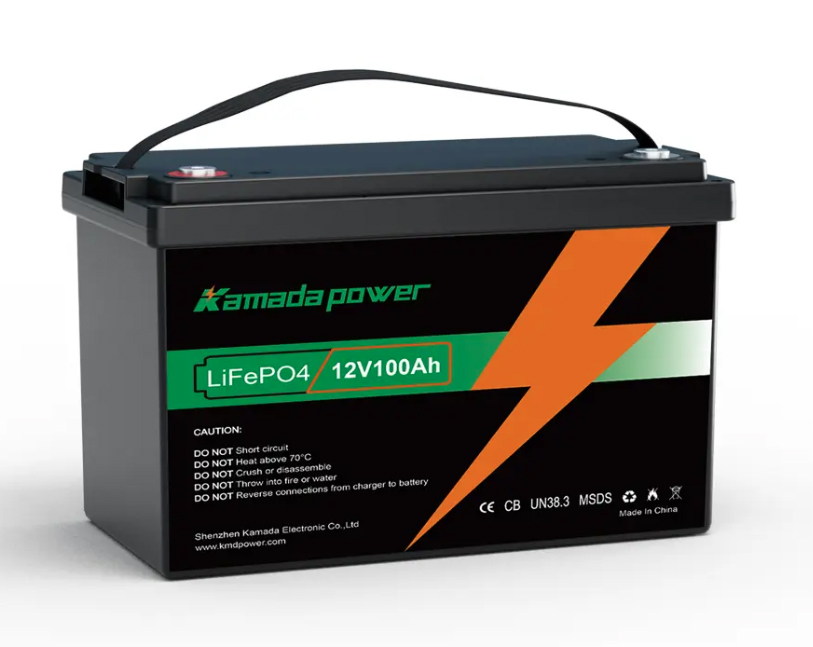
Акумулятор Kamada Power 12v 100Ah Lifepo4
12В акумуляторна батарея для човна вагова діаграма (за розміром групи + хімія)
Використовуйте це як діапазон планування. Ваша конкретна модель може бути легшою або важчою залежно від проектування початкового та глибокого циклу, резервна потужність (РП), CCAтовщина корпусу, ручки, а також те, чи розрахований він на високу вібрацію.
Це важливо: Розмір групи BCI описує слід від справине є гарантованою вагою.
Як були обрані ці цифри
Це типові ринкові діапазони ви побачите основні морські та акумуляторні посилання, а також те, що виробники зазвичай публікують у специфікаціях. Найбезпечніший робочий процес: використовуйте діапазон для плануваннятоді перевірте свою точну модель на етикетці/специфікації перед тим, як щось купувати чи переміщувати.
| Розмір групи BCI | Типові розміри (Д×Ш×В) | Загальний діапазон ємності (А-год) | Залита свинцево-кислотна маса (типовий діапазон) | Вага AGM (типовий діапазон) | Вага LiFePO4 (типова, порівнянна корисна енергія) | Загальне використання |
|---|
| Група 24 | ~10.25×6.8×8.9 дюйма | ~70-85Ah | ~ 40-60 фунтів | ~ 45-70 фунтів | ~18-28 фунтів | Стартовий / легкий будинок |
| Група 27 | ~12.1×6.8×8.9 дюйма | ~85-105Ah | ~50-70 фунтів | ~ 55-80 фунтів | ~22-31 фунт | Домашній / помірний глибокий цикл |
| Група 31 | ~13×6.8×9.4 дюйма | ~100-125Ah | ~ 55-80 фунтів | ~ 60-85 фунтів | ~23-33 фунта | Тролінг берегів / важкий глибокий цикл |
| 4D | ~20.75×8.75×9.8 дюйма | ~150-220Ah | ~ 100-150 фунтів | ~110-170 фунтів | (Часто модульні) | Великі домашні банки |
| 8D | ~20.75×11×9.8 дюйма | ~220-250Ач+ | ~ 120-180 фунтів | ~ 130-190 фунтів | (Часто модульні) | Яхти / комерційні |
Дві короткі замітки, які врятують від головного болю:
- Якщо ви порівнюєте свинцеву кислоту з LiFePO4, порівняйте корисна потужністьа не просто "з оцінкою А".
- Завжди перевіряйте специфікацію вашої моделі перед покупкою - особливо для Група 31 і 8D де варіативність є поширеним явищем.
Визначте розмір і вагу вашої групи батарей за 30 секунд
Більшість людей насправді не знають, що у них є, доки не підуть за покупками. Ось швидкий спосіб.
Перевірте верхню етикетку (найкращий спосіб)
Подивіться на верхній або бічній етикетці акумулятора, щоб знайти Розмір групи BCI (Група 24/27/31/4D/8D). Якщо це не очевидно, візьміть номер моделі і знайдіть специфікацію виробника. Це найшвидший шлях до точної ваги.
Порада професіонала: Якщо ви перебуваєте в тісному купе, швидко сфотографуйте етикетку на телефон, а потім шукайте - не вгадуйте.
Виміряйте заряд акумулятора (резервний метод)
Якщо етикетки стерлися, виміряйте довжина × ширина × висота і знайдіть найближчий розмір групи з таблиці. Будьте обережні з "близькими родичами" (особливо з групою 27 та групою 31). Деякі лотки підходять для обох, але різниця у вазі все одно може бути суттєвою.
Якщо у вас є батарея, швидко підрахуйте загальну вагу
Загальна вага банку - це проста математика:
Загальна вага = вага батареї × кількість батарей
- Банк тролінгових двигунів 24В = 2×
- Банк тролінгових електродвигунів 36В = 3×
Саме тут "керованість" перетворюється на "чому моя корма важча, ніж в минулому сезоні?".
Вага за розміром групи: Скільки важить акумулятор вашого човна
Група 24 вага акумулятора (невеликі човни, стартові, легкі домашні навантаження)
Група 24 часто зустрічається на невеликих човнах і установках, де в першу чергу запускається двигун і працює легка електроніка. Затоплена група 24 часто приземляється в районі 40-60 фунтів AGM може бути аналогічним або важчим, залежно від комплекції.
Коли Група 24 замала: короткий час роботи електроніки, помітне падіння напруги під навантаженням або часті сигнали про низьку напругу при звичайному використанні.
Вага акумулятора групи 27 (універсальний розмір глибокого циклу)
Група 27 - це "золота середина". Це популярний типорозмір домашніх батарей, який підходить для помірних потреб глибокого циклу. Очікується ~50-80 фунтів залежно від затоплення проти AGM та резервної потужності.
Якщо ви додаєте другу батарею, пам'ятайте, що вага швидко збільшується, і розміщення має таке ж значення, як і загальна кількість фунтів.
Вага акумулятора групи 31 (робоча конячка для тролінгу акумуляторних батарей)
Група 31 повсюдно використовується в тролінгових акумуляторних батареях і важких системах з глибоким циклом. Типові свинцево-кислотні / AGM акумуляторні батареї групи 31 часто встановлюються в ~ 60-85 фунтів по сусідству.
Перевірка реальності: 31 група не страшна, поки вам не доведеться піднімати другу. Або третю. Банківська математика робить вагу проблемою системного рівня.
Вага батареї 4D і 8D (великі домашні банки, яхти, комерційні)
Батареї 4D і 8D - великі, важкі, і, як правило, не під силу одній людині. Це класичні категорії "підйомників для двох осіб", і саме тут міцність лотка, кріпильні пристрої та доступ стають непереборними.
Чому дві "однакові за типорозміром" батарейки можуть важити дуже по-різному (не дайте себе обдурити)
Це одне з найпоширеніших джерел плутанини (і повернень).
Початковий та глибокий цикл (товщина пластини змінює вагу)
Батареї глибокого циклу часто важать більше, ніж стартерні батареї того ж розміру, оскільки вони використовують товстіші пластини і більш активний матеріал, щоб витримати багаторазові цикли розряджання/заряджання.
Резервна ємність (RC) і CCA можуть додати кілограмів
Вище. резервна потужність і вище CCA зазвичай означають більшу кількість внутрішнього матеріалу. Дві батареї групи 31 можуть виглядати однаково зовні, але відрізнятися за такими параметрами 10-20 фунтів залежно від дизайну перформансу.
Затоплений vs AGM (іноді AGM схожий або важчий)
Акумулятори AGM використовують сепаратор зі скляної сітки і розроблені таким чином, щоб бути стійкими до розливу і вібрації. Це дуже важливо для човнів - але AGM можуть мати таку ж вагу, як і затоплені, а іноді й більшу, залежно від внутрішньої конструкції.
Міні-їжа на винос: Розмір групи говорить вам про те, що ящик. Це не гарантує, що вага.
Вага за хімічним складом: Затоплені проти AGM/гелю проти LiFePO4
Залиті свинцево-кислотні (важкі + найдешевші на початку)
Заливні свинцево-кислотні батареї важкі, оскільки свинець щільний, а їхня конструкція спирається на значну масу пластин і рідкий електроліт. Вони можуть бути економічно вигідними, але вони мають найнижчу енергію на фунт і можуть вимагати більшої уваги (вентиляція, обслуговування, проблеми з розливом).
AGM / Гелеві (захищені від розливу, часто все ще важкі)
AGM і гелеві батареї популярні для човнів, оскільки вони стійкі до розливу і краще переносять вібрацію. Зазвичай вони все ще важкі - просто з ними легше і безпечніше працювати в багатьох випадках. Якщо відсік акумулятора закритий або доступ до нього незручний, це може мати більше значення, ніж очікують люди.
LiFePO4 (найлегша, найкраща корисна енергія на фунт)
LiFePO4 (літій-залізо-фосфат) часто значно легший за ті ж самі придатний для використання енергію. Багато власників бачать приблизно від 1/3 до 1/2 ваги порівняно зі свинцево-кислотними системами з аналогічною корисною ємністю.
Важливе зауваження: вага літію варіюється на конструкція корпусу, внутрішні шини та BMS (система управління батареями) апаратне забезпечення. Не думайте, що кожна "літієва батарея на 100 Ач" важить однаково - порівнюйте технічні характеристики, а не маркетингові етикетки.
Чому вага акумулятора має значення на човні (швидкість, осадка і баланс)
Вага впливає на те, як ваш човен сидить і поводиться - особливо якщо вона сконцентрована на кормі або зміщена вбік.
Осадка і мілководдя (проблема "чому я торкаюся дна?")
На ялику або плоскодонці кілька додаткових дюймів осадки можуть стати різницею між крейсерством і штовханиною. Додайте вагу біля корми, і ви зможете зменшити запас ходу на мілководді. Розглядайте вагу акумулятора як частину вашого проект бюджетуа не виноска.
Планування, максимальна швидкість і витрата палива (момент "раніше він з'являвся швидше")
Якщо човен повільніше піднімається на площину, то першими підозрюваними є вага і розміщення вантажу. Чи призведе кожна заміна батареї до різкої зміни швидкості? Форма корпусу, кінські сили і завантаження домінують.
Але відчувати глибина глиссирування і реакція дросельної заслінки можуть змінитися, особливо якщо ви приберете значну кормову вагу або візьмете з собою кілька акумуляторів для тролінг-банку.
Баланс і лістинг (постійне зменшення)
Невеликий список на відпочинку перетворюється на постійне роздратування: кулери ковзають, вода в басейнах розтікається, а човен просто відчуває себе "вимкненим". Якщо акумуляторна батарея зміщена по лівому/правому борту, це може призвести до постійного нахилу. Іноді це можна виправити, просто відцентрувавши батарею або збалансувавши її за допомогою іншого спорядження.
Безпека та доступ (важкі батареї ускладнюють виконання простих завдань)
Найгірший підйом - це той, який ви робите двічі, тому що не можете дотягнутися до клеми або ремінця. Важкі батареї збільшують ризик падіння і ускладнюють перевірку. Ось чому "корисна енергія на фунт" має більше значення, ніж номінальна ємність у специфікації.
Порівняння: Корисна енергія проти мертвої ваги
Важкий акумулятор не означає, що він автоматично хороший. Важливо те, що корисна потужність.
- Реальність щоденного використання свинцевої кислоти: багато інсталяцій мають розмір близько ~.50% Глибина вивантаження (DoD) для збереження тривалості життя.
- Реальність щоденного використання LiFePO4: Літій може розряджатися глибше; багато власників використовують ~80-90% щоденне вікно на довговічність (навіть якщо система може піти далі).
Простий сценарій
Якщо вам потрібно приблизно 100Ah корисний для домашньої роботи:
- Для свинцево-кислотного акумулятора можуть знадобитися Номінальна потужність ~200Ah щоб комфортно передавати цю корисну енергію, не живучи весь час у стані глибокого розряду. Це часто означає більше батарей і більшу вагу.
- Акумулятор LiFePO4 часто може виробляти аналогічну корисну енергію з меншою загальною масою - особливо в багатобатарейних установках (24В/36В акумулятори).
Саме тут "економія ваги" переходить у практичну площину: легше встановлювати, легше отримати доступ, менше присідати на кормі і більше гнучкості у виборі місця для розміщення банку.
Переходимо на літій? Що ще потрібно змінити (щоб нічого не зламати)
Зменшення ваги є реальним, але літій не завжди є ідеальним "доповненням", якщо решта системи не відповідає йому.
Сумісність із зарядними пристроями (вбудовані профілі зарядних пристроїв змінного струму)
Багато бортових зарядних пристроїв мають спеціальні профілі для залитих/AGM/гелевих акумуляторів. LiFePO4 часто вимагає інших цільових значень напруги та поведінки при завершенні роботи. Якщо ваш зарядний пристрій не підтримує профіль LiFePO4 (або регульовані налаштування), ви можете недозарядити, перезарядити або скоротити термін служби акумулятора.
Міркування щодо зарядки від генератора/підвісного двигуна
Генератори змінного струму поводяться інакше, ніж розумні зарядні пристрої змінного струму. Літієві батареї можуть швидко приймати великий струм, що дуже добре, але в деяких системах це може викликати навантаження на компоненти зарядного пристрою, якщо немає відповідної стратегії управління. Це не попередження "не робіть цього" - просто перевірте свої налаштування.
Захист від перегріву та низькотемпературного заряджання
Зарядка LiFePO4 при температурі нижче нуля може бути обмежена залежно від конструкції BMS. Якщо ви експлуатуєте човен у холодному кліматі, переконайтеся, що ваша батарея має низькотемпературний захист заряду або відповідної стратегії.
Номінальний струм BMS у порівнянні з реальними навантаженнями
Match BMS постійний струм до ваших реальних навантажень - тролінгові двигуни, інвертори, лебідки та насоси можуть споживати значний струм. Не розраховуйте ємність акумулятора лише на А-год. Вибирайте його в поточна поставка теж.
Якщо вам потрібна швидка перевірка на осудність: вкажіть тип вашого човна, напругу в мережі (12/24/36 В), основні навантаження та джерела заряджання (зарядний пристрій змінного струму, генератор, сонячна батарея). Це займе лічені хвилини, щоб виявити найпоширеніші проблеми невідповідності.
5 порад щодо безпеки під час підйому та встановлення суднових акумуляторів
- Використовуйте ремінь для підйому батареї/тримач (уникайте защемлення пальців і крапель).
- Піднімайте ногами; уникайте скручування в тісному трюмі.
- Підтвердити номінальна вага лотка/коробки і стан кріплення.
- Використовуйте належним чином стяжки (снарядами можуть стати акумуляторні батареї на човнах).
- Отримайте допомогу для 4D/8D (або все, що ви не можете безпечно підняти).
Висновок
Вага суднового акумулятора 12В залежить в основному від Розмір групи BCI і хіміяі навіть одна і та ж група може відрізнятися за конструкцією (глибокий цикл проти пускового, RC/CCA, дизайн корпусу). Заливні та AGM важкі; LiFePO4 може значно зменшити вагу при аналогічній корисній енергії - особливо в тролінгових акумуляторних батареях 24В і 36В, де кілограми швидко множаться.
Якщо для вас критична вага (мілководні човни, чутливі до продуктивності установки, тролінгові банки), літій часто має сенс. Якщо ви обмежені в коштах, затоплені/AGM можуть підійти - просто сплануйте підйомник, опору для лотка і надійні кріплення. Зв'яжіться з нами за індивідуальна морська батарея на 12 В рішення.
ПОШИРЕНІ ЗАПИТАННЯ
Скільки важить морська батарея групи 31?
Більшість свинцево-кислотних / AGM акумуляторів групи 31 приземляються приблизно в 60-85 фунтів але він залежить від конструкції глибокого циклу проти стартового та від резервної потужності. Завжди перевіряйте етикетку з технічними характеристиками вашої конкретної моделі.
Скільки важить морський акумулятор 8D?
Акумулятор 8D - один з найважчих поширених типорозмірів для морських суден. Традиційні заливні / AGM 8D батареї часто потрапляють в ~ 120-190 фунтів залежно від конструкції. Передбачте міцність лотка, надійність кріплень і можливість підйому двома людьми.
Скільки важить літієва батарея 12В 100Ач?
Багато 12В 100Ач LiFePO4 акумуляторів зазвичай використовуються в ~22-31 фунт залежно від конструкції корпусу та обладнання BMS. Порівнюйте корисну ємність і номінальний струм, а не тільки номер шкали.
Скільки ваги я можу заощадити, перейшовши на LiFePO4?
Часто дуже багато - особливо в тролінгових банках 24В/36В, де ви замінюєте 2-3 важкі батареї. Точне зменшення залежить від того, що ви замінюєте (залиті чи AGM), конструкції батареї (RC/товщина пластин), а також від того, як ви підбираєте розмір для придатний для використання здатність.
Чи покращить перехід на літій швидкість човна або економію палива?
Іноді ви помітите легше глиссирування або інше відчуття диферента - особливо якщо прибрати значну кормову вагу - але вплив сильно варіюється в залежності від корпусу, кінських сил і загального навантаження. Подумайте про це так гнучкість обрізки та обробки по-перше, не гарантований приріст швидкості.
Чи потрібен новий зарядний пристрій при переході з AGM на LiFePO4?
Часто так - або, принаймні, вам потрібен зарядний пристрій з Профіль LiFePO4 або регульованими налаштуваннями. Правильний режим заряджання захищає як продуктивність, так і довговічність. Перед покупкою перевірте технічні характеристики вашого бортового зарядного пристрою.
Чи можна замінити AGM на LiFePO4 в тому самому відсіку акумулятора?
Іноді - але не припускайте. Навіть якщо випадок підходить, вам все одно потрібно підтвердити профіль зарядного пристрою, поведінка зарядки генератора змінного струму, Поточний рейтинг BMSі захист від низькотемпературної зарядки для вашого клімату. Заміна "підходящого лотка" все одно може призвести до електричної невідповідності.