Розширений посібник з вибору розміру: Натрієва батарея 12В Вибір розміру акумулятора для автономного сонячного насоса виходить далеко за рамки відповідності ампер-годин. Якщо ви спостерігали, як система виходила з ладу після тривалого похмурого сезону, то на власному досвіді переконалися, що система, не розрахована на реальні фізичні закони, приречена на невдачу. Свинцево-кислотні акумулятори просто вмирають при щоденному глибокому циклічному заряді, тоді як навіть Акумулятор LiFePO4 можуть бути крихкими в умовах екстремальних температур на справжній фермі. У цьому контексті, на нашу думку. Натрієво-іонна батарея 12В це надійне рішення, на яке так довго чекала ця галузь. Забудьте про просту математику; цей посібник розповідає про те, що допомагає воді текти: як керувати пусковими струмами насоса, розраховувати потреби на основі об'єму води та як пережити мусонні дощі.
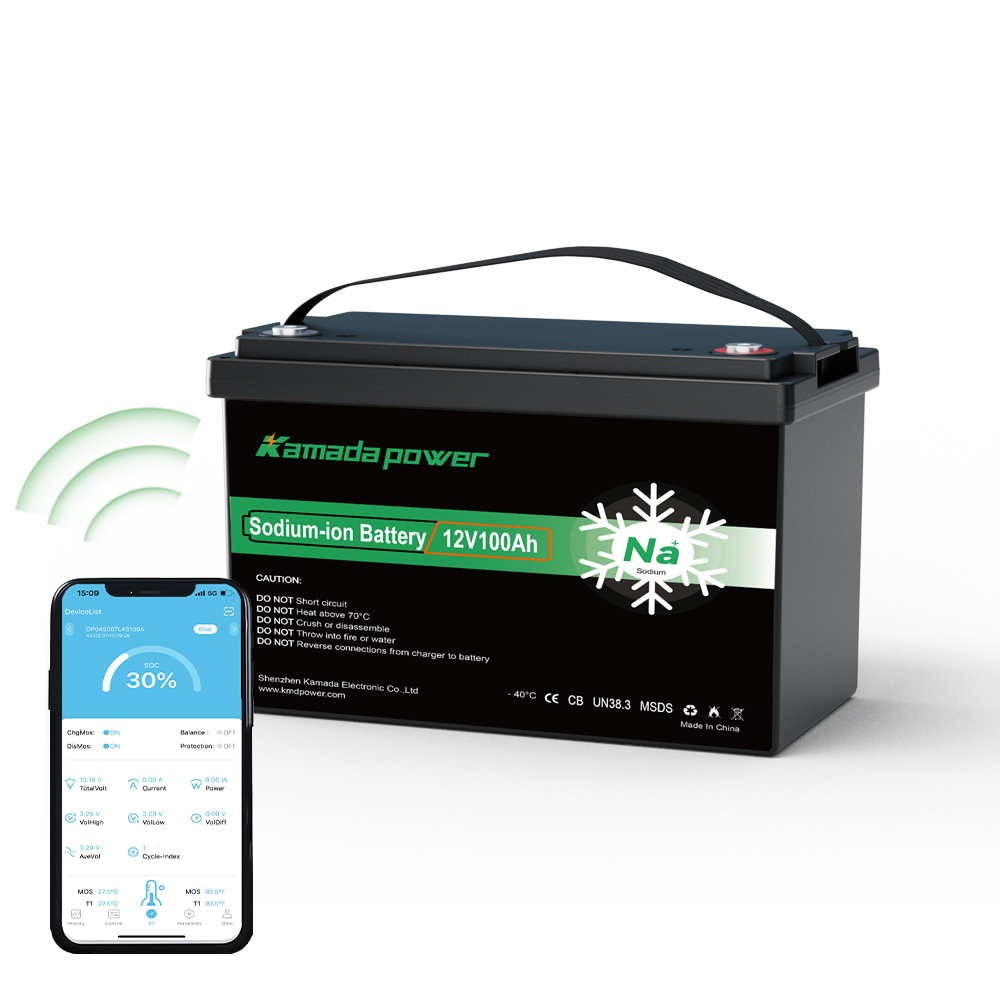
Іонно-натрієва батарея Kamada Power 12V 100Ah
Крок 1: Розрахунок добового об'єму підйому (з води у вати)
Менеджери із закупівель та фермери мислять не в "кіловат-годинах", а в "галонах на день". Перший і найважливіший крок - перевести ваші фізичні потреби у воді в бюджет електроенергії. Перш ніж ви навіть подивитесь на батарею, ви повинні зрозуміти, яку роботу ви хочете від неї отримати.
Це починається з розуміння Загальний динамічний напір (TDH). Це не просто вертикальна відстань від свердловини до бака з водою. Подумайте про це так: вертикальний підйом - це як підйом по сходах, але втрати на тертя в трубі - це як проштовхування через переповнений коридор - це забирає додаткову енергію.
Хороша робоча формула така: TDH = Вертикальний підйом + Втрати на тертя + Тиск перекачування.
Після того, як ви знаєте свій TDH і кількість води, необхідну для переміщення, ви можете розрахувати потребу в енергії у ват-годинах (Вт-год). Спрощена формула, яку ми використовуємо в польових умовах, виглядає приблизно так (для метричних одиниць):
(Об'єм води в літрах x TDH в метрах) / (367 x ККД насоса %) = Енергія в кВт-год
Розглянемо реальний приклад. Ранчо великої рогатої худоби в Західному Техасі має піднімати 10 000 літрів (близько 2 600 галонів) на день зі свердловини в резервуар для зберігання. Загальний напір (TDH) становить 30 метрів, і вони використовують занурювальний насос постійного струму з ККД 60%.
(10 000 л х 30 м) / (367 х 0,60) = 1362 Вт, або 1,36 кВт-год на день.
А тепер порада професіонала: ваші сонячні панелі зроблять важку роботу в середині дня. Акумулятор тільки повинна покривати попит у "темні години". Якщо ранчо потребує лише 20% цієї води (2 000 літрів) для ранкового поливу, поки сонце ще не зійшло, робота акумулятора набагато менша: приблизно 272 Вт-год. Це число ми будемо використовувати для визначення розміру.
Крок 2: Подолання пускового струму двигуна насоса за допомогою натрієвих батарей
Ось сценарій, з яким постійно стикаються наші партнери по установці: новенька система підключена, світить сонце, але щоразу, коли насос намагається запуститися, він просто клацає, і вся система вимикається. Монітор заряду батареї показує 100%, але насос не працює.
Це робота пусковий струм двигуна. Уявіть собі, що це потужний поштовх енергії, необхідний для того, щоб зрушити з місця важкий вантажний потяг з мертвої точки. На короткий час - від мілісекунд до декількох секунд - двигун постійного струму 12 В, розрахований на 10 ампер безперервного струму, може тягнути 30, 50 або навіть більше ампер.
Якщо система керування акумулятором (BMS) вашого акумулятора не розрахована на це, вона сприймає 50-амперний стрибок як небезпечне коротке замикання і миттєво відключає живлення, щоб захистити себе. В результаті система ніколи не запуститься.
Саме тут стає зрозумілою перевага натрій-іонних акумуляторів. Фундаментальна хімія натрієвих акумуляторів забезпечує надзвичайно високу швидкість розряду. Вони надійні за своєю природою і можуть забезпечувати ці короткі, потужні імпульси без деформації або деградації.
Ось ваш план дій Правило визначення розміру для припливу: Завжди вибирайте натрієву батарею 12 В з показником пікового розряду (зазвичай розрахованим на 3-5 секунд), який становить Від 3x до 5x номінальний безперервний струм двигуна насоса. Для 10-амперного насоса вам знадобиться батарея, BMS якої може витримати принаймні 30-50-амперний пік. Не забувайте про це - це основна причина збоїв у роботі нових установок.
Отже, ми знаємо наш енергетичний бюджет (272 Вт-год для "темних годин") і знаємо нашу пікову потребу в енергії. Тепер ми можемо нарешті визначити розмір акумулятора в ампер-годинах (Аг).
Крок A: Визначте кількість Вт-год, необхідну для несонячних годин. На прикладі нашого ранчо нам потрібно 272 Вт-год.
Крок B: Переведіть ват-години в ампер-години. Математика проста: Ват-години / Напруга = Ампер-години. 272 Вт / 12 В = 22,7 Ач.
Крок C: Врахувати глибину розряду (ГрР). Саме тут вибір хімічного складу батареї має величезне фінансове значення. Традиційний свинцево-кислотний акумулятор слід розряджати лише до 50%, щоб уникнути незворотних пошкоджень. Отже, щоб отримати 22,7 А-год корисної енергії, вам потрібно купити батарею вдвічі більшої ємності: 22,7 / 0,5 = 45,4 Ач. Ви платите за потужність, яку навіть не можете використовувати.
З іншого боку, натрій-іонні акумулятори можна безпечно і багаторазово розряджати до 90% або навіть 100% без шкоди для їхнього довгострокового ресурсу. Розрахунок кардинально змінюється:
22,7 А-год / 0,90 (DoD) = 25,2 А-год.
У цьому реальному сценарії стандартний 12В 30Ач натрій-іонний акумулятор з комфортом виконає роботу, для якої потрібна набагато більша і важча свинцево-кислотна батарея 12В 50Аг. Ви отримуєте більше корисної енергії на кожен витрачений долар.
Крок 4: Аналіз зарядки в сезон мусонів та днів автономної роботи
Ваша система працює бездоганно... до тих пір, поки не перестає. Будь-яка діяльність, що залежить від надійного водопостачання, наприклад, кавова плантація в Південно-Східній Азії в сезон мусонів або ферма в Північній Європі під час суворої зими, повинна плануватися на той час, коли сонце не буде світити.
Тут ми розраховуємо для Дні автономії-скільки похмурих днів поспіль ваша система може пережити і продовжувати подавати воду. Для критично важливих застосувань ми рекомендуємо планувати від 3 до 5 днів.
Математика проста: Добовий цикл А/год х Дні автономності = Загальна кількість необхідних А/год. Використовуючи нашу батарею розміром 30Ач: 30 А-год х 3 дні = 90 А-год. Щоб пережити три дні без сонця, ранчо потрібно було б встановити Натрієво-іонний акумулятор 12В 100Ач.
Але є один важливий момент, який робить натрій-іонні акумулятори єдиним прийнятним вибором для таких умов. Коли свинцево-кислотна батарея тижнями стоїть при температурі Частковий стан заряду (PSOC)відбувається незворотна сульфатація. Це схоже на закупорку артерій - вона постійно втрачає життєздатність і врешті-решт гине.
Натрій-іонна хімія повністю несприйнятлива до цього. Він не деградує, якщо залишити його частково зарядженим. Ви можете залишити натрієву батарею з рівнем заряду 30% на місяць, а коли сонце нарешті повернеться, вона зарядиться до рівня 100%, ніби нічого й не сталося. Ця особливість усуває головну причину, що вбиває автономні сільськогосподарські акумулятори в усьому світі.
Кінцевий контрольний список дозування натрію на 12 В для фермерів
Перед тим, як завершити розробку дизайну системи, пройдіться по цьому короткому контрольному списку:
- [✓] Чи підрахували ви енергію, необхідну для не в сонячні години на основі об'єму води та повного динамічного напору (TDH)?
- [✓] Ви перевірили пусковий струм насоса і переконалися, що пікова номінальна потужність вашого акумулятора відповідає правилу 3х-5х?
- [✓] Чи розрахували ви свою базову щоденну потребу в ампер-годинах, використовуючи Sodium 90% Depth of Discharge?
- [✓] Чи помножили ви цю добову потребу на необхідну кількість "днів автономії", щоб пережити місцеві погодні умови?
Висновок
Надійне автономне водопостачання - це не просто купівля насоса та акумулятора. Це розробка стійкої системи. Як ми бачимо, Натрієво-іонна батарея 12В технологія забезпечує відсутній шматочок пазла, вирішуючи основні інженерні проблеми - пусковий струм, неповний заряд і екстремальні температури, - які десятиліттями мучили віддалені сільськогосподарські об'єкти. Вийшовши за рамки простих номіналів А-год і прийнявши цю більш надійну методологію вибору, ви не просто купуєте батарею, ви інвестуєте в довгострокову безпеку води.
Готові розробити систему, яка буде довговічною? Зверніться до kamada power нашу команду інженерів для індивідуальна іонно-натрієва батарея для водяного насоса на вашій фермі,
ПОШИРЕНІ ЗАПИТАННЯ
Як натрієва батарея на 12 В справляється з екстремальною спекою в порівнянні зі свинцево-кислотною?
Це різниця між днем і ніччю. Свинцево-кислотні акумулятори швидко деградують на високій температурі і можуть створювати ризик "теплової втечі". Натомість натрій-іонні батареї неймовірно стабільні і можуть безпечно та ефективно працювати при температурі навколишнього середовища до 60°C (140°F), що робить їх набагато кращим вибором для установки в пустелі або тропіках.
Чи можу я використовувати м'який пускач, щоб зменшити пусковий струм насоса, і купити меншу батарею?
Звісно. Це розумний інженерний хід. Встановлення плавного пускача або невеликого частотно-регульованого привода (ЧРП) може приборкати пусковий поштовх насоса, зменшивши коефіцієнт пускового навантаження з потенційних 5 разів до більш керованих 2 разів. Це може дозволити вам вибрати батарею з більш жорсткою специфікацією BMS, що потенційно заощадить витрати на дуже великі системи.
Що робити, якщо мої потреби у воді змінюються сезонно, наприклад, влітку мені потрібно більше води?
Це дуже важливе питання, яке підкреслює гнучкість системи. Ви завжди повинні розраховувати розмір акумулятора і сонячної батареї на період найбільшого попиту (наприклад, на найсухіший і найсонячніший місяць). Система, розрахована на піковий літній попит, матиме достатньо надлишкової потужності в прохолодні, вологі місяці, що зменшує навантаження на компоненти і подовжує термін їхньої служби. Стійкість натрієвої батареї до часткової зарядки означає, що сезонні коливання не завдадуть їй жодної шкоди.