Predstavljajte si, da zimska nevihta izklopi omrežje. V vaši soseski se stemni, vendar luči svetijo, hladilnik brni, brezžični internet pa nikoli ne odpove. To je praktična prednost domača sončna baterija: odpornost in vrednost. Poleg rezervnega kopiranja lahko baterije znižajo račune v okviru časovnih načrtov uporabe (TOU), omogočajo polnjenje električnih vozil s poceni sončno energijo in sodelujejo v omrežnih programih.
Ta vodnik vsebuje avtoritativne reference, jasnejša navodila za kW, garancijske pasti in kratek kontrolni seznam za kupca, ki ga je mogoče natisniti, tako da lahko lastnik stanovanja ali monter opravi samozavesten in tehnično pravilen nakup.
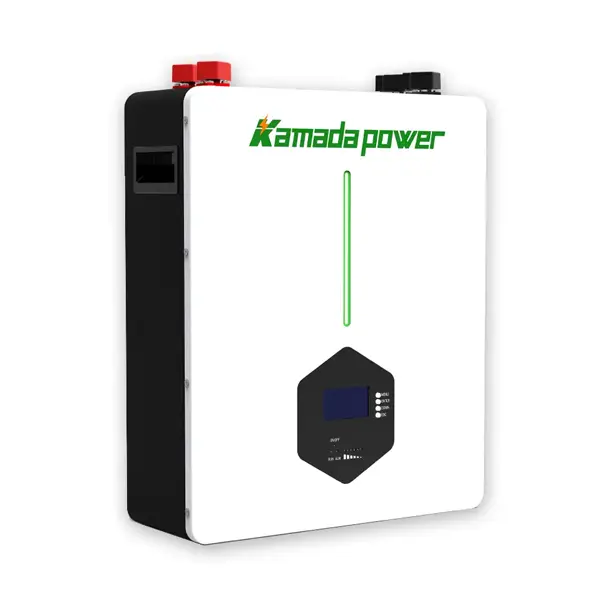
Kamada Power 10kWh Powerwall Home Battery
1. Kakšno velikost sončne baterije potrebujem? (zmogljivost + moč)
Kratek odgovor: ne izbirajte samo kWh - zmogljivost (kWh) vedno povežite z najmanjšo/nepretrgano močjo (kW) in pričakovano največjo močjo (kW). Zmogljivost vam pove kako dolgo baterija lahko dobavlja energijo; moč pove, da koliko ali katere naprave lahko zažene naenkrat.
Preglednica velikosti (praktična):
| Gospodinjstvo | Tipična dnevna uporaba | Priporočena zmogljivost (kWh) | Najmanjša trajna moč (kW) | Tipičen obseg varnostnega kopiranja |
|---|
| 1-2 osebi | 10-15 kWh | 5-10 kWh | 3 kW | Svetila, Wi-Fi, hladilnik |
| 3-4 osebe | 20-30 kWh | 10-15 kWh | 5 kW | Hladilnik, televizija, majhna pečica, mikrovalovna pečica |
| 5-6 oseb | 30-40 kWh | 15-20 kWh | 8-10 kW | Celoten dom (razen težkih HVAC) |
| Veliko povpraševanje | 40+ kWh | 20-30 kWh+ | 10 kW+ | polnjenje električnih vozil + HVAC + celotna hiša |
Zakaj je kW pomembna: Baterija s kapaciteto 15 kWh, vendar z neprekinjeno močjo le 3 kW, ne bo zagnala centralne klimatske naprave s 5 kW ali pognala več težkih bremen hkrati. Primer: Tesla Powerwall 3 ima ~13,5 kWh in ~11,5 kW neprekinjene zmogljivosti na enoto (lahko se spreminja); proizvajalci pogosto objavijo obe številki - vedno preverite obe.
Strokovni nasvet: Če nameravate dodati električno vozilo ali med izpadi uporabljati HVAC, določite velikost za vrh dogodkov, povezanih z napajanjem (zagon s prenapetostjo), in neprekinjeno zmogljivostjo - in ne samo zmogljivostjo.
2. Kemijska sestava baterije - LFP (LiFePO₄) proti NMC: katero kupiti?
Spodnja vrstica: Pri stacionarnem shranjevanju energije v gospodinjstvih je zaradi varnosti in ekonomičnosti življenjskega cikla najboljša praksa v letu 2025 LFP (LiFePO₄).
Ključna primerjalna tabela
| Metrični | LFP (LiFePO₄) | NMC |
|---|
| Tipična življenjska doba cikla | ~3.000-6.000+ ciklov | ~800-1.500 (nekateri viri navajajo 1.500-3.000, odvisno od sestave) |
| Varnost (toplotna stabilnost) | Visoka - bolj toplotno stabilna | Manjše - večje tveganje toplotnega bega |
| Gostota energije | Nižje (večji paket za enako kWh) | Višji (lažji, manjši) |
| Stroški na kWh v celotni življenjski dobi | Pogosto nižje zaradi dolge življenjske dobe (prednost LCOS) | Višji LCOS, če se ciklično uporablja vsak dan |
| Tipičen primer uporabe | Stacionarno shranjevanje, dolga življenjska doba | Električna vozila in aplikacije, občutljive na težo |
Viri in pregledi industrije potrjujejo 3k-6k ciklov LFP in vrhunsko toplotno stabilnost za stacionarno uporabo. Pri primerjavi garancije in stroškov na kWh v pričakovani življenjski dobi uporabljajte podatke o življenjski dobi cikla in LCOS.
3. Vezani na izmenični tok in vezani na enosmerni tok - izbira glede na novost in posodobitev ter učinkovitost
Pravila ravnanja
- Nova sončna baterija + baterija: Raje z enosmernim tokom (hibridni pretvornik) za večjo učinkovitost in boljše okrevanje po izrezu.
- Obstoječe sončne elektrarne (naknadna opremljenost): Z izmeničnim tokom je običajno lažji - deluje s številnimi pretvorniki (Enphase, SolarEdge), vendar ima dodatne pretvorbe.
Primerjava učinkovitosti (praktične številke): Sistemi z enosmernim tokom lahko pogosto dosežejo ~95-98% učinkovitost v obe smeri, medtem ko so sistemi, povezani z izmeničnim tokom, običajno v razponu ~90-95% odvisno od strojne opreme in korakov pretvorbe. Razlika 37% se z leti stopnjuje in zmanjšuje uporabne kWh iz iste shranjene energije.
Opomba o združljivosti: Prepričajte se, da sistem BMS baterije in pretvornik komunicirata (CAN/RS-485, Modbus ali API prodajalca), zlasti če mešate blagovne znamke ali uporabljate upravljanje energije drugih proizvajalcev.
4. Varnostni standardi - katere certifikate je treba zahtevati
Certifikati, ki jih je treba preveriti:
- UL 9540A (metodologija požarnih/preizkusnih testov za shranjevanje energije - preverite poročila o preizkusih na ravni enote in preverite, ali je enota vašega proizvajalca dosegla ustrezne ravni). UL je v letih 2024-2025 objavila posodobljene smernice in pojasnila o testiranju; to vpliva na izdajanje dovoljenj v zaprtih prostorih.
- UL 9540 / NFPA 855 - sistemske in namestitvene predpise za ESS.
- IEC 62619 - varnostni preskusi celic/paketov (mednarodni).
- UN38.3 - varnost pri prevozu litijevih celic.
Praktično: vprašajte dobavitelje za poročilo o preskusu UL-9540A ali izjavo o skladnosti in ali je izdelek v vaši pristojnosti dovoljen za notranjo namestitev. Nekateri pristojni organi (AHJ - Authorities Having Jurisdiction) zahtevajo dokazilo UL 9540/9540A, preden dovolijo notranjo namestitev.
5. Življenjska doba, garancija in drobni tisk
Kaj je treba zahtevati v garanciji
- Leta + metrika ohranjanja zmogljivosti: npr, 10 let in ≥70% SOH je običajna referenčna vrednost premije.
- Jamstvo za cikel: izrecno število ciklov pri določeni DoD (npr. 6 000 ciklov pri 80% DoD).
- Izključitve iz garancije: ekstremne temperature, nepravilna namestitev, neodobreni profili polnjenja, vdor vode ali nepooblaščena popravila.
Bodite pozorni na te pasti
- Garancije, ki jih razveljavijo okolje namestitve (npr. "namestitev garaže nad 100°F ni dovoljena").
- Kritje je omejeno na prvotnega lastnika (prenosi so lahko omejeni).
- Uspešnost se meri kot "razpoložljiva energija" in ne kot zmogljivost celic - preberite dejansko uporabljeno metriko.
Vprašajte dobavitelja: "Pokažite mi garancijo za kumulativno prepustnost in SOH ter besedilo garancije za temperaturo in pogoje namestitve."
6. Razčlenitev stroškov in donosnost naložbe - vključite davčni dobropis
Zvezni kredit (ZDA): Spletna stran Krediti za čisto energijo za stanovanjske objekte (rezidenčna različica ITC) določa 30% za kvalificirano stanovanjsko premoženje za čisto energijo, ki je bilo dano v uporabo v kritem obdobju - to vključuje samostojno baterijsko shranjevanje, ki izpolnjuje pravila; pri davčni upravi preverite trenutne datume programa in zahteve glede identifikacije izdelka. O pravilih kredita in obdobju izteka veljavnosti se je aktivno razpravljalo; ukrepajte z natančnim časovnim načrtom.
Kako oceniti donosnost naložbe
- Uporabite izravnani stroški skladiščenja (LCOS).: skupni stroški vgradnje / skupna pričakovana dobavljena kWh v življenjski dobi (upoštevajte življenjsko dobo cikla in učinkovitost v krožni vožnji). Daljša življenjska doba LFP običajno zniža LCOS v primerjavi s cenejšimi kemikalijami.
- Modelirajte prihranke TOU, rezervno vrednost (neocenjeno, vendar resnično) in morebitna plačila VPP ali spodbude komunalnih podjetij.
7. Zanesljivost: pomembne so celice (razred A) in zasnova BMS
Zahtevajte:
- Vir in razred celic (dobavitelji prvega reda v primerjavi z generičnimi). Celice avtomobilskega razreda razreda A pomenijo strožje specifikacije, boljše ujemanje in daljšo življenjsko dobo.
- Aktivno in pasivno uravnoteženje: aktivno uravnoteženje + upravljanje temperature podaljšuje življenjsko dobo embalaže.
- Funkcije sistema BMS: spremljanje na ravni celic, upravljanje toplote, zaščita pred prekomernim tokom/kratkim pretokom, dnevniki komunikacije in politika posodabljanja vdelane programske opreme.
Rdeče zastave: Domov Proizvajalci baterij ki nočejo razkriti modela/proizvajalca celic ali ne morejo zagotoviti osnovnih podatkov o preskusih celic.
8. Namestitev in vzdrževanje - prihranite delo in zmanjšajte tveganje
Praktične odločitve, ki prihranijo denar in glavobol
- Plug-and-play / vnaprej ožičeni priključki zmanjšanje števila ur električarjev.
- Talne modularne enote se pogosto namestijo hitreje kot težki stenski nosilci (manj strukturne ojačitve).
- Preverite pooblastila električarja in monterja; nepravilna namestitev lahko izniči varnostne certifikate in garancije.
Kontrolni seznam za monterje: temperaturo na lokaciji, prezračevanje, razdaljo, seizmično montažo (če je potrebna), vodnike, teste združljivosti inverterja, test komunikacije med BMS in inverterjem ter posodobitve vdelane programske opreme.
Kako prebrati specifikacijski list
- Zmogljivost: 13,5 kWh (uporabno) → kako dolgo = zmogljivost / povprečna obremenitev.
- Neprekinjena moč: 5 kW → hkrati lahko poganja več obremenitev do 5 kW.
- Največja moč: 7,5 kW (10 s) → skrbi za zagon motorjev in kompresorjev.
- Učinkovitost v obe smeri: 90-97% → višje je bolje (enosmerna vezava je pogosto višja).
Primerjava kompaktnih LFP in NMC
- Življenjska doba cikla (tipična): LFP: ~3.000-6.000+ ciklov; NMC: ~800-1,500 (odvisno od sestave in globine izpusta).
- Učinkovitost v obe smeri: obe kemijski tehnologiji sta podobni, če sta povezani s podobnimi pretvorniki - prevladuje sistemska arhitektura (AC/DC povezava).
- Primer uporabe: LFP → stacionarno domače/dolgo dnevno kolesarjenje; NMC → aplikacije, občutljive na težo (EV).
Hitri kontrolni seznam kupca
- Izbrana zmogljivost kWh in . Potrjeni neprekinjeni in najvišji kW.
- Kemija: LFP priporočljivo za stacionarne; dobavitelj celice vir preverjen.
- UL 9540A / UL 9540 / NFPA 855 dokazila v spisu.
- Garancija: leta + SOH % (+ izključitve) dokumentirano.
- Potrjen komunikacijski protokol pretvornika/BMS (CAN / RS-485 / Modbus).
- Preverite pooblastila monterja, postopek izdaje dovoljenj in zahteve lokalnega AHJ.
- Potrdite upravičenost do Dobropis za stanovanjsko čisto energijo (30%) in dokumentacijo za uveljavljanje zahtevka.
Zaključek
Pri izbiri prave domače baterije ne gre le za zmogljivost, temveč tudi za varnost LFP, natančno usklajevanje kWh/kW in preverjene certifikate. Za distributerje in blagovne znamke, ki iščejo rešitve za shranjevanje energije za dom po meri, stopite v stik z nami, naše Kamada power battery tovarniška ekipa zagotavlja inženirsko podporo za preverjanje zasnove sistema in zagotavljanje zanesljivega delovanja pred proizvodnjo.