Dokážu sodíkovo-iónové batérie zvládnuť rekuperačné brzdenie v golfových vozíkoch? Sodíkovo-iónové batérie bateria zvládne rekuperačné brzdenie golfového vozíka len vtedy, ak je hotový akumulátorový blok schopný bezpečne prijať spätný nabíjací prúd počas spomaľovania alebo jazdy z kopca.
Ak nie sú systém riadenia batérie (BMS), regulátor, rozsah napätia, stav nabitia (SOC), teplotné limity a logika regenerácie správne nastavené, vozík môže stratiť schopnosť regenerácie, aktivovať ochranné mechanizmy, vykazovať chyby prepätia alebo brzdiť nepredvídateľne.
Kľúčovou otázkou je, či batéria dokáže prijať skutočný rekuperačný prúd bez toho, aby došlo k aktivácii ochrany BMS.
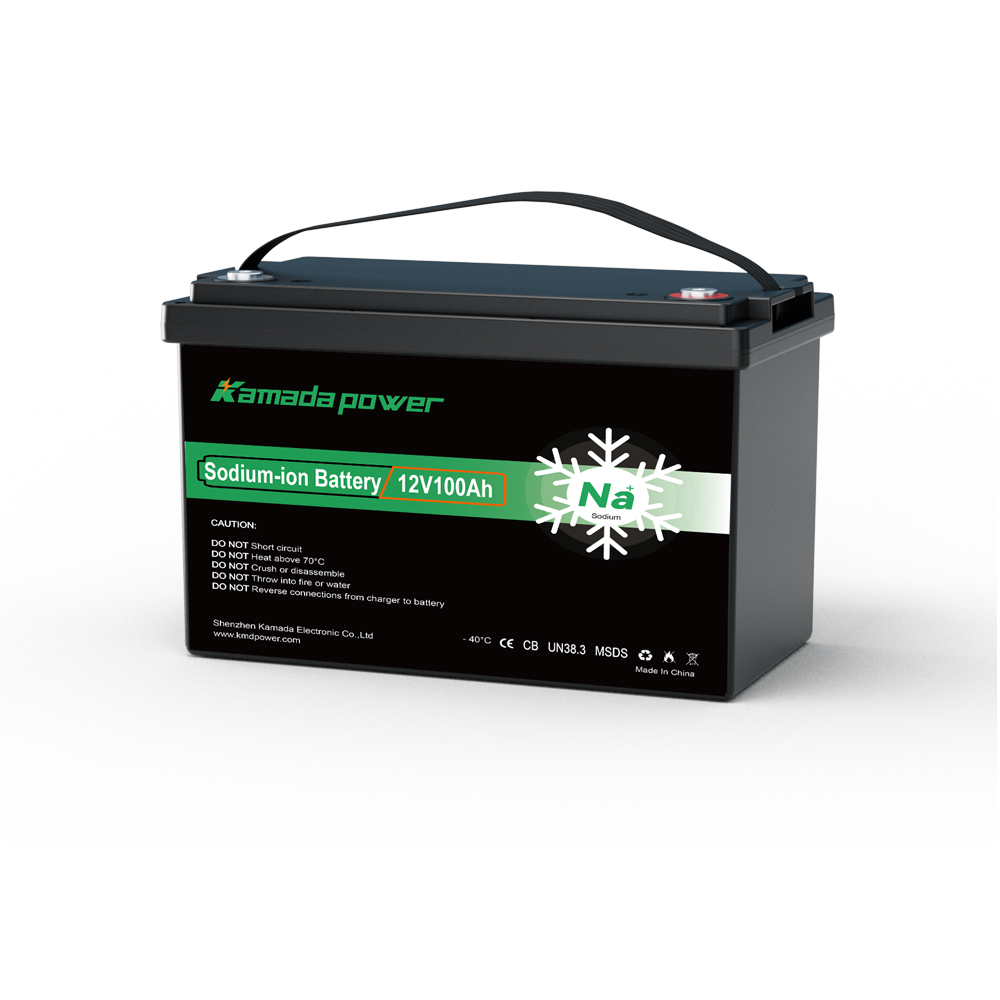
Kamada Power 12V 100Ah sodíkovo iónová batéria
Regeneratívne brzdenie je proces nabíjania, nie len samotné brzdenie
V golfovom vozíku regeneratívne brzdenie spomaľuje vozidlo tým, že časť jeho hybnosti premieňa späť na elektrickú energiu. Z hľadiska akumulátorového modulu ide pri regenerácii o krátky nabíjací proces, ktorý sa môže vyskytnúť náhle, opakovane a niekedy aj pri vysokom prúde.
Sodíková batéria sa môže počas zrýchľovania dobre vybíjať, no napriek tomu môže mať problémy s rekuperáciou, ak jej limit nabíjacieho prúdu, horná prahová hodnota napätia, nastavenie ochrany BMS alebo spätná väzba regulátora nie sú pripravené na spätný prúd. Batéria totiž nielen napája vozidlo, ale musí zároveň absorbovať energiu, keď vodič spomaľuje, ide z kopca alebo uvoľní plynový pedál.
Batéria do golfového vozíka, ktorá je „dostatočne výkonná na jazdu“, nemusí automaticky znamenať, že je „pripravená na rekuperáciu“.
Vysoká úroveň nabitia batérie je prvou prekážkou
Najnáročnejšie podmienky pre regeneráciu sa často vyskytujú vtedy, keď je batéria takmer plná.
Batéria s nízkym alebo stredným stavom nabitia (SOC) má väčšiu kapacitu na prijatie spätnej energie. Takmer plný akumulátor má menšiu rezervu. Ak rekuperačný prúd tlačí napätie akumulátora smerom k hornej hranici, systém BMS môže obmedziť povolenie nabíjania alebo nabíjanie úplne zablokovať, aby chránil články.
V prípade batériových modulov s sodíkovými iónmi sa táto hranica musí stanoviť na úrovni batériového modulu. Systém riadenia batérie (BMS) musí vedieť, aký nabíjací prúd je povolený pri vysokom stave nabitia (SOC), ako blízko sa batériový modul nachádza k hornej hranici napätia a aká reakcia je bezpečnejšia než náhle odpojenie.
Najbezpečnejším riešením je riadené prijímanie rekuperácie, nie „povoliť všetku rekuperáciu“.
Systém BMS musí riadiť spätný prúd bez toho, aby došlo k poruche pohonu
Systém BMS chráni akumulátor pred prepätím, nadmerným prúdom, extrémnymi teplotami a nerovnováhou článkov. Počas rekuperácie sú tieto ochrany aktívne na strane nabíjania.
Ak systém BMS zistí príliš vysoký rekuperačný prúd alebo príliš vysoké napätie článkov, môže blokovať nabíjanie. To síce chráni batériu, ale môže to tiež zmätiť riadiacu jednotku vozíka, ak táto očakávala, že batéria bude absorbovať vrátenú energiu. Výsledkom môže byť pocit prudkého brzdenia, náhle prerušenie rekuperácie, porucha riadiacej jednotky alebo neočakávané správanie vozidla.
Batéria s sodíkovými iónmi pripravená na rekuperáciu by nemala využívať núdzovú ochranu ako bežný spôsob riadenia. Mala by disponovať nabíjacou cestou BMS, napäťovými prahmi, prúdovými obmedzeniami a interakciou s regulátorom, ktoré dokážu zvládnuť očakávané rekuperačné udalosti.
Kompatibilita ovládača rozhoduje o tom, či sa regenerácia javí ako normálna
Ovládač motora určuje, v akej miere sa použije rekuperatívne brzdenie, kedy k nemu dôjde a s akou intenzitou sa energia vráti späť. Batéria určuje, koľko z tejto energie je schopná prijať.
Regulátor, ktorý bol pôvodne nastavený pre olovené batérie, nemusí zodpovedať rozsahu napätia sodíko-iónového akumulátora. Aj regulátor nastavený pre lítiové batérie môže vyžadovať prehodnotenie, pretože limity systému BMS, horná hranica napätia a charakteristika prijímania nabíjania sú špecifické pre konkrétny akumulátor.
Regulátor, ktorý nedokáže obmedziť rekuperáciu pri plne nabitej batérii, môže spôsobiť aktiváciu ochranného režimu akumulátora. Systém BMS, ktorý sa jednoducho odpojí bez koordinácie s regulátorom, môže spôsobiť poruchu pri jazde.
Pre výrobcov OEM a distribútorov by sa kompatibilita regulátorov mala určovať na základe správania, nie len na základe napäťovej platformy. Akumulátorová sada s rovnakým napätím môže aj tak reagovať odlišne, keď vozík brzdí pri zjazde z kopca.
Regen by mal byť nastaviteľný, nie slepo pevne stanovený
Silné nastavenie regenerácie nie je vždy lepšie.
V prípade sodíko-iónovej batérie pre golfové vozíky by mal byť rekuperačný prúd nastaviteľný alebo obmedzený v závislosti od menovitého nabíjacieho prúdu batérie, stavu nabitia (SOC), horného napäťového rozsahu a povolených teplotných limitov. Prevádzka pri vysokom stave nabitia môže vyžadovať zníženie rekuperácie. Prevádzka za nízkych teplôt môže vyžadovať zníženie alebo vypnutie rekuperácie, kým sa batéria nedostane do povoleného nabíjacieho rozsahu.
V sofistikovanejších systémoch môže komunikácia BMS umožniť regulátoru obmedziť rekuperáciu, ak je príjem nabíjania obmedzený. V jednoduchších systémoch bez komunikácie musí byť nastavenie regulátora dostatočne konzervatívne, aby sa zabránilo opakovaným zásahom BMS.
Cieľom je predvídateľné brzdenie a kontrolované rekuperovanie energie, nie maximálna rekuperácia za každých okolností.
Chladné počasie mení povolenie na regeneráciu
Regeneratívne brzdenie slúži na dobíjanie. To znamená, že pravidlá dobíjania v chladnom počasí sú dôležité.
Sodíková batéria sa môže v chladných podmienkach vybíjať, čo však automaticky neznamená, že dokáže prijímať nabíjací prúd, keď je studená. Ak sa golfový vozík používa v chladnej oblasti, je odstavený vonku alebo sa s ním jazdí skoro ráno, môže dôjsť k regenerácii prúdu skôr, ako sa články dostanú do povoleného teplotného rozsahu pre nabíjanie.
Vozík stále vyžaduje predvídateľné brzdné správanie, avšak batéria môže musieť obmedziť alebo zablokovať nabíjací prúd. Ak nie sú regulátor a systém riadenia batérie (BMS) zosúladené, systém môže nečakane spustiť varovania, znížiť rekuperáciu, stratiť schopnosť rekuperatívneho brzdenia alebo prejsť do ochranného režimu.
Na trhoch v chladných oblastiach by sa regenerácia mala považovať za súčasť stratégie nabíjania pri nízkych teplotách. Schopnosť vybíjania pri nízkych teplotách ešte neznamená, že regeneračné nabíjanie pri nízkych teplotách je bezpečné.
Rozsah napätia je dôležitejší ako nominálna hodnota uvedená na štítku batérie
Batéria do golfového vozíka s napätím 36 V, 48 V alebo 72 V môže zodpovedať menovitému napätiu vozíka, avšak správanie rekuperácie závisí od horného napäťového rozsahu.
Počas rekuperačného brzdenia môže napätie rýchlo stúpať. Ak je horná hranica napätia sodíko-iónovej batérie nižšia, než očakáva riadiaca jednotka, systém BMS môže zaznamenať prepätie skôr. Ak sú nastavenia rekuperácie v riadiacej jednotke príliš agresívne, nárast napätia môže aktivovať ochranný mechanizmus. Ak je batéria takmer plná, aj mierna rekuperácia môže systém dostať blízko k limitu.
Menovité napätie je len prvý krok. Skutočnou otázkou v súvislosti s rekuperáciou je, či sa správanie napätia rekuperácie regulátora zhoduje s rozsahom nabíjacieho napätia akumulátorového modulu a hornou hranicou ochrany systému BMS.
Súprava pripravená na technológiu Regen vyžaduje nabíjací obvod navrhnutý pre impulzy
Regeneračný prúd nie je vždy plynulý. Môže sa vyskytovať v impulzoch pri jazde z kopca, pri štartovaní a zastavovaní alebo pri opakovanom spomaľovaní. Nabíjacia dráha systému BMS, tranzistory MOSFET alebo stykače, zbernice, svorky, konektory a kabeláž musia byť schopné znášať tieto impulzy v rámci stanovených limitov.
Toto sa líši od vstupu pri pomalom nabíjaní. Nabíjačka môže dodávať regulovaný prúd celé hodiny. Regeneratívne nabíjanie dokáže dodávať krátke, dynamické prúdy počas jazdy vozidla.
V prípade sodíkových akumulátorových batérií pre golfové vozíky by sa schopnosť rekuperácie mala považovať za definovanú charakteristiku nabíjacieho prúdu, a nie za vedľajší prínos. Ak je maximálny nabíjací prúd batérie nižší ako rekuperačný prúd regulátora, systém si vyžaduje nastavenie regulátora, koordináciu so systémom riadenia batérií (BMS) alebo inú konštrukciu batérie.
Mechanické brzdenie musí zostať bezpečnostnou zálohou
Regeneratívne brzdenie by sa nemalo považovať za jediný spôsob brzdenia.
Aj keď rekuperácia funguje správne, mechanický brzdový systém vozíka a bezpečnostná stratégia riadiacej jednotky musia zostať v platnosti v prípade, že je rekuperácia znížená, obmedzená alebo nedostupná. Vysoký stav nabitia (SOC), nízka teplota, ochrana systému BMS, poruchy riadiacej jednotky alebo obmedzenia akumulátorového modulu môžu znížiť množstvo energie, ktoré akumulátor dokáže prijať.
Bezpečný systém by mal aj pri obmedzenej rekuperácii zabezpečovať predvídateľné brzdné správanie. Podpora rekuperácie energie z batérie zvyšuje účinnosť a zlepšuje jazdný zážitok, nemala by však nahradiť bezpečnostné riešenie brzdového systému vozidla.
Hlavné integračné hranice
Najjednoduchší spôsob, ako posúdiť vhodnosť regenerácie, je zistiť, ktoré hranice systému by mohli byť prekročené.
| Hranica rekuperačného brzdenia | Čo sa mení v balení | Zlyhanie, ak sa ignoruje |
|---|
| Prevádzka s vysokým stavom nabitia | Menší priestor pre zníženie napätia pri spätnom odvodu energie | Porucha ochrany proti prepätiu BMS alebo porucha regulátora |
| Nabíjací prúd systému Regen | Prúdová dráha musí odolávať krátkodobým spätným prúdom | Odpojenie systému BMS, prudké brzdenie alebo výpadok rekuperácie |
| Nastavenie napätia regulátora | Regen musí zodpovedať hornému rozsahu napätia akumulátora | Nárazové prepätie, predčasná ochrana alebo znížený brzdný výkon |
| Prevádzka za studena | Regen sa mení na nízkoteplotné nabíjanie | Blokovanie nabíjania, varovné udalosti alebo pokusy o nebezpečné nabíjanie |
| Komunikačná alebo riadiaca logika | Regulátor môže byť nútený znížiť rekuperáciu, keď sa dosiahnu limity | Batéria a regulátor sú v konflikte |
| Mechanický záložný brzdný systém | Brzdenie musí zostať bezpečné aj pri zníženej rekuperácii | Nedostatočný pocit z brzdenia alebo nebezpečná závislosť na rekuperácii |
Kontrolný zoznam pre overenie regenerácie
| Položka overenia regenerácie | Čo je potrebné overiť |
|---|
| Brzdenie s vysokým podielom SOC | Nedošlo k prepätiu v systéme BMS ani k poruche regulátora |
| Brzdenie pri zjazde | Nárast napätia zostáva v rámci limitu akumulátora |
| Opakované spomaľovanie | Vodič prúdu zvládne impulzný prúd |
| Chladné počasie | Regen dodržiava pravidlá nabíjania pri nízkych teplotách |
| Nastavenie ovládača | Regulačný prúd je možné obmedziť alebo znížiť |
| Komunikácia BMS | Ovládač môže reagovať na limity nabíjania, ak sa používa |
| Obnova po aktivácii ochrany | Bezpečné opätovné spustenie vozíka a balenia |
| Záložný mechanický brzdný systém | Brzdenie zostáva bezpečné, aj keď je rekuperácia obmedzená |
Štandardné sodíkové akumulátory fungujú len pri nízkej potrebe regenerácie
Štandardná sodíková batéria pre golfové vozíky môže fungovať s rekuperačným brzdením, ak je rekuperačný prúd mierny, batéria má dostatočnú rezervu SOC, nastavenia regulátora sú kompatibilné, teplota je pod kontrolou a systém BMS bol overený z hľadiska očakávaného správania pri spätnom prúde.
Vlastná konštrukcia sa stáva bezpečnejšou, ak vozík vykazuje silnú rekuperáciu pri jazde z kopca, má agresívne nastavenia riadiacej jednotky, je často používaný v režime zastavenia a rozjazdu, prevádzkovaný pri vysokom stave nabitia (SOC), v chladnom počasí, vo flotile alebo je vybavený riadiacou jednotkou, ktorá závisí od spätnej väzby batérie. Tieto podmienky neznamenajú, že sodíkové iónové batérie nie sú vhodné. Mení sa však rozsah potrebných konštrukčných úprav.
Rozdiel nespočíva v tom, či „sódovo-iónová batéria zvládne alebo nezvládne rekuperáciu“. Rozdiel spočíva v tom, či bol hotový akumulátor navrhnutý a overený pre rekuperačné brzdné správanie daného vozidla.
Overujte brzdný moment, nielen jazdné zaťaženie
Batéria s sodíkovými iónmi pre golfové vozíky by nemala byť schválená len preto, že má dobrý zrýchlenie alebo zvládne stúpanie do kopca. Testovanie rekuperácie by sa malo zamerať na situácie, pri ktorých sa energia vracia späť do batérie: brzdenie pri zjazde z kopca, opakované spomaľovanie, brzdenie pri vysokom stave nabitia (SOC), prípadne brzdenie za nízkych teplôt a obnovenie prevádzky po akejkoľvek udalosti súvisiacej s ochranou nabíjania systému BMS.
Overenie by malo zahŕňať samotný vozík, nastavenia ovládača, akumulátor, limity systému BMS, vedenie káblov, rozsah stavu nabitia (SOC) a prevádzkovú teplotu.
Práve to dodáva podpore regenerácie dôveryhodnosť. Akumulátor sa musí správať správne, keď energia prúdi v oboch smeroch.
Záver
Sodíkovo-iónové batérie dokáže zvládnuť rekuperačné brzdenie v golfových vozíkoch, ak sú systém riadenia batérií (BMS), prúdová dráha nabíjania, rozsah napätia, nastavenia regulátora, rezerva stavu nabitia (SOC), teplotné limity, záložné mechanické brzdenie a správanie pri rekuperácii navrhnuté ako jeden celok.
Pred schválením akumulátorového modulu pre golfový vozík s rekuperatívnym brzdením je potrebné overiť brzdný výkon pri jazde z kopca, rekuperáciu pri vysokom stave nabitia (SOC), reakciu riadiacej jednotky, ochranu nabíjania systému BMS, správanie za nízkych teplôt, obnovenie výkonu po rekuperácii a bezpečnosť brzdného správania pri zníženej rekuperácii. Ak vyvíjate systém sodíko-iónových batérií pre golfové vozíky, kontaktujte nás v závislosti od napätia vozíka, modelu regulátora, nastavenia rekuperácie, konfigurácie akumulátorového modulu a prevádzkových podmienok. Pomôžeme vám zistiť, či sú akumulátorový modul a regulátor pripravené na rekuperačné brzdenie.