Nátrium-ion vs AGM akkumulátor: Készen áll az Ön UPS-e a nátrium forradalomra. Az AGM (Absorbent Glass Mat) akkumulátorok sokáig az iparági szabványnak számítottak a készenléti energiaellátás terén, de a hőterhelésre és az úszótöltéses degradációra való érzékenységük globális változást kényszerít ki. Ahogy a nátrium-ion (Na-ion) akkumulátorok nagy teljesítményű alternatívaként jelennek meg, az Egyesült Államok és Európa beszerzési tisztviselői és ipari mérnökei számára az igazi akadályt nem csupán a költségek jelentik, hanem a műszaki integráció is. A Na-ion valóban fel tudja-e váltani az AGM-et a meglévő UPS-infrastruktúrában a biztonság és a megbízhatóság veszélyeztetése nélkül?
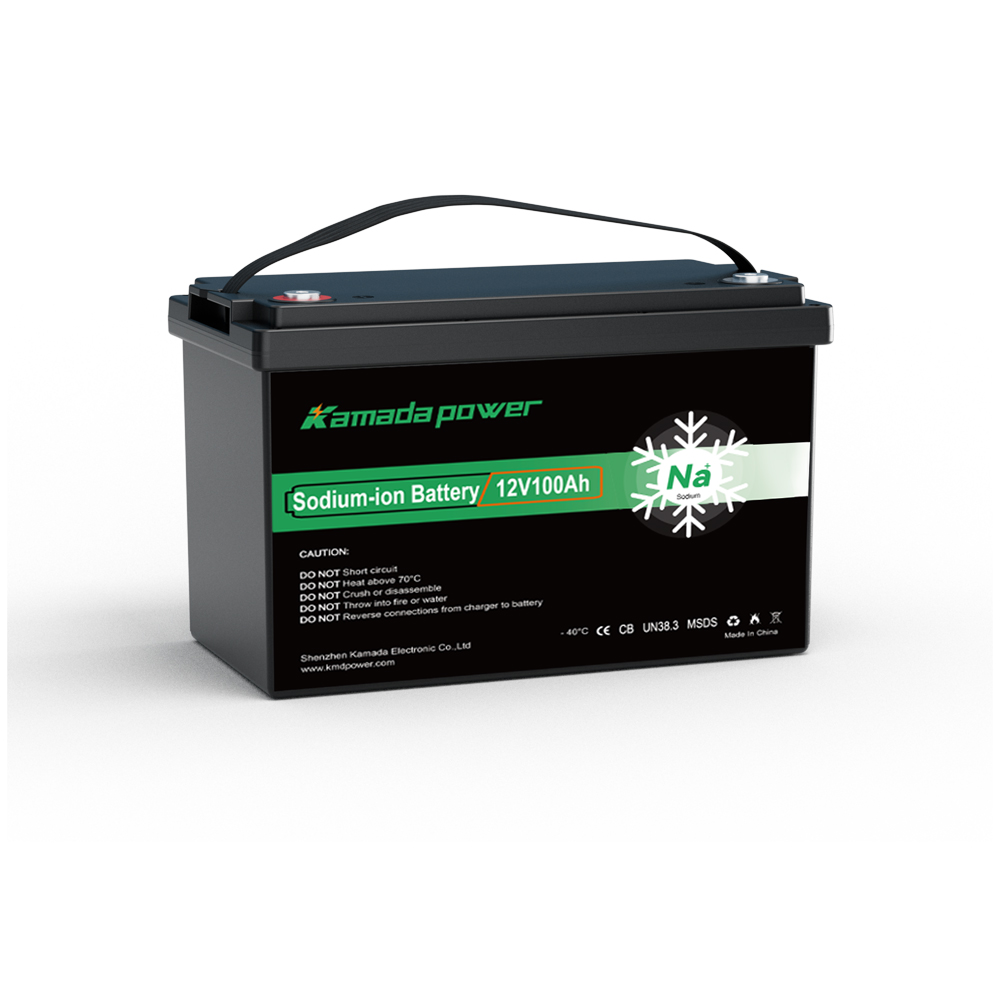
Kamada Power 12V 100Ah nátrium-ion akkumulátor
Nátrium-ion akkumulátor vs. AGM: Csata a készenléti energia jövőjéért
Az energetikai táj elmozdul az "ólom-savcsapdából". Míg a lítium-ion (LFP) uralta az EV-piacot, Nátrium-ion akkumulátor dinamikus helyet foglal el a helyhez kötött tárolás területén. Miért? Mert a nátrium geológiai szempontból bőségesen rendelkezésre áll, immunis a lítium áringadozására, és - kémiai szempontból - lényegesen robusztusabb a nagy igénybevételű ipari forgatókönyvekben.
Az adatközpontokkal és távközlési szolgáltatókkal való együttműködés során szerzett tapasztalataink szerint az átmenet általában a "megbízhatósági triászra" vezethető vissza: Ciklus-élettartam, hőmérséklet-ellenálló képesség és integráció-könnyebbség. Íme egy műszaki összehasonlítás a jelenlegi kereskedelmi minőségű nátrium-ion (réteges oxid) és a prémium minőségű ipari AGM között:
| Jellemző | AGM (ólom-akkumulátor) | Nátrium-ion (Na-ion) | Információszerzés / szakértői megjegyzés |
|---|
| Ciklus élettartam (80% DoD) | 300 - 600 ciklus | 4,000+ ciklus | A Na-ion ciklus élettartama a katód típusától függ (réteges oxid vs. poroszkék). |
| Töltési hőmérséklet tartomány | 0°C és 40°C között (legjobb 25°C-on) | -10°C és 70°C között | A Na-ion alacsonyabb hőmérsékleten is tölthető a lítium lerakódásának kockázata nélkül. |
| Kiürítési hőmérséklet-tartomány | -15°C és 50°C között | -40°C és 70°C között | A Na-ion >80% kapacitást tart fenn fagyponton. |
| Töltési mód | 3-fokozatú úszó | CC/CV (állandó áram/feszültség) | A Na-ionhoz BMS által vezérelt lezárás szükséges. |
| Önkisülés | 3% - 5% / hónap | <1% - 2% / hónap | Az AGM "polcon öregedése" visszafordíthatatlan szulfátosodáshoz vezet. |
| Energiasűrűség | 30 - 50 Wh/kg | 100 - 150 Wh/kg | A 3x-os súlycsökkentés jelentősen csökkenti a padló rakodási költségeit. |
| Biztonsági szabvány | UL 1989 | UL 1973 / UL 9540A | A Na-iont a "nem terjedés" szempontjából tűzforgatókönyvekben vizsgálják. |
A töltési módok közötti döntő különbség: CCCV vs. Float
Az AGM-ek nátrium-ionnal való felváltásának legnagyobb technikai akadálya az az alapvető különbség, hogy ezek a vegyületek hogyan fogadják az áramot.
AGM komfortzónája: Az állandó csepegés Az ólom-sav akkumulátorok Úszótöltés. Gondoljon erre úgy, mint egy állandó, alacsony nyomású "csepegtetett" energiára, amely az akkumulátort 100%-en tartja. Mivel az AGM akkumulátorok nagy belső önkisüléssel rendelkeznek, ez a csepegtető töltés kötelező, hogy megelőzze a következő problémákat szulfatáció-az ólom-szulfátkristályok felhalmozódása, amelyek megkeményednek és megölik az akkumulátort.
A nátrium-ion logikája: A nyomás alatt álló tartály A nátrium-ion, akárcsak lítium-ionos rokona, egy CC/CV (állandó áram / állandó feszültség) protokoll. Gyorsan hatalmas mennyiségű áramot vesz fel, elér egy feszültségplafont, majd az áram csökken, amíg az akkumulátor "elégedett" nem lesz.
A konfliktus: magas SOC stressz A UPS-vásárlók számára itt válik bonyolulttá a dolog. Ha egy nátrium-ion akkumulátort egy hagyományos AGM úszótöltőre helyez, a töltő megpróbál állandó feszültséget a végtelenségig nyomni. Míg egy jól megtervezett akkumulátor-kezelő rendszer (BMS) megvédi a cellákat, tartósan magas töltöttségi állapot (SOC) állandó feszültséggel kombinálva az elektrolit oxidációjához és a SEI (Solid Electrolyte Interphase, szilárd elektrolit interfázis) réteg megvastagodásához vezethet. Az AGM-ekkel ellentétben a nátrium-ion nem akarja, hogy folyamatosan "piszkáljuk", ha egyszer megtelt; inkább tétlenkedik, amíg nem hívják működésbe.
Float feszültség kompatibilitás: A "Drop-in" mítosz
Tanácsadói munkánk során gyakran találkozunk olyan marketinganyagokkal, amelyekben az "100% Drop-in Replacement" állítás szerepel. Mérnökként azt tanácsolom, hogy ezt szkeptikusan közelítse meg.
A feszültségablak probléma Egy szabványos 12V-os AGM akkumulátor általában a következő értékek között mozog 13,5V és 13,8V. A nátrium-ion akkumulátorok sokkal szélesebb és lineárisabb feszültséggörbével rendelkeznek (jellemzően 2,0V és 4,0V között cellánként). Ha az UPS firmware-je keményen AGM-re van kódolva, előfordulhat, hogy a nátriumion akkumulátor üresnek "gondolja", amikor valójában 30% kapacitáson van, vagy soha nem váltja ki a "Töltés befejeződött" jelet, ami a BMS túlfeszültségvédelmi (OVP) riasztását okozza.
A kommunikációs szakadék: zárt hurok vs. nyitott hurok Egy modern nátriumionos állványban a BMS-nek beszélnie kell az UPS-szel.
- Nyitott hurok: Az UPS csak a feszültség alapján biztosít áramot. (Kockázatos a nátrium-ion esetében).
- Zárt hurok: Az UPS az adatokat a Modbus TCP/IP, CANbus vagy SNMP a BMS-ből. Az akkumulátor tájékoztatja az UPS-t: "Tele vagyok, állítsd le a töltést."
- Szakértői betekintés: Ha Ön beszerzési tisztviselő, mindig kérdezzen: "Támogatja ez az akkumulátor BMS a zártkörű kommunikációt az adott UPS márkával (pl. Vertiv, Eaton vagy APC)?"
Készenléti önkisülés és a 0 V-os valóság
Ha egy akkumulátor hat hónapig egy távoli távközlési szekrényben áll, akkor is működni fog?
Az AGM akkumulátorok hírhedten "polc-öregedőek". Ha nem tartják őket töltőn, akkor hónapokon belül elég levüket veszítik ahhoz, hogy szulfátosodni kezdjenek. A távoli távközlési bázisállomásokon - különösen a hálózaton kívüli vagy instabil hálózati területeken - ez az ólom-sav akkumulátorok halálos ítélete.
A nátrium-ion titkos fegyvere: 0V szállítás A nátrium-ion egyik leglenyűgözőbb műszaki előnye, hogy a Alumínium áramszedők mind az anódon, mind a katódon. A lítium-ionban a rézkollektor alacsony feszültségeknél feloldódik. A nátrium-ion lehet 0,0 V-ra kisütve a biztonságos légi szállítás és hosszú távú tárolás érdekében a kémia károsítása nélkül.
- Helyesbítés mérnököknek: Míg a Na-ion lehet tárolt 0V-on, a működő rendszerek még mindig igényelnek egy Alacsony feszültségű kikapcsolás (~2,0V). Ne engedje, hogy az UPS a helyszínen 0 V-ra merítse le az akkumulátort, mivel a BMS-nek minimális feszültségre van szüksége ahhoz, hogy áram alatt maradjon és "felébressze" a rendszert.
Biztonság és termikus elszabadulás: Túl a félelmen
A létesítményvezetők számára a biztonság az "elefánt a szobában". Az AGM akkumulátorok viszonylag biztonságosak, de túltöltéskor hidrogént szabadíthatnak fel (ami "termikus elszabaduláshoz" vezethet).
A nátrium-ion eleve stabilabb, mint a lítium NMC akkumulátorok. A nagyobb belső ellenállás rövidzárlat esetén és az elektrolit nagyobb hőstabilitása miatt a nátrium-ion sokkal kevésbé valószínű, hogy a tűz katasztrofális terjedése bekövetkezik.
- Az UL 9540A faktor: Az amerikai székhelyű adatközpontok beszerzésekor a következőket kell keresni UL 9540A vizsgálati eredmények. Ez a teszt azt határozza meg, hogy az egyik akkumulátor-modulban keletkezett tűz átterjed-e a következőre. A kiváló minőségű nátrium-ionos egységeket úgy tervezték, hogy ne terjedjenek tovább, ami azt jelenti, hogy még ha az egyik cella meg is hibásodik, a rack biztonságban marad. Ez jelentősen csökkenti a biztosítási díjakat és az NFPA 855 szabványnak való megfelelés akadályait.
Alkalmasság UPS és készenléti alkalmazásokhoz
Nézzük meg a "Hely vs. teljesítmény" kompromisszumot. Egy nagy sűrűségű szerverszobában az alapterület prémium érték.
- Padlóterhelés és súly: A nátrium-ion lényegesen könnyebb, mint az AGM. Egy AGM bank egy 100 kW-os UPS-hez több tonnát is nyomhat, ami megerősített betonpadlót igényel. A nátrium-ion ugyanannyi üzemidőt biztosít, de a súly egyharmada.
- Dinamikus töltéselfogadás (DCA): A nátrium-ion sokkal gyorsabban képes töltést fogadni, mint az AGM. Egy áramszünet után egy AGM akkumulátornak 10-24 órába telhet, mire újra eléri az 100% értéket. A nátrium-ion gyakran egy órán belül eléri a 80% SOC értéket, így sokkal jobb a gyakori "mikro-kimaradásokkal" vagy instabil hálózatokkal rendelkező helyszíneken.
- Teljes tulajdonlási költség (TCO): A CAPEX-en túl az OPEX-re való áttérés. Egy AGM rendszer ára lehet $10,000, de 3-4 évente cserére szorul. Egy nátriumionos rendszer ára $15,000 lehet, de 8-10 évig tart. Ha figyelembe vesszük a "Truck Roll" költségek (munkaerő, ólom ártalmatlanítása és telepítés), a nátrium-ion rendszerint az 5. évre megtérül.
Ma kellene váltania?
A "nátriumforradalom" nem csak hype - ez a válasz az ólom-sav akkumulátorok technikai korlátaira és a lítium költségkorlátaira.
- Maradjon az AGM-nél, ha: Kicsi, elavult UPS-ed van, amely nem rendelkezik firmware-beállíthatósággal, a környezeted szigorúan klimatizált, és nagyon korlátozott az előzetes költségvetésed.
- Váltson nátrium-ion akkumulátorra, ha: Ön új adatközpontot épít, magas hőmérsékletű környezetben (Közel-Kelet, USA déli része, Afrika) működik, vagy olyan gyakori áramkimaradásokkal küzd, amelyek egy AGM-akkumulátort "megölnének".
Következtetés
Nátrium-ion akkumulátor a kiváló választás a modern készenléti energiaellátás számára, mivel kivételes hőstabilitást és a hagyományos AGM-ek mellett eltörpülő ciklikus élettartamot kínál. Ez azonban nem egy "vak" plug-and-play megoldás. A sikerhez rendszerszintű megközelítésre van szükség: az UPS töltő firmware-jének a nátrium-ion feszültséggörbéhez való illesztése és a megbízható BMS-kommunikáció biztosítása. A nátriumionos megoldásra való áttéréssel a nagy karbantartási igényű akkumulátorcserét megbízható, hosszú távú tartalékolási stratégiára cserélheti, amely csökkenti a TCO-t és javítja a létesítmény ESG-besorolását.
Kapcsolatfelvétel még ma személyre szabott nátrium-ion akkumulátor megoldásokért
GYIK
Lehet AGM és nátrium-ion akkumulátorokat keverni egy sorban vagy állványban?
Egyáltalán nem. Teljesen eltérő belső ellenállásokkal és feszültséggörbékkel rendelkeznek. Ha összekeverednek, az akkumulátorok "harcolni" fognak egymással, ami tűzveszélyhez vagy azonnali rendszerhibához vezet.
A nátrium-ion akkumulátor nem gyúlékony?
Egyetlen akkumulátor sem eredendően nem gyúlékony, de a nátrium-ion akkumulátornak lényegesen magasabb a hőstabilitási küszöbe, mint a lítium NMC-nek. Sokkal kisebb valószínűséggel gyullad meg fizikai igénybevétel hatására, ezért a nagy laktatottságú épületek esetében előnyben részesített választás.
Mi van, ha az UPS-emnek nincs speciális nátrium beállítása?
A: A legtöbb modern UPS egység rendelkezik "Felhasználó által meghatározott" vagy "Egyéni lítium" beállítással. Kézzel be lehet adni a Bulk és Float feszültségeket, amelyeket a Nátrium-ion akkumulátor gyártó. Ha az Ön UPS-e csak fix "Lead-Acid" kapcsolóval rendelkezik, akkor a frissítés előtt konzultáljon egy integrátorral.
Hogyan befolyásolja az önkisülés mértéke a "Fekete Start" képességemet?
Mivel a nátrium-ion havonta kevesebb mint 1% veszteséget veszít készenléti állapotban (ha a BMS nyugalmi áram alacsony), biztosítja, hogy a "fekete indítás" kapacitása megmaradjon a hálózat stabilitásának hónapjai után is. Az AGM akkumulátorok ugyanebben az időkeretben "puhán meghibásodhatnak", ha az úszótöltő meghibásodik.