Robusto batterie agli ioni di sodio possono essere utili per i carrelli portautensili, ma non dovrebbero essere progettati come semplici power bank portatili. Un carrello portautensili può alimentare caricabatterie, luci, strumenti diagnostici, compressori, pompe, computer portatili, scanner, router o prese CA con inverter mentre si sposta all’interno di officine, fabbriche, aree di manutenzione o cantieri all’aperto.
Tale ambiente influisce sulla progettazione della batteria. Il pacco batterie deve sopportare carichi in movimento, collegamenti ripetuti, vibrazioni, urti, polvere, umidità, sollecitazioni sui cavi, ricariche e comportamenti meno controllati da parte dell’utente. La vera domanda non è solo se la tecnologia agli ioni di sodio sia in grado di alimentare il carrello, ma se il pacco batterie finito possa rimanere sicuro e funzionante quando il carrello si muove, si ricarica, si scarica e viene maneggiato ogni giorno.
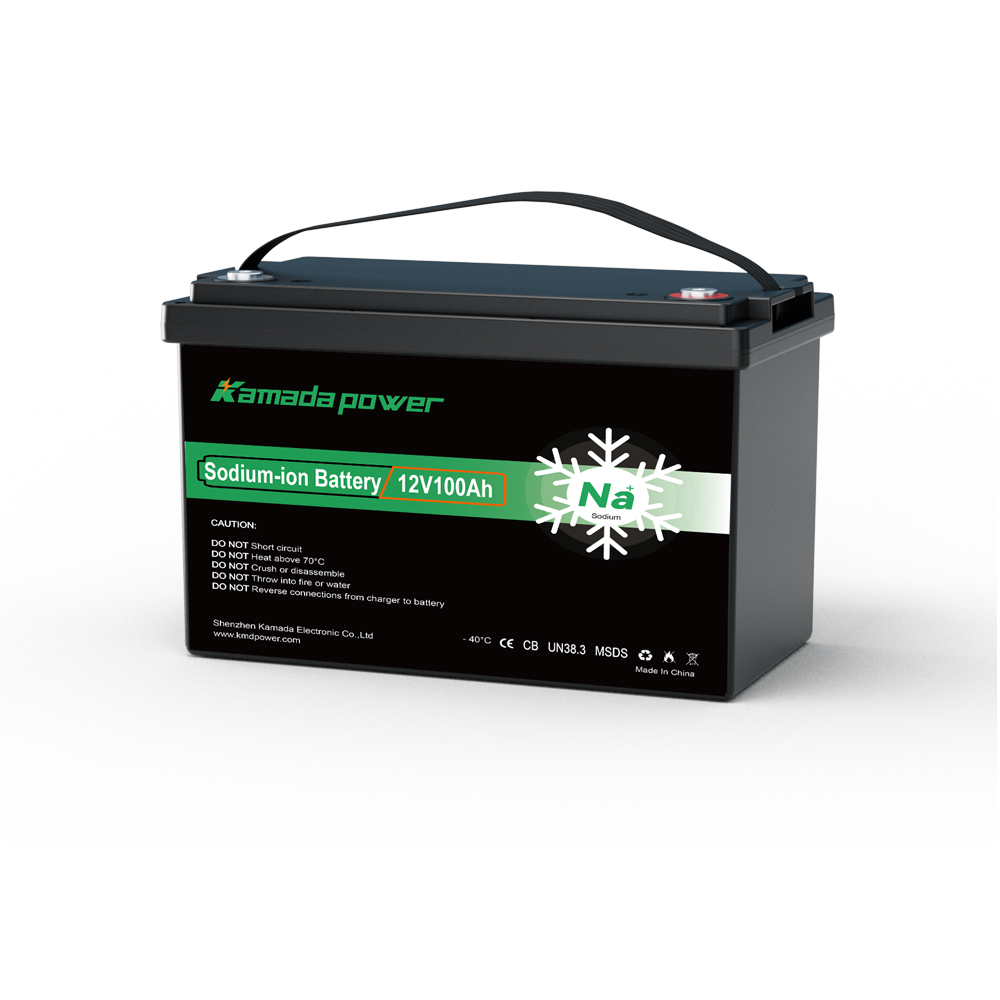
Batteria agli ioni di sodio Kamada Power 12v 100Ah
La batteria di un carrello portautensili è un sistema mobile, non una batteria da banco
Una batteria che funziona bene su un banco di prova potrebbe non reggere all’interno di un carrello portautensili. Su un banco da lavoro, il pacco batterie rimane fermo, la sollecitazione sui cavi è minima, i connettori subiscono rari urti, il flusso d’aria è prevedibile e il caricabatterie può essere tenuto sotto controllo. In un carrello mobile, invece, il pacco batterie può essere sottoposto a vibrazioni, dislivelli, soglie, cadute di utensili, urti laterali, polvere e ripetuti cambiamenti di connessione.
Tale mobilità rende la batteria una componente del sistema. Deve adattarsi alla struttura del carrello, al profilo di carico, al metodo di ricarica, al percorso dei cavi, all’interfaccia e all’accesso per la manutenzione. Un pacco batterie robusto dovrebbe essere progettato tenendo conto del comportamento reale degli operatori, non di una manipolazione accurata.
Il carico di picco è più importante del carico medio
I carrelli portattrezzi mobili alimentano spesso carichi misti. Alcuni sono di piccole dimensioni e a consumo costante, come luci, computer portatili, router, scanner o dispositivi USB. Altri generano brevi picchi di potenza, come inverter, piccoli compressori, pompe, caricabatterie rapidi, utensili termici o carichi motorizzati.
Il carico medio può sembrare modesto, ma il carico di picco mette in evidenza eventuali carenze progettuali. Se il pacco batterie utilizza un inverter, il percorso della corrente continua deve sopportare la sovratensione di avvio. Se il limite di corrente di picco del BMS è troppo basso, il pacco batterie potrebbe disconnettersi. Se il cavo, il fusibile, il terminale o il connettore sono sottodimensionati, un calo di tensione può provocare lo spegnimento dell’inverter. La capacità influisce sull’autonomia; il percorso di corrente determina se il carrello è in grado di alimentare il carico senza spegnersi.
Adattare la tensione della batteria al carico del carrello
La destra batteria agli ioni di sodio La tensione dipende dal tipo di carico, dai requisiti dell'inverter, dalla lunghezza del cavo, dal livello di corrente, dal tempo di funzionamento e dallo spazio disponibile.
Per dispositivi elettronici leggeri, illuminazione a LED, scanner, router, computer portatili, uscite USB/CC e utensili a basso consumo, un pacco batterie agli ioni di sodio da 12 V o 24 V può rivelarsi pratico quando il carico è chiaramente limitato. Per i carrelli dotati di prese con inverter, compressori, pompe, caricabatterie rapidi, strumenti per saldatura o carichi misti CA/CC, un pacco batterie da 24 V o 48 V è spesso più sicuro perché può ridurre lo stress di corrente e migliorare l’adattamento dell’inverter.
Per carrelli industriali resistenti, pacchi batteria personalizzati agli ioni di sodio da 24 V/48 V potrebbe essere necessario quando il carrello richiede una corrente di picco più elevata, connettori protetti, un involucro, indicatori, funzioni diagnostiche o il ripristino automatico. Definire innanzitutto l'elenco degli strumenti, quindi selezionare la tensione, la capacità in Ah, il limite del BMS, le dimensioni dell'inverter, il profilo del caricabatterie, i connettori e l'involucro in base al carico effettivo.
Il sistema di gestione dell'edificio (BMS) dovrebbe essere progettato per tenere conto di comportamenti misti
Un carrello portautensili mobile non si scarica in modo regolare. Gli operai potrebbero collegare un utensile ad alto consumo, scollegarlo, ricaricare diversi dispositivi, lasciare l’inverter in standby, spostare il carrello e ricollegarlo alla ricarica tra un lavoro e l’altro. Il pacco batterie potrebbe essere sottoposto a cicli parziali, consumo in standby, picchi di corrente e lunghi periodi di inattività.
Il BMS deve garantire protezione contro sovracorrente, cortocircuito, bassa tensione, sovratensione, temperatura elevata, ricarica a freddo (se del caso) e recupero anomalo. Dovrebbe inoltre evitare spegnimenti non necessari durante il normale utilizzo dell’attrezzo. Un BMS che protegga le celle ma lasci il carrello fuori uso dopo un picco di tensione di routine darà luogo a reclami da parte dei clienti. Un BMS che consenta una corrente eccessiva per un tempo troppo lungo può salvaguardare l'esperienza dell'utente, ma ridurre l'affidabilità del pacco batterie.
La resistenza alle vibrazioni protegge il percorso elettrico
Un carrello portautensili rotola, urta e vibra. All’interno del carrello, le vibrazioni possono allentare i terminali, causare affaticamento delle sbarre collettrici, sollecitare i giunti saldati, spostare i cavi di campionamento, danneggiare il posizionamento dei sensori o provocare guasti intermittenti ai connettori. La norma UN 38.3 prevede prove di vibrazione e urto, ma l’uso quotidiano del carrello richiede comunque una convalida a livello di applicazione.
La batteria potrebbe non guastarsi dopo un solo urto. Potrebbe invece guastarsi dopo mesi di utilizzo su pavimenti irregolari e superfici da cantiere. Una batteria agli ioni di sodio robusta dovrebbe garantire la protezione di celle, sbarre collettrici, cablaggio, schede BMS, sensori, connettori e punti di fissaggio, in modo che il percorso elettrico rimanga stabile. La resistenza alle vibrazioni non è solo una questione di resistenza meccanica, ma anche di affidabilità elettrica.
I connettori e la tensione sui cavi sono solitamente i primi punti deboli
I carrelli portautensili mobili vengono sottoposti a un trattamento più rude rispetto agli armadietti fissi per batterie. I connettori vengono inseriti e scollegati, i cavi vengono tirati, i cassetti si aprono e si chiudono e gli utensili possono urtare contro le pareti interne del carrello. Se il design del connettore è carente, il pacco batterie potrebbe guastarsi a livello dell’interfaccia prima ancora che le celle mostrino alcun problema.
Un alloggiamento robusto dovrebbe proteggere i terminali ad alta corrente, le porte di ricarica, le porte di comunicazione e le uscite CC ausiliarie. Il sistema di scarico della trazione dei cavi è importante perché il carrello si sposta mentre i cavi potrebbero essere collegati a utensili, caricabatterie o stazioni di ricarica. Molti guasti sono intermittenti: il carrello si spegne quando viene spostato, il caricabatterie funziona solo con il cavo inclinato di una certa angolazione oppure l’inverter interviene a causa dell’aumento della resistenza dei terminali. Si tratta di problemi di interfaccia, non di natura chimica.
Il grado di protezione dell'involucro deve essere adeguato all'ambiente di lavoro
Un carrello portautensili mobile può essere utilizzato in un'officina pulita, in uno stabilimento polveroso, in un'area di manutenzione, in un cantiere, in un'area all'aperto o in un magazzino. Polvere, umidità, trucioli metallici, nebbia d'olio, sostanze chimiche e detriti possono tutti influire sul vano batteria.
La norma IEC 60529 definisce i gradi di protezione IP contro la polvere e i liquidi; pertanto, il grado di protezione IP è utile per descrivere la resistenza all’ingresso di agenti esterni. Tuttavia, il grado di protezione da solo non garantisce l’idoneità a ogni tipo di ambiente in cui viene utilizzato un carrello portautensili. Un carrello robusto deve essere adeguato alle condizioni di esposizione effettive, con coperchi dei terminali, connettori sigillati, ingressi cavi protetti e materiali adeguati.
La progettazione termica dipende dal carico del carrello
Un carrello portattrezzi mobile può nascondere eventuali problemi di surriscaldamento. Il pacco batterie può essere installato all’interno di un cassetto, sotto un ripiano, all’interno di un vano metallico o accanto a caricabatterie e inverter che a loro volta generano calore. Se la ventilazione è insufficiente, il pacco batterie potrebbe surriscaldarsi più del previsto in condizioni di carico elevato o durante la ricarica.
Il sistema di gestione della batteria (BMS), il percorso di corrente e i sensori di temperatura determinano quando limitare la potenza in uscita o interrompere il funzionamento. Un pacco batterie che funziona correttamente durante i test all’aperto potrebbe subire una riduzione della potenza o spegnersi all’interno di un carrello chiuso. Un carrello a bassa potenza potrebbe richiedere solo un margine termico minimo. Un carrello ad alta potenza dotato di inverter, caricabatterie rapidi o carichi motorizzati richiede maggiore attenzione all’accumulo di calore nel pacco batterie, nell’inverter, nei cavi, nei fusibili e nei connettori.
La ricarica deve adattarsi alla giornata lavorativa
I carrelli portautensili mobili possono essere ricaricati tra un turno e l'altro, durante la notte, nelle pause o presso una banchina di ricarica. Alcuni richiedono ricariche occasionali durante la giornata lavorativa. Altri rimangono inutilizzati per giorni, per poi dover funzionare immediatamente.
Il caricabatterie deve essere compatibile con l’intervallo di tensione, il limite di corrente, i parametri di temperatura, la riattivazione del BMS e il ripristino dopo la protezione da bassa tensione del pacco batterie agli ioni di sodio. Se il carrello utilizza un caricabatterie integrato, il caricabatterie e il BMS devono essere progettati come un unico sistema. Una batteria robusta per carrello dovrebbe evitare un problema comune: il pacco batterie entra in modalità di protezione o di sospensione e il caricabatterie non riesce a riattivarlo.
Il freddo e l'uso all'aperto modificano i limiti di ricarica
Alcuni carrelli portautensili mobili vengono utilizzati in magazzini non riscaldati, furgoni di servizio, cantieri, aree all’aperto o celle frigorifere. Le potenzialità delle batterie agli ioni di sodio in condizioni climatiche rigide possono rivelarsi utili, ma è comunque necessario separare la scarica a freddo dalla ricarica a freddo.
Un pacco batterie può alimentare utensili elettrici a basse temperature, pur richiedendo comunque limitazioni della corrente di carica, una ricarica ritardata o il blocco della ricarica quando le celle si trovano al di sotto dell’intervallo di carica consentito. Se il carrello viene parcheggiato in un’area fredda e collegato immediatamente alla presa di corrente, il BMS potrebbe dover limitare la ricarica fino a quando la temperatura delle celle non raggiunge un livello di sicurezza. Questo non è un punto debole, ma un limite.
Perché la tecnologia agli ioni di sodio è adatta alle applicazioni su carrelli portautensili per impieghi gravosi
Le batterie agli ioni di sodio possono rappresentare una soluzione interessante nei casi in cui gli operatori necessitino di un pacco batterie economico, con un'autonomia moderata, buone prestazioni in standby e una buona tolleranza agli ambienti di lavoro variabili. Per i carrelli portautensili mobili, ciò può includere carrelli destinati all'assistenza, alla diagnostica, alla manutenzione, alla ricarica in officina, alle ispezioni industriali e all'uso all'aperto.
Ma la chimica da sola non basta a rendere robusto il pacco batterie. Sono le caratteristiche del pacco batterie finito a determinare la sicurezza e l’affidabilità, grazie alla logica del BMS, al percorso della corrente, alla protezione dei connettori, alla robustezza dell’involucro, alla resistenza alle vibrazioni, alla capacità di recupero del caricabatterie e al controllo termico.
L'interfaccia utente può evitare gli interventi di assistenza
Un carrello portautensili mobile e robusto può essere utilizzato anche da chi non è esperto di batterie. Se il carrello si ferma, l’utente deve sapere se la batteria è scarica, sovraccarica, surriscaldata, troppo fredda, in modalità sleep, in carica o in stato di protezione. Un semplice indicatore, display, app o codice di errore può evitare resi inutili.
Questo aspetto è importante quando il pacco batterie supporta più uscite. L’utente potrebbe non sapere quale carico abbia causato lo spegnimento, e il team di assistenza potrebbe non sapere se il problema sia da attribuire alla batteria, all’inverter, al caricabatterie, al cavo o all’utensile. Un pacco batterie robusto dovrebbe poter essere riparato sul campo, senza trasformare ogni spegnimento in una disputa sulla batteria.
I veri limiti progettuali dei carrelli portattrezzi mobili
Un robusto pacco batterie agli ioni di sodio per carrelli portautensili è vincolato da alcuni limiti che determinano se il carrello funzioni o meno nell'uso pratico.
| Confini del carrello portautensili | Cosa cambia nella confezione | Fallimento se ignorato |
|---|
| Carico di picco | Limite di corrente del BMS, dimensioni dell'inverter, percorso dei cavi, terminali | Spegnimento all'avvio di utensili elettrici ad alta potenza o caricabatterie |
| Vibrazioni e urti | Supporto per celle, supporto per BMS, sbarre collettrici, connettori, involucro | Guasti intermittenti, terminali allentati, cavi danneggiati |
| Gestione dei connettori | Progettazione delle porte, dispositivo di scarico della trazione, protezione dei terminali | Errore di ricarica, calo di tensione, danni causati dall'utente |
| Esposizione alla polvere e all'umidità | Custodia, strategia IP, guarnizioni, passacavi | Corrosione, falsi allarmi, cortocircuiti, durata ridotta |
| Ritmo di ricarica | Profilo del caricabatterie, logica di riattivazione, ripristino del BMS | Il carrello non si ricarica o sembra scarico dopo essere stato riposto |
| Accumulo di calore | Posizionamento dei moduli, flusso d'aria, percorso della corrente, logica dei sensori | Riduzione della potenza nominale, protezione BMS, autonomia ridotta sotto carico |
| Modello di servizio agli utenti | Indicatori, comportamento in caso di guasto, logica di ripristino | Reclami relativi a campi non chiari |
Questa tabella indica i punti in cui il design cambia. Se il carrello supera uno di questi limiti, il pacco batterie dovrebbe essere progettato per quella condizione, anziché essere trattato come una batteria portatile standard.
I pacchetti standard funzionano solo in applicazioni con carrelli portautensili a carico leggero
Una batteria standard agli ioni di sodio può essere adatta quando il carrello portattrezzi alimenta dispositivi elettronici leggeri, viene utilizzato in ambienti interni, viene ricaricato in condizioni controllate, è soggetto a vibrazioni limitate e non supporta carichi elevati dell’inverter.
Un pacco batterie robusto o personalizzato diventa più sicuro quando il carrello alimenta dispositivi ad alta potenza, si muove su pavimenti irregolari o in cantieri, opera in presenza di polvere o umidità, è sottoposto a ripetuti cicli di collegamento, si ricarica durante i turni di lavoro, supporta più uscite o richiede una diagnostica chiara per l’utente. Queste condizioni non rendono le batterie agli ioni di sodio inadatte. Modificano invece i requisiti di progettazione del pacco batterie finito.
Verificate il carrello, non solo la batteria
Una batteria agli ioni di sodio destinata ai carrelli portautensili mobili non dovrebbe essere approvata solo perché garantisce la capacità nominale in una prova statica. Una validazione efficace deve concentrarsi sui momenti di malfunzionamento effettivi del carrello: vibrazioni da rotolamento, avvio con carico elevato, ripristino del caricabatterie, manipolazione dei connettori, movimento dei cavi, polvere, umidità, accumulo di calore e ripristino del BMS.
Un risultato ottimale significa che il carrello alimenta gli strumenti previsti, resiste agli spostamenti, si ricarica in modo prevedibile, evita spegnimenti indesiderati, protegge connettori e cavi e fornisce agli utenti un feedback adeguato sullo stato di funzionamento. È questo che rende il carrello robusto nella pratica, non solo sulla carta.
FAQ
Le batterie agli ioni di sodio possono alimentare i carrelli portautensili?
Sì, quando il pacco batterie finito è progettato tenendo conto del carico effettivo del carrello, della corrente di picco, delle vibrazioni, della gestione dei connettori, del metodo di ricarica e dell'ambiente operativo. Il pacco batterie dovrebbe essere sottoposto a validazione all'interno del carrello, non solo testato come batteria a sé stante.
Qual è la tensione della batteria più adatta?
Per dispositivi elettronici leggeri, sistemi di illuminazione, scanner, router, computer portatili, uscite USB/CC e piccoli strumenti di manutenzione, possono risultare pratici i pacchi batteria da 12 V o 24 V. Per le prese degli inverter, le pompe, i compressori, i caricabatterie rapidi o i carichi misti CA/CC, i pacchi batteria da 24 V o 48 V sono solitamente più sicuri.
Le batterie dei carrelli portautensili mobili necessitano di una protezione contro le vibrazioni?
Sì. Il pacco batterie deve fissare saldamente le celle, le barre collettrici, le schede BMS, i cavi, i sensori, i connettori e i punti di fissaggio, in modo che le vibrazioni non causino allentamenti dei terminali, arresti, errori di ricarica o letture errate dello stato di carica (SOC).
La batteria di un carrello portautensili può alimentare un inverter?
Sì, ma la batteria, il BMS, il percorso dei cavi, il fusibile, i connettori e l'inverter devono essere compatibili per far fronte al carico di picco e alla corrente di spunto. Una maggiore capacità in Ah, di per sé, non garantisce che il carrello sia in grado di alimentare utensili alimentati da inverter senza cali di tensione o spegnimenti del BMS.
Conclusione
Robusto batterie agli ioni di sodio per carrelli portautensili mobili deve essere progettato tenendo conto del movimento, dei carichi misti, della corrente di picco, della gestione dei connettori, del ritmo di ricarica, dell'esposizione dell'involucro, del comportamento termico e del recupero. Prima dell'approvazione, è necessario verificare l'intero sistema del carrello, non solo le celle, in modo che il normale utilizzo degli strumenti non provochi spegnimenti della batteria o problemi di assistenza.
Contatto Kamada Power oggi con l’elenco dei componenti del carrello, la potenza di picco, le dimensioni dell’inverter, la tensione della batteria, l’autonomia, il metodo di ricarica, la disposizione dei connettori, i requisiti dell’involucro, la temperatura di esercizio e le condizioni di vibrazione o di esposizione all’aperto. Il nostro team di ingegneri può aiutarvi a verificare se un pacco batterie standard agli ioni di sodio da 12 V/24 V sia sufficiente, oppure se il vostro carrello portautensili mobile necessiti di una soluzione personalizzata con batterie agli ioni di sodio da 24 V/48 V, più robuste, con una maggiore capacità di corrente di picco, connettori protetti, un design dell’involucro adeguato e un recupero più sicuro.