Monet akkujen ongelmat eivät ala kennojen sisältä. Ne ilmenevät liitännässä. A 12 V natriumpatteri voi näyttää hyvältä, mutta sitten epäonnistua kuormituksen alaisena: kuumat liittimet, järjestelmän katkeamiset tai BMS-käynnistykset.Hyvin usein syy on yksinkertainen: huono puristus, väärä aluslevypino tai löysä liitinpultti. Hyvä kemia ei korjaa huonoa liitäntää.
Pikaviitteeksi 12 V:n akun liitäntäliittimissä usein esiintyvät yleiset vääntömomenttialueet ovat seuraavat M6 (1/4″): 4-5 Nm (35-45 in-lbs), M8 (5/16″): 8-10 Nm (70-90 in-lbs), ja M10 (3/8″): 12-14 Nm (105-125 in-lbs). Nämä ovat käytännön viitearvoja, eivät yleisiä sääntöjä. Akun valmistajan tietolehti on aina etusijalla, koska liittimen materiaali, kierteiden syvyys, pultin pituus ja mukana toimitetut laitteistot voivat muuttaa turvallisen vääntömomentin arvoa.
Jos päätelaite kuumenee jatkuvasti tai järjestelmä sammuu kuormitettuna, todellinen ongelma on yleensä asennuksen pienissä yksityiskohdissa.
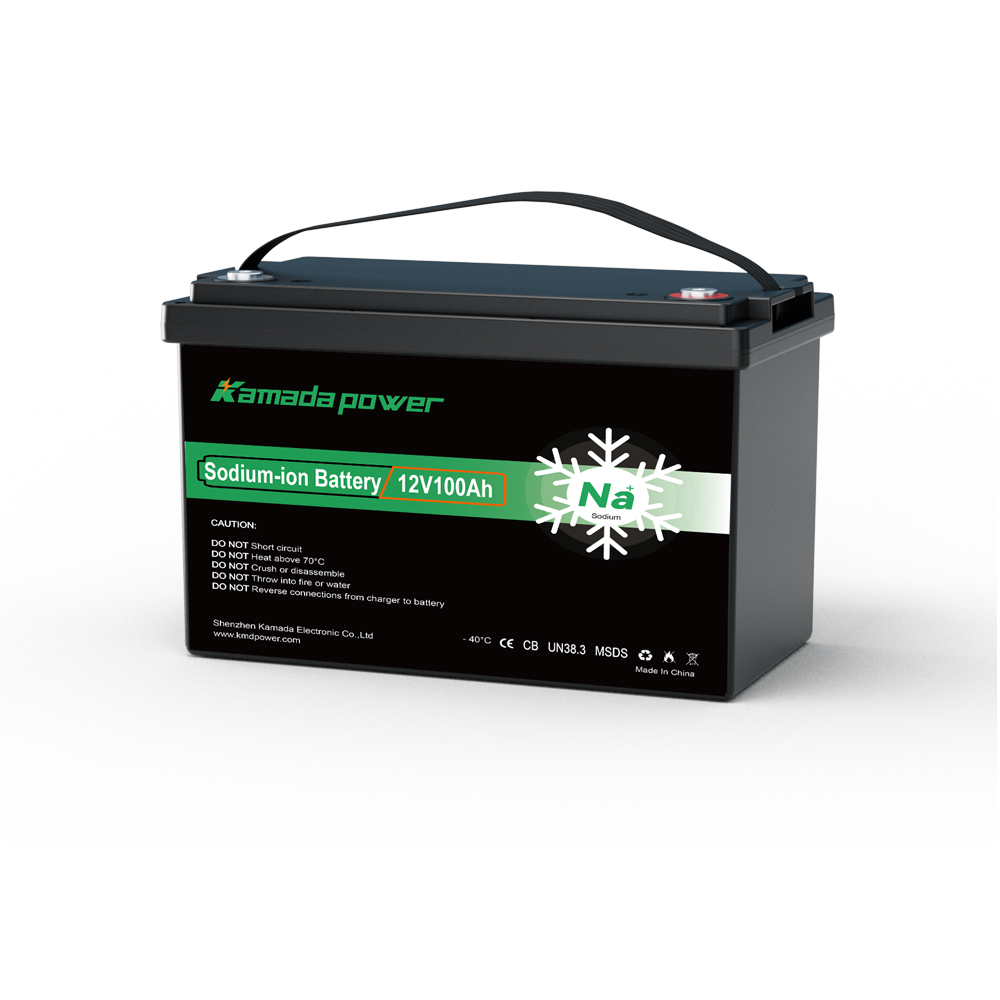
Kamada Power 12v 100Ah natriumioniakku
Miksi päätelaitteen vääntömomentilla on enemmän merkitystä kuin monet asentajat luulevatkaan.
Heikkovirtaisissa järjestelmissä huolimattomat liitännät voivat jäädä huomaamatta. Suurvirtaisissa tasavirtajärjestelmissä ne eivät yleensä huomaa. Jopa hieman löysä akun napa lisää vastusta kosketuspinnalla, ja kuormituksessa tämä lisävastus muuttuu nopeasti lämmöksi.
Koska P = I²R, virran nousu voi tuottaa riittävästi lämpöä vaurioittaakseen liitäntää, pehmentääkseen läheistä materiaalia tai muodostaakseen liitinlohkon. Tämän vuoksi sulaneista pylväistä tai värjäytyneistä korvakkeista syytetään usein akkua, vaikka todellinen ongelma on liitäntä.
Tärinä pahentaa tilannetta, koska vähän kiristetty pultti voi löystyä ajan myötä, jolloin aukko voi avautua, mikä voi johtaa tasavirtakaariin, metallin nopeaan vaurioitumiseen ja tulipalon vaaraan.
Löysät tai suuriresistanssiset liitännät voivat myös aiheuttaa häiritseviä BMS-laukaisuja aiheuttamalla äkillisen jännitteen laskun taajuusmuuttajan käynnistyksen aikana, jolloin BMS tulkitsee tapahtuman ylivirraksi tai oikosuluksi. Tämän vuoksi oikea vääntömomentti ei ole mikään pieni asennusdetalji. Se on osa järjestelmän yleistä luotettavuutta.
M6-, M8- ja M10-akkujen napojen momenttitaulukko liitinten vääntömomentteja varten.
Tarkista aina ensin akun valmistajan oma tietolehti. Kierteen muotoilu, insertin materiaali, pultin pituus, mukana toimitetut laitteistot ja liittimen rakenne voivat vaihdella. Alla oleva taulukko on vain käytännön viite monille tavallisille kupari- tai messinkipariston liittimille. Sen ei pitäisi syrjäyttää akunvalmistajan asennusohjetta.
Älä myöskään pidä metrisiä ja brittiläisiä laitteistoja keskenään vaihdettavina. M6 on vain suunnilleen lähellä 1/4″, M8 on vain suunnilleen lähellä 5/16″ ja M10 on vain suunnilleen lähellä 3/8″. Ne eivät ole sama kierrejärjestelmä. Pulttien sekoittaminen voi vaurioittaa kierteitä, vähentää kosketuspainetta tai luoda liitoksen, joka tuntuu tiukalta, mutta ei ole oikeasti oikea.
| Päätelaitteen koko | Metrinen vääntömomentti | Keisarillinen vääntömomentti | Kaapelin mitoitus Huomautus |
|---|
| M6 (noin 1/4″) | 4,0-5,0 Nm | 35-45 in-lbs | Kaapelin koko on valittava virran, kaapelin pituuden, jännitehäviön, eristysluokituksen ja asennusolosuhteiden mukaan. |
| M8 (noin 5/16″) | 8,0-10,0 Nm | 70-90 in-lbs | Liitinkoko ei automaattisesti määrää kaapelin kokoa. Mitoita kaapeli aina todellisen kuormituksen mukaan. |
| M10 (noin 3/8″) | 12,0-14,0 Nm | 105-125 in-lbs | Suurempivirtaisten kaapeleiden kanssa käytetään usein suurempia liittimiä, mutta kaapelin lopullinen koko riippuu edelleen järjestelmän suunnittelusta. |
On syytä korostaa yhtä seikkaa: ylikiristäminen ei ole turvallisempaa. Monet ihmiset ovat huolissaan löysistä liittimistä ja painavat sitten vain jakoavainta kovemmin. Tämä voi naarmuttaa pehmeät kierteet, muuttaa insertin muotoa tai katkaista pultin. Kun näin tapahtuu, et enää ratkaise liitosongelmaa. Vaihdat laitteiston ja joskus koko akun. Kalibroitu momenttiavain on oikea työkalu tähän. Tuntuman perusteella arvaaminen ei ole.
Kuinka puristaa kaapelikengät oikein 12 V natriumparistoille
Oikea liitännän vääntömomentti auttaa vain, jos itse kaapelin korvakkeet ovat kunnossa. Jos puristus on huono, liitos voi silti ylikuumentua, vaikka pultin vääntömomentti olisi täsmälleen oikea.
1. Aloita oikeasta kaapelista ja kiinnityssangasta
Käytä laadukasta kuparikaapelia, mieluiten hapetonta kuparia. Jos akku asennetaan kosteisiin tiloihin, merialueelle tai ulkotiloihin, tinattu kuparikaapeli on turvallisempi valinta, koska se kestää korroosiota paremmin ajan myötä.
Sovita kaapeliin vahvaseinäinen kuparikorvakkeella, ei ohuella, liian helposti muotoutuvalla, edullisella korvakkeella. Älä kuitenkaan valitse kaapelia vain liittimen koon perusteella. Kaapelin koon tulisi perustua jatkuvaan virtaan, syöksyvirtaan, kaapelin pituuteen, hyväksyttävään jännitehäviöön, eristyslämpötilaluokitukseen ja asennusympäristöön.
Tämä ei ole paikka, jossa voi säästää muutaman dollarin. Halvat korvakkeet ja alamittainen kaapeli aiheuttavat myöhemmin kalliita ongelmia.
2. Irrota eristys huolellisesti
Irrota vain sen verran eristettä, että johdin jää pohjaan korvakkeen tynnyrissä. Älä jätä ylimääräistä paljasta kuparia näkyviin, äläkä vahingoita johtimen säikeitä kuorinnan aikana. Viilletty johdin pienentää kaapelin tehollista poikkileikkausta ja heikentää sekä virrankapasiteettia että mekaanista lujuutta.
Puhdas kaistale auttaa kaapelia istumaan täysin ja tekee puristuksesta johdonmukaisemman.
Tässä kohtaa monet asennukset menevät pieleen.
Vasaratyylinen puristin voi litistää korvakkeen niin, että se näyttää ulkopuolelta hyväksyttävältä, mutta ulkonäkö ei ole sama asia kuin suorituskyky. Nämä työkalut jättävät usein tyhjiöitä piipun sisälle. Nämä aukot sitovat ilmaa ja kosteutta ja lisäävät kestävyyttä.
Hydraulinen puristin on yleensä paljon parempi standardi, koska sillä voidaan käyttää voimakkaampaa ja tasaisempaa puristusta. Työkalu ei kuitenkaan yksin riitä. Sangan, kaapelin koon, muotin koon, puristusasennon ja puristusten lukumäärän on vastattava toisiaan. Hydraulinen puristuskone, jossa on väärä muotti, voi silti tuottaa huonon puristuksen.
Kunnollisen puristuksen on luotava tiivis, matalavastuksinen puristusliitos johtimen ja korvakkeen tynnyrin välille. Käytännössä tämä tarkoittaa alhaisempaa vastusta, vähäisempää lämpenemistä ja parempaa pitkäaikaiskestävyyttä.
Harrastusprojekteissa ihmiset hyväksyvät joskus kompromisseja. Teollisuudessa, televiestinnässä, merenkulussa tai verkon ulkopuolisissa järjestelmissä asianmukainen puristusprosessi on parempi standardi.
4. Tiivistä liitos liimalla päällystetyllä lämpökutistemuovilla.
Kun korvakkeet on puristettu, peitä tynnyri kaksiseinäisellä liimapintaisella kutistekalvolla. Kuumennettaessa ulompi holkki kutistuu ja liima tiivistää eristyksen ja korvakkeen välisen siirtymän. Tämä auttaa pitämään kosteuden poissa, tukee kaapelia liitoksessa ja hidastaa korroosiota ajan myötä.
Se on yksinkertainen toimenpide, mutta se tekee valmiista kaapelista kestävämmän ja ammattimaisemman.
Tarvitsevatko natriumioniakut eri kaapeliliitännät kuin LiFePO4-akut?
Kemialliselta kannalta katsottuna natriumioniakut ja LiFePO4-akut ovat erilaisia akkujärjestelmiä. Johdotuksen kannalta perusasiat eivät juuri muutu.
Virta kulkee edelleen metallin läpi. Resistanssi tuottaa edelleen lämpöä. Löysät liitännät epäonnistuvat edelleen.
Se, mikä voi muuttua, on yhteyteen kohdistuva käytännön rasitus. Monet 12 V:n natriumioniakut on valittu, koska ne säilyttävät vahvan purkautumiskyvyn kylmissä ympäristöissä, joissa LiFePO4:n toiminta on rajoitetumpaa. Tämä tarkoittaa, että kaapelin, korvakkeen ja liittimen liitännän on ehkä kestettävä huomattavaa virtaa myös alhaisissa lämpötiloissa.
Esimerkiksi 12 V:n 100 Ah:n natriumakku voi joissakin malleissa olla mitoitettu noin 100 A:n jatkuvalle teholle, kun taas korkeatehoiset versiot voivat olla mitoitettu lähemmäs 150 A:n tai 200 A:n teholle BMS:n, kennon rakenteen, lämpörajoitusten ja valmistajan määrittelyn mukaan. Kun toimit tällä tasolla, pienet kytkentäviat lakkaavat olemasta "pieniä". Keskinkertainen puristus tai epätarkka vääntömomenttiarvo näkyy paljon todennäköisemmin lämpönä, jännitehäviönä tai BMS-suojauksena.
Yhteysmenetelmä ei siis ole pohjimmiltaan erilainen, mutta huolimattoman työn marginaali on usein pienempi.
Yleiset asennusvirheet, jotka edelleen aiheuttavat vikoja
Jopa kokeneet asentajat tekevät näitä virheitä, varsinkin kun he työskentelevät nopeasti.
Pesukoneen asettaminen väärään paikkaan
Tämä on yksi yleisimmistä syistä akun kuumeneviin napoihin.
Kuparikorvakkeen on oltava suoraan akun napapintaa vasten. Tämä on pääsääntö. Virran kulkureitin on kuljettava akun napasta korvakkeeseen mahdollisimman pienellä vastuksella.
Tavallinen järjestys on:
Akun napa → kuparikorvakkeet → litteä aluslevy → aluslevy tai aluslevy → pultti
Se, mitä ei pitäisi tapahtua, on ruostumattoman teräslevyn asettaminen akun napan ja kuparikorvakkeen väliin. Jos näin tapahtuu, virta pakotetaan aluslevyn läpi sen sijaan, että se kulkisi suoraan kuparista kupariin tai messinkiin. Ruostumattomalla teräksellä on paljon suurempi vastus kuin kuparilla, joten aluslevy kuumenee kuormituksessa ja liitos alkaa heikentyä.
Alumiinikorvakkeet kupari- tai messinkipäätteisissä akkuliittimissä ovat huono ajatus, erityisesti märissä tai kosteissa ympäristöissä. Kyse on galvaanisesta korroosiosta. Ajan mittaan korroosio lisää vastusta, ja suurempi vastus tarkoittaa enemmän lämpöä.
Pitkäaikaisen luotettavuuden varmistamiseksi kontaktimateriaalit on pidettävä yhteensopivina.
Uudelleenkiristystarkastusten ohittaminen
Tuore asennus ei aina pysy samanlaisena muutaman viikon käytön jälkeen. Kupari voi rentoutua hieman. Lämpötilan muutokset aiheuttavat laajenemista ja supistumista. Laitteet, jotka liikkuvat tai tärisevät, voivat siirtää laitteistoa ajan myötä.
On hyvä käytäntö tarkistaa päätelaitteen vääntömomentti uudelleen noin 30 päivän kuluttua asennuksesta ja sisällyttää se sen jälkeen määräaikaishuoltoon. Yksi nopea tarkistus momenttiavaimella voi estää paljon suuremman huolto-ongelman syntymisen myöhemmin.
Kuumien terminaalien ja äkillisten BMS-käyntien vianmääritys
Jos 12 V:n natriumioniakun napa kuumenee tai järjestelmä sammuu, kun taajuusmuuttaja, moottori, pumppu, kompressori tai muu suurikuormitteinen laite käynnistyy, älä oleta, että akun kennot ovat ensin vioittuneet. Tarkista kytkentäpolku.
| Oire | Todennäköinen syy | Mitä tarkistaa |
|---|
| Pääte kuumenee kuormituksessa | Löysä pultti, huono kosketus korvakkeisiin, väärä aluslevyjärjestys tai alamittainen kaapeli. | Tarkista vääntömomentti, aluslevypino, korvakkeiden kosketuspinta ja kaapelin mitoitus. |
| BMS laukaisee taajuusmuuttajan käynnistyksen aikana | Jännitteen aleneminen, joka johtuu suuresta resistanssista liittimessä tai puristimen sisällä. | Mittaa jännitehäviö liitännän yli käynnistyksen aikana |
| Rengas näyttää värjäytyneeltä tai tummuneelta | Kosketusvastuksen aiheuttama lämmön kertyminen | Tarkasta puristuksen laatu, hapettuminen, vääntömomentti ja kosketuspinta-ala. |
| Päätelaitteisto löystyy käytön jälkeen | Tärinä, lämpösyklien vaihtelu tai kaapelin liike vetää päätelaitteeseen. | Kiristä uudelleen ensimmäisen huollon jälkeen ja lisää asianmukainen kaapelin vedonpoisto. |
| Kaapeli tuntuu lämpimältä korvakkeen lähellä | Huono puristus tai liian pieni kaapeli kuormitukseen nähden | Leikkaa takaisin ja purista uudelleen oikealla korvakkeella, muotilla ja kaapelin koolla. |
| Yksi akku rinnakkaispankissa laukeaa aikaisemmin | Epätasainen vastus akkukaapeleiden tai -liittimien välillä | Tarkista kaapelin pituus, korvakkeiden laatu, vääntömomentti ja virtakiskon liitäntätasapaino. |
| Liitin kuumenee edelleen oikean vääntömomentin jälkeen | Ongelma voi olla korvakkeessa, kaapelissa, aluslevypinossa tai liitospinnassa. | Älä jatka kiristämistä, vaan tarkasta koko virran kulkureitti. |
Tärkeä asia on yksinkertainen: vääntömomentti on vain yksi osa yhteyttä. Hyvä liitäntä edellyttää oikeaa kaapelia, oikeaa korvaketta, oikeaa puristusta, oikeaa aluslevyjen järjestystä ja oikeaa vääntömomenttia.
Päätelmä
A 12V natrium-ioniakku voi toimia hyvin kylmällä säällä, varavoimana, matkailuautossa, merellä tai verkon ulkopuolella, mutta vain, jos yhteys on oikea. Huono puristus, väärä aluslevyjen järjestys tai väärä liittimen vääntömomentti voi aiheuttaa kuumuutta ja sammumisia.
Käytä oikeaa kuparikorvaketta, puristustyökalua, tiivistysmenetelmää ja valmistajan vääntömomenttimääritystä. Monet kenttäongelmat poistuvat.
Tarvitsetko apua 12 V:n natriumioniakun sovittamisessa sovellukseesi? Ota yhteyttä a räätälöity natriumioniakku ratkaisu.
FAQ
Entä jos minulla ei ole momenttiavainta? Voinko vain kiristää liittimen käsin?
Se ei ole hyvä ajatus. "Kädet tiukalla" tarkoittaa eri ihmisille eri asioita. Yksi asentaja jättää liitoksen tarpeeksi löysäksi kuumentuakseen kuormituksessa, kun taas toinen irrottaa kierteet ylikiristämällä. Akkujärjestelmän hintaan nähden perusmomenttiavain on pieni investointi ja yleensä sen arvoinen.
Voinko käyttää vanhoja lyijyakun kaapeleita uudelleen natriumakun kanssa?
Joskus kyllä. Mutta vain, jos kaapeli on edelleen hyvässä kunnossa ja todella mitoitettu uudelle virralle, jota uusi laitteistosi vetää. Jotkin natriumakkujärjestelmät voivat tuottaa suurempaa kestovirtaa kuin vanhemmat lyijyakkujärjestelmät, riippuen niiden BMS-luokituksesta ja pakkauksen rakenteesta. Jos kaapeli on syöpynyt, jäykkä, alimitoitettu tai lämpövaurioitunut, vaihda se.
Miksi liitin kuumenee edelleen, vaikka olen kiristänyt sen oikein?
Jos liitinlaitteisto on kiristetty spesifikaatioiden mukaisesti ja liitäntä on silti kuuma, ongelma on usein pikemminkin korvakkeen sisällä kuin pultissa. Huono puristus voi jättää tyhjiöitä ja aiheuttaa vastusta piipun sisälle. Tällöin kaapeli on yleensä katkaistava ja puristettava uudelleen kunnolla. Kannattaa myös tarkistaa aluslevyjen järjestys uudelleen, koska tämä virhe jää helposti huomaamatta ja on hyvin yleinen.