Viele Batterieprobleme beginnen nicht in den Zellen. Sie treten an der Verbindung auf. A 12V Natriumbatterie können gut aussehen, dann aber unter Last versagen: heiße Klemmen, Systemabschaltungen oder BMS-Auslösungen Sehr oft ist die Ursache einfach: ein schlechter Crimp, ein falscher Unterlegscheibenstapel oder eine lockere Klemmenschraube. Eine gute Chemie wird eine schlechte Verbindung nicht beheben.
Zur schnellen Orientierung: Übliche Drehmomentbereiche, die häufig an 12V-Batterieklemmen zu finden sind, sind M6 (1/4″): 4-5 Nm (35-45 in-lbs), M8 (5/16″): 8-10 Nm (70-90 in-lbs), und M10 (3/8″): 12-14 Nm (105-125 in-lbs). Dies sind praktische Referenzbereiche, keine allgemeingültige Regel. Das Datenblatt des Batterieherstellers steht immer an erster Stelle, da das Material des Poleinsatzes, die Gewindetiefe, die Schraubenlänge und die mitgelieferten Teile den sicheren Drehmomentwert verändern können.
Wenn sich das Terminal ständig erhitzt oder das System unter Last ausfällt, liegt das eigentliche Problem meist in den kleinen Installationsdetails.
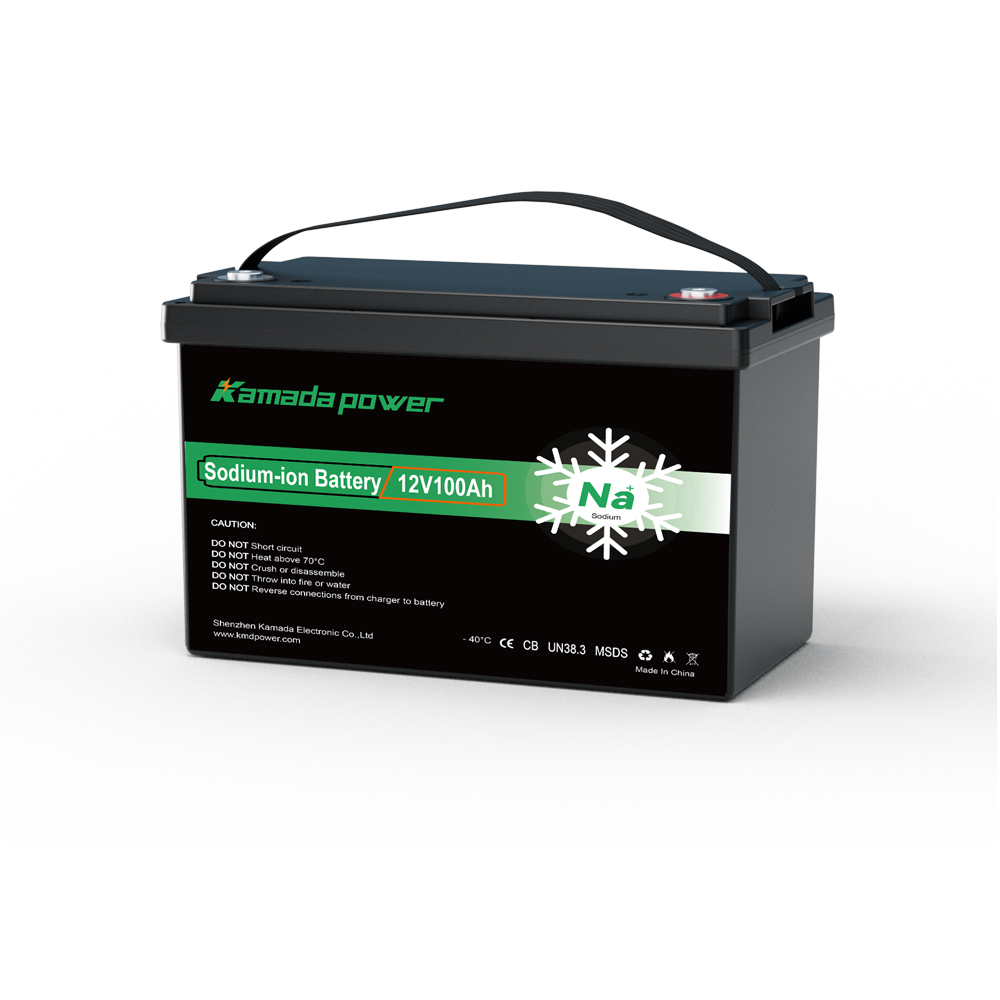
Kamada Power 12v 100Ah Natrium-Ionen-Akku
Warum das Anzugsdrehmoment wichtiger ist, als viele Installateure denken
In Schwachstromsystemen können schlampige Verbindungen unbemerkt bleiben. In Gleichstromsystemen mit hohen Strömen ist das normalerweise nicht der Fall. Selbst eine leicht lockere Batterieklemme erhöht den Widerstand an der Kontaktfläche, und unter Last verwandelt sich dieser zusätzliche Widerstand schnell in Wärme.
Seit P = I²REin Anstieg des Stroms kann genug Hitze erzeugen, um die Verbindung zu beschädigen, das nahe gelegene Material zu erweichen oder den Anschlussblock zu verformen. Deshalb werden geschmolzene Pole oder verfärbte Kabelschuhe oft der Batterie angelastet, obwohl das eigentliche Problem der Anschluss ist.
Vibrationen verschlimmern die Situation, da sich eine geringfügig angezogene Schraube mit der Zeit weiter lockern kann, wodurch ein Spalt entsteht, der zu Gleichstromüberschlägen, schnellen Metallschäden und Brandgefahr führen kann.
Lose oder hochohmige Verbindungen können auch zu unerwünschten BMS-Auslösungen führen, indem sie beim Einschalten des Wechselrichters einen plötzlichen Spannungsabfall verursachen, der von der BMS als Überstrom oder Kurzschluss interpretiert wird. Deshalb ist das richtige Drehmoment kein unwichtiges Installationsdetail. Es ist Teil der allgemeinen Systemzuverlässigkeit.
Anzugsmomenttabelle für M6-, M8- und M10-Batteriebolzen
Sie sollten immer zuerst das Datenblatt des Batterieherstellers prüfen. Gewindedesign, Einsatzmaterial, Schraubenlänge, mitgelieferte Hardware und Polkonstruktion können variieren. Die nachstehende Tabelle ist nur eine praktische Referenz für viele Standard-Batterieklemmen aus Kupfer oder Messing. Sie sollte nicht über die Installationsanleitung des Batterieherstellers gestellt werden.
Außerdem sollten Sie metrische und zöllige Schrauben nicht als austauschbar betrachten. M6 ist nur annähernd 1/4″, M8 ist nur annähernd 5/16″, und M10 ist nur annähernd 3/8″. Sie sind nicht das gleiche Gewindesystem. Das Verwechseln von Schrauben kann das Gewinde beschädigen, den Anpressdruck verringern oder eine Verbindung herstellen, die sich zwar fest anfühlt, aber eigentlich nicht korrekt ist.
| Terminal Größe | Metrisches Drehmoment | Imperiales Drehmoment | Hinweis zur Kabeldimensionierung |
|---|
| M6 (ca. 1/4″) | 4,0-5,0 Nm | 35-45 in-lbs | Die Kabelgröße muss nach Stromstärke, Kabellänge, Spannungsabfall, Isolationswert und Installationsbedingungen ausgewählt werden. |
| M8 (ca. 5/16″) | 8,0-10,0 Nm | 70-90 in-lbs | Die Klemmengröße ist nicht automatisch entscheidend für die Kabelgröße. Bemessen Sie das Kabel immer für die tatsächliche Last. |
| M10 (ca. 3/8″) | 12,0-14,0 Nm | 105-125 in-lbs | Größere Klemmen werden häufig bei Kabeln mit höheren Strömen verwendet, aber die endgültige Kabelgröße hängt immer noch vom Systemdesign ab. |
Ein Punkt ist besonders hervorzuheben: Übermäßiges Anziehen ist nicht sicherer. Viele Leute machen sich Sorgen über lockere Klemmen und setzen den Schraubenschlüssel dann einfach fester an. Das kann weiche Gewinde ausreißen, den Einsatz deformieren oder die Schraube brechen. Wenn das passiert, lösen Sie nicht länger ein Verbindungsproblem. Sie tauschen die Hardware und manchmal auch die ganze Batterie aus. Ein kalibrierter Drehmomentschlüssel ist hier das richtige Werkzeug. Schätzen nach Gefühl ist es nicht.
Wie man Kabelschuhe für 12-V-Natriumbatterien richtig crimpt
Das richtige Anzugsdrehmoment hilft nur, wenn der Kabelschuh selbst in Ordnung ist. Wenn die Crimpung schlecht ist, kann die Verbindung immer noch überhitzen, selbst wenn das Anzugsmoment genau richtig ist.
1. Beginnen Sie mit dem richtigen Kabel und Kabelschuh
Verwenden Sie ein hochwertiges Kupferkabel, idealerweise sauerstofffreies Kupfer. Wenn die Batterie in einer feuchten Umgebung, auf See oder im Freien installiert wird, ist ein verzinntes Kupferkabel die sicherere Wahl, da es im Laufe der Zeit besser korrosionsbeständig ist.
Verwenden Sie für dieses Kabel einen dickwandigen Kupferkabelschuh und keinen dünnen, billigen, der sich zu leicht verformt. Wählen Sie das Kabel jedoch nicht nur nach der Klemmengröße aus. Die Kabelgröße sollte sich nach Dauerstrom, Stoßstrom, Kabellänge, zulässigem Spannungsabfall, Isolationstemperatur und Installationsumgebung richten.
Dies ist nicht der richtige Ort, um ein paar Dollar zu sparen. Billige Kabelschuhe und unterdimensionierte Kabel verursachen später teure Probleme.
2. Die Isolierung sorgfältig abisolieren
Isolieren Sie nur so viel ab, dass der Leiter in der Kabelschuhhülse zu liegen kommt. Lassen Sie kein überschüssiges blankes Kupfer frei und beschädigen Sie die Leiterlitzen beim Abisolieren nicht. Ein eingekerbter Leiter verringert den effektiven Querschnitt des Kabels und schwächt sowohl die Stromkapazität als auch die mechanische Festigkeit.
Eine saubere Abisolierung hilft dem Kabel, vollständig zu sitzen, und macht den Crimp gleichmäßiger.
Dies ist der Punkt, an dem viele Installationen scheitern.
Ein Hammer-Crimper kann eine Lasche so weit abflachen, dass sie von außen akzeptabel aussieht, aber Aussehen ist nicht dasselbe wie Leistung. Diese Werkzeuge hinterlassen oft Hohlräume im Inneren des Laufs. Diese Lücken schließen Luft und Feuchtigkeit ein und erhöhen den Widerstand.
Eine hydraulische Crimpzange ist in der Regel ein viel besserer Standard, da sie eine stärkere und gleichmäßigere Kompression ausüben kann. Aber das Werkzeug allein ist nicht genug. Der Kabelschuh, die Kabelgröße, die Größe der Matrize, die Crimpposition und die Anzahl der Crimps müssen alle übereinstimmen. Eine hydraulische Crimpzange mit der falschen Matrize kann immer noch eine schlechte Crimpung erzeugen.
Eine ordnungsgemäße Crimpung sollte eine dichte, niederohmige Druckverbindung zwischen dem Leiter und dem Kabelschuh herstellen. In der Praxis bedeutet dies einen geringeren Widerstand, eine geringere Erwärmung und eine bessere langfristige Haltbarkeit.
Bei Hobbyprojekten nimmt man manchmal Kompromisse in Kauf. Für Industrie-, Telekommunikations-, Marine- oder netzunabhängige Systeme ist ein ordnungsgemäßer Crimp-Prozess der bessere Standard.
4. Dichten Sie die Verbindung mit einem mit Klebstoff beschichteten Schrumpfschlauch ab.
Sobald der Kabelschuh gecrimpt ist, umhüllen Sie die Hülse mit einem doppelwandigen, mit Klebstoff beschichteten Schrumpfschlauch. Bei Erwärmung schrumpft der äußere Mantel und der Klebstoff versiegelt den Übergang zwischen Isolierung und Kabelschuh. Dadurch wird Feuchtigkeit ferngehalten, das Kabel an der Verbindungsstelle gestützt und die Korrosion im Laufe der Zeit verlangsamt.
Das ist ein einfacher Schritt, aber er macht das fertige Kabel haltbarer und professioneller.
Brauchen Natrium-Ionen-Batterien andere Kabelverbindungen als LiFePO4?
Aus chemischer Sicht sind Natrium-Ionen- und LiFePO4-Batterien unterschiedliche Systeme. Vom Standpunkt der Verdrahtung aus gesehen, ändern sich die Grundlagen nicht sehr stark.
Strom fließt immer noch durch Metall. Widerstand erzeugt immer noch Wärme. Lose Verbindungen fallen immer noch aus.
Was sich ändern kann, ist die praktische Beanspruchung der Verbindung. Viele 12-V-Natrium-Ionen-Batterien werden ausgewählt, weil sie in kalten Umgebungen eine starke Entladeleistung beibehalten, wo LiFePO4 an seine Grenzen stößt. Das bedeutet, dass das Kabel, der Kabelschuh und die Klemmenschnittstelle auch bei niedrigen Temperaturen einen erheblichen Strom führen müssen.
Eine 12-Volt-Natriumbatterie mit 100 Ah kann zum Beispiel in einigen Ausführungen für 100 A Dauerstrom ausgelegt sein, während Hochstromversionen je nach BMS, Zelldesign, thermischen Grenzen und Herstellerspezifikationen eher für 150 A oder 200 A ausgelegt sind. Sobald Sie auf diesem Niveau arbeiten, sind kleine Verbindungsfehler nicht mehr "klein". Ein mittelmäßiger Crimp oder ein ungenauer Drehmomentwert machen sich mit größerer Wahrscheinlichkeit als Wärme, Spannungsabfall oder BMS-Schutz bemerkbar.
Die Verbindungsmethode ist also nicht grundlegend anders, aber der Spielraum für schlampige Arbeit ist oft kleiner.
Häufige Installationsfehler, die immer noch zu Ausfällen führen
Selbst erfahrene Installateure machen diese Fehler, vor allem wenn sie schnell arbeiten.
Falsche Platzierung der Unterlegscheibe
Dies ist eine der häufigsten Ursachen für heiße Batteriepole.
Die Kupferfahne sollte direkt an der Oberfläche der Batterieklemme anliegen. Das ist die wichtigste Regel. Der Strompfad sollte mit so wenig Widerstand wie möglich von der Klemme zur Lasche verlaufen.
Die übliche Reihenfolge ist:
Batteriepol → Kupferkabelschuh → Unterlegscheibe → Sicherungsscheibe oder Federring → Schraube
Was nicht passieren sollte, ist das Anbringen einer Unterlegscheibe aus rostfreiem Stahl zwischen dem Batteriepol und dem Kupferkabelschuh. In diesem Fall wird der Strom durch die Unterlegscheibe gezwungen, anstatt direkt von Kupfer zu Kupfer oder Messing zu fließen. Edelstahl hat einen viel höheren Widerstand als Kupfer, so dass sich die Unterlegscheibe unter Last erwärmt und die Verbindung sich zu verschlechtern beginnt.
Aluminiumkabelschuhe an Kupfer- oder Messingbatteriepolen sind keine gute Idee, vor allem nicht in nassen oder feuchten Umgebungen. Das Problem ist die galvanische Korrosion. Mit der Zeit erhöht die Korrosion den Widerstand, und ein höherer Widerstand bedeutet mehr Wärme.
Für eine langfristige Zuverlässigkeit sollten die Kontaktmaterialien kompatibel sein.
Überspringen von Nachdrehmomentkontrollen
Eine frisch installierte Anlage bleibt nicht immer gleich nach ein paar Wochen in Betrieb. Kupfer kann sich leicht entspannen. Temperaturschwankungen verursachen Ausdehnung und Zusammenziehen. Geräte, die sich bewegen oder vibrieren, können die Hardware mit der Zeit verschieben.
Es hat sich bewährt, das Anzugsdrehmoment der Klemmen etwa 30 Tage nach der Installation erneut zu prüfen und es dann in die regelmäßige Wartung einzubeziehen. Eine schnelle Überprüfung mit einem Drehmomentschlüssel kann später ein viel größeres Wartungsproblem verhindern.
Fehlersuche bei heißen Klemmen und plötzlichen BMS-Auslösungen
Wenn ein Pol einer 12-V-Natrium-Ionen-Batterie heiß wird oder das System sich abschaltet, wenn der Wechselrichter, der Motor, die Pumpe, der Kompressor oder ein anderes hochbelastetes Gerät anläuft, gehen Sie nicht davon aus, dass zuerst die Batteriezellen ausgefallen sind. Überprüfen Sie den Verbindungspfad.
| Symptom | Wahrscheinliche Ursache | Was ist zu prüfen? |
|---|
| Klemme wird unter Last heiß | Lose Schraube, schlechter Kontakt der Kabelschuhe, falsche Reihenfolge der Unterlegscheiben oder unterdimensioniertes Kabel | Prüfen Sie das Drehmoment, den Unterlegscheibenstapel, die Kontaktfläche der Kabelschuhe und die Kabeldimensionierung. |
| BMS löst beim Starten des Wechselrichters aus | Spannungsabfall durch hohen Widerstand an der Klemme oder in der Crimpung | Messen Sie den Spannungsabfall an der Verbindung während des Starts. |
| Lug sieht verfärbt oder verdunkelt aus | Wärmestau durch Übergangswiderstand | Prüfen Sie Crimpqualität, Oxidation, Drehmoment und Kontaktfläche |
| Terminal-Hardware lockert sich nach Gebrauch | Vibrationen, Temperaturschwankungen oder Kabelbewegungen, die an der Klemme ziehen | Nach der ersten Wartung erneut anziehen und eine geeignete Zugentlastung anbringen. |
| Kabel fühlt sich in der Nähe des Kabelschuhs warm an | Schlechte Crimpung oder zu kleines Kabel für die Last | Zurückschneiden und erneutes Verpressen mit dem richtigen Kabelschuh, dem richtigen Werkzeug und der richtigen Kabelgröße |
| Eine Batterie in einer Parallelbank fällt früher aus | Ungleichmäßiger Widerstand zwischen Batteriekabeln oder -polen | Prüfen Sie die Kabellänge, die Qualität der Kabelschuhe, das Drehmoment und die Ausgewogenheit der Sammelschienenverbindung. |
| Klemme erwärmt sich noch nach korrektem Drehmoment | Das Problem kann innerhalb des Kabelschuhs, des Kabels, des Unterlegscheibenstapels oder der Anschlussfläche liegen. | Nicht immer wieder anziehen, sondern den gesamten Strompfad überprüfen |
Der wichtige Punkt ist einfach: Das Drehmoment ist nur ein Teil der Verbindung. Eine gute Kabelschuhverbindung braucht das richtige Kabel, den richtigen Kabelschuh, die richtige Crimpung, die richtige Reihenfolge der Unterlegscheiben und das richtige Drehmoment.
Schlussfolgerung
A 12V Natrium-Ionen-Akku können bei kaltem Wetter, als Notstromversorgung, in Wohnmobilen, auf Schiffen oder im netzunabhängigen Betrieb gut funktionieren, aber nur, wenn die Verbindung richtig ist. Eine schlechte Crimpung, eine falsche Reihenfolge der Unterlegscheiben oder ein falsches Anzugsmoment der Klemmen kann zu Hitze und Abschaltungen führen.
Verwenden Sie den richtigen Kupferkabelschuh, das richtige Crimpwerkzeug, die richtige Dichtungsmethode und die Drehmomentangaben des Herstellers. Damit verschwinden viele Probleme im Feld.
Benötigen Sie Hilfe bei der Auswahl einer 12-V-Natrium-Ionen-Batterie für Ihre Anwendung? Kontakt für eine kundenspezifische Natrium-Ionen-Batterie Lösung.
FAQ
Was ist, wenn ich keinen Drehmomentschlüssel habe? Kann ich die Klemme einfach von Hand anziehen?
Das ist keine gute Idee. "Handfest" bedeutet für jeden etwas anderes. Ein Installateur lässt die Verbindung so locker, dass sie sich unter Last erwärmt, während ein anderer das Gewinde durch zu starkes Anziehen abnutzt. In Anbetracht der Kosten für das Batteriesystem ist ein einfacher Drehmomentschlüssel eine kleine Investition, die sich in der Regel lohnt.
Kann ich alte Blei-Säure-Batteriekabel mit einer Natriumbatterie wiederverwenden?
Manchmal, ja. Aber nur, wenn das Kabel noch in gutem Zustand und für den Strom ausgelegt ist, den Ihr neues System aufnehmen wird. Einige Natriumbatteriesysteme können einen höheren Dauerstrom liefern als ältere Blei-Säure-Systeme, je nach BMS-Leistung und Bauart der Batterie. Wenn das Kabel korrodiert, steif, unterdimensioniert oder hitzegeschädigt ist, ersetzen Sie es.
Warum wird die Klemme immer noch heiß, obwohl ich sie richtig angezogen habe?
Wenn die Anschlussklemmen mit dem vorgeschriebenen Drehmoment angezogen sind und die Verbindung immer noch heiß läuft, liegt das Problem oft im Inneren des Kabelschuhs und nicht an der Schraube. Eine schlechte Crimpung kann Hohlräume hinterlassen und Widerstand im Inneren der Hülse erzeugen. In diesem Fall muss das Kabel in der Regel zurückgeschnitten und erneut ordnungsgemäß gecrimpt werden. Es lohnt sich auch, die Reihenfolge der Unterlegscheiben noch einmal zu überprüfen, denn dieser Fehler ist leicht zu übersehen und kommt sehr häufig vor.