Baterija morske boje pogosto odloča o tem, ali bo sistem AtoN, solarna boja, luč kanala ali postaja za daljinsko spremljanje ostala vklopljena ali pa bo potreben drag izlet službe za nujne primere.
Za razliko od običajnega rezervnega napajanja ključno vprašanje niso le amperurne ure. Gre za to, ali lahko baterija zmanjša nenačrtovano vzdrževanje v vročih, zaprtih okoljih s slano meglo in sončno energijo.
Svinčevo-kislinsko je morda na prvi pogled cenejše, vendar lahko zgodnja okvara pomeni mobilizacijo plovila, stroške posadke, vremenske zamude in tveganje za plovbo. Natrijev ion ni univerzalna zamenjava, vendar je pravilno zasnovana 12-voltna natrijevo-ionska baterija so lahko resna izbira, kadar so pomembni toplota, delovanje PSOC, sončna spremenljivost in dolgi servisni intervali.
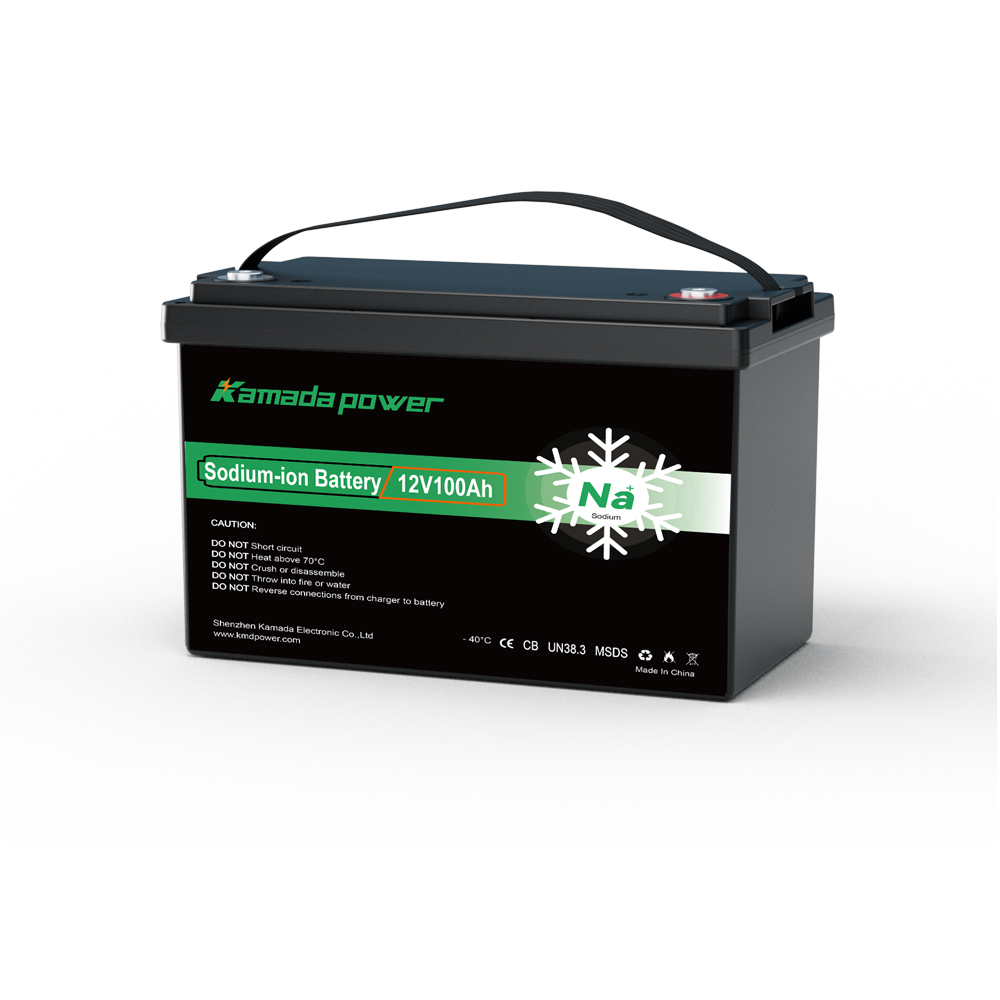
Kamada Power 12v 100Ah natrijev ionski akumulator
Zakaj izbrati natrijevo-ionske baterije za morske baterije AtoN?
Natrijevo-ionska baterija so lahko privlačni za oddaljene morske sisteme, ker se izogibajo sulfatizaciji svinčeve kisline, so lahko zasnovani za večkratno delno polnjenje, lahko podpirajo močno sprejemanje polnjenja in lahko zmanjšajo tveganje shranjene energije pri prevozu ali skladiščenju pri nizki napetosti v ustreznih izvedbah.
Vendar samo kemija ni dovolj. Morski baterijski sklop mora preživeti vročino, slano meglo, kondenzacijo, toplotno cikliranje, spremembe tlaka v ohišju, spremembe polnjenja MPPT, obremenitev kablov, zaščito BMS in dolga obdobja brez vzdrževanja.
Pri večini morskih projektov AtoN so ključni pregledi validacija pri visokih temperaturah, toleranca PSOC, zaščita pred korozijo, izenačevanje tlaka, združljivost MPPT, zaščita BMS in življenjska doba.
Stroški baterije so sekundarni glede na tveganje mobilizacije
V tujini je zamenjava akumulatorja le redko preprosta zamenjava delov. Baterija lahko stane le nekaj sto dolarjev, vendar lahko pošiljanje plovila, posadke, orodja in nadomestnih paketov na označevalno mesto stane večkrat več.
To spremeni logiko nakupovanja. Cenejši svinčeno-kislinski akumulator je lahko sprejemljiv na lokaciji, ki je lahko dostopna. Na oddaljeni boji pa lahko zgodnja okvara povzroči mobilizacijo v sili, zamude pri načrtovanju, tveganje zaradi vremenskih razmer, varnostnih postopkov in odgovornosti, če oznaka ostane temna.
Zato je "najnižja nakupna cena" pogosto napačen kriterij. Boljša metrika so preprečeni stroški servisiranja: manj odhodov v tujino zaradi okvare baterije.
Učinek "pečice za bojo": Zakaj toplota spremeni odločitev o bateriji
Ohišje boje je lahko veliko bolj vroče od okoliškega zraka. Neposredna sončna svetloba, jeklena ali kompozitna ohišja, omejen pretok zraka, temne površine in zaprti prostori lahko povzročijo učinek "peči za bojo".
Vročina pospešuje staranje baterije. Pri svinčevo-kislinskih baterijah VRLA lahko povišana temperatura pospeši korozijo mreže, izgubo vode, izsušitev elektrolita in notranjo degradacijo. Baterija, ki je v standardnih preskusnih pogojih ocenjena na več let, lahko odpove veliko prej, če večino svojega življenja preživi v vročem ohišju.
V morskih solarnih sistemih se toplota pogosto združuje z nepopolnim polnjenjem. Baterija je lahko vroča, če deluje dlje časa, ne da bi se popolnoma napolnila. Ta kombinacija je še posebej škodljiva za svinčevo-kislinske sisteme, saj povezuje toplotno staranje s tveganjem sulfatacije.
Natrijevi ioni imajo lahko prednost pri zasnovah paketov, potrjenih za delovanje pri povišani temperaturi. Vendar je treba to prednost dokazati na ravni paketa in je ne predvidevati samo na podlagi kemije. Celice, BMS, ohišje, lončenje, priključki, zračniki, tesnila, sponke in kabli morajo preživeti v morskem okolju.
Pred izbiro potrdite pričakovano temperaturo ohišja, dovoljenje za polnjenje pri tej temperaturi, oceno BMS in rezultate preskusa toplotnega cikla celotnega paketa.
PSOC: Skriti način odpovedi v baterijah za sončne boje
Sistemi AtoN na sončno energijo redko delujejo v popolnih pogojih polnjenja. Med nevihtami, pozimi, meglo, monsunskimi obdobji ali dolgotrajnimi oblačnimi obdobji lahko baterija ostane delno napolnjena več dni ali tednov. Lahko se giblje med nizko in srednjo vrednostjo SOC, ne da bi se popolnoma napolnila.
To je delno stanje napolnjenosti ali PSOC.
Pri svinčevih akumulatorjih je delovanje PSOC lahko zelo škodljivo. Če svinčevo-kislinski akumulator predolgo ostane delno napolnjen, se lahko na ploščah strdi svinčev sulfat. Ta sulfatizacija zmanjša kapaciteto, poveča notranjo upornost in oteži polnjenje baterije.
V oddaljenem solarnem plovcu se lahko vzorec napak sam okrepi: oblačno vreme zmanjša polnjenje, baterija ostane delno napolnjena, sulfatizacija zmanjša zmogljivost, sprejem polnjenja se zmanjša in sistem prej doseže nizko napetost.
Natrijev ion nima mehanizma svinčevega sulfata. Zato je privlačen za solarne sisteme AtoN, ki so izpostavljeni ponavljajočim se delnim polnjenjem. Vendar pa natrijevih ionov ne smemo opisati kot "neovlivnjenih s PSOC". Dolgoročno staranje je še vedno odvisno od okna SOC, temperature, hitrosti C, globine praznjenja, polnilne napetosti, strategije BMS in kemije celic.
Natrijevi ioni lahko zmanjšajo enega od glavnih mehanizmov odpovedi PSOC, ki se pojavljajo pri svinčevih akumulatorjih, vendar so za življenjsko dobo na morju še vedno potrebne potrjene omejitve delovanja in podatki s terena.
Natrijevo-ionski vs svinčevo-kislinski vs LiFePO4 za uporabo v morskem okolju AtoN
Svinčeva, LiFePO4 in natrijeva ionska baterija lahko delujejo v morskih sistemih, če so pravilno zasnovani. Prava izbira je odvisna od intervala vzdrževanja, temperature, profila polnjenja, varnostnih zahtev, pravil prevoza, stroškovnega modela in strategije vzdrževanja.
| Dejavnik odločanja | Svinčevo-kislinski GEL/AGM | LiFePO4 | Natrijevo-ionski |
|---|
| Delovanje PSOC | Šibek; nevarnost sulfatizacije | Dobro | Močan potencial; brez mehanizma svinčevega sulfata |
| Staranje pri visoki temperaturi | Pogosto slabo, razen če je zmanjšano | Odvisno od zasnove pakiranja | Obetavno, če se potrdi na ravni pakiranja |
| Gostota energije | Nizka | Visoka | Zmerno |
| Sprejemanje dajatev | Počasneje ob polnem polnjenju | Hitro, če to omogoča sistem BMS | Hitro, če BMS in polnilec to omogočata |
| Zrelost na polju | Zelo zrel | Odrasli | V nastajanju; število podatkov na terenu še narašča |
| Najprimernejši | Nizkocenovna in dostopna spletna mesta | Zrelo visoko zmogljivo varnostno kopiranje | Vroče aplikacije, ki zahtevajo veliko PSOC in dolge intervale storitev |
Izhodišče ni "natrijevi ioni nadomestijo vse". O njem je treba razmisliti, kadar svinčevo-kislinski sistem zaradi vročine in PSOC predčasno odpove ali kadar je LiFePO4 omejen zaradi stroškov, temperaturne politike, logistike ali tveganja, značilnega za projekt.
Določanje velikosti obremenitve AtoN: Začnite z obremenitvijo sistema
Natrijevo-ionske baterije ni mogoče izbrati samo po nazivni napetosti in nazivni vrednosti Ah. Pri pomorskem sistemu AtoN je treba pri določanju velikosti upoštevati dejansko obremenitev sistema: moč svetilke, delovni cikel, obremenitev telemetrije ali AIS, nočne ure, dneve avtonomije, velikost solarnega panela, profil MPPT, temperaturo ohišja, rezervo za staranje in cilj uporabe.
Enostavna formula za energijo je:
Dnevna energija, Wh = moč obremenitve, W × obratovalne ure
Potrebna energija baterije, Wh = dnevna energija × dnevi avtonomije ÷ uporabni DoD
Če na primer boja porabi 12 W 14 ur na noč:
12W × 14h = 168Wh na dan
Za 7 dni avtonomije:
168Wh × 7 = 1.176Wh
Pri uporabni globini praznjenja 80%:
1,176Wh ÷ 0,80 = 1,470Wh nazivne energije baterije
Pri nazivni sistemski napetosti 12 V:
1,470Wh ÷ 12V ≈ 122,5Ah
V tem primeru je lahko morski natrijev ionski paket 12V 150Ah bolj realističen kot paket 12V 100Ah, odvisno od temperaturne rezerve, rezerve za staranje, sončne regeneracije, tokovnih omejitev BMS in rezervne zmogljivosti.
Inženiring pomorskih ohišij: IP-kategorija je le izhodišče
Morski akumulator lahko odpove, tudi če so celice dobre. Slana megla, kondenzacija, ciklični pritisk, kabelska vodila, korozija priključkov, vibracije in izpostavljenost BMS so pogosto resnične točke okvare.
Pogosta napaka je domneva, da je popolnoma zatesnjeno ohišje vedno najboljše. V zatesnjenih ohišjih prihaja do sprememb tlaka zaradi segrevanja in ohlajanja zraka v notranjosti. Sčasoma lahko ciklično spreminjanje tlaka obremeni tesnila in skozi šibke točke v ohišje potegne vlažen in slan zrak.
Za mnoge sisteme baterij za bojo je bolj praktična zasnova:
Ohišje IP67 + zračnik za izenačevanje tlaka + strojna oprema, zaščitena pred korozijo + zaščitena elektronika BMS
IP67 in IP68 nista samodejno "boljša" ali "slabša". Pravilna izbira je odvisna od nevarnosti pršenja, umivanja, začasnega potopitve, ponavljajoče se kondenzacije ali trajne potopitve. Pri številnih baterijah za boje sta izenačevanje tlaka in nadzor nad korozijo pomembna prav toliko kot sama številka IP.
Posebno pozornost si zasluži tudi sistem BMS. V slani megli lahko šibka zaščita tiskanega vezja, tesnjenje priključkov ali zasnova priključkov spremenijo dober celični sistem v drago okvaro. Za dolgotrajno storitev AtoN se pozanimajte, ali je sistem BMS konformno prevlečen ali zalit s smolo, ali je na voljo beleženje napak in ali pregled v slani megli vključuje ponovni funkcionalni preskus.
Močna kemija natrijevih ionov ne more nadomestiti šibkega morskega sistema BMS.
Sončna združljivost: Električna združljivost
Mnogi kupci plovil sprašujejo, ali lahko 12-voltna natrijevo-ionska baterija nadomesti 12-voltno svinčeno-kislinsko baterijo v obstoječem solarnem plovilu. Pogosto je odgovor pritrdilen, vendar ne na slepo.
A natrijevo-ionska baterija lahko ustreza istemu ohišju in uporablja isti nazivni napetostni razred, vendar se lahko njegova polnilna napetost, izklopna napetost, obnašanje plavajočega akumulatorja in omejitve BMS razlikujejo od svinčevo-kislinskega ali LiFePO4.
Pred zamenjavo potrdite polnilno napetost MPPT, politiko plavajočega stanja ali stanja pripravljenosti, nizkonapetostno prekinitev, tokovne omejitve, temperaturno politiko, nazivno vrednost kabla, zaščito z varovalkami in obnovitev po zaščiti pred nizko napetostjo.
V oddaljenih sistemih AtoN sestavljajo paket, krmilnik MPPT, svetilka, telemetrična naprava, sončna plošča, kabli in varovalke en sam napajalni sistem. Vpadljiv faktor oblike ne pomeni vedno tudi vpadljive električne združljivosti.
0V ali nizkonapetostni prevoz je koristen, vendar ne pomeni brezplačne prepustnice
Ena od potencialnih prednosti natrijevo-ionske tehnologije je, da nekatere zasnove bolje prenašajo shranjevanje pri zelo nizki napetosti ali prevoz 0 V kot običajni litij-ionski sistemi.
Ta prednost je pogosto povezana z zasnovami natrijevih ionskih celic, ki uporabljajo aluminijaste tokovne kolektorje. Pri ustreznih izvedbah lahko nizkonapetostno ali 0V shranjevanje zmanjša tveganje shranjene energije med prevozom, skladiščenjem v skladišču ali med postavitvijo projekta.
Vendar pa tega ne smemo pretirano prodajati. Nizkonapetostni ali 0V transport ne odpravlja samodejno zahtev glede nevarnega blaga, embalaže, označevanja, testiranja ali dokumentacije. Razvrstitev je še vedno odvisna od zasnove celic, energije pakiranja, vrste elektrolita, poročil o preskusih, pristojnosti, embalaže in veljavnih pravil prevoza.
Zasnove natrijevih ionov, ki lahko podpirajo 0 V, lahko poenostavijo upravljanje tveganja, vendar je treba skladnost še vedno preveriti pred pošiljanjem.
Zakaj lahko natrijev ion zmanjša število klicev v sili
Razmislite o tropskem pristanišču, ki uporablja svinčene baterije GEL v označevalnikih kanalov na sončni pogon. Na papirju so baterije predvidene za več let. Na terenu ohišje boje doseže visoke notranje temperature, sezonsko deževje pa povzroči večtedensko nepopolno polnjenje s sončno energijo.
Vzorec odpovedi je predvidljiv. Vročina pospešuje staranje svinčeve kisline. Oblačno vreme ohranja baterijo v stanju PSOC. PSOC pospešuje sulfatizacijo. Sulfatizacija zmanjšuje sprejemanje polnjenja. Ko se sončna svetloba vrne, se baterija ne obnovi več pravilno. Napetost svetilke pade in sledi obisk servisne službe za nujne primere.
Ustrezno potrjen natrijev ionski paket bi lahko zmanjšal to tveganje okvare, saj se izogne sulfatizaciji svinčevih kislin in je lahko zasnovan za večkratno ciklično delno polnjenje. Vendar mora paket še vedno dokazati učinkovitost pri vročini, slani megli, obremenitvah v ohišju in dejanskem sončnem polnjenju.
To je pravilen način, kako gledati na natrijeve ione v morskih AtoN: ne kot na zagotovljeno 10-letno čudežno baterijo, temveč kot na paketno platformo, ki se lahko bolje prilega vročim, oddaljenim sistemom boj, ki se napajajo s sončno energijo.
Zaključek
Pri morskih AtoN, solarnih bojah in označevalnikih na morju izbira baterije ni odvisna le od vrednosti Ah ali nakupne cene. Neposredno vpliva na mobilizacijo plovil, tveganje vremenskih zamud in dolgoročne stroške obratovanja in vzdrževanja. Ustrezno zasnovana 12-voltna natrijevo-ionska baterija je lahko dobra izbira, kadar so toplota, delovanje PSOC, izpostavljenost soli in dolgi servisni intervali glavne omejitve, zlasti če je paket potrjen glede napetostnega okna, združljivosti z MPPT, zaščite BMS, oblike ohišja in odpornosti proti koroziji. Kontakt Kamada Power za oceno, ali je 12V natrijevo-ionska baterija za plovila je prava izbira za vašo bojo, AtoN ali solarni sistem na morju.
POGOSTA VPRAŠANJA
Ali je natrijev ion dokazan za 10-letno življenjsko dobo boj na morju?
Vendar še ne na enak način kot starejše kemikalije. Natrijevi ioni imajo obetavne lastnosti glede toplote, delovanja PSOC in varnosti, vendar se dolgoročni podatki o uporabi na morju še zbirajo. Bolje je 8-10 let opisati kot ciljno vrednost zasnove, ki zahteva potrditev na ravni paketa, in ne kot splošno jamstvo.
Ali je IP68 vedno boljši od IP67 za baterijo za bojo?
Ni nujno. IP68 je lahko uporaben pri nekaterih tveganjih potopitve, vendar je veliko okvar baterij na bojih posledica toplotnih ciklov, kondenzacije, slane megle, kabelskih žlez in korozije, ne pa neprekinjene potopitve. Pri številnih aplikacijah je IP67 z zračnikom za izenačevanje tlaka in močnim protikorozijskim nadzorom morda bolj praktičen kot popolnoma zatesnjena škatla.
Ali lahko natrijevo-ionska baterija nadomesti svinčevo-kislinsko v obstoječi sončni boji?
Pogosto da, vendar ne slepo. Potrdite napetost polnjenja, obnašanje v plavajočem ali stanju pripravljenosti, združljivost MPPT, nizkonapetostno izklopitev, prostor v ohišju, zmogljivost kablov, tokovne omejitve BMS in temperaturno območje. Vgradni faktor oblike ne pomeni vedno tudi vgradne električne združljivosti.
Ali prevoz 0V pomeni, da natrijev ion ni nevarno blago?
Ne. Nizkonapetostni ali 0V prevoz lahko zmanjša tveganje za shranjeno energijo, vendar ne odpravi zahtev za prevoz. Pred pošiljanjem vedno preverite veljavno klasifikacijo, preskusno dokumentacijo, pravila pakiranja in lokalne predpise o prevozu.