Ali je deljena faza enaka enofazni? Zamenjava "enofazni 230V" z "razcepljeno fazo 120/240V" na specifikacijskem listu ni le sintaktična napaka - je recept za ocvrto elektroniko in neuspešne preglede. V 12V baterija RV in pomorskem sektorju je to razlikovanje ključnega pomena: čeprav je deljena faza tehnično oblika enofazne faze, je ožičenje zaradi nevtralne sredinske pipe bistveno drugačno. Ta vodnik natančno pojasnjuje delovanje te konfiguracije in zagotavlja, da izberete pravi inverter za varno napajanje severnoameriških sistemov.
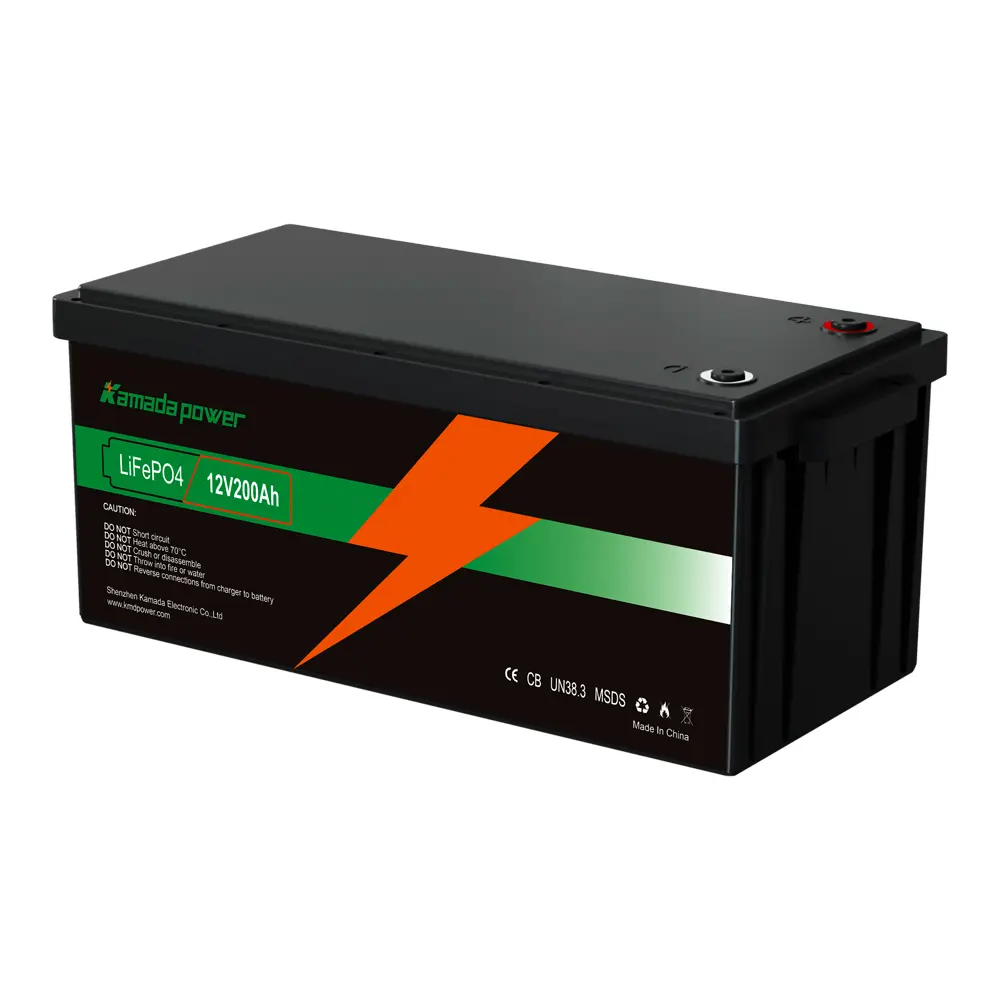
Kamada Power 12v 200ah Lifepo4 baterija
Razdeljena faza proti enofazni
Tehnično je split faza posebna konfiguracija enofaznega napajanja, ki se uporablja predvsem v Severni Ameriki. Medtem ko se pri standardni "enofazni" napeljavi (v svetu/Evropi) uporablja dvožični sistem (vroča + nevtralna žica) za eno napetost, se pri razcepljeni fazi uporablja trižični sistem (dve vroči + nevtralna žica). Ta edinstvena konfiguracija omogoča hkratno zagotavljanje 120 V in 240 V, kar je ključna zahteva za napajanje težkih ameriških naprav.
Kaj je enofazno napajanje? (Globalni standard)
Za razumevanje deljene faze morate najprej razumeti standardno "enofazno fazo", ki se uporablja drugod po svetu.
Opredelitev: Pri enofaznem izmeničnem toku je napetost najvišja in najnižja v enem samem, enotnem valu.
Vizualizacija žic
Če bi odstranili standardni kabel Euro/Global, bi našli le dva aktivna vodnika:
- 1 vroča žica (Prenaša tok)
- 1 nevtralna žica (Zaključi povratno pot)
- (plus ozemljitvena žica za varnost)
Kje se uporablja: Nemčija, Avstralija, Azija.
Vrsta: Ena vroča žica potiska 230 V glede na nevtralno.
Past B2B: Ne kupite napačnega inverterja
Pri tem se ameriški kupci opečejo. Na spletu lahko po ugodni ceni najdete "3000W enofazni inverter", ki pa ima na izhodu 230 V (evropski standard).
- Težava: Ameriške stenske vtičnice zahtevajo 120V.
- Napaka: Izhoda 230 V ne morete preprosto "razdeliti" na 120 V, ker ni sredinske pipe.
- Rezultat: Za uporabo tega inverterja v ameriški kabini bi potrebovali ogromen in težak transformator za znižanje vrednosti. Vedno preverite, ali izhodna napetost ustreza vaši regiji.
Kaj je deljena fazna napajalna moč? (Severnoameriški standard)
To je standard za napajanje stanovanj v Združenih državah Amerike in Kanadi. To je pameten inženirski trik, ki nam omogoča delovanje sušilnih strojev z veliko močjo, ne da bi razneslo naše kuhinjske opekače.
Opredelitev: Deljena fazna moč izhaja iz Transformator s sredinsko zarezo. Predstavljajte si sekundarno navitje na transformatorju, ki ga na sredini dotaknemo in tako ustvarimo Nevtralno. S tem se ena faza izmeničnega toka dejansko razdeli na dva "kraka" (L1 in L2), ki sta 180° izven faze med seboj.1
Matematika (preprosta različica)
Ker sta valova na L1 in L2 zrcalni sliki drug drugega, je napetost, ki jo dobite, odvisna od tega, kam priključite merilne sonde:
- L1 ↔ nevtralni = 120 V
- Najprimernejši za: Luči, televizorji, računalniki, polnilniki.
- L2 ↔ nevtralni tok = 120 V
- Najprimernejši za: Mikrovalovna pečica, hladilnik, pultni aparati.
- L1 ↔ L2 = 240 V (Potencialna razlika se podvoji!)
- Najprimernejši za: Sušilniki za perilo, črpalke za vodnjake, centralna klimatska naprava, polnilnice za električna vozila 2. stopnje.
Zakaj ga uporabljamo?
V enem sistemu imamo najboljše iz obeh svetov:
- Varnost: Nižja napetost (120 V) za ročne naprave in splošne vtičnice.
- Učinkovitost: Visoka napetost (240 V) za težke motorne obremenitve, kar zmanjšuje debelino žice, potrebne za opremo, ki potrebuje veliko energije.
Primerjalni diagram: Enofazni proti razcepljeni fazi
Ko pregledujete specifikacije inverterjev, uporabite ta pregledni list za preverjanje združljivosti.
| Funkcija | Standardni enofazni (Euro/Global) | Razdeljena faza (Severna Amerika) |
|---|
| Žice (brez ozemljitve) | 2 (1 vroča, 1 nevtralna) | 3 (L1, L2, 1 nevtralni) |
| Izhodna napetost | 230 V (fiksno) | 120 V IN 240 V (hkrati) |
| Valovna oblika | Enotni val | Dva valova (zrcalno/180° narazen) |
| Vloga nevtralne žice | Povratna pot za polno napetost | Sredinska pipa (prenaša samo neuravnoteženi tok) |
| Potreben inverter | 230V enofazna enota | 120/240V Split fazna enota |
Zakaj je razdeljena faza pomembna za vaš sistem 12V pretvornikov
Po naših izkušnjah pri delu z industrijskimi strankami je zamenjava teh dveh sistemov #1 razlog za neuspešne preglede in poškodbe opreme v sistemih brez omrežja.
Tukaj so trije scenariji, v katerih napačno ravnanje stane denar.
Scenarij 1: Napaka "evropskega inverterja"
Pogosto vidimo, da domači mojstri ali mlajši uslužbenci na področju nabave kupujejo hibridne pretvornike "Global", ker so cenejši.
- Vprašanje: Kupijo 5kW enoto, ki proizvaja 230V enofazni (L+N).
- Rezultat: Priključijo ga na glavno odklopno ploščo v ZDA. Panel pričakuje dve vroči nogi in nevtralno. Inverter zagotavlja le eno vročo nogo. Nič ne deluje pravilno in brez dragega avtotransformatorja ne morete zagnati nobene standardne ameriške vtičnice 120 V.
Scenarij 2: Zlaganje inverterjev (vzporedna in deljena faza)
Če potrebujete več moči, lahko "zložite" dva inverterja.
- Vzporedno zlaganje: Povezuje dva pretvornika za izhod enako faza. Dva 2000W 120V inverterja postaneta en velik 4000W 120V sistem. Podvojite svoje ampere (tok), vendar ne more poganja 240V črpalko za vodnjak.
- Razdeljena faza Združenje: Nekateri vrhunski pretvorniki (kot sta Victron ali Schneider) omogočajo, da vzamete dve 120V enoti in ju sprogramirate tako, da delujeta 180° izven faze. Enota A postane L1; enota B postane L2. Zdaj imate pravo 120V/240V rezervni baterijski sistem.
Scenarij 3: RV 30A proti 50A
Če delate na področju avtodomov, je to razlikovanje vaš kruh.
- RV 30 Amp storitev: To je 120V enofazni. Ena vroča žica.
- RV 50 Amp storitev: To je 120/240 V razcepljena faza. Če namestite masivni pretvornik z razdeljeno fazo v 30A RV, morate biti zelo previdni pri napeljavi vhoda, sicer boste stalno sprožali odklopnike podstavka.
Nasvet za strokovnjake: Vezava in ozemljitev generatorja
Tu je podrobnost, ki ločuje profesionalce od amaterjev: Plavajoči proti vezanemu nevtralnemu.
Številni prenosni generatorji imajo "plavajočo nevtralno vrednost". Za delovanje varnostnih odklopnikov (GFCI/RCD) v vašem domu ali podrobnem sistemu brez omrežja pa je potrebna "vezana nevtralna povezava" (kjer sta nevtralna nit in ozemljitev povezana na glavni plošči).
Pri združevanju generatorja in pretvornika z razdeljeno fazo morate preveriti standarde ABYC E-11 (za plovila/RV) ali člen 250 NEC. Napačna povezava lahko privede do napajanja podvozja vašega vozila - smrtonosna napaka.
Pogosti miti in napačne predstave
Obstaja veliko "forumske znanosti" o električni energiji. Razčistimo dve veliki.
Mit 1: "Razdeljena faza je dvofazno napajanje."
Naprava z dvema fazama je zastarel sistem iz začetka 20. stoletja, ki je uporabljal žice, ki so bile za 90° razmaknjene v fazi. Ne obstaja več, razen v muzejih in zelo starih tovarnah. Razcepljena faza je tehnično enofazna, le da je priključena sredinsko. Ne delajte si sramote, če v trgovini z električno opremo povprašujete po "dvofazni" opremi.
Mit 2: "Z "goljufivim vtičem" lahko iz dveh 120-voltnih vtičnic dobim 240 V."
Nevarno / nezakonito. Na YouTubu si lahko ogledate videoposnetke ljudi, ki izdelujejo "samomorilske vrvice", ki se priključijo v dve ločeni vtičnici in tako poganjajo varilni aparat.
Če sta ti dve vtičnici na isti fazi (noga 1), dobite potencialno razliko 0 V.
Če sta na nasprotnih fazah, dobite 240 V, vendar obidete vse varnostne protokole. Če en vtič izvlečete, so lahko izpostavljeni čepi pod napetostjo, smrtonosna napetost pa se vrača iz drugega vtiča. Tega nikoli ne počnite.
Zaključek
Na papirju sta si izraza sicer podobna, Razdeljena faza je edinstven zaradi pipe Neutral Center Tap. To je nespremenljiv standard za napajanje celotnih domačih sistemov, 50A avtodomov in vseh aplikacij, kjer morate poleg standardnih luči in vtičnic napajati tudi naprave z visoko obremenitvijo.
Če gradite sistem, ne ugibajte. Oglejte si seznam obremenitev. Če vidite sušilnik za perilo, črpalko za vodnjak ali centralno klimatsko napravo, skoraj zagotovo potrebujete inverter z možnostjo deljene faze.
Kontakt Kamada Power našo ekipo inženirjev za baterije, da oblikujemo prilagojeno rešitev za baterije, ki bo prilagojena vam.
POGOSTA VPRAŠANJA
Ali lahko na enofaznem omrežju uporabljam 240-voltno napravo?
Če imate severnoameriško razdeljeno fazo (L1+L2), da. Napravo preprosto priključite na oba vroča kabla. Če pa imate 120V enofazni pretvornik (kot v majhnem avtodomu), ne. Brez transformatorja, ki je običajno težak in neučinkovit za baterijske sisteme, ne morete "povečati" napetosti na 240 V.
Ali je 220 V enako kot razcepljena faza?
V pogovornem jeziku da. V ZDA se za visokonapetostni del splitfaznega sistema izmenično uporabljajo izrazi "220V", "230V" in "240V". Tehnično gledano je zdaj standard 240V, vendar stare navade težko umrejo.
Ali potrebujem posebno baterijo za splitfazni inverter?
Ne. baterijski blok (enosmerni tok) ne skrbi za izhod izmeničnega toka. Ne glede na to, ali vaš inverter oddaja 120 V, 230 V ali razcepljeno fazo 120/240 V, črpa enako enosmerno energijo iz 12-, 24- ali 48-voltne baterije. Prepričajte se le, da so vaši kabli dimenzionirani za skupno moč obremenitve.
Ali deljena faza porabi več energije kot enofazna?
Ne. Watti so Watti. Sušilni stroj z močjo 2400 W na 240 V porabi 10 amperov. Pri 2400W obremenitvi na 120V bi porabili 20 Amperov. Skupna poraba energije iz akumulatorja je enaka (plus majhna odstopanja v učinkovitosti inverterja).
To je zapleteno. Nekateri napredni inverterji lahko sprejmejo enofazni vhod 120 V (iz omrežja ali generatorja) in ga "povečajo", da ustvarijo deljeni fazni izhod 120/240 V za vaše obremenitve. To se pogosto imenuje "pomoč pri napajanju" ali "ustvarjanje faze". Pozorno preverite proizvajalčeva navodila - tega ne zmorejo vse naprave.