O mulțime de probleme ale bateriilor nu apar în interiorul celulelor. Ele apar la conexiune. A Baterie de sodiu de 12V pot arăta bine, apoi să cedeze sub sarcină: terminale fierbinți, întreruperi ale sistemului sau declanșări BMS.De foarte multe ori, cauza este simplă: o sertizare necorespunzătoare, un pachet de șaibe greșit sau un șurub de terminal slăbit. O chimie bună nu va rezolva o conexiune proastă.
Pentru o referință rapidă, intervalele de cuplu comune des întâlnite la bornele de inserție ale bateriei de 12V sunt M6 (1/4″): 4-5 Nm (35-45 in-lbs), M8 (5/16″): 8-10 Nm (70-90 in-lbs), și M10 (3/8″): 12-14 Nm (105-125 in-lbs). Acestea sunt intervale de referință practice, nu o regulă universală. Fișa tehnică a producătorului bateriei are întotdeauna prioritate, deoarece materialul inserției terminalului, adâncimea filetului, lungimea șurubului și feroneria furnizată pot modifica valoarea cuplului de siguranță.
Dacă terminalul continuă să se încălzească sau dacă sistemul cedează sub sarcină, micile detalii de instalare sunt de obicei adevărata problemă.
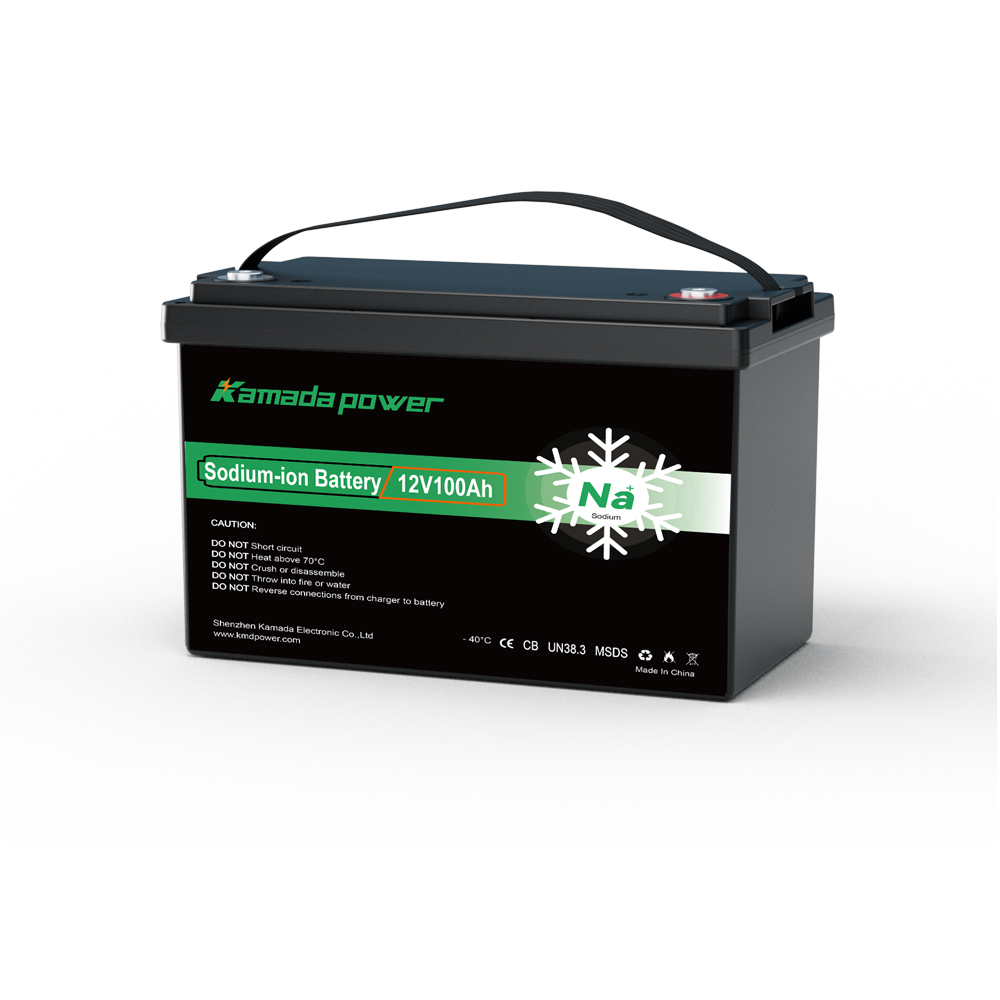
Kamada Power 12v 100Ah Baterie cu ioni de sodiu
De ce cuplul terminal este mai important decât cred mulți instalatori
În sistemele cu curent scăzut, conexiunile necorespunzătoare pot trece neobservate. În sistemele de curent continuu de mare intensitate, de obicei nu. Chiar și un terminal de baterie ușor slăbit adaugă rezistență la suprafața de contact, iar sub sarcină această rezistență suplimentară se transformă rapid în căldură.
Deoarece P = I²R, o creștere a curentului poate produce suficientă căldură pentru a deteriora conexiunea, a înmuia materialul din apropiere sau a deforma blocul terminal. Acesta este motivul pentru care bornele topite sau capsele decolorate sunt adesea puse pe seama bateriei, când problema reală este conexiunea.
Vibrațiile înrăutățesc situația, deoarece un șurub strâns marginal se poate slăbi și mai mult în timp, deschizând un spațiu care poate duce la arcuri de curent continuu, deteriorarea rapidă a metalului și risc de incendiu.
Conexiunile slăbite sau cu rezistență mare pot declanșa, de asemenea, declanșări BMS deranjante prin provocarea unei căderi bruște de tensiune în timpul pornirii invertorului, ceea ce face ca BMS să interpreteze evenimentul drept supracurent sau scurtcircuit. Acesta este motivul pentru care cuplul corect nu este un detaliu minor de instalare. Acesta face parte din fiabilitatea generală a sistemului.
Diagrama cuplului de strângere a terminalelor pentru știfturile de baterie M6, M8 și M10
Întotdeauna trebuie să verificați mai întâi fișa tehnică a producătorului bateriei. Designul filetului, materialul inserției, lungimea șurubului, hardware-ul furnizat și construcția terminalului pot varia. Tabelul de mai jos este doar o referință practică pentru multe terminale standard de baterii din cupru sau alamă. Acesta nu trebuie să prevaleze asupra manualului de instalare al producătorului bateriei.
De asemenea, nu tratați hardware-ul metric și imperial ca fiind interschimbabil. M6 este doar aproximativ apropiat de 1/4″, M8 este doar aproximativ apropiat de 5/16″, iar M10 este doar aproximativ apropiat de 3/8″. Acestea nu sunt același sistem de filetare. Amestecarea șuruburilor poate deteriora filetele, poate reduce presiunea de contact sau poate crea o conexiune care pare strânsă, dar care de fapt nu este corectă.
| Dimensiunea terminalului | Cuplu metric | Cuplu imperial | Notă privind dimensionarea cablurilor |
|---|
| M6 (aprox. 1/4″) | 4,0-5,0 Nm | 35-45 in-lbs | Dimensiunea cablului trebuie selectată în funcție de curent, lungimea cablului, căderea de tensiune, gradul de izolare și condițiile de instalare. |
| M8 (aprox. 5/16″) | 8.0-10.0 Nm | 70-90 in-lbs | Dimensiunea terminalului nu decide automat dimensiunea cablului. Dimensionați întotdeauna cablul pentru sarcina reală. |
| M10 (aprox. 3/8″) | 12,0-14,0 Nm | 105-125 in-lbs | Terminalele mai mari sunt adesea utilizate cu cabluri cu curent mai mare, dar dimensiunea finală a cablului depinde în continuare de proiectarea sistemului. |
Un aspect merită subliniat: strângerea excesivă nu este mai sigură. Mulți oameni își fac griji cu privire la terminalele slăbite și apoi pur și simplu apasă mai tare pe cheie. Acest lucru poate rupe filetele moi, poate deforma inserția sau poate rupe șurubul. Odată ce se întâmplă acest lucru, nu mai rezolvați o problemă de conectare. Înlocuiți hardware-ul și, uneori, înlocuiți întreaga baterie. O cheie dinamometrică calibrată este instrumentul potrivit în acest caz. Nu este cazul să ghiciți după pipăit.
Cum se sertizează corect capsele de cablu pentru bateriile de sodiu de 12V
Cuplul de strângere adecvat al terminalului ajută numai dacă capsa cablului în sine este bună. Dacă sertizarea este slabă, conexiunea se poate supraîncălzi chiar și atunci când cuplul șurubului este exact corect.
1. Începeți cu cablul și capsele potrivite
Utilizați un cablu de cupru de calitate, în mod ideal cupru fără oxigen. În cazul în care bateria va fi instalată într-un mediu umed, marin sau în aer liber, cablul de cupru staniu este cea mai sigură alegere, deoarece rezistă mai bine la coroziune în timp.
Asortați acel cablu cu un capăt de cupru cu pereți groși, nu cu un capăt subțire de chilipir care se deformează prea ușor. Dar nu alegeți cablul doar în funcție de dimensiunea terminalului. Dimensiunea cablului trebuie să se bazeze pe curentul continuu, curentul de supratensiune, lungimea cablului, căderea de tensiune acceptabilă, temperatura nominală de izolare și mediul de instalare.
Acesta nu este locul potrivit pentru a economisi câțiva dolari. Capsele ieftine și cablurile subdimensionate creează probleme costisitoare mai târziu.
2. Decupați izolația cu atenție
Dezizolați doar o cantitate suficientă de izolație pentru ca conductorul să ajungă la fundul țevii. Nu lăsați excesul de cupru gol expus și nu deteriorați firele conductoare în timpul dezizolării. Un conductor tăiat reduce secțiunea transversală efectivă a cablului și slăbește atât capacitatea de curent, cât și rezistența mecanică.
O bandă curată ajută cablul să se așeze complet și face ca sertizarea să fie mai consistentă.
Acesta este punctul în care multe instalații dau greș.
Un dispozitiv de sertizare de tip ciocan poate aplatiza un capăt suficient pentru a arăta acceptabil din exterior, dar aspectul nu este același lucru cu performanța. Aceste unelte lasă adesea goluri în interiorul țevii. Aceste goluri captează aer și umiditate și cresc rezistența.
Un sertizor hidraulic este de obicei un standard mult mai bun, deoarece poate aplica o compresie mai puternică și mai uniformă. Dar unealta singură nu este suficientă. Ansa, dimensiunea cablului, dimensiunea matriței, poziția de sertizare și numărul de sertizări trebuie să corespundă toate. O mașină de sertizare hidraulică cu matrița greșită poate produce în continuare o sertizare proastă.
O sertizare corectă ar trebui să creeze o îmbinare prin compresie strânsă, cu rezistență redusă, între conductor și țeavă. În termeni practici, aceasta înseamnă o rezistență mai mică, mai puțină încălzire și o mai bună durabilitate pe termen lung.
Pentru proiectele de hobby, oamenii acceptă uneori compromisuri. Pentru sistemele industriale, de telecomunicații, marine sau în afara rețelei, un proces de sertizare adecvat este cel mai bun standard.
4. Se sigilează îmbinarea cu termofrecvență căptușită cu adeziv
După ce urechea este sertizată, acoperiți țeava cu tubul termocontractabil cu pereți dubli, căptușit cu adeziv. Când este încălzit, manșonul exterior se contractă, iar adezivul sigilează tranziția dintre izolație și ureche. Acest lucru ajută la menținerea umidității în exterior, susține cablul la îmbinare și încetinește coroziunea în timp.
Este un pas simplu, dar care face cablul finit mai durabil și mai profesional.
Bateriile cu ioni de sodiu au nevoie de conexiuni de cablu diferite față de LiFePO4?
Din punct de vedere chimic, ion-sodiu și LiFePO4 sunt sisteme de baterii diferite. Din punct de vedere al cablajului, elementele de bază nu se schimbă foarte mult.
Curentul continuă să circule prin metal. Rezistența încă creează căldură. Conexiunile slăbite continuă să cedeze.
Ceea ce se poate schimba este stresul practic asupra conexiunii. Multe baterii cu ioni de sodiu de 12 V sunt selectate pentru că mențin performanțe puternice de descărcare în medii reci, unde LiFePO4 devine mai limitat. Aceasta înseamnă că interfața dintre cablu, capsă și terminal poate trebui să transporte un curent substanțial chiar și la temperaturi scăzute.
De exemplu, o baterie de sodiu de 12V 100Ah poate avea o capacitate nominală de aproximativ 100A continuu în unele modele, în timp ce versiunile cu capacitate mare pot avea o capacitate nominală mai apropiată de 150A sau 200A, în funcție de BMS, designul celulei, limitele termice și specificațiile producătorului. Odată ce funcționați la acest nivel, defectele mici de conectare nu mai sunt "mici". O sertizare mediocră sau o valoare inexactă a cuplului este mult mai probabil să apară sub formă de căldură, cădere de tensiune sau protecție BMS.
Așadar, metoda de conectare nu este fundamental diferită, dar marja pentru munca neglijentă este adesea mai mică.
Greșeli comune de instalare care încă provoacă eșecuri
Chiar și instalatorii cu experiență fac aceste greșeli, mai ales atunci când lucrează rapid.
Punerea mașinii de spălat în locul greșit
Aceasta este una dintre cele mai frecvente cauze ale terminalelor fierbinți ale bateriei.
Țeava de cupru trebuie să stea direct pe suprafața terminalului bateriei. Aceasta este regula principală. Calea de curent ar trebui să meargă de la terminal la ureche cu o rezistență cât mai mică posibil.
Ordinea obișnuită este:
Terminal baterie → cap de cupru → șaibă plată → șaibă de blocare sau șaibă divizată → șurub
Ceea ce nu ar trebui să se întâmple este să puneți o șaibă din oțel inoxidabil între borna bateriei și urechea din cupru. Dacă se întâmplă acest lucru, curentul este forțat să treacă prin șaibă în loc să circule direct de la cupru la cupru sau alamă. Oțelul inoxidabil are o rezistență mult mai mare decât cuprul, astfel încât șaiba se încălzește sub sarcină și conexiunea începe să se deterioreze.
Capsele de aluminiu pe bornele de baterie din cupru sau alamă sunt o idee proastă, în special în medii umede sau umede. Problema este coroziunea galvanică. În timp, coroziunea crește rezistența, iar o rezistență mai mare înseamnă mai multă căldură.
Pentru fiabilitate pe termen lung, păstrați materialele de contact compatibile.
Renunțarea la controalele de reapăsare
O instalație proaspătă nu rămâne întotdeauna la fel după câteva săptămâni de funcționare. Cuprul se poate relaxa ușor. Schimbările de temperatură cauzează dilatare și contracție. Echipamentele care se mișcă sau vibrează pot deplasa hardware-ul în timp.
Este o bună practică să verificați din nou cuplul terminalelor la aproximativ 30 de zile după instalare și apoi să includeți această verificare în întreținerea periodică. O verificare rapidă cu o cheie dinamometrică poate preveni o problemă de service mult mai mare mai târziu.
Depanarea terminalelor fierbinți și a declanșărilor bruște ale BMS
Dacă un terminal al bateriei sodiu-ion de 12 V se încălzește sau dacă sistemul se oprește la pornirea invertorului, a motorului, a pompei, a compresorului sau a altui echipament cu sarcină mare, nu presupuneți că celulele bateriei au cedat primele. Verificați calea de conectare.
| Simptome | Cauza probabilă | Ce trebuie să verificați |
|---|
| Terminalul devine fierbinte sub sarcină | Șurub slăbit, contact slab cu urechea, ordine greșită a șaibelor sau cablu subdimensionat | Verificați cuplul, stiva de șaibe, suprafața de contact a capului și dimensionarea cablului |
| BMS se declanșează în timpul pornirii invertorului | Scăderea tensiunii cauzată de rezistența ridicată la terminal sau în interiorul sertizării | Măsurați căderea de tensiune prin conexiune în timpul pornirii |
| Lugul pare decolorat sau întunecat | Acumularea de căldură din cauza rezistenței la contact | Inspectați calitatea crimpării, oxidarea, cuplul și zona de contact |
| Feroneria terminalului se slăbește după utilizare | Vibrații, cicluri termice sau mișcarea cablului care trage de terminal | Strângeți din nou după service-ul inițial și adăugați un dispozitiv adecvat de reducere a tensiunii cablurilor |
| Cablul se simte cald în apropierea capătului | Sertizare proastă sau cablu prea mic pentru sarcină | Tăiați înapoi și reîncălțați cu urechea, matrița și dimensiunea corectă a cablului |
| O baterie într-o bancă paralelă se declanșează mai devreme | Rezistență inegală între cablurile sau bornele bateriei | Verificați lungimea cablului, calitatea capului, cuplul de strângere și echilibrul conexiunii barelor |
| Terminalul încă se încălzește după cuplul corect | Problema poate fi în interiorul capului, cablului, stivei de șaibe sau suprafeței de potrivire | Nu continuați să strângeți; inspectați întreaga cale de curent |
Punctul important este simplu: cuplul este doar o parte a conexiunii. O conexiune bună a terminalului are nevoie de cablul potrivit, de urechea potrivită, de sertizarea potrivită, de ordinea corectă a șaibelor și de cuplul potrivit.
Concluzie
A Baterie sodiu-ion de 12V pot funcționa bine pe vreme rece, în condiții de rezervă, în RV, în marină sau în afara rețelei, dar numai dacă conexiunea este corectă. O sertizare necorespunzătoare, o ordine greșită a șaibelor sau un cuplu incorect al terminalelor pot cauza căldură și opriri.
Utilizați urechea de cupru potrivită, unealta de sertizare, metoda de etanșare și specificațiile de cuplu ale producătorului. Multe probleme de pe teren dispar astfel.
Aveți nevoie de ajutor pentru a potrivi o baterie sodiu-ion de 12V cu aplicația dumneavoastră? Contactați-ne pentru o baterie cu ioni de sodiu personalizată soluție.
ÎNTREBĂRI FRECVENTE
Ce se întâmplă dacă nu am o cheie dinamometrică? Pot să strâng borna cu mâna?
Nu este o idee bună. "Strâns manual" înseamnă lucruri diferite pentru oameni diferiți. Un instalator lasă conexiunea suficient de liberă pentru a se încălzi sub sarcină, în timp ce altul dezizolează filetele prin strângere excesivă. Pentru costul sistemului de baterii, o cheie dinamometrică de bază este o investiție mică și de obicei merită.
Pot reutiliza cablurile vechi ale bateriei plumb-acid cu o baterie cu sodiu?
Uneori, da. Dar numai dacă cablul este încă în stare bună și este dimensionat pentru curentul pe care îl va consuma noua instalație. Unele sisteme de baterii cu sodiu pot furniza un curent susținut mai mare decât sistemele mai vechi cu plumb-acid, în funcție de clasificarea lor BMS și de designul pachetului. Dacă cablul este corodat, rigid, subdimensionat sau deteriorat de căldură, înlocuiți-l.
De ce terminalul încă se încălzește deși l-am strâns corect?
În cazul în care bornele sunt strânse conform specificațiilor și conexiunea continuă să fie fierbinte, problema este adesea în interiorul capsei, mai degrabă decât la șurub. O sertizare greșită poate lăsa goluri și crea rezistență în interiorul țevii. În acest caz, cablul trebuie de obicei tăiat și sertizat din nou în mod corespunzător. De asemenea, merită să verificați din nou ordinea șaibelor, deoarece această greșeală este ușor de omis și foarte frecventă.