Slik kobler du natrium-ion-batteripakker sikkert i parallell i reservestrømskap for telekommunikasjon. Parallellkobling Natrium-ion-batteripakker kan øke reservekapasiteten i telekommunikasjonssystemet, men én svak strømvei, feil tilpasning av SOC, kommunikasjonsfeil eller utløsning av BMS kan redusere den brukbare kapasiteten eller føre til at hele kjeden slås av.
Et pålitelig batterisystem må fungere som én samordnet reservekilde, med samsvarende batteripakker, balansert kabling, riktig BMS-koordinering, likeretterinnstillinger, temperaturregulering, kommunikasjon og fjernovervåking gjennom hele syklusen – fra standby, strømbrudd, lading, utvidelse og gjenoppretting.
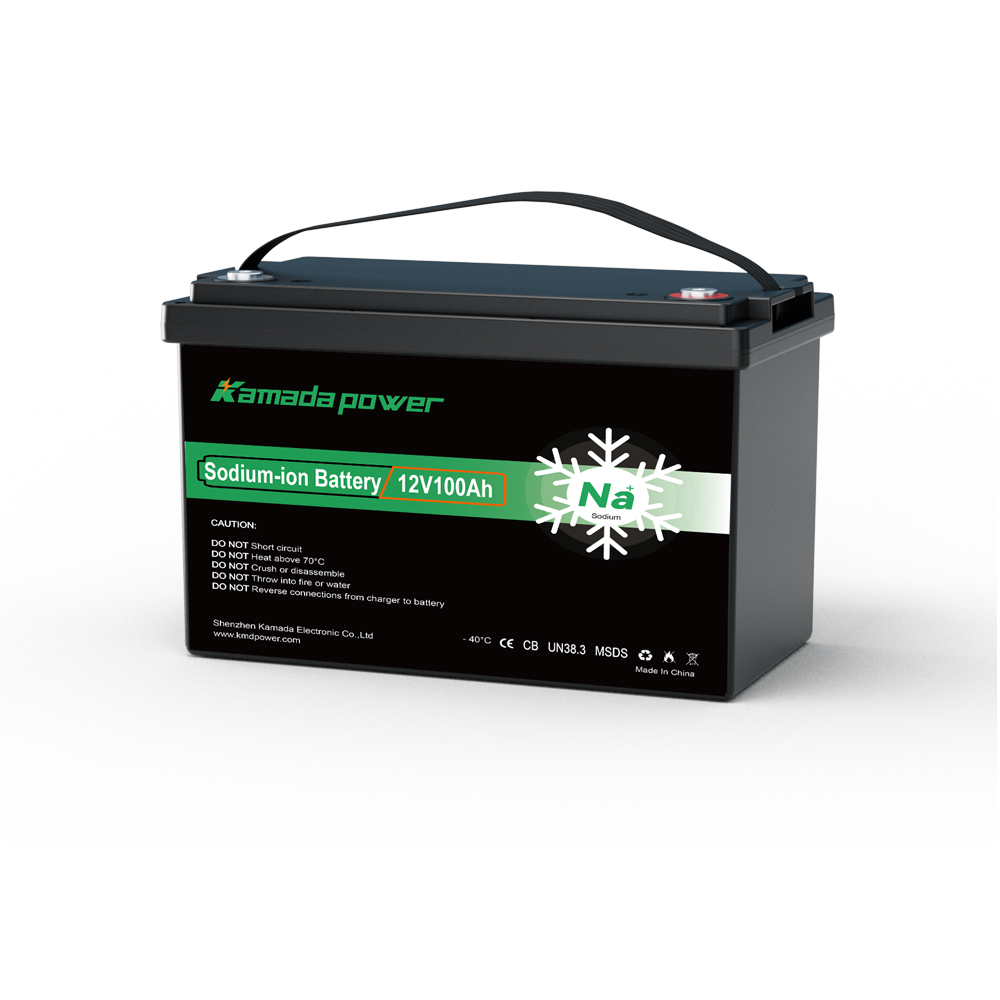
Kamada Power 12v 100Ah natriumionbatteri
Parallell kapasitet er ingen garanti for parallell pålitelighet
Å koble batteripakker parallelt øker den totale kapasiteten og strømkapasiteten i teorien. I praksis avhenger påliteligheten av om batteripakkene deler strøm, lades opp samtidig, tømmes samtidig og gjenoppretter kapasiteten samtidig.
Hvis batteripakkene er godt tilpasset hverandre og kabinettets ledningsnett er symmetrisk, kan et parallelt system fungere godt. Hvis ikke, kan én pakke bli utsatt for større belastning, utløse beskyttelsesmekanismen tidligere eller slites raskere. Ujevn strømfordeling kan oppstå ved utladning ved strømbrudd, ved opplading etter en dyp utladning eller ved drift med delvis batteripakke.
Når det gjelder telekommunikasjonsskap for natrium-ion-batterier, eliminerer ikke kjemien behovet for balansert kabling, BMS-koordinering og overvåking på skapnivå.
Strømdeling er den største risikoen
I en ideell parallellkobling bidrar hver pakke jevnt. I virkeligheten fungerer telekommunikasjonsskap sjelden slik man skulle ønske.
Små forskjeller i kabellengde, samleskinneplassering, kontaktmotstand, sikringsmotstand, tiltrekkingsmoment på polene, intern impedans, SOC, temperatur og batteripakke kan påvirke hvor mye strøm hver pakke kan føre. Forskjellen kan være liten i standby-modus, men avgjørende ved utladning ved strømbrudd eller ved lading.
Batteripakken som fører mer strøm, blir mer belastet, varmes opp mer, når sine grenser raskere og kan utløse BMS-beskyttelsen tidligere. Når den kobles fra, må de gjenværende batteripakkene føre mer strøm. Dette kan føre til en kjedereaksjon der batterikassen mister kapasitet raskere enn forventet.
Feil tilpasning av SOC kan føre til skjult utjevningsstrøm
Parallellkoblede batteripakker bør ikke kobles sammen uten videre når de har ulik ladetilstand (SOC) eller spenningsnivå.
Hvis ett batteri har høyere spenning enn et annet, kan det oppstå strømflyt mellom batteriene mens de utjevner spenningen. Denne strømmen kan av et BMS tolkes som unormal lade- eller utladningsatferd. I et telekommunikasjonsskap kan dette oppstå etter utskifting, service, utvidelse eller delvis gjenoppretting av batteripakken.
Et nytt natrium-ion-batteri og et gammelt batteri kan avvike fra hverandre når det gjelder indre motstand, brukbar kapasitet, nøyaktighet i ladestatus (SOC), fastvare eller selvutladning.
SOC-tilpasning før parallellkobling hindrer at batteribanken går i konflikt med seg selv før den forsyner telekommunikasjonsbelastningen.
BMS-feil kan spre seg gjennom hele skapet
Hvert natriumionbatteri kan ha sin egen BMS-beskyttelseslogikk for spenning, strøm, temperatur, ubalanse og kommunikasjonsstatus. Dette er nødvendig av sikkerhetshensyn, men det kan føre til at systemet oppfører seg på skapnivå.
Hvis ett BMS kobles fra under utlading, må de gjenværende batteripakkene umiddelbart ta en større del av belastningen. Hvis de nærmer seg sine grenser, kan et annet BMS utløses. Skapet kan koble ut pakke for pakke inntil reservestrømmen reduseres eller går tapt.
Den samme risikoen oppstår under lading hvis ett batteri hindrer ladingen mens de andre tar imot strøm.
En utløsning av BMS er ikke bare en feil i et batteripakke i et parallelt skap. Det er en feil i selve skapet.
Temperaturen i skapet fører til at parallelle pakker oppfører seg forskjellig
Telekommunikasjonsskap kan føre til ujevne temperaturforhold. Enheter som står i nærheten av døren, skapveggen, likeretterens varmekilde, luftstrømningsbanen eller den siden som er utsatt for sollys, kan ha forskjellige driftstemperaturer.
Temperaturforskjeller påvirker den interne motstanden, spenningsfall, ladekapasitet, aldringstakt og BMS-oppførsel. På kalde steder kan det hende at et batteri tar lengre tid å lade opp. I varme skap kan det hende at et batteri eldes raskere eller må reduseres i ytelse tidligere.
For natrium-ion-systemer kan lavt utladningspotensial ved lave temperaturer være nyttig, men lading ved lave temperaturer krever fortsatt kontroll på batteripakke-nivå. Plassering av batteripakker, luftstrøm, temperaturmåling og reduksjon av ladestrømmen er deler av den parallelle utformingen.
Kommunikasjonen avgjør om regjeringen fungerer som en enhet
Et parallelt telekommunikasjonsskap krever koordinering på skapnivå, ikke bare beskyttelse på utstyrsnivå.
Hvis hvert batteri kun rapporterer til sitt eget lokale BMS, vil anleggskontrolleren kanskje ikke få et fullstendig bilde av batteribankens tilstand. Ett batteri kan begrense utladningsstrømmen, et annet kan blokkere lading, og et tredje kan være nær lav SOC. Skapet må likevel vite hvor mye reservestrøm som er tilgjengelig.
For telekommunikasjonsskap med natrium-ion-batterier bør overvåkningen vise hvor mange batteripakker som er i drift, hvilken pakke som begrenser strømmen, hvilken pakke som er kald, hvilken pakke som har avvik i ladetilstand (SOC), og om skapet er helt eller bare delvis klart for reservestrøm.
Fjernovervåking bør ikke bare vise «batteri tilkoblet». Den bør også vise gjenværende kapasitet, batteripakkens status, alarmer og begrensende forhold.
Gjenopprettingen av likeretteren må samsvare med hele batteribanken
Etter et strømbrudd må likeretteren lade opp batteribanken og gjenopprette anleggets beredskap.
Parallellkoblede batteripakker gjør dette mer komplisert. En likeretter kan oppfatte batterikassen som én enkelt batteri, mens BMS-systemet i hver enkelt pakke registrerer sin egen cellespenning, temperatur og beskyttelsestilstand. Hvis likeretteren sender strøm uten å ta hensyn til grensene på pakkenivå, kan enkelte pakker nå spennings- eller temperaturgrensene tidligere enn andre.
Kaldlagringsanlegg medfører en ekstra begrensning. Et batteri som kan tømmes under et strømbrudd i kulde, kan likevel kreve ladeblokkering, redusert ytelse eller oppvarming før det kan lades opp igjen. Hvis bare noen av batteriene er klare for lading, må skapet gjenopprette driften på en kontrollert måte, i stedet for å behandle alle batteriene likt.
Et parallellkabinett er ikke fullt ut utformet før ladeatferden er fastlagt.
Parallelle natrium-ion-batteripakker må godkjennes på regjeringsnivå
Natrium-ion-batteripakker bør ikke betraktes som enkle parallelle Ah-blokker. Spenningsområdet for batteripakken, BMS-beskyttelseslogikken, tillatelse til lading ved lave temperaturer, kommunikasjonsatferd og gjenoppretting av beskyttelsesfunksjoner må valideres på skapnivå.
| Parallellgrense for natriumioner | Hvorfor det er viktig |
|---|
| Spenningsområde for pakken | Angir likeretterens kompatibilitet og ladegrenser |
| Parallell strømbegrensning | Hindrer at en pakke blir overbelastet etter at en annen har utløst alarmen |
| Tillatelse til lading ved lav temperatur | Påvirker gjenopplading og gjenoppretting på eksterne serversteder |
| Gjenoppretting av BMS-beskyttelse | Angir om systemet skal startes på nytt automatisk etter feil |
| Kommunikasjonsprotokoll | La begrensningene på pakkenivå nå skapkontrolleren |
| Kompatibilitet ved utskifting | Hindrer at nye og gamle flokker glir fra hverandre |
| Rapportering av utnyttbar kapasitet | Viser om sikkerhetskopieringstiden er helt eller delvis tilgjengelig |
Hvis disse grensene er uklare, kan kabinettet virke sammenhengende, men oppføre seg uforutsigbart under et strømbrudd.
Utvidelser og utskiftninger er situasjoner med høy risiko
Parallelle telekommunikasjonsskap utsettes ofte for endringer i feltet: en pakke byttes ut, kapasiteten utvides, en defekt modul isoleres, eller en stasjon oppgraderes.
Disse situasjonene er risikable fordi batteripakken ikke lenger er ensartet. Nye og gamle batteripakker kan variere når det gjelder impedans, kapasitet, fastvare, BMS-innstillinger, SOC-kalibrering, selvutladning og kommunikasjonsatferd. Å blande batteripakker uten å følge kompatibilitetsregler kan forverre strømfordelingen og SOC-avviket.
Når man installerer et nytt batteri, endres anleggets elektriske egenskaper. Anlegget bør fastsette hvilke batterimodeller som er kompatible, firmwareversjoner, aldersspenn, regler for SOC-tilpasning, trinn for igangkjøring og overvåkingskrav før et batteri installeres eller skiftes ut.
N-1-drift og reduksjon av ytelse må planlegges
Et pålitelig telekommunikasjonsskap bør fastsette hva som skal skje hvis en enhet går offline.
Kan skapet fortsatt bære belastningen selv om ett batteri er koblet fra? Bør systemet automatisk redusere ytelsen? Er alarmen en advarsel eller en kritisk hendelse? Viser fjernovervåkingen redusert reservetid? Kan likeretteren lade de gjenværende batteriene uten å overbelaste dem?
Et kabinett som mister ett batteripakke, bør ikke stille late som om full reservekapasitet fortsatt er tilgjengelig. Operatørene må kunne se den faktisk tilgjengelige kapasiteten, gjenværende driftstid, batteripakkens status og om anlegget fortsatt ligger innenfor reservemålet.
De viktigste risikoene og praktiske løsninger
| Parallell skapgrense | Risiko i felten | Praktisk løsningsvei |
|---|
| Ujevn strømfordeling | En av dem jobber hardere, faller tidligere eller eldes raskere | Bruk symmetriske samleskinner og kabelføringer; kontroller belastningen ved deling under strømbrudd |
| SOC- eller spenningsavvik | Pakker utligner gjennom ukontrollert strøm | Sjekk SOC før tilkobling; definer erstatnings- og utvidelsesregler |
| BMS-utløsningskaskade | Én enhet kobles fra og overfører belastningen til de andre | Utforming av strømmargin, N-1-drift, nedregulering og alarmlogikk |
| Termisk ubalanse | Kald- og varmepakninger oppfører seg forskjellig | Plassering av kontroller, luftstrøm, sensorer og reduksjon av ladekapasitet |
| Kommunikasjonsproblemer | Nettstedet viser en bank, men ikke begrensninger på pakkenivå | Rapporter status, grenser, alarmer og ledig kapasitet |
| Feil tilpasning av likeretter | Ladingen er ujevn, treg eller blokkert | Tilpass likeretterens spenning, strøm, oppvåkningsatferd og BMS-ladetillatelser |
| Utvidelse av tjenestetilbudet | Nye og gamle pakker deler ikke belastningen på en forutsigbar måte | Angi kompatible modeller, fastvare, aldersgruppe, SOC-tilpasning og igangkjøring |
Parallell pålitelighet avhenger av skapets utforming, ikke bare av batteripakkens kapasitet.
Før du kobler sammen batteripakker, må du kontrollere følgende
| Idriftsettingspost | Hva du bør bekrefte |
|---|
| Samme pakkemodell | Unngå avvik i spenning, strøm eller BMS-funksjon |
| Firmware og innstillinger | Sørg for at beskyttelse, kommunikasjon og grenser er konsistente |
| SOC og spenningsjustering | Reduser utjevningsstrømmen ved tilkobling |
| Symmetri i kabler og samleskinner | Forbedre strømfordelingen |
| Motstand i sikringer og kontakter | Unngå skjult ubalanse |
| Pakkenes temperaturplassering | Unngå avvik mellom kulde- og varmepakninger |
| Innstillinger for likeretter | Tilpass spenning, strøm, lading og oppvåkningsatferd |
| Adressering av kommunikasjon | Sørg for at hver pakke er synlig for skapkontrolleren |
| N-1-drift | Bekreft redusert ytelse, alarmer og reservetid etter at ett batteri er koblet fra |
| Regel for erstatning | Angi når gamle og nye pakker kan blandes |
Uten disse kontrollene kan et skap bestå installasjonstesten, men svikte ved den første alvorlige strømbruddet.
Standardpakker fungerer bare når skapets avgrensning er enkel
Et standard natriumionbatteri kan fungere godt når modellen er fast, den parallelle kapasiteten er begrenset, ledningsføringen er symmetrisk, temperaturen er regulert, likeretteren er kompatibel og overvåkingskravene er enkle.
En mer robust konstruksjon på kabinettnivå blir nødvendig når anlegget ligger avsides, i kalde eller varme omgivelser, er klar for utvidelse, er vanskelig å vedlikeholde, utsatt for lange strømbrudd eller krever nettverksovervåking på pakkenivå. Det avgjørende spørsmålet er om den validerte parallelle grensen til standardpakken oppfyller anleggets pålitelighetskrav.
Kontroller delvis svikt, ikke bare full kapasitet
Et parallelt natriumion-telekommunikasjonsskap bør ikke godkjennes bare fordi alle batteripakkene en gang har blitt utladet samtidig i et laboratorium.
Denne nyttige valideringen tar sikte på situasjoner der parallelle systemer svikter: ett batteri med annen ladetilstand (SOC), ett batteri som er kaldere enn de andre, ett batteri som kobles fra under belastning, gjenopplading via likeretter etter strømbrudd, tap av kommunikasjon fra ett modul, drift av skapet med ett batteri frakoblet, samt utvidelse med et erstatningsbatteri.
Et feilfritt resultat innebærer at systemet ikke bryter sammen selv om ett batteri oppfører seg annerledes. Det reduserer ytelsen, utløser alarm, lader opp, rapporterer om gjenværende kapasitet og gjenoppretter driften på en måte som teleoperatøren kan forstå på avstand.
Det er det som gjør skapet klart for bruk i felten.
Konklusjon
Parallell natrium-ion-batteri Batteripakker kan forbedre reservekapasiteten i telekommunikasjonssystemer, men de medfører også risikoer knyttet til strømfordeling, SOC-avvik, BMS-kaskadeeffekt, termisk balanse, gjenoppretting av likeretteren, overvåking, redusert ytelse og utvidelse av tjenester.
Et pålitelig skap bør behandle alle batteripakker som ett samordnet reservesystem, med balanserte strømveier, tilpasning av batteripakker, overvåking på batterinivå, validering av delvise feil og definert N-1-drift.
Hvis du skal utforme et reserveskap for telekommunikasjon med parallelle natrium-ion-batteripakker, kontakt oss med opplysningene om nøkkelsystemet ditt. Vi kan hjelpe deg med å finne den riktige batterikonfigurasjonen.