Fordeler og ulemper med solbatterier for Energilagring i hjemmet. Jeg har lagt merke til noe morsomt i det øyeblikket du nevner en hjemmebatteri: folk slutter å snakke om elektrisitet og begynne å snakke om følelser-Trygghet, kontroll, "å ikke være prisgitt nettet." Ja, det. Det der. Og ærlig talt? Jeg skjønner det. Et solbatteri er ikke bare en boks på veggen, det er et løfte du prøver å kjøpe, og det virkelige spørsmålet er om det løftet dukker opp når du trenger det ... og om du kan leve med prislappen.
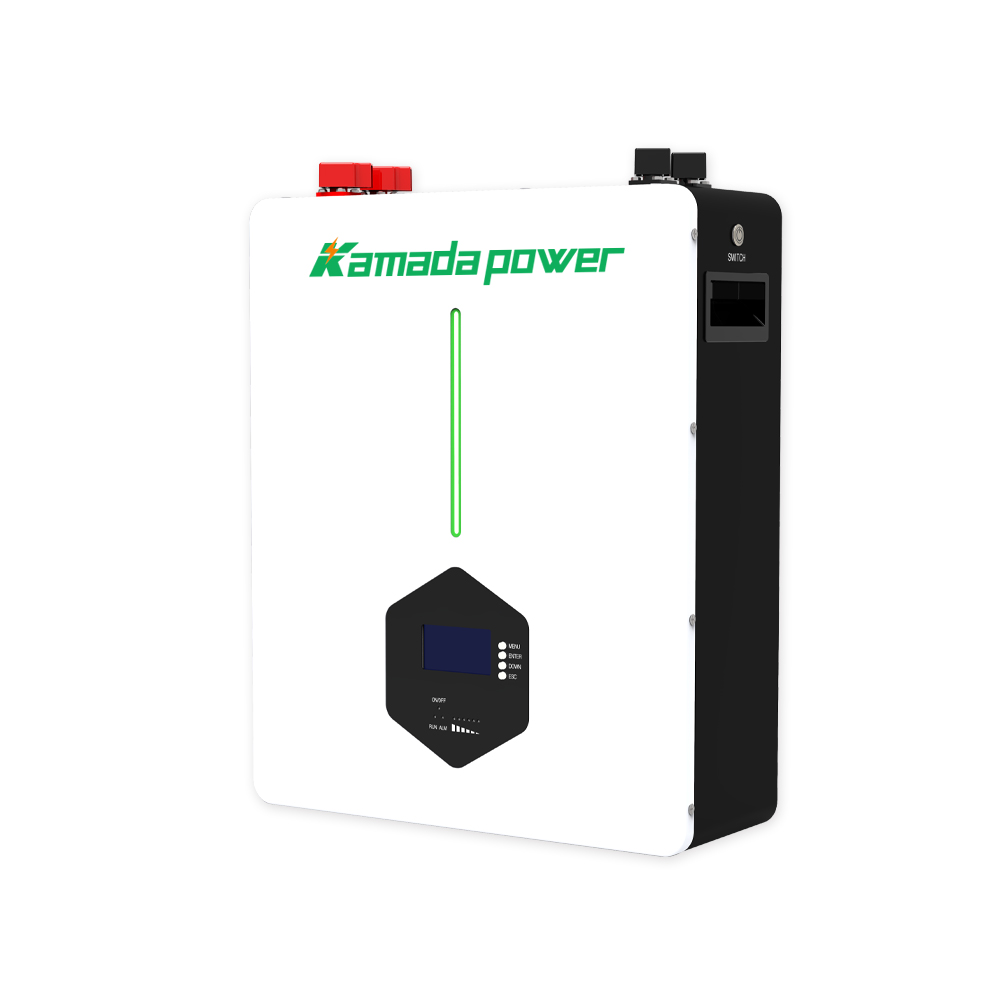
Kamada Power 10 kWh Powerwall-batteri for hjemmebruk
Hva kjøper du egentlig?
De fleste tror de kjøper "reservestrøm". Noen ganger gjør de det.
Noen ganger kjøper de regningsbesparelser. Noen ganger kjøper de trygghet.
Dette er tre forskjellige mål. Blander du dem sammen, får du det klassiske resultatet: et dyrt system som på en måte hjelper.
Så før vi begynner å snakke om spesifikasjoner, bør du spørre deg selv om én ting:
Hva nekter du å leve uten når strømmen går?
Kjøleskap? Wi-Fi? Medisinsk utstyr? Sumppumpe? Varme? Vær ærlig. Ikke heroisk.
Fordi batteriet du trenger kan se mye mindre (og billigere) ut enn den du har dagdrømt om.
Rask virkelighetssjekk
Her er serviettversjonen jeg bruker med venner:
- De fleste hjemmebatterier lander rundt ~10-15 kWh per enhet. Det tallet forteller deg hvor lenge.
- Effekten (kW) forteller deg hva du kan starte og kjøre. Store belastninger krever muskler: sentral AC, ovner, brønnpumper, lading av elbiler.
- Ett batteri kan føles fantastisk for kritiske belastninger hvis du er realistisk.
- Backup av hele hjemmet krever vanligvis flere batterier + lastkontrollfordi du jager både energi og kraft.
For å si det på en annen måte:
kWh svarer på "Hvor lenge?" kW svarer "Hva kan jeg kjøre?"
Hvis en selger blander sammen disse to, ville jeg beholdt lommeboken i lommen.
Fordeler med solbatterier
1) Strømbrudd føles ikke lenger som en krise
Jeg har opplevd nok strømbrudd til å kjenne igjen stemningen: stearinlys, kald mat, angst for telefonbatterier og den ene naboen med et strømaggregat som høres ut som en motorsykkelgjeng.
Et batteri endrer stemningen.
Lysene står på. Kjøleskapet brummer. Ruteren fortsetter å fungere. Du "overlever" ikke strømbruddet. Du bare... lever.
Det er det som er den virkelige verdien. Ikke wattene. Roen.
2) Du får mer kontroll over solenergien din
Uten batteri fungerer solenergi slik: Du produserer strøm når solen skinner, du bruker det du kan, og resten går ut på nettet.
Høres bra ut. Helt til du innser at du ofte trenger strøm etter Solen tikker ut.
Med et batteri kan du lagre solenergien og bruke den senere. Middagstid. TV om kvelden. Når "alle er hjemme".
Hvis strømleverandøren din betaler småpenger for eksportert solenergi, kan det føles mye mer tilfredsstillende å lagre din egen energi enn å gi den bort.
3) Time-of-use-priser slutter å mobbe deg
Noen abonnementer øker prisene i rushtiden. Og rushtiden er vanligvis sammenfallende med... livet.
Lage middag. Vasker klær. Barna gjør lekser. Oppvarming eller kjøling gjør sin greie. Perfekt timing, ikke sant?
Et batteri kan dekke en del av topplastvinduet, slik at du kjøper mindre kostbar strøm. Det er ikke magi. Det er timing.
Og timing lønner seg.
4) Du får stille backup (ingen røyk, ingen dramatikk)
Generatorer fungerer. De stinker også. Bokstavelig talt.
Et batteri sitter der stille. Ingen gasskjøring. Ingen rykking i en ledning mens du mumler ting du ikke kan si foran barn.
Hvis du setter pris på lite drama, vinner batteriene.
5) Det føles godt. Følelsesmessig godt
La oss bare si det som det er: Noen liker tanken på å være mer uavhengige.
De liker å produsere sin egen kraft. De liker å vite at stormen ikke eier dem.
Du kan kalle det stahet. Jeg kaller det forståelig.
Ulemper med solbatterier
1) Prisen kan slå deg i ansiktet
Her er den delen som ingen vil innrømme høyt ved middagsbordet.
Batterier koster ekte penger. Ikke "jeg dropper latten"-penger. Mer som "dette kunne ha vært en kjøkkenoppussing"-penger.
Og tilbakebetalingen? Det kommer an på. Veldig mye.
Hvis strømprisene ikke svinger mye, eller eksportkredittene dine holder seg på et anstendig nivå, kan besparelsene føles underveldende. Du vil fortsatt elske reservestrømmen. Det er bare ikke sikkert du liker regnestykket.
2) Du kan ikke ta sikkerhetskopi av alt (med mindre du satser stort)
Denne er den som skaper mest skuffelse.
Folk ser for seg backup for hele huset: AC-anlegget går, stekeovnen går, elbilen lades, boblebadet bobler ... mens strømnettet ligger med ansiktet ned.
Det er mulig. Det koster også penger og krever gjennomtenkt design.
De fleste oppsett sikkerhetskopierer kritiske belastningerIkke hele festen. Kjøleskap, lys, stikkontakter, internett, kanskje litt mer. Det er den vanlige planen.
Hvis du vil ha backup for hele huset, må du planlegge for flere batterier, smarte lastkontroller og være villig til å si nei til noen få apparater under et strømbrudd.
3) Batteriet eldes
Batterier eldes. Det gjør de bare. Over tid inneholder de mindre energi enn de gjorde den første dagen. Kjemi, syklusvaner, temperatur og bruksmønster former kurven.
Hvis du bruker batteriet hardt hver dag for å spare penger på strømregningen, må du regne med at det eldes raskere enn hvis du hovedsakelig bruker det ved strømbrudd. Det er ikke "dårlig". Det er fysikk.
4) Installasjonskvalitet er viktigere enn merkevarehype
Folk er besatt av merkenavn som om de kjøper joggesko.
Jeg bryr meg mer om installatøren og designet.
Dårlig kabling. Dårlig luftstrøm. Merkelige innstillinger. Feil valg av lastpanel. Disse tingene skaper hodepine lenge etter at begeistringen for "kul teknologi" har lagt seg.
Et godt batteri med en slurvete installasjon blir til et problem. Et anstendig batteri med en ren installasjon kan gå stille i årevis.
5) Reglene for forsyningsselskaper kan ødelegge planen din
Denne delen føles kjedelig helt til den treffer lommeboken.
Energiverkene endrer eksportkreditter. De justerer prisplaner. De håndhever regler for samtrafikk. Noen ganger begrenser de hvordan et system kan drives.
Batteriet ditt kan ikke overliste dårlig politikk. Det kan bare reagere på den.
Så hvis du kjøper et batteri hovedsakelig for å spare penger, bør du først sette deg inn i prisplanen og de lokale samtrafikkreglene. Ellers gambler du med en veldig dyr pokerbrikke.
6) "Lite vedlikehold" betyr ikke "ingen oppmerksomhet"
De fleste moderne litiumbatterier til hjemmebruk trenger ikke månedlig vedlikehold.
Men du vil fortsatt ha overvåking. Oppdatering av fastvare. En innstillingssjekk etter enhver bruksendring. Og når noe gir feil, vil du ha et selskap som svarer på telefonen.
For ingenting føles dummere enn å eie et "energiuavhengig" system som du ikke kan få service på.
Hvordan dimensjonere et solcellebatteri for backup i hjemmet
La oss gjøre et raskt, ærlig scenario. Ingen regneark. Ikke noe ego.
La oss si at "må-kjøres"-listen din ser slik ut under et strømbrudd:
- Kjøleskap (gjennomsnitt ut): 150 W
- Wi-Fi-ruter + modem: 15 W
- Noen få LED-lys: 60 W
- Lading av telefon/laptop: 25 W
Det er 250 W totalt, eller 0,25 kW.
La oss si at du kjøper et batteri som sier 10 kWh på etiketten.
Det virkelige livet stjeler noe av det. Du mister energi til inverterkonvertering, du har en reserve, og du vil se standby-forbruk. Så la oss late som om du kan bruke 8 kWh komfortabelt.
Nå serviettenes regnestykke:
8 kWh ÷ 0,25 kW = ~32 timer
Det er ikke et løfte. Det er en grunnlinje.
Kjøleskapet ditt trekker ikke 150 W hvert sekund. Det går i sykluser. Sumppumpen kan gi systemet et kraftig strømstøt når den starter. Varmeapparatet spiser batteriet som godteri (og det raskt).
Men dette er poenget: Ett batteri kan dekke en fornuftig "hold livet normalt"-liste lenger enn folk forventer ... så lenge du ikke prøver å forsyne hele nabolaget med strøm.
Batterikjemi: LFP vs NMC
La oss holde det enkelt.
LFP vinner ofte på trygghet. Folk liker sikkerhetsprofilen, og den håndterer vanligvis varme og lang levetid godt. NMC dukker ofte opp når energitetthet er viktig. Du kan pakke mer energi på mindre plass.
Begge kjemikaliene kan fungere godt med god pakkedesign, solide kontroller og en forskriftsmessig installasjon. Men hvis garasjen din er varm om sommeren eller du planlegger å sykle hardt for å spare penger, er ikke kjemi bare en bagatell. Det blir ditt langsiktige humør.
AC-koblede vs. DC-koblede batterier
Dette høres nerdete ut, men det endrer reelle beslutninger.
DC-koblet oppsett passer ofte godt til nye solcelleinstallasjoner. Du kan bygge ett koordinert system fra dag én. AC-koblet oppsett er ofte bedre når du legger til lagring i et eksisterende solsystem. Ettermontering kan føles renere.
Ingen av dem vinner automatisk.
Ditt nåværende inverteroppsett er viktig. Dine backup-mål er viktige. Hjemmets store belastninger har betydning. Og installatørens designferdigheter er viktigere enn begge deler.
Sikkerhet og regelverk
Hvis du vil ha ekte sikkerhet, må du ikke stole på vibrasjoner.
Spør installatøren din rett ut:
- "Hvilke elektriske forskrifter følger dere for mitt område?"
- "Hvilke utstyrssertifiseringer har disse komponentene?"
- "Hvordan håndterer dere ventilasjon, klareringer og avstengninger?"
- "Hvordan endrer samtrafikkreglene hva dette systemet kan gjøre?"
En forsiktig installatør vil svare på disse spørsmålene som om det var tirsdag. En usikker installatør vil unnvike dem som en dårlig date.
Er solbatterier verdt det?
Hvis du vil ha et raskt svar, kan du prøve dette:
- Hyppige strømbrudd? Et batteri kan gjøre livet roligere.
- TOU-priser + svake eksportkreditter? Et batteri kan hjelpe på regnestykket, noen ganger mye.
- Sjeldne strømbrudd + faste priser? Du kan hoppe over det inntil videre og bruke pengene på noe annet.
- Drømmer du om backup for hele hjemmet? Budsjetter for flere batterier og lastkontroll, ellers vil drømmen slå tilbake.
Hvem bør seriøst vurdere et solbatteri?
La meg beskrive noen scenarier fra virkeligheten.
Du bor der strømbrudd skjer. Ikke strømbrudd "kanskje en gang i tiåret". Jeg mener regelmessige stormer, brannstanser, ustabil infrastruktur.
Du har time-of-use-priser som svir. Høy prising gjør vondt. Eksportkreditter føles gjerrige. Et batteri kan hjelpe.
Du jobber hjemmefra og kan ikke miste strømmen. Møter. Tidsfrister. Et batteri kan koste mindre enn tapt arbeid og stress.
Du kjører kritisk utstyr. Medisinsk utstyr, pumper, nedkjøling av medisiner. Ingen debatt her.
Du vil bare ha ro i sjelen. Denne teller. Ikke la noen skamme deg for det.
Hvem bør sannsynligvis vente?
Jeg sier det forsiktig: Ikke alle trenger en akkurat nå.
Du mister sjelden strøm, og prisene dine er flate. Et batteri kan føles som å kjøpe en paraply i en ørken.
Du vet ikke hva målet ditt er ennå. Hvis du ikke kan liste opp lastene du må kjøre, er du ikke klar til å kjøpe. Du er klar til å bla gjennom.
Du hater kompleksitet. Batterier legger til enda et lag i hjemmets elektriske system. Velg med omhu. Ansett enda mer nøye.
Spørsmålet jeg stiller venner før de kjøper
Hvis strømmen går kl. 20.00 i kveld...
Hva vil du at skal være i gang kl. 08.00 i morgen?
Ikke alt. Bare det som gjør livet ditt normalt.
Skriv ned listen. Deretter kan du vurdere systemet som en voksen, i stedet for å kjøpe den største skinnende boksen fordi selgeren hadde gode vibber.
Konklusjon
Et solcellebatteri kan føles som frihet, men det kan også føles som anger hvis du kjøper det av feil grunn - så velg målet først: backup-komfort, regningskontroll eller begge deler, og tilpass deretter systemet til livet ditt, ikke et fantasiscenario om "hele huset for alltid"; hvis du forteller meg hvilke laster du må ha og hvilken prisplan du har, skal jeg hjelpe deg med å sjekke oppsettet før du bruker en cent.Kontakt oss til tilpasse hjemmebatteriet løsning for deg.