Forestill deg at en vinterstorm slår ut strømnettet. Nabolaget ditt blir mørklagt, men lysene forblir på, kjøleskapet brummer og Wi-Fi-nettverket går aldri ned. Det er den praktiske fordelen med en solcellebatteri til hjemmet: Robusthet og verdi. I tillegg til backup kan batterier senke regningene i henhold til TOU-planer (Time-of-Use), muliggjøre lading av elbiler med billig solstrøm og delta i nettprogrammer.
Denne veiledningen inneholder autoritative referanser, tydeligere kW-veiledning, garantifeller og en kort sjekkliste for kjøpere som kan skrives ut - slik at huseieren eller installatøren kan foreta et trygt og teknisk korrekt kjøp.
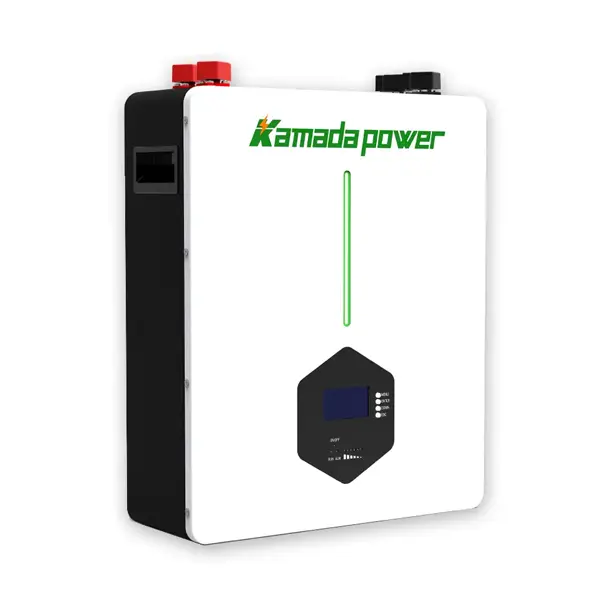
Kamada Power 10 kWh Powerwall-batteri for hjemmebruk
1. Hvilken størrelse solbatteri trenger jeg? (kapasitet + effekt)
Kort svar: ikke bare velg kWh - kombiner alltid kapasitet (kWh) med minimum/kontinuerlig effekt (kW) og forventet toppeffekt (kW). Kapasiteten forteller deg hvor lenge batteriet kan levere energi; strøm forteller deg hvor mange eller hvilke enheter den kan kjøre samtidig.
Størrelsestabell (praktisk):
| Husholdning | Typisk daglig bruk | Anbefalt kapasitet (kWh) | Minimum kontinuerlig effekt (kW) | Typisk omfang av backup |
|---|
| 1-2 personer | 10-15 kWh | 5-10 kWh | 3 kW | Lys, Wi-Fi, kjøleskap |
| 3-4 personer | 20-30 kWh | 10-15 kWh | 5 kW | Kjøleskap, TV, liten ovn, mikrobølgeovn |
| 5-6 personer | 30-40 kWh | 15-20 kWh | 8-10 kW | Hele hjemmet (unntatt tung HVAC) |
| Høy etterspørsel | 40+ kWh | 20-30 kWh+ | 10 kW+ | Elbillading + HVAC + hele huset |
Hvorfor kW er viktig: Et batteri med en kapasitet på 15 kWh, men bare 3 kW kontinuerlig effekt, vil ikke kunne starte et sentralt klimaanlegg på 5 kW eller drive flere tunge laster samtidig. Eksempel: Tesla Powerwall 3 er ~13,5 kWh og ~11,5 kW kontinuerlig per enhet (skalerbar); produsenter publiserer ofte begge tallene - sjekk alltid begge.
Profftips: Hvis du planlegger å legge til en elbil eller kjøre HVAC under strømbrudd, må du dimensjonere for topp strømhendelser (overspenningsstart) og kontinuerlig belastning - ikke kapasitet alene.
2. Batterikjemi - LFP (LiFePO₄) vs NMC: hva bør du kjøpe?
Bunnlinjen: For stasjonær energilagring i hjemmet er LFP (LiFePO₄) den vanligste beste praksisen i 2025 på grunn av sikkerhet og livssyklusøkonomi.
Viktig sammenligningstabell
| Metrisk | LFP (LiFePO₄) | NMC |
|---|
| Typisk sykluslevetid | ~3 000-6 000+ sykluser | ~800-1 500 (noen kilder viser 1 500-3 000, avhengig av formulering) |
| Sikkerhet (termisk stabilitet) | Høy - mer termisk stabil | Lavere - høyere risiko for termisk løpskhet |
| Energitetthet | Lavere (større pakke for samme kWh) | Høyere (lettere, mindre) |
| Kostnad per kWh over levetiden | Ofte lavere på grunn av lang levetid (LCOS-fordel) | Høyere LCOS ved daglig sykling |
| Typisk bruksområde | Stasjonær lagring, lang levetid | Elbiler og vektsensitive bruksområder |
Kilder og bransjeoversikter bekrefter LFP 3k-6k sykluser og overlegen termisk stabilitet for stasjonær bruk. Bruk sykluslevetiden og LCOS-tallene når du sammenligner garanti og kostnad per kWh i løpet av den forventede levetiden.
3. AC-koblet vs. DC-koblet - velg basert på ny vs. ettermontering og effektivitet
Tommelfingerregler
- Ny solcelle + batteri: Foretrekker DC-koblet (hybrid vekselretter) for høyere effektivitet og bedre gjenoppretting ved klipping.
- Eksisterende solcelleanlegg (ettermontering): AC-koblet er vanligvis enklere - den fungerer med mange vekselrettere (Enphase, SolarEdge), men har flere konverteringer.
Sammenligning av effektivitet (praktiske tall): DC-koblede systemer kan ofte nå ~95-98% tur-retur-effektivitet, mens vekselstrømskoblede systemer typisk varierer ~90-95% avhengig av maskinvare og konverteringstrinn. Forskjellen på 3-7% øker med årene og reduserer antall kWh som kan utnyttes fra den samme lagrede energien.
Merknad om kompatibilitet: Kontroller at batteriets BMS og vekselretteren kommuniserer (CAN/RS-485, Modbus eller leverandør-API), spesielt hvis du blander ulike merker eller bruker tredjeparts energistyring.
4. Sikkerhetsstandarder - hvilke sertifiseringer som skal kreves
Sertifiseringer som må sjekkes:
- UL 9540A (brann-/testmetodikk for energilagring - sjekk enhets-/testrapporter og om produsentens enhet har bestått relevante nivåer). UL publiserte oppdaterte retningslinjer og testavklaringer i 2024-2025; dette påvirker innendørs tillatelser.
- UL 9540 / NFPA 855 - system- og installasjonskoder for ESS.
- IEC 62619 - sikkerhetstester av celler/pakninger (internasjonal).
- UN38.3 - transportsikkerhet for litiumceller.
Praktisk: spør leverandørene om UL-9540A-testrapporten eller en samsvarserklæring, og om produktet er tillatt for innendørsinstallasjoner i din jurisdiksjon. Noen AHJs (Authorities Having Jurisdiction) krever UL 9540/9540A-dokumentasjon før de tillater innendørs installasjoner.
5. Levetid, garanti og det som står med liten skrift
Hva du bør kreve i en garanti
- År + måling av kapasitetsopprettholdelse: f.eks, 10 år og ≥70% SOH er en vanlig referansepremie.
- Sykkelgaranti: eksplisitte sykluser ved spesifisert DoD (f.eks. 6 000 sykluser ved 80% DoD).
- Unntak fra garantien: ekstreme temperaturer, feil installasjon, ikke-godkjente ladeprofiler, vanninntrengning eller uautoriserte reparasjoner.
Se opp for disse fellene
- Garantier oppheves av installasjonsmiljø (f.eks. "Garasjeinstallasjon over 100°F ikke tillatt").
- Dekningen er begrenset til den opprinnelige eieren (overdragelser kan være begrenset).
- Ytelsen måles som "tilgjengelig energi" i stedet for cellekapasitet - les den faktiske beregningen som brukes.
Spør leverandøren: "Vis meg den kumulative gjennomstrømningen og SOH-garantien, og garantispråket om temperatur- og installasjonsforhold."
6. Kostnadsfordeling og ROI - inkluder skattefradragsvirkeligheten
Føderal kreditt (USA): Den Kreditt for ren energi i boliger (boligversjonen av ITC) gir 30% for kvalifisert ren energieiendom til boligformål som tas i bruk i løpet av den aktuelle perioden - dette inkluderer frittstående batterilagring som oppfyller reglene; sjekk gjeldende programdatoer og krav til produkt-ID med skattemyndighetene. Kredittreglene og utløpsvinduet har blitt aktivt diskutert; handle med nøyaktig timing.
Hvordan evaluere ROI
- Bruk nivellerte lagringskostnader (LCOS): total installert kostnad / total forventet levetid kWh levert (ta hensyn til sykluslevetid og rundreiseeffektivitet). LFPs lengre levetid reduserer vanligvis LCOS i forhold til billigere kjemikalier.
- Modeller TOU-besparelser, backupverdi (ikke kvantifisert, men reell) og mulige VPP-betalinger eller insentiver fra strømleverandøren.
7. Pålitelighet: celler (klasse A) og BMS-design er viktig
Spør etter:
- Cellekilde og kvalitet (Tier-1-leverandører kontra generiske). Celler i bilklassen betyr strengere spesifikasjoner, bedre matching og lengre levetid.
- Aktiv vs. passiv balansering: aktiv balansering + temperaturstyring forlenger pakkens levetid.
- BMS-funksjoner: overvåking på cellenivå, varmestyring, beskyttelse mot overstrøm/ kortslutning, kommunikasjonslogger og policy for oppdatering av fastvare.
Røde flagg: Hjem Batteriprodusenter som nekter å oppgi cellemodell/produsent eller ikke kan oppgi grunnleggende celletestdata.
8. Installasjon og vedlikehold - sparer arbeidskraft og reduserer risiko
Praktiske valg som sparer penger og hodebry
- Plug-and-play / forhåndskoblede terminaler redusere elektrikernes arbeidstid.
- Gulvstående modulenheter installeres ofte raskere enn tunge veggfester (mindre strukturell forsterkning).
- Bekreft elektrikerens og installatørens legitimasjon; feilaktig installasjon kan ugyldiggjøre sikkerhetssertifiseringer og garantier.
Sjekkliste for installatører: temperatur på stedet, ventilasjon, klaring, seismisk montering (hvis nødvendig), rørføringer, kompatibilitetstester for vekselrettere, kommunikasjonstest mellom BMS og vekselretter og fastvareoppdateringer.
Slik leser du et spesifikasjonsark
- Kapasitet: 13,5 kWh (brukbar) → hvor lenge = kapasitet / gjennomsnittlig belastning.
- Kontinuerlig strøm: 5 kW → kan kjøre flere laster samtidig på opptil 5 kW.
- Toppeffekt: 7,5 kW (10 sek.) → håndterer motorstart og kompressorer.
- Effektivitet tur-retur: 90-97% → høyere er bedre (DC-kobling ofte høyere).
Sammenligning av kompakt LFP og NMC
- Sykluslevetid (typisk): LFP: ~3 000-6 000+ sykluser; NMC: ~800-1,500 (varierer etter formulering og utslippsdyp).
- Effektivitet tur-retur: begge kjemikaliene er like når de kobles sammen med lignende vekselrettere - systemarkitekturen (AC/DC-kobling) dominerer.
- Brukssak: LFP → stasjonær sykling hjemme/lang daglig sykling; NMC → vektsensitive applikasjoner (EVs).
Hurtigsjekkliste for kjøpere
- kWh valgt kapasitet og kontinuerlig og topp kW bekreftet.
- Kjemi: LFP anbefalt for stasjonær; leverandørens cellekilde er verifisert.
- UL 9540A / UL 9540 / NFPA 855 bevis på fil.
- Garanti: år + SOH % (+ unntak) dokumentert.
- Bekreftelse av kommunikasjonsprotokoll for omformer/BMS (CAN / RS-485 / Modbus).
- Kontroll av installatørens legitimasjon, tillatelsesprosess og lokale AHJ-krav.
- Bekreft kvalifisering for Kreditt for ren energi i boliger (30%) og dokumentasjon for å kreve.
Konklusjon
Valg av riktig hjemmebatteri handler ikke bare om kapasitet - det handler også om LFP-sikkerhet, nøyaktig kWh/kW-matching og verifiserte sertifiseringer. For distributører og merkevarer som er på utkikk etter tilpassede løsninger for energilagring i hjemmet, kontakt oss, vår kamada power batteri fabrikkteamet gir teknisk støtte for å verifisere systemdesignet og sikre pålitelig ytelse før produksjon.