Una storia comune tra i 4×4 australiani: un cliente monta un Batteria al litio slimline da 12 V 200 Ah e un Inverter 2000W a frequenza sinusoidale pura dietro il sedile posteriore o in un baldacchino, confidando che possa far funzionare la macchina del caffè. Poi arriva la mattina, il ciclo di riscaldamento si avvia, l'inverter emette un segnale di bassa tensione o la batteria si spegne, e improvvisamente la batteria viene accusata come se avesse mentito sull'etichetta.
La realtà è schietta: di solito si hanno abbastanza energia (Wh). Si inciampa su ampere, perdite dell'inverter, e caduta di tensione. Le installazioni Slimline peggiorano questi problemi perché spesso le tratte dei cavi sono più lunghe e lo spazio è ridotto per i cavi pesanti, le terminazioni solide e i dispositivi di protezione ordinati.
Se si installano, si integrano o si rivendono questi sistemi, il dimensionamento corretto fin dal primo giorno è l'elemento che evita i richiami.
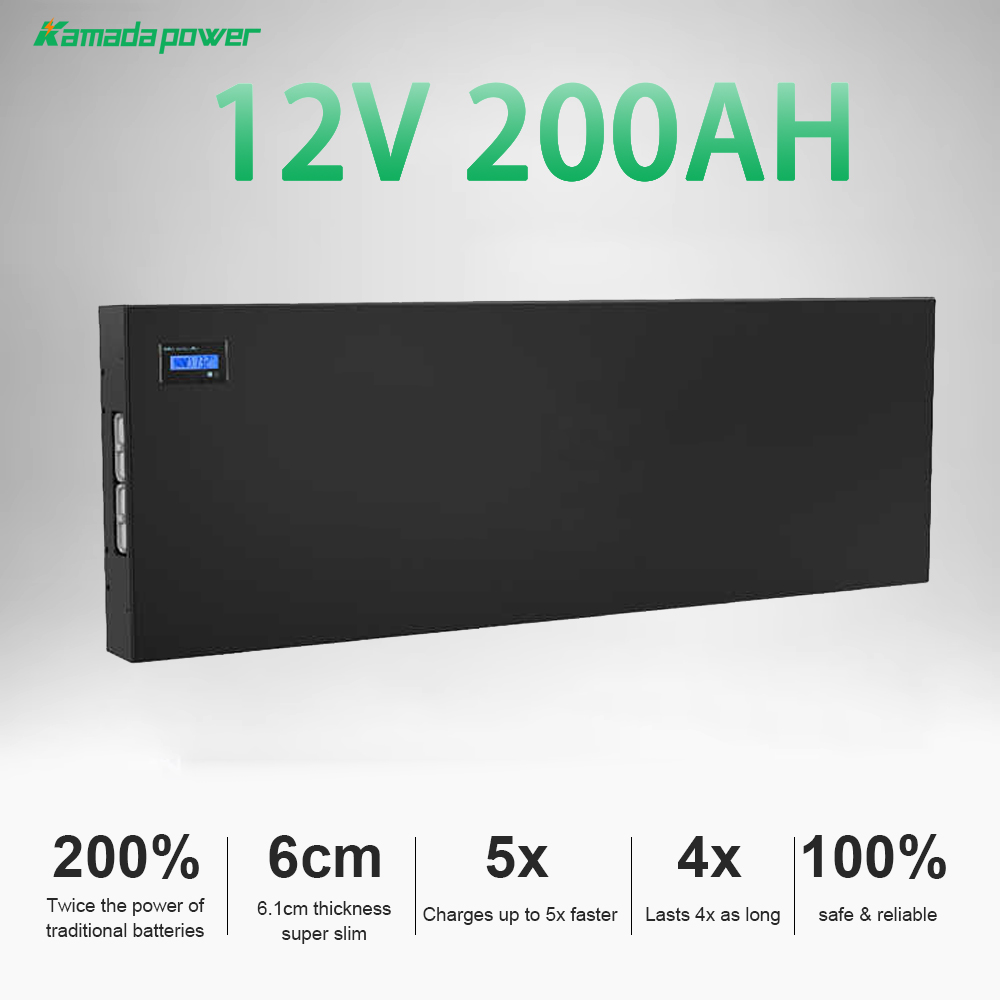
Batteria al litio Slimline 12v 200Ah di Kamada Power
Perché le batterie al litio slimline non funzionano con gli apparecchi ad alta potenza
Il limite di corrente del BMS è il vero limite massimo
Una batteria al litio non è una semplice "cella in una scatola". Sono celle più a BMS (Sistema di gestione delle batterie) che decide la quantità di corrente che si può tirare.
Molti pacchetti slimline sono progettati per carichi turistici (frigoriferi, luci, comunicazioni). A seconda del prodotto, il BMS può essere 100A, 150A o 200A continui. E questa è la parte che sfugge alla gente:
A 200Ah l'etichetta fa non significa automaticamente "mostro ad alta corrente".
Il picco o la continuità sono importanti. Una specifica che dice "200A di picco" potrebbe essere disponibile solo per pochi secondi. Gli apparecchi di riscaldamento (macchine per il caffè, piani di cottura a induzione, bollitori) sono non Carichi di 3 secondi: sono in grado di mantenere un elevato assorbimento di corrente abbastanza a lungo da attivare la protezione dalla corrente o dalla temperatura se si vive al limite.
Quindi, sì, si può avere una grande capacità... e comunque intervenire nel momento in cui si richiede una grande potenza.
Perdite dell'inverter + comportamento degli apparecchi nel mondo reale
Gli inverter non sono efficienti al 100%. Nel mondo reale, di solito si vede qualcosa come Efficienza 85-95%, e cambia con il carico-Spesso il migliore a metà carico, peggiore con un carico molto leggero e talvolta in calo quando si spinge a fondo.
Inoltre, le macchine da caffè e i piani di cottura a induzione non sono "carichi costanti ed educati".
- Una macchina da caffè è fondamentalmente una riscaldatore-spesso un'attività abbastanza estrazione continua durante il riscaldamento.
- Molti piani di cottura a induzione modulare potenza. Alcuni lo fanno pulsante (cicli di accensione e spegnimento), soprattutto alle impostazioni più basse. Questi impulsi possono causare un calo momentaneo che fa scattare allarmi di bassa tensione o spinge un sistema borderline oltre il limite. (Non tutti i modelli si comportano allo stesso modo, ma l'effetto è abbastanza comune da poterlo prevedere).
Lunghe tratte di cavo = cadute di tensione = interventi fastidiosi
Le collocazioni sottili (dietro i sedili, pannelli laterali del tettuccio, sistemi a cassetto) spesso significano che l'inverter non è posizionato proprio accanto alla batteria. Questa distanza in più è più importante di quanto la maggior parte delle persone si aspettino su 12V.
Anche se la batteria è in grado di fornire la corrente, l'inverter potrebbe comunque urlare se vede un calo di tensione ai suoi terminali. Oppure il BMS potrebbe interrompere prima la corrente perché "vede" una bassa tensione sotto carico.
Ecco perché due impianti con la "stessa batteria e lo stesso inverter" possono comportarsi in modo totalmente diverso: uno ha connessioni strette, corte e a bassa resistenza; l'altro ha un percorso più lungo, terminazioni marginali o cavi sottodimensionati.
Il metodo dei 60 secondi: Convertire i watt in ampere della batteria
Ecco la semplice matematica che mette fine rapidamente alle discussioni:
Corrente della batteria (A) ≈ Potenza di carico (W) ÷ (Tensione della batteria sotto carico (V) × Efficienza dell'inverter (η))
Per un dimensionamento rapido, va benissimo ipotizzare:
- η = 0.9 (inverter decente, carico medio-alto)
- V = 12V per il calcolo corrente (perché in condizioni di carico elevato, i sistemi di "classe 12V" spesso si abbassano a ~12V all'inverter, se si includono le perdite dei cavi e delle connessioni).
Una sfumatura importante: La batteria potrebbe essere un pacco LiFePO₄ da "12,8 V nominali", ma La caduta di tensione sotto carico è reale. Se la tensione sull'inverter si abbassa sotto 12V, la corrente va su Inoltre, 12V è un'ipotesi prudente, adatta all'installatore.
Esempio 1: macchina da caffè da 1500W
A ≈ 1500 ÷ (12 × 0,9) A ≈ 1500 ÷ 10,8 A ≈ 139A
Esempio 2: piano di cottura a induzione da 1800 W
A ≈ 1800 ÷ 10.8 ≈ 167A
Ora confrontate questo numero con quello della vostra batteria Valutazione continua del BMS (non solo "picco").
Una regola pratica per non richiamarmi
Puntate a far funzionare carichi continui di alta potenza a ≤ 80% di corrente continua BMS.
Corrente continua BMS richiesta ≈ Corrente di carico ÷ 0,8
- Macchina da caffè da 1500W: 139A ÷ 0.8 ≈ 174A continuo
- 1800W induzione: 167A ÷ 0.8 ≈ 209A continuo
Quindi, se la batteria slimline ha una corrente continua di 150A, potrebbe a volte una macchina per il caffè... ma si tratta di una situazione al limite se si considerano la caduta di tensione e la temperatura.
Quanto può funzionare realisticamente una batteria al litio slimline da 12V 200Ah
Presupposti: 12V ai terminali dell'inverter sotto carico, efficienza dell'inverter 90%. (Se la tensione scende sotto i 12 V, la corrente reale aumenta).
| Elettrodomestici | Carico tipico (W) | Corrente approssimativa della batteria (A) | Cosa significa in una struttura snella |
|---|
| Macchina da caffè | 1500W | ~139A | BMS DA 150A: borderline; BMS DA 200A: molto più affidabile |
| Piano cottura a induzione | 1800W | ~167A | Preferisce fortemente BMS DA 200A+ oltre a un cablaggio molto buono |
| Bollitore | 1800-2200W | ~167-204A | Qui è dove 12V diventa brutalmente onesto-Spesso meglio come 24Vo evitare i carichi del bollitore |
| Microonde | 1000-1500W | ~93-139A | Spesso va bene con 150A+ BMS se il cablaggio è stretto; osservare le sovratensioni |
| Friggitrice ad aria | 1400-1800W | ~130-167A | Lavori se BMS + percorso del cavo di supporto (molti guasti sono dovuti a cadute di tensione) |
Se ricordate solo una cosa: a 12 V, grandi watt equivalgono a grandi ampere. Ecco perché un apparecchio dall'aspetto "piccolo" può richiedere una corrente di dimensioni pari a quella di un camion.
Perché i 12V non perdonano (e perché le costruzioni a 24V si comportano meglio)
Stessa potenza, maggiore tensione = minore corrente.
- A 12V1800W è all'incirca 150-170A sul lato della batteria.
- A 24V, è all'incirca 75-85A.
Ed ecco il punto cruciale: il riscaldamento e la caduta di tensione sono fortemente proporzionali alla corrente. Le perdite nei cavi e nelle connessioni sono approssimativamente proporzionali a I²R. Raddoppiando la corrente, le perdite possono aumentare di ~4×.
Ecco perché i sistemi slimline a 12 V possono andare benissimo per i carichi da turismo... e poi diventare nervosi nel momento in cui si cerca di far funzionare gli elettrodomestici per il riscaldamento.
Matematica in fase di esecuzione
Una volta gestiti i limiti di corrente e la caduta di tensione, allora la matematica dell'energia è importante.
Un tipico pacco LiFePO₄ di "classe 12V" è 12,8 V nominali (4 celle in serie), quindi una stima energetica più standard del settore è:
12,8V × 200Ah = 2560Wh
Ma normalmente non si utilizzano 100% di questo valore e l'inverter ha delle perdite. Un numero di pianificazione realistico potrebbe essere:
- 80% profondità utile (varia a seconda del progetto e della politica di garanzia)
- Efficienza dell'inverter 90%
Energia CA utilizzabile ≈ 2560Wh × 0,8 × 0,9 ≈ 1843Wh
Quindi, se si fa funzionare ininterrottamente una macchina da caffè da 1500 W (cosa rara nella vita reale): 1843Wh ÷ 1500W ≈ 1,23 ore
In pratica, le macchine da caffè e i piani cottura non funzionano a pieno ritmo per tutto il tempo, ma il punto chiave rimane: Il tempo di funzionamento di solito non è il primo guasto. Lo sono invece l'intervento della corrente e l'abbassamento della tensione.
La lista di controllo per l'installazione B2B
Se si sta specificando o fornendo un oggetto Batteria al litio slim da 12 V 200 Ah in una costruzione da turismo ad alta potenza, ecco cosa conta.
1) Elementi della scheda tecnica che decidono effettivamente il successo
- Corrente continua BMS (ignorare il marketing; controllare la valutazione reale)
- Corrente di picco + durata (quanti secondi, a quale temperatura?)
- Comportamento di spegnimento a bassa tensione (Taglio duro? Ripristino automatico? Ripristino manuale?)
- Uscita continua e di picco dell'inverter (i watt del titolo non sono tutto)
- Derating termicoCosa succede quando l'inverter è caldo in uno scomparto stretto del baldacchino?
- Design dei terminali e qualità dei collegamenti (150A+ trasformano i giunti scadenti in riscaldatori)
Un rapido promemoria per la sanità mentale: Se l'inverter indica "2000W", assicurarsi di avere di fronte a sé uscita continua alla temperatura di esercizio, non solo un titolo di marketing.
2) Principi di cablaggio e protezione (senza pretendere che questo sostituisca un installatore qualificato)
I sistemi a corrente continua ad alta intensità possono innescare incendi, se eseguiti in modo errato. Ma questi principi sono universali:
- Tenere l'inverter vicino alla batteria quando possibile. Corrente continua più corta = minore caduta di tensione.
- Dimensionare il cavo, i capicorda e i dispositivi di protezione in base alla corrente effettiva, non il "carico turistico medio".
- Trattare le terminazioni come un componente. Crimpature scadenti e capicorda marginali creano resistenza, calore e cedimenti.
- Pianificare la ventilazione e la gestione del calore. Scarico elevato + perdite dell'inverter = calore in spazi ristretti.
3) Le bandiere rosse si possono diagnosticare in pochi minuti
- Allarme di bassa tensione dell'inverter sotto carico, mentre a riposo la batteria "sembra piena".
- Interruzione della batteria durante i cicli di riscaldamento (macchina del caffè, piano cottura, friggitrice ad aria)
- Cavi, capicorda o terminali caldi/caldi
- Ripetuti reclami "a volte funziona" (classica caduta di corrente + tensione al limite)
Abbinamenti consigliati per una batteria al litio slimline da 12 V 200 Ah
Secchio A: classe 1500W (macchine da caffè, microonde)
- Di solito è abbinato a un Inverter 2000W a frequenza sinusoidale pura (la qualità conta)
- Preferite una batteria sottile con 150A continui minimo BMS; 200A se volete che sia senza sforzo
- Funziona meglio con cablaggio DC corto e a bassa resistenza e terminazioni corrette
Secchio B: classe 1800-2200W (induzione, bollitore, grandi carichi di friggitrice ad aria)
- Meglio progettato con più spazio per la testa (spesso inverter più grandi + batteria progettata per scariche ad alta corrente)
- Preferisce fortemente BMS continuo 200A+e il cablaggio diventa l'intero gioco
- Se un cliente insiste su carichi a livello di bollitore, vale la pena di discutere Architetture a 24 V o apparecchi alternativi, perché la corrente a 12 V diventa estremamente rapida.
Conclusione
A Batteria al litio slim da 12 V 200 Ah è perfetto per le installazioni strette - sedili a filo, tettoie, sistemi a cassetti - ma non rende magicamente facili i grandi elettrodomestici: per le macchine da caffè e i piani di cottura a induzione, tutto dipende da Corrente continua BMS, efficienza/portata dell'inverter, e mantenere sotto controllo la caduta di tensione (lunghezza del cavo, qualità del cavo, terminazioni e layout di protezione). Contattateci per batteria al litio slimline personalizzata soluzioni.
FAQ
Un litio slimline da 12V 200Ah può far funzionare una macchina da caffè da 1500W?
Spesso sì.se la batteria ha BMS continuo 150A+ (200A è più sicuro), l'inverter è in grado di mantenere la sua potenza nominale in modo continuo e il cablaggio/terminali tengono sotto controllo la caduta di tensione.
Perché l'inverter emette un segnale acustico di bassa tensione quando la batteria indica 80%?
Perché la tensione sotto carico può diminuire. La tensione a riposo e la tensione sotto carico non sono la stessa cosa, soprattutto in caso di lunghe tratte di cavo e corrente elevata.
Ho bisogno di un inverter da 2000W o 3000W per un piano di cottura a induzione a 12V?
Un inverter da 2000W può andare bene per alcuni piani di cottura, ma l'autonomia è utile. Il limite maggiore è spesso corrente della batteria + cablaggionon la potenza di targa dell'inverter.
Quale BMS dovrei cercare in una batteria slimline da 12 V se voglio dei "veri apparecchi"?
Per i carichi di classe 1500W, si pensi 150A minimo, Preferibilmente 200A. Per i carichi da 1800-2200W, siete saldamente in 200A+ La progettazione del territorio e del cablaggio diventa fondamentale.
Sedile posteriore o tettuccio: qual è il più affidabile?
Entrambi possono funzionare. L'affidabilità dipende più che altro da lunghezza dei cavi, terminazioni, layout di protezione e ventilazione che la posizione fisica in sé, anche se di solito i cavi CC dell'inverter sono più corti.