Se avete mai provato a dimensionare un Batteria da 12 V per apparecchiature solari, camper, nautiche, off-grid o industriali, probabilmente vi siete trovati di fronte alla stessa domanda: "Guida al calcolo degli ampere della batteria a 12 V (Ah)".
Gli ampere/ora (Ah) determinano la durata di funzionamento della batteria per i dispositivi. Ma calcolarli non è sempre semplice. I profili di carico, l'efficienza dell'inverter, la legge di Peukert, la chimica della batteria, la temperatura, l'abbassamento della tensione: tutti questi fattori possono modificare drasticamente la capacità reale.
In qualità di ingegnere specializzato in batterie che lavora ogni giorno con proprietari di case, camper/barche e integratori di sistemi industriali, vi illustrerò questo aspetto in modo semplice, pratico e basato sull'esperienza.
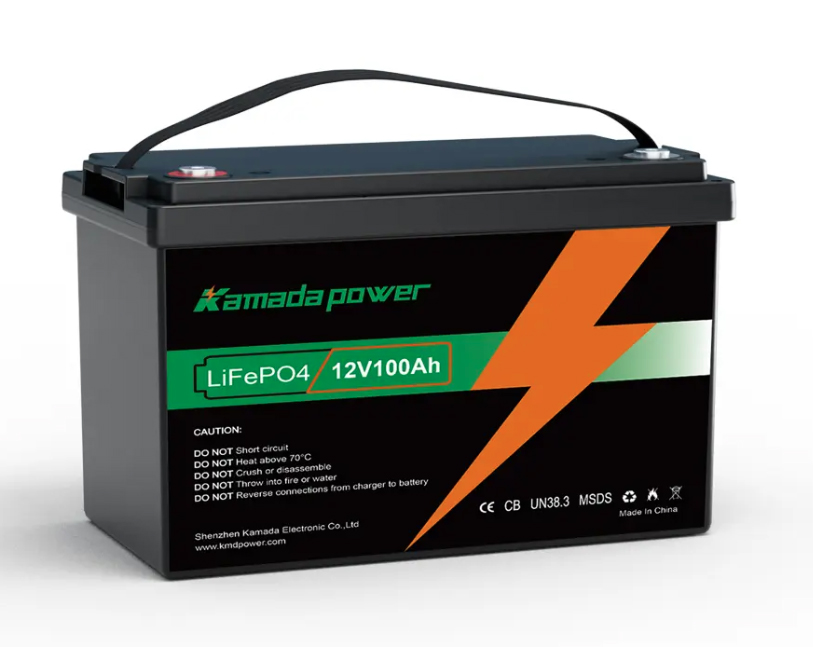
Batteria Kamada Power 12V 100Ah Lifepo4
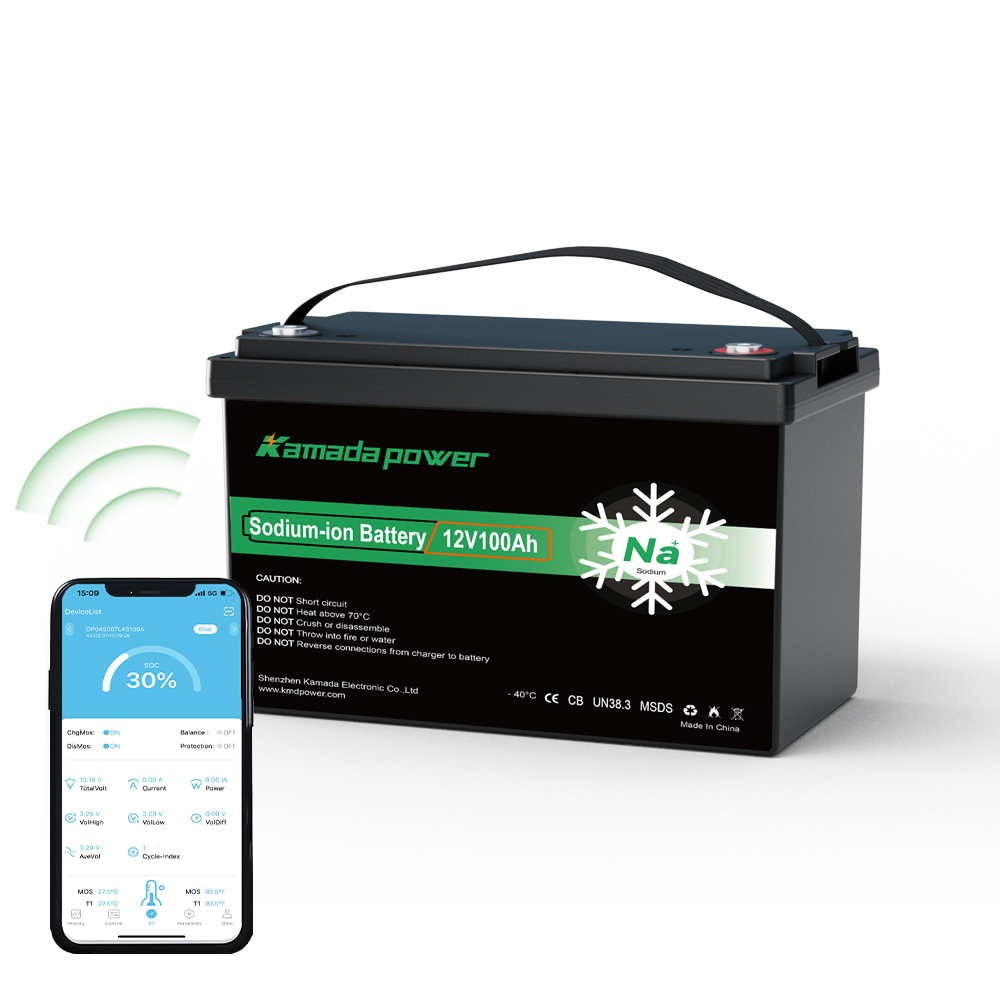
Kamada Power 12V 100AH Batteria agli ioni di sodio
Che cosa significa effettivamente Ampora (Ah) per una batteria a 12 V?
Amp ore (Ah) misurare la potenza di una batteria energia immagazzinata - la quantità di corrente che una batteria può erogare in un determinato periodo di tempo.
Definizione di base
1 Ah = 1 ampere erogato per 1 ora
Esempio: A Batteria da 12V 100Ah può teoricamente fornire:
- 100 ampere per 1 ora
- 20 ampere per 5 ore
- 5 ampere per 20 ore
Nota: Questo è il teoria ideale. La capacità nel mondo reale è influenzata da diversi fattori.
Fattori che influenzano la capacità nel mondo reale
- Chimica della batteria - LiFePO4 vs. acido al piombo vs. AGM
- Temperatura - le condizioni di freddo o caldo riducono la capacità
- Tasso di scarico - la corrente elevata si scarica più rapidamente
- Età - Le batterie più vecchie mantengono una carica inferiore
- Resistenza interna - influisce sulla tensione sotto carico
- Perdite dell'inverter - I carichi in CA assorbono più Ah dei carichi in CC
- Profondità di scarico (DoD) - scariche più profonde riducono gli Ah utilizzabili
Un calcolo corretto che tenga conto di questi fattori vi assicura non sottovalutare la dimensione della batteria effettivamente necessaria.
Ci sono tre diversi formule a seconda dei dati disponibili.
Questo è il metodo più accurato.
Ah = Wh ÷ Tensione
Esempio: Batteria = 1.280Wh Tensione = 12,8 V (LiFePO4)
Ah = 1280 ÷ 12,8 = 100Ah
Utilizzato per dimensionare una batteria per gli apparecchi. Ah richiesti = (Watt × Ore) ÷ Tensione della batteria
Esempio: Un frigorifero da 60 W in funzione per 10 ore:
60W × 10h = 600Wh 600Wh ÷ 12V = 50Ah necessari
Gli inverter non sono 100% efficienti.
Ah = (Watt × Ore) ÷ (12V × Efficienza dell'inverter) Efficienza tipica dell'inverter = 85-92%.
Esempio: Carico di 500W per 2 ore Efficienza: 90%
Ah = (500 × 2) ÷ (12 × 0,9) ≈ 92,5Ah
Capire come il carico elettrico cambia i requisiti Ah
Carichi diversi scaricano le batterie in modo diverso. Ecco cosa non capisce la maggior parte dei principianti:
1. I carichi ad alta corrente riducono gli Ah utilizzabili
L'acido di piombo è particolarmente colpito a causa di Legge di Peukert. Una batteria al piombo da 100Ah può fornire soltanto 55-70Ah sotto un carico pesante.
Le LiFePO4 sono molto più stabili: la capacità rimane vicina a quella nominale anche in presenza di correnti elevate.
2. Gli inverter moltiplicano il carico
500W AC ≠ 500W DC È necessario dividere per il rendimento dell'inverter.
3. I motori e i compressori hanno una corrente di picco
Esempi:
- Compressori d'aria (6× surge)
- Frigoriferi (2-3×)
- Pompe di sentina (2-4×)
- Utensili elettrici (2-3×)
Una batteria deve gestire Ampere di picco, non solo gli amplificatori di corrente.
Come stimare il tempo di funzionamento di una batteria da 12 V (metodo accurato)
Utilizzare questa formula: Tempo di funzionamento (ore) = Wh della batteria ÷ Watt di carico
Esempio: 12V 100Ah LiFePO4 = 1.280Wh Carico utilizzabile = 100W
Tempo di esecuzione = 1280 ÷ 100 = 12,8 ore Facile, ma sono necessari aggiustamenti nel mondo reale.
Fattori del mondo reale che riducono le ore di amplificazione utilizzabile
1. Profondità di scarico (DoD)
Le diverse chimiche consentono percentuali di utilizzo diverse:
| Chimica | Utilizzabile DoD | Note |
|---|
| Piombo-acido | 50% | Se si scarica spesso l'80% → la batteria si esaurisce presto |
| AGM | 60% | Migliore, ma ancora limitato |
| Gel | 60-70% | Sensibile alla temperatura |
| LiFePO4 | 90-100% | Il DoD più stabile |
Una batteria da 12V 100Ah può avere solo:
- 50Ah utilizzabili (piombo-acido)
- 95Ah utilizzabili (LiFePO4)
2. Perdite di temperatura
Le condizioni di freddo o di caldo influiscono sulla capacità della batteria. Vedere di seguito le variazioni tipiche:
| Chimica della batteria | 0°C | 25°C | 40°C | Note |
|---|
| Piombo-acido | 50% | 100% | 90% | Il freddo riduce drasticamente la capacità; il caldo accelera l'invecchiamento |
| AGM | 55% | 100% | 92% | Migliori rispetto a quelle al piombo allagate, ma ancora sensibili al freddo |
| Gel | 60% | 100% | 95% | Stabile a temperature moderate, degradazione più lenta |
| LiFePO4 | 80% | 100% | 98% | Impatto minimo della temperatura, chimica più stabile |
| NMC/NCA | 70% | 100% | 90% | Sensibile agli estremi, l'alta densità energetica può peggiorare l'effetto del calore |
3. Legge di Peukert (solo piombo-acido)
Maggiore scarica = minore capacità effettiva. Una batteria al piombo da 100 Ah con una scarica di 1 C può erogare solo 55-65Ah. LiFePO4 fa non soffrono di questo problema.
4. Sbalzo di tensione sotto carico
Un sacco di cose come:
- Motori da traino
- Pompe
- Argani
- Inverter
possono abbassare la tensione, facendo apparire una batteria "scarica" prima del tempo. Le LiFePO4 hanno un calo molto minore grazie alla bassa resistenza interna.
Carichi ad alta corrente e mondo reale Ah
| Tipo di batteria | Voto Ah | Corrente di carico | Efficace Ah | Note |
|---|
| Piombo-acido | 100Ah | 10A | 92Ah | Carico leggero, effetto Peukert minore |
| Piombo-acido | 100Ah | 20A | 75Ah | Carico moderato, calo significativo |
| Piombo-acido | 100Ah | 50A | 55Ah | Carico pesante, effetto Peukert pronunciato |
| LiFePO4 | 100Ah | 10A | 98-100Ah | Minima perdita di capacità sotto carico |
| LiFePO4 | 100Ah | 50A | 95-100Ah | Stabile anche a correnti elevate |
Come calcolare gli Ah realmente necessari
Si tratta di esempi reali che i vostri clienti cercano realmente, ottimi per la SEO e per l'acquisizione di Featured Snippet.
Sistema di alimentazione per camper
Apparecchi al giorno:
- Frigorifero a 12 V: 45W × 10h = 450Wh
- Luci a LED: 20W × 4h = 80Wh
- Pompa dell'acqua: 60W × 0,5h = 30Wh
- Computer portatile: 60W × 3h = 180Wh
Consumo totale giornaliero = 740Wh
Batteria richiesta (LiFePO4): 740Wh ÷ 12,8V = 58Ah Aggiungere il margine di sicurezza 30%: 58Ah × 1,3 ≈ 75Ah
Consigliato: Batteria LiFePO4 da 12V 100Ah
Sistema solare off-grid
Carico giornaliero = 1500Wh Raccolta solare = 1000Wh (nuvoloso) La batteria deve coprire il deficit: (1500 - 1000) = 500Wh Ah richiesti: 500Wh ÷ 12,8V = 39Ah Aggiungere 2 giorni di autonomia → 78Ah utilizzabili LiFePO4 DoD 95% → 82Ah nominali Batteria consigliata: 12V 100Ah o 12V 150Ah a seconda del tempo.
Applicazioni marine/barche
- Pompa di sentina intermittente: 5A × 2h = 10Ah
- Plotter cartografico: 3A × 5h = 15Ah
- Luci: 2A × 6h = 12Ah
- Cercatore di pesci: 1A × 8h = 8Ah
Totale = 45Ah per viaggio Aggiungere il margine di sicurezza 50% → 67Ah
Raccomandazione: Batteria LiFePO4 da 12V 100Ah (migliore per le imbarcazioni per la sicurezza e l'assenza di fumi)
Analizzatore di batterie / Tester di capacità
Scarica e misura completamente gli Ah reali.
Shunt intelligente (Victron, Renogy, ecc.)
Monitoraggio: SOC, Ampere, Tensione, Ah consumati
BMS (solo LiFePO4)
Mostra i dati interni a livello di cella.
Multimetro + carico
Metodo di base per il test del piombo-acido. Per i sistemi al litio, uno shunt intelligente è il più preciso.
Come la chimica della batteria influisce sul calcolo degli Ah
Piombo-acido
- Solo capacità utilizzabile 50%
- Forte effetto Peukert
- La tensione cala rapidamente
- Sensibile alla temperatura
LiFePO4
- Utilizzabile 95-100%
- Curva di tensione piatta
- Sbalzo di tensione minimo
- Stabile sotto carico elevato
- Lunga durata del ciclo
- Migliori prestazioni a freddo
- Densità energetica inferiore
- Buon profilo di sicurezza
- Ottimo per l'immagazzinamento fisso
NMC/NCA Litio
- Maggiore densità energetica
- Meno stabile del LiFePO4
- Più sensibile alla temperatura
Per quasi tutte le applicazioni a 12 V di oggi, Il LiFePO4 è la scelta migliore.
Idee sbagliate comuni sulla batteria da 12 V Ah
Una batteria da 100Ah fornisce sempre 100Ah.
No, a meno che non si tratti di LiFePO4 a scarica moderata.
Un inverter più grande non influisce sugli Ah.
Assolutamente sì: maggiore sovratensione + maggiore inefficienza.
La tensione non ha importanza.
Tensione più bassa = ampere più elevati = scaricamento più rapido della batteria.
Tutte le batterie da 12 V sono da 12,0 V.
La tensione varia:
- Piombo-acido: 10,5-12,7 V
- LiFePO4: 10,0-14,6V
- Tensione effettiva per LiFePO4 ≈ 12,8V
Come scegliere la giusta batteria da 12 V Ah (Quadro esperto)
Fase 1: calcolare i wattora totali giornalieri.
Aggiungere tutti i dispositivi.
Fase 2: Conversione in Ah.
Wh ÷ tensione di sistema.
Fase 3: Aggiungere il margine di sicurezza
- RV/marino → +30%
- Solare off-grid → +50%
- Industriale → +70-100%
Fase 4: Scegliere la chimica
LiFePO4 è consigliato per:
- RV
- Marina
- Solare
- Off-grid
- Backup industriale
Fase 5: Selezionare il formato della batteria
Scegliere il più vicino più grande Un'opzione.
Conclusione
Il calcolo corretto degli ampere-ora è semplice una volta che si è tracciato il carico effettivo, gli obiettivi di autonomia, la profondità di scarica utilizzabile e le perdite specifiche della chimica: il risultato è un sistema di batterie che funziona più a lungo, dura di più e costa meno nel corso della sua vita rispetto a un sistema costruito su ipotesi.
Se state specificando le batterie per camper, imbarcazioni marine, cabine off-grid o backup industriali e desiderate una raccomandazione di capacità personalizzata o un design del pacco che tenga conto delle correnti di picco, della temperatura e delle perdite dell'inverter, Contattare kamada power. Personalizzeremo un soluzione di batteria personalizzata a 12 V specificamente per voi.
Domande frequenti
1. Quanti Ah ha una tipica batteria da 12 V?
Variazione da Da 20Ah a 300Ah. Dimensioni comuni: 50Ah, 100Ah, 200Ah.
2. Per quanto tempo una batteria da 12V 100Ah può far funzionare un frigorifero?
Frigorifero tipico a 12 V: 40-60W → Circa 12-20 ore.
3. 100Ah sono sufficienti per il camper?
Per un uso leggero, sì. Per un utilizzo off-grid a tempo pieno, 200-300Ah è meglio.
4. Una batteria da 12 V con un numero di Ah superiore dura di più?
Sì. Più Ah = più energia immagazzinata.
5. Il LiFePO4 è migliore dell'AGM per gli Ah?
Sì - LiFePO4 fornisce quasi il doppio degli Ah utilizzabili rispetto all'AGM.