Je 48V golfový vozík rychlejší než 36V? Všichni jsme to zažili: vyjeli jste na stoupání, ale místo ostré reakce váš vozík sténá, zatímco novější modely kloužou kolem - což je pro každého správce vozového parku nepříjemné snížení produktivity. Pokud se ptáte, zda vás váš 36V systém brzdí, krátká odpověď zní ano; zatímco 36V vozíky se plazí rychlostí 12-14 km/h, 48V systém snadno dosáhne rychlosti 20 km/h s vynikajícím točivým momentem a účinností potřebnou pro profesionální provoz. Ze své dlouholeté praxe v bateriových zákopech vám mohu říci, že skutečná návratnost investice spočívá v tomto "využitelném výkonu", takže pojďme odlepit plasty a podívat se na fyzikální a výkonnostní údaje, abychom zjistili, zda je pro vás upgrade na 48V vhodný.
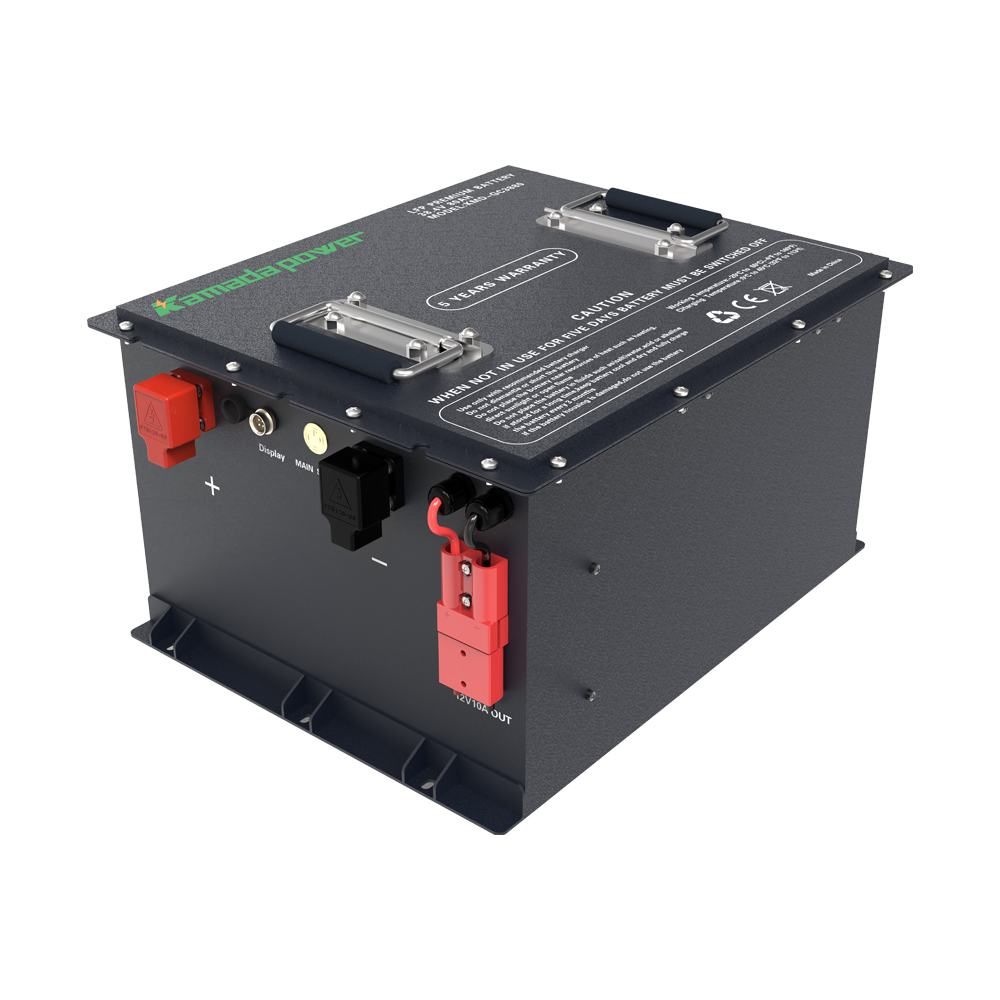
Kamada Power 48V 100Ah lithiová baterie pro golfové vozíky
Fyzika rychlosti golfového vozíku: Jak vyšší napětí zvyšuje rychlost v kilometrech za hodinu
Abychom pochopili, proč 48 V překonává 36 V, musíme se podívat na základní vztah mezi elektřinou a mechanickou prací. Většina lidí si myslí, že baterie jsou jen "palivové nádrže", ale v elektromobilu je baterie srdcem hnacího ústrojí.
Jak napětí ovlivňuje otáčky golfového vozíku (maximální rychlost)
Ve světě stejnosměrných motorů, Napětí je přímo úměrné otáčkám.
Napětí si představte jako "tlak" v zahradní hadici. Pokud máte hadici s napětím 36 V, voda z ní vytéká s určitou silou. Pokud přejdete na 48voltovou hadici, tlak se výrazně zvýší. Ve vašem golfovém vozíku tento dodatečný "tlak" nutí motor točit se rychleji.
Z našich zkušeností s průmyslovými zákazníky vyplývá, že přechod z 36V na 48V nepřináší jen pár kilometrů za hodinu navíc, ale zásadně mění "strop" výkonu vozidla. Protože motor dostává větší elektrický tlak, dosahuje vyšších otáček za minutu (RPM), než narazí na své fyzické limity.
Jak proud ovlivňuje točivý moment a výkon při stoupání do kopce
Zde to začíná být zajímavé pro úředníky a inženýry, kteří si tento článek přečtou. Zatímco Napětí se rovná rychlosti, Ampér se rovná točivému momentu (tažné síle).
Běžná mylná představa je, že k dosažení vyššího výkonu stačí více "šťávy" (ampérů). Fyzika nám však říká, že .
Pokud chcete dosáhnout výkonu 3 000 wattů:
- A 36V systém musí vytáhnout 83 ampérů.
- A 48V systém stačí pouze vytáhnout 62 ampérů.
48V systém při vyšším napětí produkuje stejný (nebo vyšší) výkon při odběru energie. méně aktuální. Proč je to důležité? Teplo. Vysoký proud vytváří teplo a teplo je nepřítelem pro každou elektrickou součástku ve vašem vozíku. 48V systém pracuje chladněji, což znamená, že požadavek nebude zatěžovat řídicí jednotku motoru a cívku pokaždé, když vyjedete na kopec.
Čísla na tabuli jsou jedna věc, ale jak se promítnou na chodník (nebo na trávu)? Podívejme se na rozdělení.
Graf rychlosti, točivého momentu a účinnosti 36V vs 48V golfového vozíku
| Funkce | 36V golfový vozík | 48V golfový vozík |
|---|
| Maximální rychlost (stav vozu) | 12 - 14 mph | 18 - 20+ mph |
| Lezení do kopce | Problémy; výrazný pokles rychlosti | Udržuje hybnost; vysoký točivý moment |
| Zrychlení | Mírné / "měkké" | Rychlý / "Snappy" |
| Efektivita | Nižší (vyšší odběr proudu = více tepla) | Vyšší (nižší odběr proudu = delší životnost) |
| Typické nastavení baterie | 6 x 6V baterie | 6 x 8V nebo 4 x 12V baterie |
Poznámka: Tyto údaje předpokládají standardní motory a pneumatiky. Modernizace řídicí jednotky motoru může 48V systémy posunout ještě výše.
"Hill Test" v reálném světě
Nedávno jsme poskytovali konzultace pro luxusní letovisko v kopcovitém terénu na severozápadě Pacifiku. Jejich vozový park používal starší sadu 36V vozíků. Ve špičce tyto vozíky skutečně vytvářely na cestách "dopravní zácpy", protože při plném zatížení vozu hosty a zavazadly ve stoupání zpomalovaly až do plazení (asi 4-5 km/h).
Po výměně testovací jednotky za 48V lithiový systém byly výsledky jako den a noc. Vozík udržoval stabilní rychlost 15 km/h do stejného kopce. Pro provozovatele B2B nejde jen o rychlost, ale také o to, aby se propustnost. Pokud se vaše vozíky pohybují 30% rychleji, vaši zaměstnanci pracují 30% efektivněji.
Jak bezpečně přestavět 36V golfový vozík na 48V: stojí to za to?
Pokud máte perfektní 36V rám vozíku a motor, možná vás bude lákat přidat několik dalších baterií. Tady se zastavte.
Očekávané zvýšení rychlosti a točivého momentu
Správný převod obvykle vede k 30-40% zvýšení v maximální rychlosti i točivém momentu. Je to jediná nejúčinnější "úprava", kterou můžete provést. Nemůžete však jen vyměnit baterie a tím to skončit.
Součásti potřebné pro převod 36V na 48V (bezpečnostní kontrolní seznam)
Už jsem viděl příliš mnoho průmyslových oprav typu "udělej si sám", které skončily oblakem drahého kouře, protože někdo ignoroval hodnocení regulátoru. Většina 36V komponent nezvládne 48V "tlak".
Kontrolní seznam profesionální konverze:
- Baterie: Budete potřebovat 48V sadu. V roce 2025 doporučujeme téměř výhradně Lithium (LiFePO4) pro přestavby z důvodu úspory hmotnosti.
- Solenoid: Použijte spínač pro vysoké zatížení se jmenovitým napětím 48 V. Elektromagnetická cívka s napětím 36 V se při napětí 48 V rychle zavaří nebo shoří.
- Ovladač: Vyberte si "mozek", který podporuje 48 V (ověřte si specifikace, i když vlastníte "vícenapěťový" model).
- Nabíječka: Použijte speciální 48V nabíječku. Vaše stará 36V nabíječka nebude fungovat. Tečka.
- Přepínač vpřed/vzad: Lidé to často přehlížejí, ale zátěže s vysokým proudem mohou roztavit 36V spínače.
Stojí to za to? Pokud je podvozek vašeho vozíku ve skvělém stavu, stojí přestavba přibližně 40% méně než nákup nového 48V vozíku. Pokud vozík trápí zrezivělý podvozek nebo nefunkční motor, je lepší jej vyměnit.
48V lithiová baterie do golfového vozíku vs. olověná baterie: Která je rychlejší?
Tady je tajemství, o kterém olovnaté akumulátory nerady mluví: Napěťový průhyb.
"Pocit potopení" kyseliny olovnaté
Olověné akumulátory jsou těžké a chemicky "pomalé". Když vyjedete na kopec, napětí "poklesne" - 48V olověný akumulátor může při velkém zatížení dočasně klesnout na 42V. To vysvětluje, proč má váš vozík v polovině kopce pocit, že "umírá".
Výhoda lithia (LiFePO4)
Lithiové baterie (konkrétně lithium-železo-fosfátové) mají velmi plochou křivku napětí. 48V lithiový akumulátor zůstává zhruba na 50V-52V po 95% vybíjecího cyklu.
- Hmotnost: Přechodem z olověných akumulátorů na lithiové se zbavíte asi 300 kg. To se rovná odstranění dvou dospělých mužů z vašeho vozíku.
- Důslednost: Váš vozík si udrží rychlost na baterii 10% stejně dobře jako na baterii 100%.
Pokud chcete absolutně nejlepší rychlost a výkon při stoupání do kopce, 48V lithiová baterie pro golfové vozíky představuje zlatý standard pro průmyslové a špičkové rekreační využití.
Závěr
V debatě 36V vs. 48V je vítěz jasný: 48V poskytuje rychlost přes 20 km/h a velký točivý moment, které moderní provozy vyžadují, a nabízí mnohem lepší návratnost investic díky nižší účinnosti a delší životnosti komponent. Ať už kupujete nové, nebo se rozhodnete pro "lithiový skok" a modernizujete stárnoucí 36V vozový park, přechodem na nový pohon se rázem zbavíte pomalého výkonu a starostí s údržbou. Kontakt Kamada Power náš tým inženýrů baterií, aby navrhl přizpůsobená baterie golfového vozíku Řešení na míru.
ČASTO KLADENÉ DOTAZY
Mohu do svého 36V golfového vozíku nainstalovat 48V baterie, abych zvýšil rychlost?
Technická realita: Ne, ne bez změny dalších částí. Motor sice může krátkodobě přežít zvýšené napětí, ale řídicí jednotka motoru a cívka téměř jistě selžou nebo se vznítí. Musíte upgradovat "velkou trojku": Baterie, řídicí jednotka a solenoid.
Rozhodně. Protože 48V systém pracuje efektivněji (odebírá méně ampérů při stejném výkonu), poskytuje stabilní točivý moment bez přehřívání. U 36V systému teplo, které vzniká při dlouhém stoupání do kopce, často vyvolá tepelné vypnutí řídicí jednotky.
Má 48V golfový vozík větší dojezd než 36V vozík?
Obecně ano. Klíčovým slovem je zde efektivita. Protože systém ztrácí méně energie na teplo (díky nižšímu odběru proudu), získáte více "kilometrů na kilowatthodinu". V prostředí vozového parku to často znamená rozdíl mezi tím, zda vozík vydrží celou směnu, nebo zda je třeba jej v poledne nabít.
Co když vozík používám pouze na rovném povrchu? Je 48V stále lepší?
Upřímně? To záleží na vašem rozpočtu. Pokud pouze přesouváte lehké náklady po rovné podlaze skladu, 36V systém funguje perfektně a jeho údržba je levnější. Pokud však někdy plánujete přidat zvedací soupravu, větší pneumatiky nebo převážet více než dvě osoby, budete rychle litovat, že vám chybí 48V režie.