الكثير من مشاكل البطاريات لا تبدأ داخل الخلايا. فهي تظهر عند التوصيل. A بطارية صوديوم 12 فولت قد تبدو جيدة، ثم تتعطل تحت الحمل: أطراف التوصيل الساخنة أو انقطاع النظام أو تعطل نظام إدارة المحركات، وغالبًا ما يكون السبب بسيطًا: تجعيد رديء أو كومة غسالة خاطئة أو مسمار طرف توصيل مفكوك. الكيمياء الجيدة لن تصلح التوصيل السيئ.
كمرجع سريع، فإن نطاقات عزم الدوران الشائعة التي غالبًا ما تظهر على أطراف توصيل البطارية 12 فولت هي M6 (1/4″): 4-5 نيوتن متر (35-45 بوصة-رطل), M8 (5/16″):: 8-10 نيوتن متر (70-90 رطلاً)، و M10 (3/8″): 12-14 نيوتن متر (105-125 بوصة-رطل). هذه نطاقات مرجعية عملية، وليست قاعدة عامة. دائمًا ما تأتي ورقة بيانات الشركة المصنعة للبطارية أولاً، لأن مادة الملحق الطرفي وعمق اللولب وطول البرغي والأجهزة المزودة يمكن أن تغير قيمة عزم الدوران الآمن.
إذا استمرت سخونة المحطة الطرفية في التسخين أو إذا استمر النظام في التسخين أو إذا انقطع النظام تحت الحمل، فعادةً ما تكون تفاصيل التركيب الصغيرة هي مكان المشكلة الحقيقية.
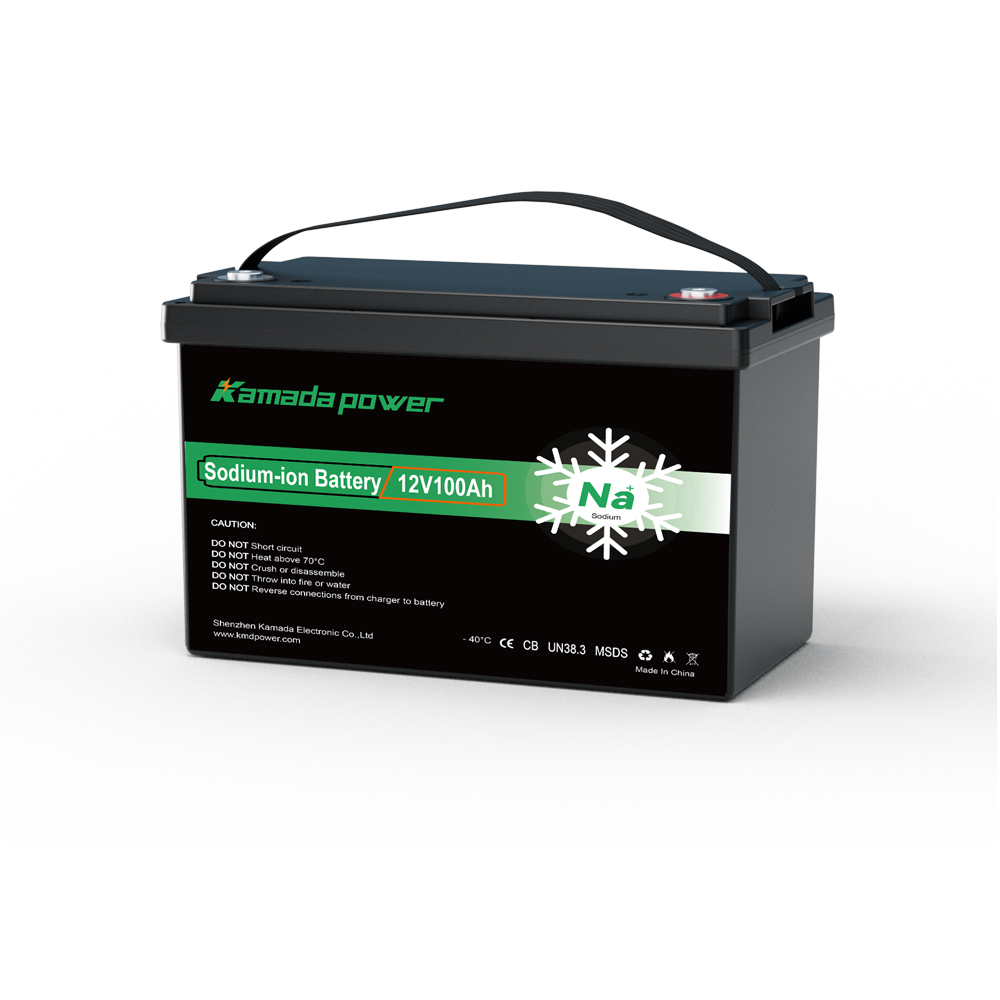
بطارية كامادا باور 12 فولت 100 أمبير أيون الصوديوم
لماذا يعتبر عزم الدوران الطرفي أكثر أهمية مما يعتقده العديد من عمال التركيب
في أنظمة التيار المنخفض، قد تمر التوصيلات المهملة دون أن يلاحظها أحد. أما في أنظمة التيار المستمر ذات التيار العالي، فإنها لا تمر عادة. حتى طرف البطارية المرتخي قليلاً يضيف مقاومة عند سطح التلامس، وتحت الحمل تتحول هذه المقاومة الإضافية بسرعة إلى حرارة.
منذ P = I²Rفإن ارتفاع التيار يمكن أن ينتج عنه حرارة كافية لإتلاف الوصلة أو تليين المواد القريبة منها أو تشويه الكتلة الطرفية. وهذا هو السبب في أن الأعمدة الذائبة أو العروات التي تغير لونها غالبًا ما يتم إلقاء اللوم على البطارية في حين أن المشكلة الحقيقية هي التوصيلة.
ويزيد الاهتزاز الأمر سوءًا، لأن البرغي المشدود بإحكام هامشي يمكن أن ينفك أكثر بمرور الوقت، مما يفتح فجوة قد تؤدي إلى تقوس التيار المستمر وتلف سريع للمعدن وخطر نشوب حريق.
يمكن أن تؤدي التوصيلات المفكوكة أو عالية المقاومة أيضًا إلى حدوث تعطلات مزعجة في نظام إدارة المحولات من خلال التسبب في انخفاض مفاجئ في الجهد أثناء بدء تشغيل العاكس، مما يجعل نظام إدارة المحولات يفسر الحدث على أنه تيار زائد أو ماس كهربائي. هذا هو السبب في أن عزم الدوران الصحيح ليس من تفاصيل التركيب الثانوية. إنه جزء من موثوقية النظام بشكل عام.
مخطط عزم الدوران الطرفي لمسامير البطارية M6 و M8 و M10
يجب عليك دائمًا التحقق من ورقة بيانات الشركة المصنعة للبطارية أولاً. يمكن أن يختلف تصميم اللولب ومادة الإدخال وطول البرغي والأجهزة المزودة وبنية الطرفية. المخطط أدناه هو مجرد مرجع عملي للعديد من أطراف البطاريات النحاسية أو النحاسية القياسية. لا ينبغي أن يتجاوز دليل تركيب صانع البطارية.
أيضًا، لا تتعامل مع الأجهزة المترية والإمبراطورية على أنها قابلة للتبديل. M6 قريبة تقريبًا من 1/4″، و M8 قريبة تقريبًا من 5/16″، و M10 قريبة تقريبًا من 3/8″. فهي ليست نفس نظام الخيوط. يمكن أن يؤدي خلط البراغي إلى إتلاف اللولبات، أو تقليل ضغط التلامس، أو إنشاء وصلة تبدو محكمة ولكنها ليست صحيحة في الواقع.
| حجم المحطة الطرفية | عزم الدوران المتري | عزم الدوران الإمبراطوري | ملاحظة تحجيم الكابلات |
|---|
| M6 (1/4 بوصة تقريبًا) | 4.0 - 5.0 نيوتن متر | 35-45 بوصة - رطل | يجب اختيار حجم الكابل حسب التيار، وطول الكابل، وانخفاض الجهد، وتصنيف العزل، وظروف التركيب. |
| M8 (5/16″ تقريبًا) | 8.0-10.0 نيوتن متر | 70-90 بوصة رطل | لا يحدد حجم المحطة الطرفية حجم الكابل تلقائياً. قم دائماً بتحديد حجم الكابل بما يتناسب مع الحمل الفعلي. |
| M10 (حوالي 3/8″) | 12.0 - 14.0 نيوتن متر | 105-125 بوصة - رطل | غالباً ما تستخدم أطراف أكبر حجماً مع الكابلات ذات التيار الأعلى، ولكن الحجم النهائي للكابل لا يزال يعتمد على تصميم النظام. |
هناك نقطة واحدة جديرة بالتشديد عليها: الإفراط في إحكام الربط ليس أكثر أمانًا. يشعر الكثير من الناس بالقلق بشأن الأطراف المفكوكة ثم يضغطون على مفتاح الربط بقوة أكبر. يمكن أن يؤدي ذلك إلى تجريد اللولب الناعم، أو تشويه الملحق، أو كسر البرغي. بمجرد حدوث ذلك، فإنك لم تعد تحل مشكلة التوصيل. أنت تستبدل الأجهزة، وأحيانًا تستبدل البطارية بأكملها. مفتاح عزم الدوران المعاير هو الأداة الصحيحة هنا. التخمين بالشعور ليس كذلك.
كيفية تجعيد عروات الكابلات بشكل صحيح لبطاريات الصوديوم بجهد 12 فولت
لا يساعد عزم الدوران المناسب للوصلة إلا إذا كانت وصلة الكابل نفسها سليمة. إذا كان التجعيد رديئًا، يمكن أن تظل الوصلة تسخن حتى عندما يكون عزم دوران المسمار صحيحًا تمامًا.
1. ابدأ بالكابل والعروة الصحيحة
استخدم كابل نحاسي عالي الجودة، ويفضل أن يكون من النحاس الخالي من الأكسجين. إذا كانت البطارية سيتم تركيبها في بيئة رطبة أو بحرية أو خارجية، فإن الكابل النحاسي المعلب هو الخيار الأكثر أماناً لأنه يتعامل مع التآكل بشكل أفضل مع مرور الوقت.
قم بمطابقة هذا الكابل بعروة نحاسية ثقيلة الجدار، وليس بعروة نحاسية رقيقة تتشوه بسهولة. لكن لا تختار الكابل حسب حجم العروة فقط. يجب أن يعتمد حجم الكابل على التيار المستمر، والتيار المفاجئ، وطول مسار الكابل، وانخفاض الجهد المقبول، ومعدل درجة حرارة العزل، وبيئة التركيب.
هذا ليس المكان المناسب لتوفير بضعة دولارات. فالعروات الرخيصة والكابلات ذات الحجم الصغير تخلق مشاكل باهظة الثمن فيما بعد.
2. نزع العازل بعناية
قم بنزع ما يكفي من العزل فقط حتى يصل الموصل إلى القاع داخل أسطوانة العروة. لا تترك النحاس العاري الزائد مكشوفاً، ولا تتلف خيوط الموصل أثناء التجريد. يقلل الموصل المقطوع من المقطع العرضي الفعال للكابل ويضعف السعة الحالية والقوة الميكانيكية.
يساعد الشريط النظيف على تثبيت الكابل بالكامل ويجعل التجعيد أكثر اتساقاً.
هذا هو المكان الذي تسوء فيه الكثير من التركيبات.
يمكن لمكشكش على شكل مطرقة أن يسطح العروة بما يكفي لتبدو مقبولة من الخارج، ولكن المظهر ليس هو نفسه الأداء. هذه الأدوات غالبًا ما تترك فراغات داخل الماسورة. هذه الفجوات تحبس الهواء والرطوبة وتزيد من المقاومة.
عادةً ما يكون المكشكش الهيدروليكي معيارًا أفضل بكثير لأنه يمكنه تطبيق ضغط أقوى وأكثر اتساقًا. ولكن الأداة وحدها لا تكفي. يجب أن تتطابق العروة، وحجم الكابل، وحجم القالب، وموضع التجعيد، وعدد التجعيدات. المكشكش الهيدروليكي ذو القالب الخاطئ يمكن أن ينتج عنه تجعيد سيء.
يجب أن يخلق التجعيد المناسب وصلة ضغط محكمة ومنخفضة المقاومة بين الموصل وماسورة العروة. ومن الناحية العملية، يعني ذلك مقاومة أقل، وتسخين أقل، ومتانة أفضل على المدى الطويل.
بالنسبة لمشاريع الهوايات، يقبل الناس في بعض الأحيان الحلول الوسط. أما بالنسبة للأنظمة الصناعية أو الاتصالات أو البحرية أو خارج الشبكة، فإن عملية العقص المناسبة هي المعيار الأفضل.
4. يُحكم إغلاق الوصلة بمادة لاصقة مبطنة بالانكماش الحراري
بمجرد أن يتم تجعيد العروة، قم بتغطية الماسورة بأنابيب الانكماش الحراري مزدوجة الجدار المبطنة بمادة لاصقة. عند تسخينه، يتقلص الغلاف الخارجي وتغلق المادة اللاصقة الانتقال بين العازل والعروة. يساعد ذلك على إبعاد الرطوبة ويدعم الكابل عند الوصلة ويبطئ التآكل بمرور الوقت.
إنها خطوة بسيطة، ولكنها تجعل الكابل النهائي أكثر متانة واحترافية.
هل تحتاج بطاريات أيونات الصوديوم إلى توصيلات كبلات مختلفة عن LiFePO4؟
من وجهة نظر كيميائية، فإن أيون الصوديوم و LiFePO4 هما نظامان مختلفان للبطاريات. ومن وجهة نظر الأسلاك، لا تتغير الأساسيات كثيراً.
لا يزال التيار يتدفق عبر المعدن. لا تزال المقاومة تولد الحرارة. لا تزال الوصلات المفكوكة تفشل.
ما يمكن أن يتغير هو الضغط العملي على التوصيل. يتم اختيار العديد من بطاريات أيونات الصوديوم بجهد 12 فولت لأنها تحافظ على أداء تفريغ قوي في البيئات الباردة حيث يصبح LiFePO4 محدوداً أكثر. وهذا يعني أن الكابل والعروة والوصلة الطرفية قد تحتاج إلى حمل تيار كبير حتى في درجات الحرارة المنخفضة.
على سبيل المثال، قد يتم تصنيف بطارية الصوديوم بجهد 12 فولت 100 أمبير في الساعة بحوالي 100 أمبير متواصل في بعض التصميمات، بينما قد يتم تصنيف الإصدارات ذات المعدل العالي بما يقارب 150 أمبير أو 200 أمبير اعتمادًا على نظام إدارة المباني، وتصميم الخلية، والحدود الحرارية، ومواصفات الشركة المصنعة. بمجرد التشغيل عند هذا المستوى، تتوقف عيوب التوصيل الصغيرة عن كونها "صغيرة". من المرجح أن يظهر التجعيد المتوسط أو قيمة عزم الدوران غير الدقيقة على شكل حرارة أو انخفاض في الجهد أو حماية نظام إدارة المباني، على الأرجح.
لذا فإن طريقة الاتصال لا تختلف اختلافًا جوهريًا، لكن هامش العمل غير المتقن غالبًا ما يكون أصغر.
أخطاء التثبيت الشائعة التي لا تزال تتسبب في حدوث أعطال
حتى عمال التركيب ذوي الخبرة يرتكبون هذه الأخطاء، خاصة عندما يعملون بسرعة.
وضع الغسالة في المكان الخطأ
هذا هو أحد الأسباب الأكثر شيوعاً لسخونة أطراف البطارية.
يجب أن تستقر العروة النحاسية مباشرة على سطح طرف البطارية. هذه هي القاعدة الرئيسية. يجب أن ينتقل مسار التيار من الطرف إلى العروة بأقل مقاومة ممكنة.
الترتيب المعتاد هو:
طرف البطارية ← عروة نحاسية ← حلقة نحاسية مسطحة ← حلقة قفل أو حلقة مشقوقة ← مسمار
ما لا ينبغي أن يحدث هو وضع غسالة من الفولاذ المقاوم للصدأ بين طرف البطارية والعروة النحاسية. إذا حدث ذلك، يتم دفع التيار عبر الغسالة بدلاً من التدفق مباشرة من النحاس إلى النحاس أو النحاس الأصفر. يتميز الفولاذ المقاوم للصدأ بمقاومة أعلى بكثير من النحاس، لذلك تسخن الغسالة تحت الحمل وتبدأ الوصلة بالتلف.
تعتبر العروات المصنوعة من الألومنيوم على أطراف البطاريات النحاسية أو النحاسية فكرة سيئة، خاصة في البيئات الرطبة أو الرطبة. المشكلة هي التآكل الجلفاني. مع مرور الوقت، يزيد التآكل من المقاومة، والمقاومة الأعلى تعني المزيد من الحرارة.
للموثوقية على المدى الطويل، حافظ على توافق مواد التلامس.
تخطي فحوصات إعادة عزم الدوران
لا يبقى التركيب الجديد على حاله دائماً بعد بضعة أسابيع من الخدمة. يمكن أن يرتخي النحاس قليلاً. تغيرات درجة الحرارة تسبب التمدد والانكماش. المعدات التي تتحرك أو تهتز يمكن أن تغير الأجهزة بمرور الوقت.
من الممارسات الجيدة إعادة فحص عزم الدوران الطرفي بعد حوالي 30 يومًا من التركيب ثم تضمينه في الصيانة الدورية. يمكن لفحص سريع واحد باستخدام مفتاح عزم الدوران أن يمنع حدوث مشكلة أكبر بكثير في وقت لاحق.
استكشاف الأعطال وإصلاحها في المحطات الساخنة والرحلات المفاجئة لنظام إدارة المباني
إذا سخن طرف بطارية أيون الصوديوم بجهد 12 فولت، أو توقف النظام عن العمل عند بدء تشغيل العاكس أو المحرك أو المضخة أو الضاغط أو أي معدات أخرى ذات حمولة عالية، فلا تفترض أن خلايا البطارية قد تعطلت أولاً. افحص مسار التوصيل.
| العَرَض | السبب المحتمل | ما الذي يجب التحقق منه |
|---|
| تصبح المحطة الطرفية ساخنة تحت الحمل | مسمار مفكوك أو تلامس ضعيف للعروة أو ترتيب خاطئ للغسالة أو كابل صغير الحجم | افحص عزم الدوران وكومة الغسالة وسطح تلامس العروة وحجم الكابل |
| رحلات BMS أثناء بدء تشغيل العاكس | ترهل الجهد الناجم عن المقاومة العالية عند الطرف أو داخل التجعيد | قياس انخفاض الجهد عبر الوصلة أثناء بدء التشغيل |
| تبدو العروة متغيرة اللون أو داكنة | تراكم الحرارة من مقاومة التلامس | فحص جودة التجعيد، والأكسدة، وعزم الدوران، ومنطقة التلامس |
| تنفك الأجهزة الطرفية بعد الاستخدام | الاهتزاز، أو التدوير الحراري، أو حركة الكابل التي تسحب على الطرفية | إعادة العزم بعد الصيانة الأولية وإضافة مخفف إجهاد الكابل المناسب |
| يشعر الكابل بالدفء بالقرب من أسطوانة العروة | تجعيد سيء أو كابل صغير جداً بالنسبة للحمل | قم بالقطع وإعادة التجعيد باستخدام العروة والقالب وحجم الكابل الصحيح |
| تنطلق بطارية واحدة في بنك متوازي في وقت سابق | مقاومة غير متساوية بين كابلات البطارية أو أطراف البطارية | تحقق من طول الكابل، وجودة العروة، وعزم الدوران، وتوازن توصيل عمود التوصيل |
| لا يزال الطرف يسخن بعد عزم الدوران الصحيح | قد تكون المشكلة داخل العروة أو الكابل أو كومة الغسالة أو سطح التزاوج | لا تستمر في الشد؛ افحص المسار الحالي بالكامل |
النقطة المهمة بسيطة: عزم الدوران هو جزء واحد فقط من التوصيل. يحتاج التوصيل الطرفي الجيد إلى الكابل الصحيح، والعروة الصحيحة، والعقدة الصحيحة، وترتيب الغسالة الصحيح، وعزم الدوران الصحيح.
الخاتمة
A بطارية صوديوم-أيون 12 فولت يمكن أن تعمل بشكل جيد في الطقس البارد، أو الاحتياطي، أو المقطورة المتنقلة، أو الاستخدام البحري أو خارج الشبكة، ولكن فقط إذا كان التوصيل صحيحًا. يمكن أن يتسبب التجعيد الرديء أو ترتيب الغسالة الخاطئ أو عزم الدوران غير الصحيح في حدوث حرارة وإيقاف التشغيل.
استخدم العروة النحاسية المناسبة، وأداة التجعيد، وطريقة الختم، ومواصفات عزم دوران الشركة المصنعة. تختفي العديد من المشاكل الميدانية هناك.
هل تحتاج إلى مساعدة في مطابقة بطارية أيونات الصوديوم بجهد 12 فولت مع استخدامك؟ اتصل بنا لـ بطارية أيونات الصوديوم المخصصة الحل.
الأسئلة الشائعة
ماذا لو لم يكن لدي مفتاح عزم الدوران؟ هل يمكنني فقط إحكام ربط الطرف باليد؟
إنها ليست فكرة جيدة. تعني كلمة "إحكام اليد" أشياء مختلفة لأشخاص مختلفين. فأحد المثبتين يترك الوصلة مرتخية بما يكفي لتسخينها تحت الحمل، بينما يقوم آخر بتجريد الخيوط عن طريق الشد الزائد. بالنسبة لتكلفة نظام البطارية، يعتبر مفتاح عزم الدوران الأساسي استثماراً صغيراً وعادة ما يستحق ذلك.
هل يمكنني إعادة استخدام كابلات بطارية الرصاص الحمضية القديمة مع بطارية الصوديوم؟
في بعض الأحيان، نعم. ولكن فقط إذا كان الكابل لا يزال في حالة جيدة وكان حجمه يتناسب بالفعل مع التيار الذي سيسحبه إعدادك الجديد. يمكن أن توفر بعض أنظمة بطاريات الصوديوم تياراً مستداماً أعلى من أنظمة حمض الرصاص القديمة، اعتماداً على تصنيف نظام إدارة البطاريات وتصميم العبوة. إذا كان الكابل متآكلًا أو متصلبًا أو صغير الحجم أو تالفًا بسبب الحرارة، استبدله.
لماذا لا يزال الطرف الطرفي ساخنًا على الرغم من أنني قمت بربطه بشكل صحيح؟
إذا كانت الأجهزة الطرفية مضبوطة حسب المواصفات ولا تزال الوصلة ساخنة، فغالبًا ما تكون المشكلة داخل العروة وليس عند البرغي. يمكن أن يترك التجعيد السيئ فراغات ويخلق مقاومة داخل البرميل. في هذه الحالة، يحتاج الكابل عادةً إلى قطع الكابل وإعادة تجعيده بشكل صحيح. يجدر بك أيضًا التحقق من ترتيب الغسالة مرة أخرى، لأنه من السهل تفويت هذا الخطأ وهو شائع جدًا.