Cara Menyimpan Paket Baterai Sodium-ion RV Selama Musim Sepi. Musim Sepi RV baterai natrium-ion Perawatan baterai tidak hanya sekadar mematikan RV. Beban yang ringan, intensitas sinar matahari yang rendah di musim dingin, batasan pengisian daya akibat suhu dingin, serta mode tidur atau perlindungan BMS, semuanya dapat memengaruhi kemampuan pemulihan baterai setelah berbulan-bulan tidak digunakan.
Perencanaan penyimpanan harus dilakukan pada tingkat paket baterai yang sudah jadi, termasuk sistem manajemen baterai (BMS), pengisi daya, pemutus arus, kabel, sensor suhu, kondisi kompartemen, dan perilaku saat dihidupkan kembali. Tujuannya adalah untuk mencegah pengosongan daya yang berlebihan, menghindari beban pengisian yang tidak terkendali, serta memastikan proses pengaktifan kembali pada musim semi dapat diprediksi.
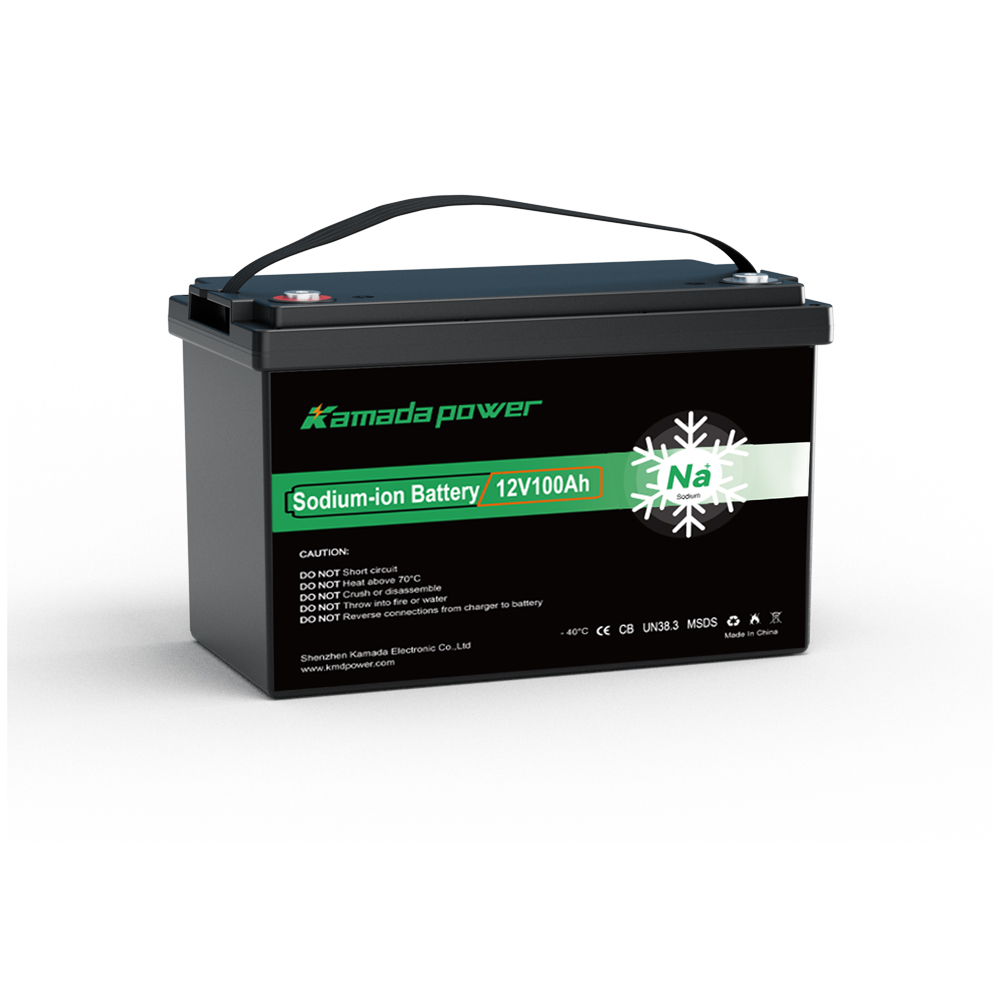
Baterai Sodium ion Kamada Power 12v 100Ah
Penyimpanan di luar musim adalah hal yang berbeda dari penggunaan RV sehari-hari
Penggunaan RV sehari-hari berlangsung secara aktif. Sistem beroperasi, pengisi daya mengisi ulang baterai, BMS mendeteksi perubahan arus, dan pengguna segera menyadari adanya masalah. Penyimpanan di luar musim berlangsung tanpa aktivitas yang mencolok, sehingga masalah lebih mudah terlewatkan.
Sebuah baterai dapat kehabisan daya akibat beban parasit, dibiarkan pada tingkat SOC yang tidak sesuai, dihubungkan ke pengatur panel surya yang tidak mampu mempertahankannya selama musim dingin, disimpan di ruang penyimpanan yang dingin di mana pengisian daya harus dibatasi, atau mengalami gangguan perlindungan tegangan rendah pada musim semi yang tampak seperti baterai yang mati.
Itulah sebabnya penyimpanan harus dianggap sebagai mode operasi tersendiri, bukan sekadar “tidak menggunakan RV”. Rencana penyimpanan yang baik akan melindungi baterai sekaligus memastikan RV siap digunakan pada musim berkemah berikutnya.
Mulailah dengan SOC Penyimpanan dari Pabrikan, Bukan Sekadar Tebakan
Tingkat SOC penyimpanan yang tepat bergantung pada desain paket akhir, strategi BMS, spesifikasi sel, perilaku pelepasan daya sendiri, serta beban siaga yang terhubung. Pemasok baterai natrium-ion mungkin menetapkan rentang tingkat SOC parsial yang berbeda-beda, dengan pemeriksaan berkala atau pengisian ulang selama penyimpanan jangka panjang.
Hal penting yang perlu diperhatikan adalah: jangan menyimpan baterai dalam kondisi hampir kosong, dan jangan menganggap bahwa tingkat pengisian daya (SOC) 100% lebih baik untuk penyimpanan berbulan-bulan.
SOC yang disarankan oleh pemasok pada tingkat sedang memberikan ruang bagi baterai untuk menahan pengosongan diri dan beban parasit kecil tanpa harus berada dalam kondisi tegangan tinggi sepanjang musim tidak aktif. Target yang tepat harus ditentukan oleh pemasok baterai natrium-ion, bukan berdasarkan kebiasaan penggunaan baterai timbal-asam atau saran umum mengenai baterai litium.
Beban Parasit Merupakan Kesalahan Penyimpanan yang Paling Umum
Sebuah RV bisa terlihat dalam keadaan mati meskipun masih mengonsumsi daya.
Monitor baterai, detektor propana, papan kontrol, inverter dalam mode siaga, modul nirkabel, sistem penyeimbang, sensor tangki, pengisi daya, papan distribusi DC, dan aksesori aftermarket semuanya dapat menimbulkan beban kecil yang terus-menerus. Dalam beberapa bulan, beban-beban ini dapat menyebabkan baterai mendekati batas perlindungan tegangan rendah.
Untuk baterai natrium-ion, masalahnya bukan hanya hilangnya energi. Jika tegangan baterai turun terlalu rendah, BMS mungkin akan masuk ke mode perlindungan atau mode tidur. Pada musim semi, baterai mungkin tampak tidak merespons hingga pengisi daya yang tepat atau urutan pengaktifan mengembalikannya ke rentang tegangan yang normal.
Pemutusan aliran listrik yang benar-benar terputus saat tidak digunakan sangatlah penting. Pemutusan aliran listrik bawaan pabrik pada RV mungkin tidak memisahkan setiap beban, sehingga rencana penyimpanan harus memastikan sirkuit mana saja yang tetap teraliri listrik setelah dimatikan.
Pengisian Daya Surya Memang Bisa Membantu, Namun Juga Dapat Menimbulkan Rasa Aman yang Palsu
Membiarkan panel surya tetap terhubung selama penyimpanan mungkin bisa dilakukan pada beberapa konfigurasi RV, tetapi hal ini tidak boleh dianggap aman atau memadai.
Pemeliharaan sistem tenaga surya bergantung pada sinar matahari, sudut panel, lapisan salju, bayangan, kinerja pengatur pengisian, dan aturan suhu baterai. Pada musim dingin, panel mungkin hanya menghasilkan sedikit energi yang dapat digunakan, dan salju atau bayangan dapat mengubah “sistem pemeliharaan” menjadi sistem yang terputus.
Untuk paket baterai natrium-ion, pengisian daya dalam kondisi dingin menimbulkan kendala tambahan. Jika RV disimpan di luar ruangan dan kompartemen baterai dalam keadaan dingin, BMS mungkin akan memblokir proses pengisian daya hingga sel-sel baterai mencapai suhu yang diizinkan. Jika paket baterai dilengkapi dengan sistem pemanas, daya surya yang minim pada musim dingin mungkin akan terpakai untuk pemanasan sebelum terjadi pemulihan SOC yang signifikan. Jika pengontrol mengabaikan batasan BMS, pemeliharaan tenaga surya dapat menimbulkan risiko pengisian daya alih-alih perlindungan.
Sistem tenaga surya itu sendiri tidak bermasalah. Masalahnya terletak pada pemeliharaan sistem tenaga surya yang tidak terverifikasi. Jika sistem tenaga surya tetap terhubung, pengaturan pengontrol, logika pengisian daya pada suhu rendah, dan perilaku aktivasi baterai harus sesuai dengan paket baterai.
Penyimpanan dalam suhu dingin biasanya lebih aman daripada pengisian daya dalam suhu dingin
Penyimpanan dingin dan pengisian daya dalam kondisi dingin bukanlah hal yang sama.
Paket baterai natrium-ion dapat disimpan pada suhu rendah dalam rentang suhu penyimpanan yang diizinkan, namun pengisian dayanya tetap harus dihentikan, ditunda, dikurangi daya, atau dipanaskan saat sel-selnya dalam keadaan dingin. Perbedaan ini penting bagi kendaraan rekreasi (RV) yang disimpan di luar ruangan, di gudang tanpa pemanas, atau di daerah beriklim dingin.
Rencana penyimpanan sebaiknya membedakan dua hal: di mana baterai akan disimpan, dan apakah baterai tersebut akan diisi dayanya di sana. Baterai yang disimpan di kompartemen luar RV selama musim dingin mungkin masih dapat diterima asalkan terputus dari sumber daya dan suhunya berada dalam rentang suhu penyimpanan yang direkomendasikan oleh produsen. Baterai yang sama mungkin memerlukan perlindungan jika pengisi daya mencoba mengalirkan arus ke dalamnya sebelum sel-selnya mencapai suhu yang cukup.
Suhu dingin saja tidak selalu menjadi risiko utama. Pengisian daya dalam kondisi dingin yang tidak terkendali seringkali menjadi penyebabnya.
Perubahan Suhu yang Drastis Menyebabkan Masalah Kelembapan dan Pemeliharaan
Tempat penyimpanan di luar musim tidak selalu bersih, kering, atau stabil.
Kendaraan rekreasi (RV) dapat terpapar cuaca malam yang sangat dingin, siang yang cerah, hujan, air lelehan salju, kelembapan, dan kondensasi. Kompartemen baterai dapat menahan kelembapan, terutama jika terletak di bagian luar, di bawah lantai, drainase yang buruk, atau disegel tanpa strategi pengendalian kelembapan yang memadai.
Kelembapan dapat memengaruhi terminal, konektor, sekring, port komunikasi, kabel pengukur, dan aksesori yang terkait dengan BMS. Sel baterai mungkin masih berfungsi dengan baik, namun jalur pemasangan justru menjadi titik lemahnya.
Penyimpanan harus mencakup seluruh unit baterai, bukan hanya tingkat muatan baterai (SOC). Pastikan unit baterai tetap kering, terlindung dari paparan air langsung, dijauhkan dari barang bawaan yang longgar, serta terhindar dari tegangan kabel atau terminal yang terbuka.
Mode Tidur BMS Harus Diantisipasi, Bukan Ditakuti
Banyak paket baterai menggunakan mode tidur atau fitur perlindungan untuk mengurangi konsumsi daya atau melindungi sel baterai setelah tidak digunakan dalam waktu lama. Hal itu memang berguna, tetapi bisa membingungkan pemilik RV pada musim semi.
Setelah disimpan selama berbulan-bulan, baterai mungkin tidak mengeluarkan daya, layarnya mungkin mati, Bluetooth mungkin tidak terhubung, atau inverter mungkin tidak menyala. Hal itu tidak otomatis berarti baterai telah rusak. Sistem Manajemen Baterai (BMS) mungkin dalam mode tidur, baterai mungkin perlu diaktifkan kembali dengan pengisi daya, atau sistem perlindungan mungkin telah terpicu akibat tegangan rendah atau suhu yang rendah.
Paket baterai natrium-ion RV yang baik harus menjelaskan bagaimana baterai tersebut kembali aktif setelah disimpan, perilaku pengisi daya seperti apa yang diperlukan, serta gejala apa saja yang menandakan kondisi istirahat normal versus adanya gangguan. Tanpa kejelasan tersebut, tim layanan mungkin akan membuang-buang waktu untuk menangani kondisi perlindungan yang sebenarnya normal.
Rencana Penyimpanan yang Baik Bergantung pada Konfigurasi RV
Tidak ada aturan tunggal yang berlaku untuk semua sistem baterai natrium-ion pada kendaraan rekreasi (RV) selama musim sepi. Rencana yang tepat bergantung pada cara pemasangan baterai dan komponen apa saja yang tetap terhubung.
| Kondisi Penyimpanan RV | Logika Penyimpanan yang Lebih Baik | Risiko Jika Salah Menilai |
|---|
| Baterai telah dilepas sepenuhnya dan disimpan di tempat yang kering dan stabil | Simpan pada tingkat SOC yang direkomendasikan oleh pemasok dan periksa secara berkala | Risiko rendah jika fenomena self-discharge dan mode tidur BMS dipahami |
| Baterai tetap terpasang dengan beban DC kecil | Pastikan koneksi benar-benar terputus atau lepaskan beban parasit | Aliran arus yang lambat ke sistem perlindungan tegangan rendah BMS |
| RV yang disimpan di luar ruangan dengan panel surya yang terpasang | Periksa pengaturan pengontrol, kondisi bersalju atau teduh, serta perilaku pengisian daya dalam cuaca dingin | Keyakinan yang keliru, pengisian daya terhambat, atau upaya pengisian daya yang tidak aman |
| Baterai disimpan di kompartemen luar yang dingin | Pisahkan penyimpanan dingin dari pengisian daya dingin | Baterai mungkin dapat disimpan dengan aman, tetapi tidak mau mengisi daya sampai hangat |
| RV yang disimpan di daerah lembap atau pesisir | Lindungi terminal, konektor, dan kompartemen dari kelembapan | Korosi, jalur kebocoran, gangguan intermiten |
| Paket tersebut diperkirakan akan aktif secara otomatis pada musim semi | Memastikan perilaku pengaktifan pengisi daya dan pemulihan BMS | Baterai tampak habis meskipun sebenarnya masih bisa diisi ulang |
Sebelum disimpan, pastikan hal-hal berikut:
| Pemeriksaan Penyimpanan | Apa yang Harus Dikonfirmasi |
|---|
| SOC Penyimpanan | SOC yang direkomendasikan oleh pemasok, bukan sekadar perkiraan |
| Putuskan sambungan | Pemisahan yang sesungguhnya dari beban parasit |
| Pemasangan panel surya | Pengaturan pengontrol, risiko salju atau naungan, dan logika pengisian pada suhu rendah |
| Suhu | Rentang penyimpanan yang disetujui dan izin pengisian daya |
| Kelembapan | Ruang kering, sistem drainase, dan tidak ada jalur kondensasi |
| Bangkitnya Musim Semi | Metode pengaktifan pengisi daya dan perilaku pemulihan BMS |
Metode penyimpanan terbaik adalah metode yang menjaga paket tetap berada di dalam batas penyimpanan yang disetujui dan memastikan proses pemulihan dapat diprediksi.
Jangan Menyimpan Baterai RV Seperti Baterai Timbal-Asam Hanya Karena Sudah Menjadi Kebiasaan
Banyak kebiasaan dalam penyimpanan RV yang berasal dari baterai timbal-asam: pastikan baterai selalu terisi penuh, gunakan pengisi daya pemeliharaan, cegah terjadinya sulfasi, dan hindari pembekuan akibat pengosongan daya yang berlebihan. Kebiasaan-kebiasaan tersebut tidak sepenuhnya berlaku untuk baterai natrium-ion.
Paket baterai natrium-ion dilengkapi dengan sistem manajemen baterai (BMS), memiliki pola tegangan yang berbeda, panduan tingkat muatan (SOC) penyimpanan yang berbeda, serta batas pengisian pada suhu rendah yang berbeda. Paket ini mungkin tidak memerlukan pengisian mengambang yang terus-menerus. Paket ini mungkin lebih membutuhkan pemutusan aliran listrik yang tuntas daripada pengisi daya pemeliharaan. Paket ini mungkin lebih membutuhkan perlindungan dari beban parasit daripada pengisian ulang yang sering.
Pendekatan yang paling aman adalah mengikuti petunjuk dari pemasok baterai natrium-ion terkait tingkat muatan (SOC) saat penyimpanan, rentang suhu, interval pengisian ulang, kompatibilitas pengisi daya, serta petunjuk pengaktifan BMS. Jika hal-hal tersebut tidak jelas, mintalah panduan penyimpanan khusus untuk baterai tersebut daripada mengandalkan asumsi yang berlaku untuk baterai timbal-asam atau baterai litium pada umumnya.
Persiapan Menjelang Musim Semi Harus Direncanakan Sebelum Penyimpanan Musim Dingin
Rencana di luar musim sebaiknya disusun dengan mempertimbangkan pemulihan di musim semi.
Sebelum menyimpan RV, pertimbangkan apa yang harus dilakukan saat musim berikutnya dimulai. Apakah baterai masih memiliki SOC yang cukup? Apakah BMS akan aktif seperti biasa? Apakah pengisi daya akan mendeteksinya? Apakah pengontrol surya akan berfungsi kembali dengan benar? Apakah inverter perlu direset? Apakah monitor baterai akan menampilkan nilai SOC yang akurat?
Saat baterai dikeluarkan dari tempat penyimpanan, periksa tegangan, indikator SOC, kinerja pengisi daya, proses penyalaan inverter, dan peringatan BMS sebelum menggunakan beban berat. Jika baterai disimpan dalam kondisi dingin, penisian harus ditunda hingga sel-sel baterai berada dalam rentang tegangan yang diizinkan atau BMS mengizinkan proses penisian.
Perangkat pertama yang dihidupkan setelah penyimpanan sebaiknya bukan perangkat inverter berdaya besar. Hidupkan sistem secara bertahap terlebih dahulu.
Penyimpanan Standar Berfungsi Saat Sistem Benar-benar Terisolasi
Metode penyimpanan yang sederhana dapat berjalan dengan baik jika baterai disimpan pada tingkat pengisian (SOC) yang direkomendasikan, terisolasi dari beban parasit, dijaga agar tetap kering, terlindung dari panas berlebih, dan diperiksa sesuai interval yang direkomendasikan oleh pemasok.
Penyimpanan menjadi lebih rumit jika baterai tetap terpasang, panel surya tetap terhubung, suhu turun di bawah rentang pengisian daya, beban tersembunyi pada RV tetap aktif, atau baterai harus aktif kembali secara otomatis setelah berbulan-bulan tidak digunakan.
Kondisi-kondisi tersebut tidak membuat baterai natrium-ion tidak cocok untuk penyimpanan di kendaraan rekreasi. Hal itu hanya mengharuskan agar rencana penyimpanan mencakup seluruh sistem: baterai, BMS, sakelar pemutus, pengisi daya, pengontrol panel surya, kompartemen, dan prosedur pemulihan.
Baterai tidak boleh disalahkan atas sistem penyimpanan yang secara diam-diam menguras daya baterai atau mencoba mengisi dayanya dalam kondisi yang tidak tepat.
Kesimpulan
Menyimpan paket baterai natrium-ion pada RV selama musim sepi tidak cukup hanya dengan mematikan RV. Rencana penyimpanan harus mencakup pengendalian tingkat muatan baterai (SOC), beban parasit, pola pengisian daya surya, suhu kompartemen, paparan kelembapan, mode tidur BMS, dan pemulihan pada musim semi.
Sebelum membiarkan baterai tidak terpakai selama berbulan-bulan, simpanlah pada tingkat SOC yang direkomendasikan oleh produsen, lepaskan beban yang tidak diperlukan, hindari pengisian daya dalam kondisi dingin yang tidak terkendali, jaga agar kompartemen tetap kering, dan pastikan cara mengaktifkan kembali serta mengisi daya baterai sebelum musim berkemah berikutnya.
Jika Anda berencana menyimpan barang tersebut di luar musim untuk sebuah Baterai natrium-ion RV sistem, hubungi kami dengan model unit penyimpanan Anda, suhu penyimpanan, beban yang terhubung, sistem panel surya, dan perkiraan masa tidak aktif. Kami dapat membantu mengevaluasi rencana penyimpanan dan pemulihan yang paling aman untuk kebutuhan Anda.