Cara Menentukan Ukuran Baterai yang Tepat untuk Rumah Anda di Australia. Berinvestasi dalam baterai penyimpan energi di rumah menandai sebuah langkah besar untuk memutuskan hubungan dengan perusahaan energi besar dan menghancurkan tagihan triwulanan tersebut. Namun, inilah bagian yang sulit: memilih ukuran yang tepat. Ini adalah keputusan paling penting yang akan Anda buat. Jika salah, maka Anda akan kehabisan tenaga saat mulai memasak makan malam, atau Anda akan menghabiskan uang untuk kapasitas yang tidak akan pernah Anda sentuh.
Tidak ada "satu ukuran untuk semua" di sini. Anda memerlukan pendekatan yang disesuaikan. Panduan ini memberi Anda metode profesional, langkah demi langkah untuk mengaudit kebutuhan Anda, memastikan investasi baterai Anda benar-benar membuahkan hasil.
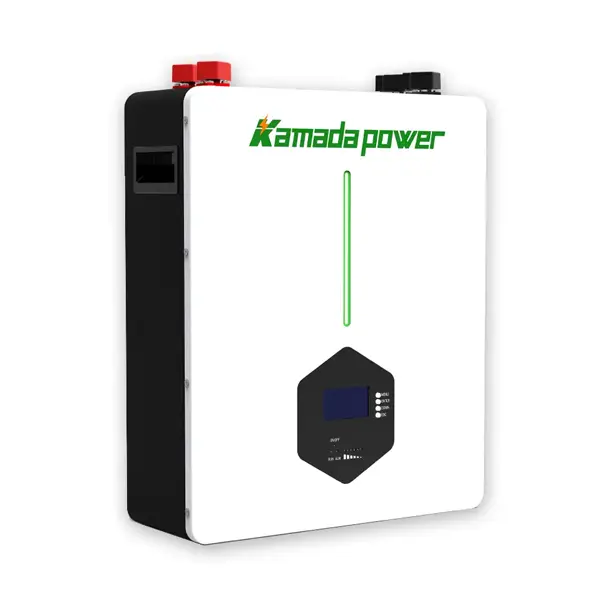
Kamada Power Lifepo4 Baterai Rumah Powerwall 10kWh
1. Cara Menghitung Penggunaan Energi Harian Anda
Lupakan apa yang tertulis di brosur. Anda tidak bisa memilih baterai berdasarkan rata-rata; Anda perlu melihat data spesifik Anda. Baik Google maupun penjual tidak tahu bagaimana Anda hidup-hanya tagihan listrik Anda yang tahu.
Ambil tagihan terbaru Anda atau masuk ke aplikasi meteran pintar Anda. Anda sedang mencari penggunaan harian dalam kilowatt-jam (kWh). Tapi hati-hati. Rata-rata berbohong. Anda harus menentukan dengan tepat "Penggunaan Puncak" Anda.
- Perubahan Musim: Cuaca di Australia sangat ekstrem. Di musim panas, AC dan pompa kolam renang Anda mungkin mendorong penggunaan lebih dari 25kWh per hari. Di musim semi, itu mungkin turun menjadi 10kWh. Baterai Anda perlu menangani hari-hari yang berat, bukan hari-hari yang mudah.
- "Celah Matahari": Panel Anda bekerja dari jam 9 sampai jam 5, tetapi hidup Anda terjadi dari 18.00 hingga 21.00. Ini adalah zona bahaya Anda-memasak, TV, mesin pencuci piring. Tugas utama baterai Anda adalah menjembatani kesenjangan ini tanpa menarik dari jaringan listrik.
Kiat Ahli: Rencanakan Pertumbuhan Beban di Masa Depan Berpikirlah ke depan. Baterai dapat bertahan lebih dari 10 tahun. Apakah Anda mengincar mobil listrik? Mengisi daya mobil listrik bisa memakan waktu lama 7-10 kWh dalam satu sesi-yang pada dasarnya menguras baterai rumah standar. Jika mobil listrik ada dalam rencana 3 tahun Anda, tentukan sekarang atau pilih sistem modular yang memungkinkan Anda mengklik kapasitas ekstra di kemudian hari tanpa mengganti seluruh unit.
2. Berapa Ukuran Baterai yang Saya Butuhkan? (Pemeriksaan Strategi)
Sebelum Anda mengeluarkan kalkulator, Anda harus memutuskan pekerjaan utama baterai Anda. Apakah Anda membelinya untuk menghemat uang, atau untuk bertahan hidup dari kiamat? Mencampuradukkan hal ini adalah alasan #1 pemilik rumah membeli ukuran yang salah.
Berikut ini adalah perhitungan profesional untuk kedua strategi tersebut.
Strategi A: "Bill Buster" (Memaksimalkan ROI)
- Tujuannya: Simpanlah energi surya secukupnya untuk menutupi puncak malam Anda yang mahal (biasanya pukul 17.00 - 22.00) hingga Anda tidur. Anda mengandalkan jaringan listrik untuk waktu di luar jam sibuk jika diperlukan.
- Pendekatan: Jangan terlalu besar. Jika Anda membeli baterai yang terlalu besar, baterai tersebut akan menjadi setengah kosong, dan ROI Anda akan turun.
(Penggunaan Harian × 0,5) ÷ 0,9 = Kapasitas Baterai Minimum (Catatan: Kami mengasumsikan 50% penggunaan Anda terjadi pada puncak malam/pagi hari, dan 0,9 mewakili Kedalaman Debit).
Contoh Dunia Nyata: Keluarga Metro
- Lokasi: Pinggiran kota Melbourne.
- Penggunaan Harian: 20 kWh.
- Gol: Berhenti membayar tarif puncak.
- Perhitungan: 20 kWh × 0,5 = 10 kWh (Kebutuhan malam hari).
- Efisiensi Adj: 10 kWh ÷ 0,9 = 11,1 kWh (Kapasitas yang Dibutuhkan).
- Rekomendasi Ahli: A 13,5 kWh baterai (seperti Tesla Powerwall 2 atau Sungrow 12.8) adalah sempurna. Ini menutupi malam dengan penyangga kecil.
Strategi B: "Mode Bertahan Hidup" (Kemandirian Energi)
- Tujuannya: Biarkan lampu, kulkas, dan Wi-Fi tetap menyala selama pemadaman listrik selama beberapa hari atau badai. Anda harus bertahan hidup di malam hari dan memiliki kapasitas yang cukup untuk melewati hari yang mendung ketika pengisian ulang tenaga surya berjalan lambat.
- Pendekatan: Anda membutuhkan penyangga yang signifikan. Efisiensi adalah nomor dua; keamanan adalah nomor satu.
(Penggunaan Harian × 1,5) ÷ 0,9 = Kapasitas Baterai yang Disarankan (Catatan: Pengali 1,5 memastikan Anda memiliki daya untuk satu hari penuh + penyangga pengaman untuk cuaca matahari yang buruk).
Contoh Dunia Nyata: Keluarga Pedesaan
- Lokasi: Adelaide Hills (Rawan pemadaman listrik).
- Penggunaan Harian: 20 kWh.
- Gol: Bertahan 24 jam di luar jaringan tanpa perubahan gaya hidup.
- Perhitungan: 20 kWh × 1,5 = 30 kWh (Penyimpanan Target).
- Efisiensi Adj: 30 kWh ÷ 0,9 = 33,3 kWh (Kapasitas yang Dibutuhkan).
- Rekomendasi Ahli: Satu baterai saja tidak akan cukup. Kau butuh Sistem Modular (seperti BYD atau Sungrow) yang ditumpuk hingga ~32kWh, atau 2x Powerwalls.
- Alternatif: Kurangi beban (matikan kolam renang/AC) dan gunakan yang lebih kecil 15-20kWh sistem akan cukup untuk "Beban Kritis" saja.
Ringkasan: Lembar Sontekan Ukuran
Gunakan referensi singkat ini untuk mencocokkan penggunaan harian Anda dengan strategi Anda.
| Penggunaan Harian (Rata-rata) | Strategi A: Menghancurkan Tagihan
(Hanya Puncak Malam) | Strategi B: Mode Bertahan Hidup
(Ketahanan Cadangan Penuh) |
|---|
| Rendah (10-15 kWh) | 5 - 7 kWh
(Unit Modular Kecil) | 10 - 13,5 kWh
(Unit Tunggal Standar) |
| Sedang (15-25 kWh) | 10 - 13,5 kWh
(Unit Tunggal Standar) | 20 - 26 kWh
(2x Unit atau Modul Bertumpuk) |
| Tinggi (25+ kWh) | 13,5 - 15 kWh
(Fokus pada Perubahan Tarif) | 30+ kWh
(Sistem Tiga Fase / Multi-tumpukan) |
Apa yang Sebenarnya Dapat Saya Cadangkan? (Audit Beban)
Jika Anda memilih Strategi B (Cadangan)Anda harus bersikap realistis. Mencoba untuk memberi daya pada seluruh rumah selama pemadaman listrik membutuhkan inverter kelas industri yang besar dan mahal. Kebanyakan orang Australia yang cerdas mengkategorikan peralatan mereka:
- Beban Berat (Lepaskan ini): Pompa kolam renang, Pengisi Daya Listrik, Pemanas di bawah lantai, Oven Listrik. Mencoba mencadangkannya akan menguras baterai Anda dalam hitungan menit.
- Bagus untuk dimiliki (Sedang): Televisi, Microwave, Kipas Angin.
- Kritis (Harus Terus): Kulkas, Modem/Wi-Fi, Sirkuit penerangan, Peralatan medis.
Kiat Pro: Konfigurasikan sistem Anda untuk "Beban Kritis" cadangan. Kami menyambungkan item "Hijau" ke baterai, memastikan makanan Anda tetap dingin dan Netflix tetap menyala, sementara item "Merah" yang haus daya tetap mati hingga jaringan listrik kembali. Ini menghemat ribuan dolar untuk perangkat keras.
3. Kimia Baterai Terbaik: LiFePO4 vs NMC
Anda akan melihat dua jenis bahan kimia utama pada lembar spesifikasi: NMC (Nikel Mangan Kobalt) dan LiFePO4 (Lithium Iron Phosphate).
Untuk rumah-rumah di Australia, para ahli sangat merekomendasikan LiFePO4.
- Keamanan: LiFePO4 sangat stabil. Bahan ini menangani panas jauh lebih baik daripada NMC dan jauh lebih sulit untuk menyala. Dalam iklim panas kita, di mana suhu garasi melambung tinggi, ketahanan terhadap pelarian panas ini merupakan nilai tambah keamanan yang besar.
- Umur: Baterai menjadi aus. Unit LiFePO4 biasanya memberi Anda 3.000-5.000 siklus sebelum mereka mencapai kesehatan 80%. Itu adalah 10-15 tahun penggilingan setiap hari. Baterai NMC, meskipun padat energi (lebih ringan), sering kali lebih cepat rusak.
Catatan: Anda melihat NMC di mobil karena beratnya penting. Tetapi di dinding garasi Anda, berat badan tidak relevan. Keamanan dan umur panjang adalah raja.
4. Biaya Baterai Rumah, ROI & Rabat di Australia
Harga stiker hanyalah permulaan. Untuk mengetahui ROI Anda yang sebenarnya, Anda harus melihat keseluruhan gambar.
Cara Mempercepat ROI Anda: Pengembalian modal biasanya membutuhkan waktu 5 hingga 9 tahuntetapi Anda bisa mengakalinya:
- Mengklaim Rabat: Pemerintah sering mengubah peraturan. Periksa potongan harga negara bagian di VIC, SA, atau ACT. Jika Anda memasang tenaga surya dengan baterai, klaim STC federal tersebut untuk mendapatkan potongan harga ribuan dolar.
- Bergabung dengan VPP: Ini adalah pengubah permainan. Bergabunglah dengan "Pembangkit Listrik Virtual" dan biarkan pengecer Anda menggunakan sedikit baterai Anda selama lonjakan listrik. Sebagai imbalannya, mereka akan membayar Anda kredit. Ini mengubah baterai Anda menjadi penghasil, bukan hanya penghemat.
5. AC-Coupled vs DC-Coupled: Memilih Sistem yang Tepat
Jangan membeli sesuatu sebelum Anda memeriksa pengaturan tenaga surya yang ada.
- AC-Coupled (Terbaik untuk Retrofit): Punya tata surya lama yang masih berfungsi dengan baik? Baterai yang dipasangkan dengan AC adalah adaptor universal- baterai ini terhubung di switchboard dan dapat digunakan dengan apa saja.
- DC-Coupled (Terbaik untuk Pemasangan Baru): Memulai dari awal? Gunakan DC-digabungkan dengan Inverter Hibrida. Ini melewatkan langkah konversi, sehingga menghemat efisiensi 3-5%. Ini adalah sistem yang lebih bersih dan lebih ketat.
6. Merek Aki Rumahan Teratas & Standar Garansi
Pasar tenaga surya adalah kuburan bagi merek-merek murah yang bangkrut. Beli stabilitas.
- Reputasi: Pilihlah merek-merek Tier-1 yang memiliki kantor di Australia. Jika rusak, Anda ingin menelepon ke Sydney atau Melbourne, bukan ke luar negeri.
- Garansi "Throughput": Abaikan cap "10 Tahun". Cari "Jaminan Hasil" (diukur dalam MWh). Hal ini menjamin baterai dapat melakukan kerja keras, tidak hanya duduk di dinding.
- Sertifikasi: Pastikan memenuhi AS/NZS 5139 aturan. Idealnya, carilah UL9540A sertifikasi-yang merupakan uji keamanan kebakaran standar emas.
Kesimpulan
Pada akhirnya, menemukan ukuran baterai yang sempurna merupakan titik temu antara anggaran, gaya hidup, dan tujuan keamanan Anda. Apakah Anda bertujuan untuk penghematan tagihan murni atau ketahanan off-grid yang lengkap, sistem dengan ukuran yang tepat akan mengubah rumah Anda menjadi pembangkit listrik 24/7.
Investasi ini memberi Anda lebih dari sekadar tabungan; investasi ini mengamankan tempat perlindungan yang tangguh bagi keluarga Anda, memastikan lampu Anda tetap menyala terlepas dari ketidakstabilan jaringan di luar rumah Anda. Hubungi kami untuk solusi baterai rumah yang disesuaikan.
Pertanyaan Umum
Berapa masa pakai baterai rumahan pada umumnya?
Baterai LiFePO4 berkualitas dibuat untuk bertahan lama 10-15 tahun. Sebagian besar merek yang layak memberi Anda garansi 10 tahun yang menjanjikan bahwa baterai akan tetap bertahan sekitar 60-80% dari daya aslinya pada akhirnya.
Dapatkah baterai rumah memberi daya ke seluruh rumah saya selama pemadaman listrik?
Secara teknis, ya, tetapi biayanya mahal. Seperti yang disebutkan di bagian "Audit Beban" kami, Anda lebih baik membuat cadangan Beban Kritis (Kulkas, Wi-Fi, Lampu). Ini membuat hal-hal penting tetap berjalan selama berhari-hari tanpa memerlukan sistem yang besar dan mahal.
Haruskah saya membeli baterai sekarang atau menunggu harga turun?
Harga perangkat keras turun secara perlahan, tetapi harga listrik meroket sekarang. Uang yang Anda hemat hari ini dengan menyimpan daya Anda sendiri biasanya mengalahkan diskon kecil yang mungkin Anda dapatkan dengan menunggu dua tahun. Ditambah lagi, potongan harga dari pemerintah yang tersedia hari ini mungkin sudah tidak ada lagi besok.