Cara Menghitung Sistem Baterai Cadangan Rumah Kapasitas: Teknik Estimasi Beban. Ketika jaringan listrik mati, daya cadangan berubah dari 'bagus untuk dimiliki' menjadi papan skor. Pengalaman membuktikan bahwa sebagian besar masalah kinerja baterai yang dirasakan sebenarnya adalah kesalahan ukuran yang berakar pada estimasi beban. Anda tidak memerlukan simulasi yang rumit untuk memperbaikinya-hanya metode yang dapat dipertahankan untuk ukuran yang tepat yang menjamin ketahanan kritis tanpa biaya kapasitas menganggur yang mahal.
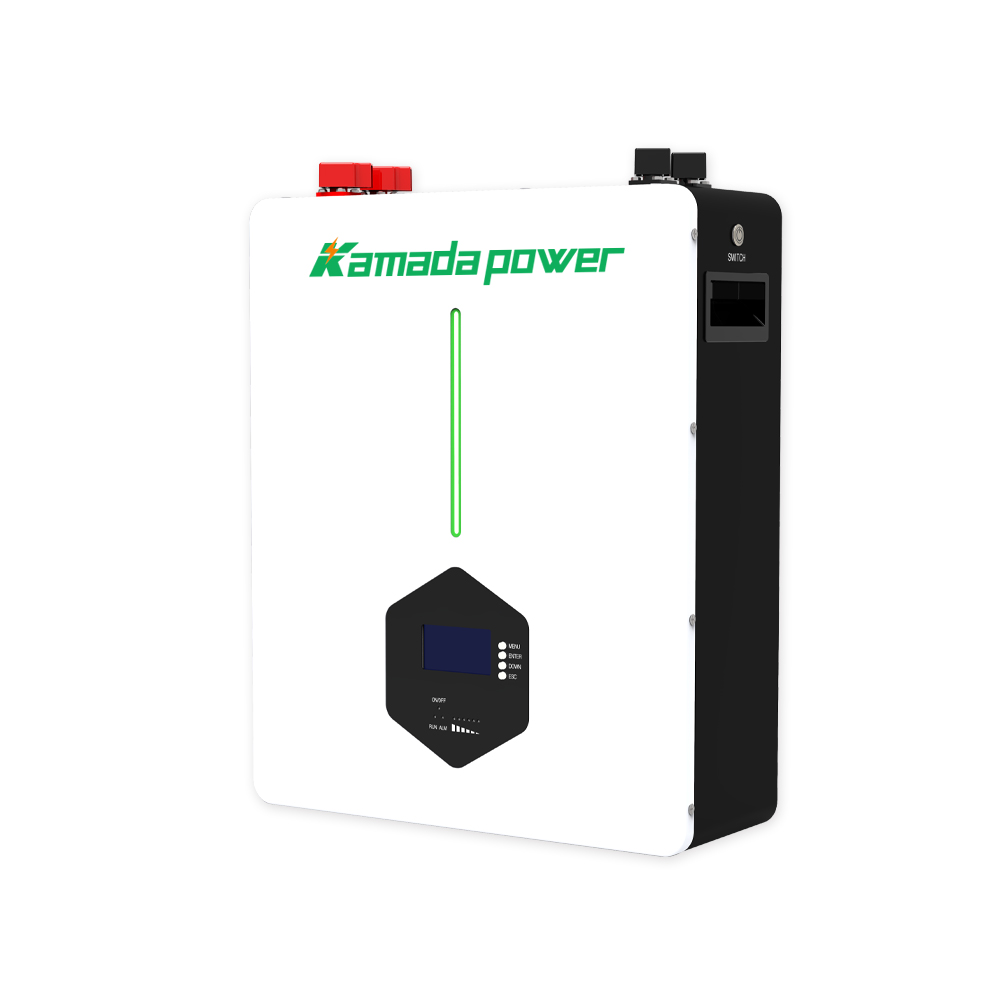
Baterai Rumah Powerwall Kamada Power 10kWh
Langkah 1: Tentukan Sasaran Daya Cadangan Anda (Seluruh Rumah vs Beban Kritis)
Keputusan pertama bukanlah keputusan perangkat keras. Ini adalah keputusan cakupan.
Ada dua pendekatan umum untuk cadangan baterai:
- Pencadangan seluruh rumahdi mana hampir semua beban tetap online selama pemadaman
- Pencadangan beban kritisdi mana hanya sirkuit esensial tertentu yang didukung
Cadangan seluruh rumah terdengar menarik-sampai Anda menilai dengan jujur. AC sentral, memasak listrik, dan pengisian daya listrik tidak "menambah sedikit". Mereka mengubah urutan besarnya. Itulah mengapa sebagian besar rumah, dan banyak situs komersial kecil, berakhir dengan beban kritis strategi.
Mulailah dengan mengidentifikasi apa yang benar-benar tidak dapat ditawar:
- Pendinginan
- Peralatan medis atau laboratorium
- Wi-Fi dan jaringan
- Pencahayaan di area utama
- Pompa bah atau pompa sumur
Pilihan ini menentukan ukuran inverter, kapasitas baterai, konfigurasi panel, dan kerumitan instalasi. Dalam praktiknya, sistem beban kritis yang dirancang dengan baik memberikan ketahanan terbaik per dolar dan jauh lebih mudah dikelola selama pemadaman listrik.
Langkah 2: Cara Melakukan Analisis Beban Energi Rumah
Cara Mengetahui Konsumsi Energi Harian Anda (kWh)
Mulailah dengan sumber kebenaran yang paling sederhana: tagihan listrik Anda. Sebagian besar tagihan mencantumkan penggunaan energi bulanan dalam kilowatt-jam (kWh). Jika Anda memiliki data tahunan, rata-rata cepat terlihat seperti ini:
KWh harian rata-rata = KWh tahunan ÷ 365
Jika Anda juga memiliki data meteran pintar atau sistem pemantauan energi (Sense, Emporia, Schneider Wiser-pilihlah yang Anda sukai), Anda bisa mendapatkan wawasan yang lebih terperinci: puncak per jam, perilaku hari kerja versus akhir pekan, dan pengelompokan beban. Insinyur cenderung menyukai data ini karena data ini menunjukkan apa yang disembunyikan oleh rata-rata.
Satu pengingat penting: total konsumsi rumah tidak sama dengan beban cadangan. Ukuran cadangan adalah tentang apa yang Anda berniat untuk membawa selama pemadaman, tidak semua yang Anda gunakan bulan lalu.
Apa Itu Beban Kritis dan Bagaimana Mengidentifikasinya?
Buat daftar setiap perangkat yang Anda rencanakan untuk didukung selama pemadaman. Untuk setiap perangkat, catatlah:
- Nilai daya (watt)
- Perkiraan waktu kerja harian (jam)
- Apakah itu memiliki arus pengaktifan atau lonjakan yang tinggi
Anda biasanya akan menemukan peringkat daya pada papan nama peralatan, dalam buku petunjuk, atau pada label Panduan Energi. Perbedaan utamanya adalah daya kontinu versus daya lonjakan. Kulkas mungkin menarik 200 watt hampir sepanjang hari, lalu melonjak menjadi 800-1.200 watt untuk sesaat saat kompresor dinyalakan. Lonjakan tersebut sering kali menyebabkan inverter berukuran kecil.
Langkah 3: Hitung Total Kebutuhan Daya dan Energi Anda (kW & kWh)
Hitung-hitungannya sendiri sangat mudah:
Total Energi (kWh) = Σ (Daya Alat dalam kW × Jam Penggunaan)
Contoh:
- Kulkas: 0,2 kW × 24 jam = 4,8 kWh
- Penerangan: 0,1 kW × 6 jam = 0,6 kWh
- Internet + jaringan: 0,05 kW × 24 jam = 1,2 kWh
Total beban kritis harian ≈ 6,6 kWh
Dari sana, tambahkan penyangga. A Margin 15-20% masuk akal. Beban tumpang tindih, orang mengubah kebiasaan selama pemadaman, dan efisiensi tidak pernah menjadi angka yang tetap di dunia nyata.
Mengapa Daya Lonjakan Sangat Penting untuk Ukuran Inverter
Kapasitas baterai (kWh) memberi tahu Anda berapa lama Anda dapat menjalankannya. Daya inverter (kW) memberi tahu Anda apa Anda dapat berlari.
Beban lonjakan tinggi - kompresor HVAC, pompa sumur, lemari es - sering kali menentukan pemilihan inverter. Meskipun kebutuhan energi harian Anda terlihat sederhana, inverter yang lemah masih bisa gagal saat beban motor mencoba untuk dihidupkan. Saat itulah seseorang pasti akan bertanya, "Tapi kami memiliki banyak baterai... mengapa bisa mati?"
Ini adalah salah satu kesalahan pembeli yang paling umum: memperlakukan kWh sebagai keseluruhan cerita dan melupakan bahwa kW dan kemampuan lonjakan adalah penjaga gerbang.
Langkah 4: Berapa Lama Anda Membutuhkan Daya Cadangan? (Hari-hari Otonomi)
Durasi pencadangan harus didasarkan pada kenyataan setempat, bukan optimisme.
Beberapa area mengalami pemadaman singkat dan rutin. Sebagian lainnya-daerah badai pesisir, daerah pemasok pedesaan, zona badai musim dingin-mengalami peristiwa beberapa hari. Di sinilah hari otonomi masuk: berapa lama sistem harus beroperasi tanpa input jaringan.
Target perencanaan yang umum meliputi:
- 4-8 jamgangguan singkat atau hari jaringan yang tidak stabil
- 24 jamsemalam ditambah satu hari operasi penuh
- 2-3 hari: ketahanan cuaca yang serius
Otonomi yang lebih lama biasanya berarti kapasitas baterai yang lebih besar - kecuali jika Anda memasangkan sistem dengan pengisian ulang tenaga surya atau generator. Dari perspektif pengadaan, otonomi juga merupakan persyaratan yang paling mudah membengkakkan biaya, jadi perlu didefinisikan dengan hati-hati.
Apa yang Dimaksud dengan DoD Baterai dan Bagaimana Pengaruhnya terhadap Kapasitas yang Dapat Digunakan?
Anda tidak dapat memperlakukan kapasitas baterai yang terukur seperti tangki bahan bakar yang Anda kuras hingga nol setiap saat.
Kedalaman Pembuangan (DoD) menentukan berapa banyak energi terukur baterai yang dapat digunakan dengan aman:
- Lithium-ion (terutama LiFePO₄): biasanya 80-90% DoD
- Asam timbal: umumnya terbatas pada sekitar 50% DoD
Oleh karena itu, kapasitas yang dapat digunakan:
KWh yang dapat digunakan = Kapasitas Terukur × DoD
Baterai lithium 10 kWh pada 90% DoD menghasilkan sekitar 9 kWh energi yang dapat digunakan.
Bagaimana Efisiensi Sistem Mempengaruhi Perhitungan Akhir Anda
Energi hilang selama pengisian, pengosongan, dan konversi. Inverter, kabel, dan biaya overhead manajemen baterai semuanya berkontribusi.
Asumsi praktis untuk sebagian besar sistem perumahan adalah Kerugian total 10-15%. Jika Anda hanya mengukur berdasarkan angka pada papan nama dan mengabaikan efisiensi, runtime di dunia nyata hampir selalu tidak sesuai dengan harapan.
Menyatukan semuanya:
Kapasitas yang Dibutuhkan (kWh) = (Beban Kritis Harian × Hari Otonomi) ÷ (DoD × Efisiensi Sistem)
Contoh:
- Beban kritis harian: 7 kWh
- Otonomi: 2 hari
- DoD: 90% (0,9)
- Efisiensi: 85% (0,85)
Kapasitas yang dibutuhkan ≈ 18,3 kWh
Hal ini memberi Anda angka yang dapat dipertahankan untuk digunakan dalam percakapan dengan pemasang dan pemasok-didasarkan pada asumsi dan bukan klaim penjualan.
Daftar Periksa Lembar Spesifikasi untuk Pembeli (Apa yang Harus Diperiksa Sebelum Membeli)
Perhitungan Anda memberi tahu berapa banyak energi yang Anda butuhkan. Lembar data memberi tahu Anda apakah sistem yang sebenarnya dapat memberikannya.
Saat meninjau spesifikasi baterai dan inverter, konfirmasikan semua berikut ini-bukan hanya angka kWh utama:
- Kapasitas yang dapat digunakan (kWh) pada DoD yang dinyatakan Konfirmasikan berapa banyak energi yang tersedia pada Kedalaman Pelepasan yang ditentukan oleh produsen, dan dalam kondisi pengoperasian seperti apa.
- Daya kontinu (kW) + daya puncak/lonjakan (kW) + durasi lonjakan Daya kontinu menentukan apa yang dapat berjalan dengan stabil. Daya lonjakan dan durasi menentukan apakah motor dan kompresor akan menyala dengan andal.
- Daya pengisian daya maksimum dan waktu pengisian ulang (kW) Hal ini menentukan seberapa cepat baterai dapat diisi ulang dari tenaga surya atau generator-kritis untuk pemadaman listrik selama beberapa hari.
- Asumsi efisiensi perjalanan pulang pergi Verifikasi apakah angka efisiensi adalah DC-ke-DC atau AC-ke-AC, dan apakah kerugian inverter disertakan.
- Kisaran penurunan suhu Output dan kapasitas yang dapat digunakan berubah dengan suhu. Memeriksa performa di luar kondisi lab.
- Ketentuan garansi: tahun, siklus atau keluaran, dan pengecualian Lihatlah di luar masa garansi utama untuk memahami batas siklus, batas keluaran energi, dan kendala pengoperasian.
- Persyaratan servis dan pemeliharaan Memperjelas pemantauan, dukungan firmware, prosedur penggantian, dan ekspektasi layanan di tempat.
Daftar periksa ini membantu memastikan sistem yang Anda beli dapat memberikan kinerja yang Anda perhitungkan-di lapangan, bukan hanya di atas kertas.
Faktor Ukuran Tingkat Lanjut: Tenaga Surya, Iklim, dan Bukti Masa Depan
Ukuran untuk Integrasi Panel Surya
Jika tenaga surya merupakan bagian dari rencana, ukuran baterai harus memperhitungkan potensi pengisian ulang harian-dan hal ini bervariasi menurut musim.
Produksi musim dingin di Eropa utara atau Midwest AS dapat secara dramatis lebih rendah daripada produksi musim panas. Untuk desain yang berfokus pada cadangan, ukuran untuk kinerja musim terburukbukan rata-rata tahunan. Jika tidak, sistem ini terlihat bagus di atas kertas dan mengecewakan ketika kondisi paling sulit.
Strategi Pengisian Ulang: Mengapa Kesenjangan Energi Hanya Setengah dari Persoalan
Perhitungan ukuran memberi tahu Anda berapa banyak energi yang Anda butuhkan untuk bertahan dari pemadaman. Ketahanan dunia nyata juga bergantung pada seberapa cepat energi tersebut dapat diganti.
Dalam praktiknya, sistem sering kali gagal bukan karena kekurangan kapasitas, tetapi karena mereka tidak dapat mengisi ulang dengan cukup cepat antara siklus pemadaman.
Pertimbangan utama meliputi:
- Kemampuan pengisian ulang tenaga surya Produksi surya harian harus melebihi beban kritis harian ditambah kerugian, terutama selama periode berawan yang berkepanjangan.
- Pengisian daya dengan bantuan generator Jika menggunakan generator, pastikan bahwa baterai dan inverter mendukung pengisian daya dengan kecepatan tinggi tanpa tekanan yang berlebihan. Ukuran generator harus sesuai dengan dukungan beban dan kebutuhan pengisian ulang.
- Batas tingkat pengisian daya versus pola pemadaman Baterai besar dengan tingkat pengisian daya yang lambat mungkin memiliki kinerja yang kurang baik dibandingkan dengan sistem yang lebih kecil yang dapat mengisi ulang daya dengan cepat.
Dari sudut pandang teknik, kapasitas menentukan berapa lama Anda bertahan dalam satu kali pemakaian. Strategi pengisian ulang menentukan apakah Anda dapat bertahan selama pemadaman berulang.
Bagaimana Iklim dan Suhu Mempengaruhi Ukuran Baterai
Dingin mengurangi output yang tersedia; panas mempercepat penuaan. Dalam iklim yang ekstrem, ukuran yang terlalu besar dan perencanaan termal yang cermat sering kali meningkatkan kinerja dan masa pakai.
Lokasi pemasangan juga penting. Lingkungan dalam ruangan dengan suhu yang stabil umumnya mengungguli pemasangan di luar ruangan dari waktu ke waktu.
Merencanakan Pertumbuhan di Masa Depan (Mobil Listrik, Penambahan Rumah)
Beban jarang sekali tetap datar. Pengisian daya listrik, pompa panas, dan tren elektrifikasi yang lebih luas mendorong permintaan ke atas.
Sistem baterai modular memungkinkan kapasitas untuk diperluas di kemudian hari, yang sering kali lebih ekonomis daripada memperbesar kapasitas pada hari pertama.
Kesalahan Ukuran Umum yang Harus Dihindari
- Meremehkan pola penggunaan yang sebenarnya
- Mengabaikan kerugian DoD dan efisiensi
- Berfokus hanya pada kWh sambil mengabaikan kW dan lonjakan
- Melupakan pertumbuhan beban di masa depan
Ini bukanlah kasus-kasus yang bersifat edge-ini adalah alasan paling umum mengapa sistem cadangan gagal memenuhi ekspektasi.
Kalkulator Ukuran DIY vs Menyewa Pemasang Profesional
Kalkulator online berguna untuk perkiraan awal dan perencanaan awal.
Ketika beban menjadi kompleks - atau lokasi memiliki konsekuensi tinggi seperti peralatan medis, infrastruktur kerja jarak jauh, atau pendinginan yang kritis - audit profesional biasanya sepadan. Pengalaman lapangan sangat penting, karena sistem tidak gagal dalam spreadsheet; sistem akan gagal saat terjadi pemadaman yang berantakan dan nyata.
Studi Kasus: Mengukur Sistem Baterai untuk Rumah seluas 2.500 kaki persegi
Dalam proyek terbaru, sebuah rumah seluas 2.500 kaki persegi dengan kantor rumah dan peralatan medis menjadi prioritas:
- Pendinginan
- Pencahayaan
- Jaringan
- Satu zona HVAC
Beban kritis harian: ~8 kWh Target otonomi: 2 hari
Setelah memperhitungkan DoD dan efisiensi, rekomendasi akhir yang dihasilkan adalah 20 kWhdipasangkan dengan inverter yang mampu menangani lonjakan startup HVAC. Dibandingkan dengan pendekatan seluruh rumah, ini mengurangi biaya sistem hingga lebih dari 30% sekaligus memenuhi semua tujuan ketahanan.
Kesimpulan
Ukuran baterai yang benar memprioritaskan beban dunia nyata dan fleksibilitas di masa depan daripada maksimum lembar spesifikasi untuk memastikan waktu kerja dan nilai yang optimal. Sebelum membeli perangkat keras, bagikan daftar beban Anda kepada kami-kami akan memeriksa kewarasan asumsi Anda untuk mencegah kejutan yang mahal. Hubungi kami untuk solusi baterai rumah yang disesuaikan.
PERTANYAAN YANG SERING DIAJUKAN
Berapa kWh yang dibutuhkan untuk AC sentral?
Sistem AC sentral sering kali membutuhkan 3-5 kW saat berjalan, dengan lonjakan penyalaan yang lebih tinggi. Sebagian besar desain cadangan membatasi waktu kerja atau mendukung satu zona untuk menjaga ukuran baterai tetap wajar.
Dapatkah saya memperluas sistem baterai saya nanti?
Ya. Banyak sistem modern yang bersifat modular, sehingga memungkinkan penambahan kapasitas seiring dengan pertumbuhan permintaan.
kW vs. kWh: apa perbedaannya untuk baterai?
kW mengukur daya sesaat. kWh mengukur total energi dari waktu ke waktu. Pencadangan yang andal membutuhkan ukuran keduanya dengan benar.
Berapa lama sistem baterai rumah biasanya bertahan?
Sistem berbasis litium umumnya memberikan masa pakai 10-15 tahun atau beberapa ribu siklus, tergantung pada kondisi pengoperasian.
Apakah panel beban kritis diperlukan untuk cadangan baterai?
Dalam banyak kasus, ya. Panel beban kritis khusus memastikan sirkuit penting tetap didukung tanpa menguras baterai pada beban non-kritis.