Apakah Pengisi Daya Baterai Timbal-Asam untuk Kereta Golf Dapat Mengisi Daya Paket Baterai Sodium-ion? Pengisi daya baterai timbal-asam untuk kereta golf sebaiknya tidak dianggap kompatibel dengan baterai natrium-ion Jangan memilih baterai hanya karena ukurannya pas atau mulai mengisi daya. Masalah sebenarnya adalah apakah tegangan, profil pengisian, mekanisme penghentian pengisian, kompensasi suhu, proses bangun BMS, dan perilaku pemulihannya sesuai dengan baterai tersebut.
Gunakan pengisi daya timbal-asam hanya jika dapat diprogram atau diverifikasi agar memenuhi persyaratan paket baterai natrium-ion dan BMS secara tepat. Jika tidak, hal ini dapat menyebabkan gangguan pengisian daya, pemulihan daya yang buruk, atau masalah dalam layanan purna jual.
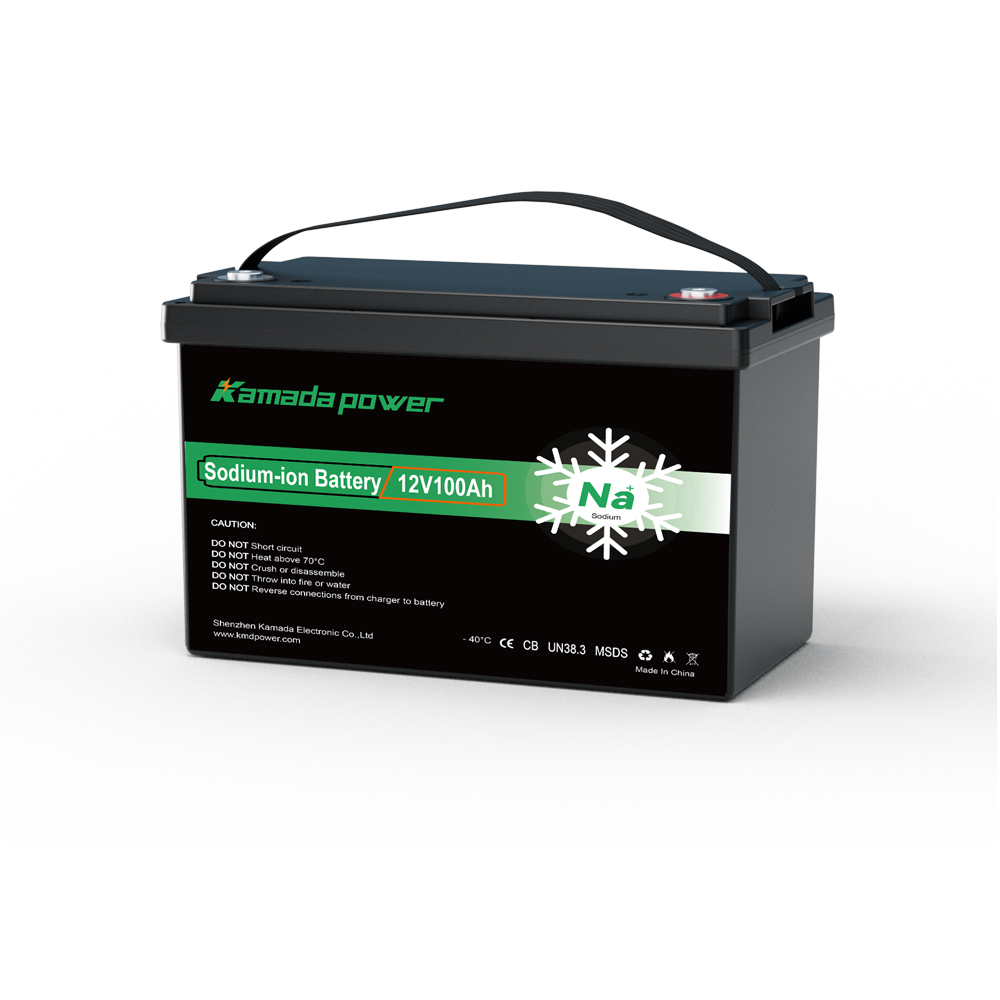
Baterai Sodium ion Kamada Power 12v 100Ah
Koneksi fisik tidak berarti kompatibilitas pengisian daya
Steker pengisi daya bisa terpasang pada kereta dorong. Pengisi daya mungkin menyala. Tegangan baterai mungkin naik. Semua itu tidak membuktikan adanya kompatibilitas.
Pengisi daya baterai timbal-asam dirancang sesuai dengan karakteristik baterai timbal-asam. Pengisian daya baterai timbal-asam konvensional umumnya mencakup tahap pengisian awal (bulk), penyerapan (absorption), atau pengisian tambahan (topping), serta tahap pemeliharaan (float) untuk mengisi daya baterai dan mengimbangi pelepasan daya secara alami. Sistem baterai timbal-asam basah juga dapat menggunakan tahap penyetaraan (equalization), yaitu tahap pengisian berlebih yang terkendali yang hanya digunakan untuk baterai basah.
Paket baterai natrium-ion berbeda. Paket baterai yang sudah jadi memerlukan tegangan pengisian, batas arus, aturan suhu, perilaku penghentian pengisian, dan metode pemulihan yang ditentukan oleh konfigurasi sel dan BMS-nya. Rentang tegangan baterai natrium-ion bervariasi tergantung pada komposisi kimia dan desainnya, sehingga batas pengisian pada tingkat paket yang tepat harus ditentukan oleh produsen baterai, bukan berdasarkan kebiasaan yang berlaku pada baterai timbal-asam.
Masalahnya bukanlah apakah pengisi daya tersebut mampu menghasilkan daya. Masalahnya adalah apakah pengisi daya tersebut dapat berhenti, membatasi, dan memulihkan daya sesuai dengan yang dibutuhkan oleh baterai natrium-ion.
Risiko Utama Adalah Pola Pengisian Daya
Pengisi daya baterai timbal-asam tidak otomatis berbahaya hanya karena bertuliskan “timbal-asam”. Masalahnya terletak pada profil pengisian yang digunakannya.
Beberapa pengisi daya menggunakan tahap tegangan tetap. Beberapa dilengkapi dengan mode pemeliharaan (float). Beberapa menggunakan kompensasi suhu. Beberapa dilengkapi dengan penyeimbangan otomatis. Beberapa mengharuskan baterai berada dalam rentang tegangan tertentu sebelum mulai mengisi daya. Beberapa terintegrasi ke dalam sistem pengisian daya asli kereta dan tidak mudah diprogram ulang.
Perilaku-perilaku tersebut mungkin dapat diterima untuk baterai timbal-asam, tetapi tidak cocok untuk paket baterai natrium-ion jika tegangan, waktu, arus, atau logika restart tidak sesuai.
Pengisi daya mungkin berhenti terlalu dini dan menyebabkan baterai tidak terisi penuh. Pengisi daya mungkin mempertahankan tegangan terlalu lama. Pengisi daya mungkin mencoba mode mengambang atau pemeliharaan yang tidak dibutuhkan baterai. Pengisi daya mungkin mencoba melakukan penyetaraan. Pengisi daya mungkin gagal mengaktifkan BMS setelah perlindungan tegangan rendah. Atau, pengisi daya mungkin memicu kesalahan karena baterai natrium-ion tidak berperilaku seperti baterai timbal-asam yang diharapkan.
Paket baterai kereta golf berbasis natrium-ion memerlukan profil pengisi daya yang dirancang khusus untuk paket tersebut, bukan berdasarkan baterai lama.
Penyesuaian Merupakan Tanda Bahaya
Equalization merupakan salah satu tanda peringatan yang paling jelas.
Baterai timbal-asam yang terendam air dapat menggunakan proses penyetaraan sebagai langkah pengisian berlebih yang terkendali untuk mengurangi stratifikasi dan sulfasi. Praktik tersebut tidak boleh diterapkan sembarangan pada paket baterai natrium-ion.
Paket baterai natrium-ion memiliki batas tegangan sel dan paket maksimumnya sendiri. BMS mungkin dapat mencegah tegangan berlebih, tetapi BMS tidak boleh dianggap sebagai cara rutin untuk memperbaiki pengisi daya yang salah. Jika pengisi daya secara berulang-ulang memaksa baterai ke profil tegangan yang tidak dirancang untuk diterima oleh baterai, sistem dapat mengalami perlindungan yang tidak diinginkan, kesalahan pengisi daya, penuaan dini, atau kondisi operasi yang tidak aman, tergantung pada jenis baterai dan pengisi daya yang digunakan.
Untuk konversi kereta golf, setiap pengisi daya baterai timbal-asam yang dilengkapi fitur penyeimbangan otomatis dan tidak dapat dinonaktifkan harus dianggap tidak kompatibel, kecuali jika produsen paket baterai natrium-ion secara eksplisit menyetujui perilaku pengisi daya tersebut.
Pengisian daya saat kendaraan mengapung juga bisa menjadi masalah
Baterai timbal-asam umumnya menggunakan pengisian daya pelambatan untuk menjaga tingkat pengisian daya, karena perilaku pelepasan daya sendiri dan sulfasi pada baterai timbal-asam merupakan bagian dari masalah pemeliharaan.
Paket baterai natrium-ion mungkin tidak memerlukan strategi tegangan mengambang yang sama. Yang lebih penting lagi, tegangan mengambang yang dapat diterima, durasi, dan perilaku saat dinyalakan kembali—jika ada—harus ditentukan oleh pemasok paket baterai natrium-ion.
Mode pelambatan tetap pada baterai timbal-asam dapat menimbulkan dua masalah. Jika tegangannya terlalu rendah, paket baterai mungkin tidak akan pernah mencapai tingkat pengisian yang diinginkan. Jika tegangannya terlalu tinggi atau dipertahankan terlalu lama untuk desain baterai natrium-ion, BMS mungkin akan melakukan intervensi atau paket baterai mungkin mengalami beban berlebih yang tidak perlu.
Pertanyaan yang tepat bukanlah “Apakah pengisi daya memiliki mode float?” Pertanyaan yang lebih tepat adalah: Berapa tepatnya tegangan yang ditahannya, berapa lama, dan bagaimana BMS natrium-ion merespons kondisi tersebut?
Kompensasi Suhu Dapat Menyebabkan Tegangan yang Salah
Banyak sistem pengisian baterai timbal-asam menyesuaikan tegangan sesuai dengan suhu. Hal itu masuk akal untuk baterai timbal-asam, tetapi bisa berisiko jika pengisi daya dihubungkan ke baterai dengan jenis kimia yang berbeda.
Dalam kondisi dingin, beberapa pengisi daya baterai timbal-asam mungkin menaikkan tegangan pengisian melalui kompensasi suhu. Untuk paket baterai natrium-ion, perilaku tersebut tidak boleh dianggap aman. Logika pengisian pada suhu rendah pada paket baterai tersebut mungkin memerlukan pemblokiran pengisian, pengurangan arus, atau pemanasan sebelum pengisian diizinkan, tergantung pada desain akhir baterai.
Hal ini penting bagi kereta golf yang disimpan di luar ruangan, digunakan di daerah beriklim dingin, atau diparkir di garasi tanpa pemanas. Kereta golf tersebut mungkin tetap dapat beroperasi dalam cuaca dingin, lalu diisi dayanya saat baterainya masih dalam kondisi dingin. Kemampuan pengosongan daya pada suhu rendah tidak secara otomatis berarti pengisian daya pada suhu rendah dapat dilakukan tanpa batasan.
Jika pengisi daya menaikkan tegangan karena mengira sedang mengisi baterai timbal-asam, sementara BMS natrium-ion berusaha membatasi pengisian saat suhu rendah, sistem tersebut tidak terkoordinasi.
BMS bukanlah pengganti pengisi daya yang tepat
Sistem Manajemen Baterai (BMS) melindungi paket baterai dari kondisi tegangan, arus, suhu, dan ketidakseimbangan yang berbahaya. Sistem ini tidak dimaksudkan untuk membuat pengisi daya apa pun menjadi layak digunakan.
Jika pengisi daya baterai timbal-asam memiliki profil tegangan yang salah, BMS mungkin akan menghentikan pengisian daya, memutuskan sambungan, memicu kesalahan, atau menolak untuk mengaktifkan baterai. Hal itu memang dapat melindungi baterai, tetapi juga menimbulkan pengalaman pengguna yang buruk. Pemilik melihat kereta dorong yang tidak mau terisi daya. Distributor melihat kasus dukungan. Teknisi harus memutuskan apakah masalahnya terletak pada pengisi daya, baterai, BMS, kabel, atau perilaku pengguna.
Sistem yang dirancang dengan baik seharusnya tidak bergantung pada intervensi berulang dari BMS selama proses pengisian daya normal.
Pengisi daya harus mengikuti batas pengisian baterai natrium-ion terlebih dahulu. BMS harus berfungsi sebagai lapisan perlindungan, bukan pengontrol pengisian harian yang saling bertentangan dengan pengisi daya.
Pengisi Daya Kereta Golf Menghadapi Masalah Lain: Mode Bangun dan Pemulihan
Kereta golf sering kali tidak digunakan. Tingkat muatan baterai (SOC) bisa menjadi rendah. Sistem Manajemen Baterai (BMS) mungkin masuk ke mode tidur atau mode perlindungan. Setelah itu, pengisi daya harus mengenali paket baterai dan memulai kembali proses pengisian daya dengan benar.
Beberapa pengisi daya baterai timbal-asam memerlukan tegangan baterai tertentu sebelum mulai beroperasi. Jika sistem manajemen baterai (BMS) natrium-ion telah memutuskan sambungan keluaran, pengisi daya mungkin tidak mendeteksi baterai atau menolak untuk mulai beroperasi. Paket baterai tersebut mungkin masih dapat diperbaiki, tetapi pengisi daya tidak dapat mengaktifkannya.
Inilah salah satu alasan mengapa pengisi daya yang berfungsi dengan baik setelah dipasang bisa saja mengalami kegagalan di kemudian hari. Pengisian daya pertama dilakukan pada tegangan normal. Masalahnya muncul setelah penyimpanan, pengosongan daya total, perlindungan terhadap suhu rendah, atau mode tidur BMS.
Modifikasi kereta golf juga dapat mencakup komponen kontrol pada kereta itu sendiri, seperti sirkuit pengisi daya terintegrasi, pengunci port pengisian daya, logika sakelar kunci, kontrol relai, atau perlindungan tegangan rendah pada pengontrol. Komponen-komponen ini dapat memengaruhi apakah pengisi daya dapat diaktifkan, apakah kereta mengizinkan proses pengisian daya, atau apakah sistem dapat kembali berfungsi dengan benar setelah sistem perlindungan bekerja.
Bagi operator armada kereta golf dan distributor, kinerja pemulihan baterai sama pentingnya dengan tegangan pengisian. Baterai yang tidak dapat diisi ulang menggunakan pengisi daya milik pelanggan setelah sistem perlindungan aktif akan menjadi masalah layanan, meskipun sel-selnya masih dalam kondisi baik.
Kapan Pengisi Daya Baterai Timah-Asam Dapat Digunakan
Pengisi daya kereta golf tipe timbal-asam hanya boleh dipertimbangkan jika pengisi daya tersebut dapat diprogram atau memiliki profil yang dapat diverifikasi sesuai dengan persyaratan paket baterai natrium-ion.
Pengisi daya harus memiliki tegangan maksimum yang sesuai untuk paket baterai, arus pengisian yang diizinkan, tanpa penyeimbangan paksa, mode pelambatan atau pemeliharaan yang diizinkan oleh pemasok baterai, perilaku suhu yang sesuai, serta perilaku pengaktifan kembali yang kompatibel setelah perlindungan BMS. Jika diperlukan komunikasi antara pengisi daya dan BMS, pengisi daya harus mendukung antarmuka dan protokol yang tepat—bukan hanya konektor yang sesuai.
Tegangan pengisian, arus pemutusan, izin pengisian pada suhu rendah, dan perilaku pemulihan pada paket baterai natrium-ion tidak bersifat universal. Hal-hal tersebut harus mengikuti spesifikasi teknis paket baterai dan batas-batas BMS secara tepat, karena komposisi kimia natrium-ion yang berbeda, konfigurasi seri, dan desain BMS dapat memerlukan rentang tegangan yang berbeda.
Ini bukanlah keputusan yang bisa diambil dengan cara "coba dulu baru lihat hasilnya". Keputusan ini harus disetujui terlebih dahulu sebelum paket tersebut dijual atau dipasang.
Pengisi daya yang saat ini mampu menaikkan tegangan mungkin tetap tidak layak jika tidak dapat pulih, mempertahankan tegangan yang salah, tidak berfungsi dengan baik dalam kondisi dingin, atau menimbulkan masalah teknis beberapa bulan kemudian.
Strategi Produk yang Lebih Baik Adalah Pemilihan Pengisi Daya yang Sesuai
Bagi produsen peralatan asli (OEM) dan distributor, strategi terbaik adalah menjual paket baterai sodium-ion untuk kereta golf bersama pengisi daya yang sesuai atau daftar pengisi daya yang telah disetujui secara jelas.
Hal ini mengurangi tiga masalah umum: pengisian daya yang tidak cukup, perlindungan BMS yang tidak perlu, dan kebingungan pelanggan setelah penyimpanan atau pemutusan arus akibat tegangan rendah. Hal ini juga mempermudah proses diagnosis garansi. Jika baterai dan pengisi daya disetujui sebagai satu sistem, tim dukungan dapat fokus pada pemasangan, perilaku pengontrol kereta, jalur kabel, dan kondisi penggunaan, alih-alih menebak apakah profil pengisi daya merupakan akar masalahnya.
Hal ini sangat penting terutama saat mengganti rangkaian baterai timbal-asam pada kereta listrik bertegangan 36 V, 48 V, atau 72 V. Tegangan sistem yang sama tidak berarti profil pengisiannya juga sama. Pengisi daya harus sesuai dengan rentang tegangan aktual paket baterai natrium-ion dan perilaku BMS-nya.
Spesifikasi baterai belum lengkap sampai jalur pengisian dayanya ditentukan.
Batas Kompatibilitas yang Sebenarnya
Keputusan praktisnya akan lebih mudah jika pengisi daya dinilai berdasarkan kinerjanya, bukan sekadar labelnya.
| Perilaku Pengisi Daya | Mengapa Hal Ini Penting bagi Baterai Sodium-ion | Keputusan Desain |
|---|
| Sistem penyerapan dan pemeliharaan baterai timbal-asam | Mungkin tidak sesuai dengan kebutuhan tegangan atau koneksi baterai natrium-ion | Gunakan hanya jika nilai-nilai yang tepat telah disetujui |
| Penyeimbangan otomatis | Dapat meningkatkan tegangan melebihi batas normal saat pengisian daya | Hindari kecuali jika dinonaktifkan atau disetujui |
| Tegangan yang dikompensasi suhu | Dapat meningkatkan tegangan saat BMS membatasi pengisian daya dalam kondisi dingin | Periksa sesuai dengan logika pengisian pada suhu rendah |
| Persyaratan pengoperasian awal tegangan rendah | Mungkin tidak berhasil mengaktifkan baterai yang dilindungi BMS | Pastikan pemulihan setelah mode tidur atau perlindungan tegangan rendah |
| Profil pengisian daya yang dapat diprogram | Berpotensi memenuhi kebutuhan natrium-ion | Atur tegangan, arus, pengakhiran, dan perilaku restart sesuai batas yang ditetapkan oleh penyedia |
| Komunikasi antara pengisi daya dan BMS | Diperlukan dalam beberapa sistem cerdas untuk izin pengisian daya dan penanganan kesalahan | Sesuaikan antarmuka, protokol, dan otoritas pengendali |
| Kereta OBC atau penguncian pengisian daya | Dapat menghalangi proses pengisian daya atau memengaruhi perilaku bangun | Periksa logika kontrol pada sisi keranjang saat pengisian daya |
Sebelum menggunakan pengisi daya baterai timbal-asam, pastikan hal-hal berikut ini:
| Sebelum Disetujui | Apa yang Harus Dikonfirmasi |
|---|
| Tegangan keluaran maksimum | Harus sesuai dengan batas kapasitas baterai natrium-ion |
| Arus pengisian | Harus tetap berada dalam batas arus pengisian yang ditentukan |
| Pemerataan | Dinonaktifkan atau disetujui secara eksplisit |
| Mode mengambang | Tegangan dan durasi yang disetujui oleh pemasok baterai |
| Kompensasi suhu | Dinonaktifkan atau terbukti kompatibel |
| Pengoperasian dengan tegangan rendah | Dapat membangkitkan atau memulihkan paket yang dilindungi |
| Penghentian pengisian daya | Paket pertandingan dan logika pengisian daya BMS |
| Sistem di sisi gerobak | Tidak ada konflik antara OBC, interlock, relai, atau pengontrol |
Ini bukanlah daftar periksa biasa. Daftar ini menjelaskan mengapa kompatibilitas pengisi daya bergantung pada cara penggunaannya, bukan pada bentuk konektornya.
Pengisi Daya Timah-Asam Standar Hanya Berfungsi dalam Kondisi Tertentu
Pengisi daya timbal-asam standar mungkin dapat diterima hanya jika pemasok paket baterai natrium-ion telah memverifikasi profilnya dan sistem beroperasi dalam batas yang sederhana. Artinya, arus pengisian yang moderat, tegangan yang tepat, tidak ada mode pemeliharaan yang merugikan, tidak ada penyetaraan paksa, perilaku suhu yang dapat diterima, serta fungsi bangun BMS yang andal.
Itu adalah syarat yang ketat.
Pengisi daya khusus atau yang dapat diprogram menjadi lebih aman jika kereta dorong digunakan dalam armada, disimpan dalam jangka waktu lama, diisi dayanya dalam kondisi dingin, diharapkan dapat pulih secara otomatis, atau dijual melalui jaringan distribusi yang mengharuskan adanya layanan dukungan pelanggan yang konsisten.
Masalahnya bukanlah bahwa setiap pengisi daya timbal-asam akan langsung merusak setiap baterai natrium-ion. Masalahnya adalah pengisi daya yang belum terverifikasi dapat menyebabkan perilaku sistem yang tidak dapat diprediksi. Hal itu tidak dapat diterima untuk produk yang dimaksudkan untuk dijual, dipasang, dan didukung secara massal.
Periksa Proses Pengisian Daya yang Biasanya Gagal
Paket baterai kereta golf berbasis natrium-ion tidak boleh disetujui hanya karena berhasil diisi daya sekali dalam pengujian laboratorium.
Pengujian yang berguna adalah situasi pengisian daya yang memicu keluhan nyata di lapangan: setelah pengosongan baterai yang mendalam, setelah sistem manajemen baterai (BMS) mengaktifkan perlindungan tegangan rendah, setelah penyimpanan musim dingin, setelah penggunaan dalam cuaca dingin, setelah terjadi gangguan pada pengisi daya, dan setelah kendaraan listrik tidak digunakan selama berminggu-minggu.
Hasil yang memuaskan berarti pengisi daya dapat dihidupkan dengan benar, mengisi daya dalam rentang tegangan dan arus yang diizinkan untuk baterai, tidak memicu perlindungan BMS yang tidak diinginkan, menghentikan atau melanjutkan pengisian daya sesuai dengan strategi yang disetujui, serta mampu memulihkan baterai setelah sistem perlindungan aktif.
Validasi tersebut harus mencakup kereta golf itu sendiri, port pengisian daya, pengisi daya, paket baterai, pengaturan BMS, jalur kabel, serta semua logika kontrol onboard. Itulah yang membuat pengisi daya tersebut dapat digunakan dalam operasi kereta golf yang sesungguhnya.
Kesimpulan
Pengisi daya timbal-asam untuk kereta golf tidak boleh digunakan dengan sebuah paket baterai natrium-ion hanya karena colokan dan tegangannya cocok. Pertama, periksa profil pengisian daya, tegangan, arus, mode mengambang, penyeimbangan, kompensasi suhu, aktivasi BMS, logika di sisi kereta, dan perilaku pemulihannya.
Bagi produsen peralatan asli (OEM) dan distributor, pengisi daya natrium-ion yang sesuai atau pengisi daya yang dapat diprogram dan telah disetujui biasanya lebih aman. Jika Anda memodifikasi kereta golf, hubungi kami bersama dengan tegangan baterai, model pengisi daya, konfigurasi baterai, dan persyaratan pengisian daya Anda.