Alors que le Brésil aborde l'année 2025 avec des tarifs d'électricité en hausse, une instabilité croissante du réseau dans les régions rurales et une adoption record de l'énergie solaire distribuée, les installateurs et distributeurs professionnels sont confrontés à un nouveau défi : aider les clients à choisir la bonne capacité de batterie pour les particuliers et les PME.
Pour les acheteurs B2B - intégrateurs, sociétés EPC, distributeurs solaires et grossistes en solutions énergétiques - stocker la mauvaise capacité signifie.. :
- rotation lente
- coûts d'entreposage plus élevés
- mauvaise adéquation avec les scénarios d'installation brésiliens réels
- perte de compétitivité dans les appels d'offres
Ce guide fournit une cadre de sélection des capacités professionnelles, spécialisé et axé sur le Brésil, en comparant Batterie de 5 kWh, Batterie de 10 kWhet Batterie de 20 kWh solutions de stockage pour la maison et les petites entreprises.
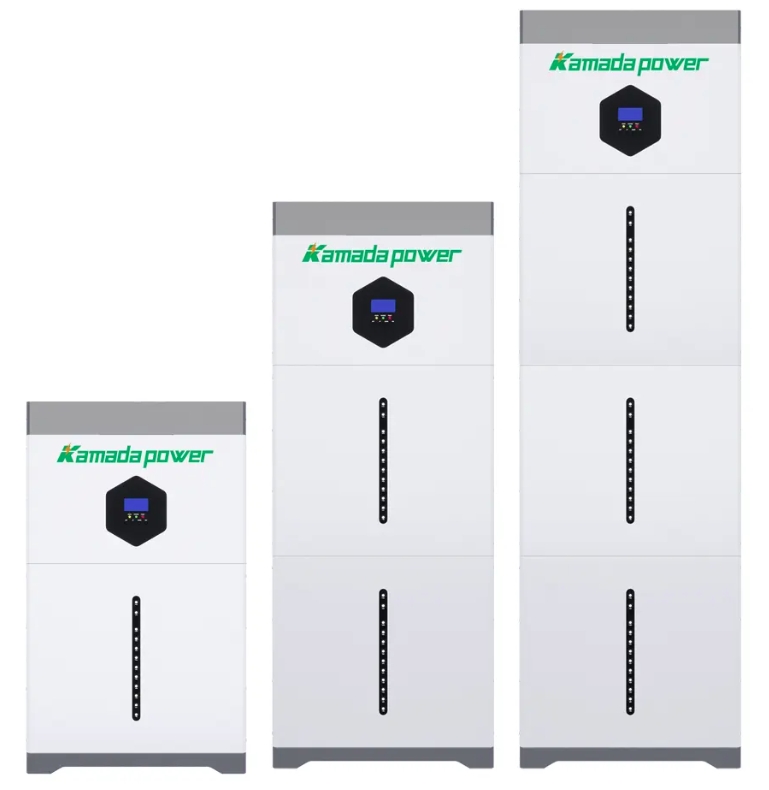
Kamada Power 10kWh Batterie et onduleur tout-en-un
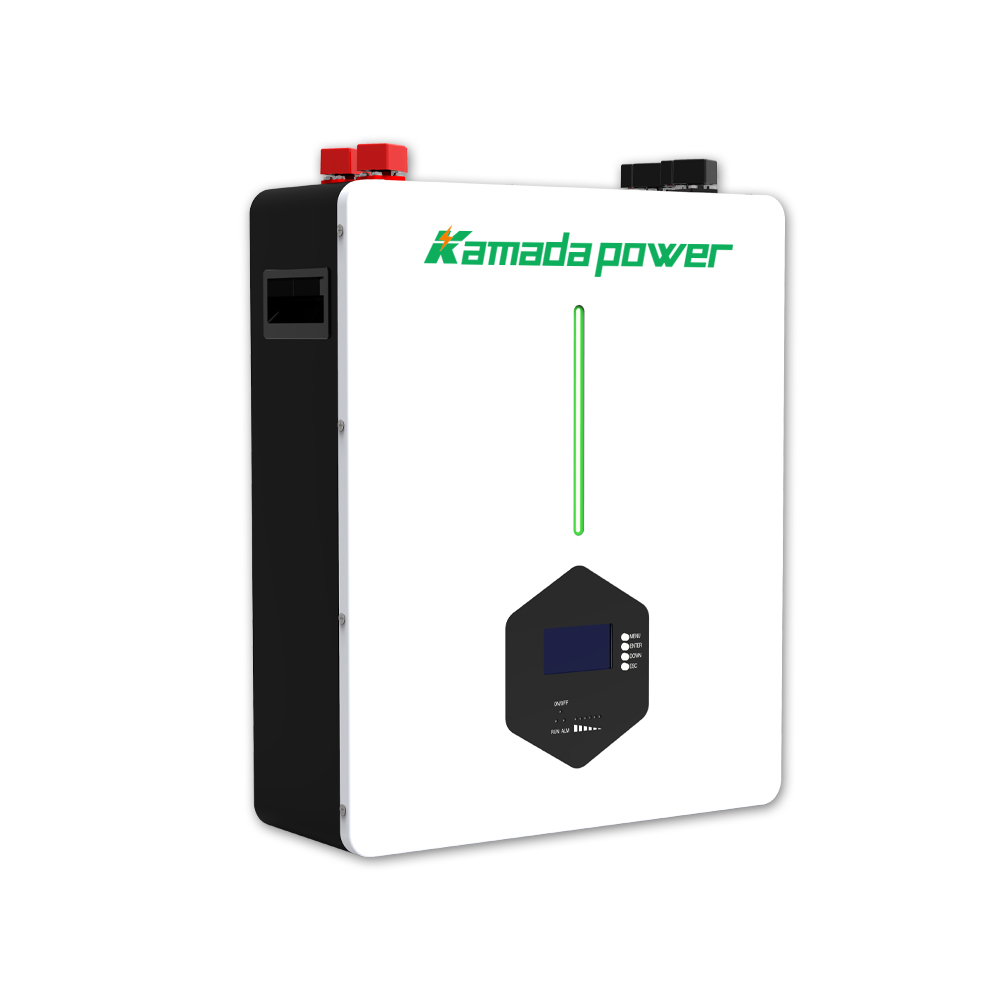
Kamada Power 10kWh Batterie Powerwall Home Battery
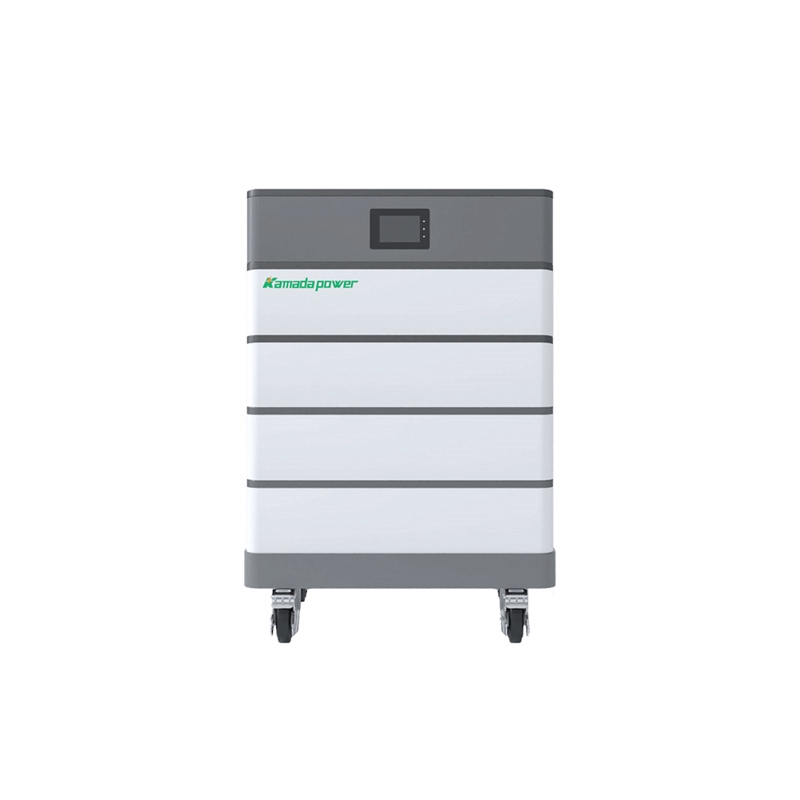
Kamada Power 51.2V 400Ah All In One 20kwh 10kwh 25kwh Battery
Pourquoi la sélection de la capacité des batteries est-elle importante au Brésil ?
Le réseau et le paysage solaire du Brésil
- L'ANEEL a annoncé de nouveaux réajustements tarifaires en 2025Les batteries d'écrêtement des pointes suscitent un vif intérêt, en particulier à São Paulo, Minas Gerais et Bahia.
- Le taux d'adoption de Tarifa Branca augmentece qui rend l'arbitrage en fonction du temps d'utilisation rentable.
- La production décentralisée dépasse les 28 GWcréant ainsi un marché d'installateurs mature mais compétitif.
- La durée des coupures d'électricité dans les zones rurales reste élevéesurtout dans la région nord/nord-est.
- Tendance au remplacement des générateurs diesel s'accélère en raison de l'instabilité du coût des carburants.
En raison de ces facteurs, les distributeurs abandonnent les piles au lithium génériques au profit de produits plus spécifiques :
- 5 kWh pour les petites maisons et les installations sensibles au prix
- 10 kWh : la capacité la plus courante et la plus vendue
- 20 kWh pour les fermes, les magasins, les résidences à forte charge et les pannes de longue durée
Qui devrait lire ce guide ?
(1) Distributeurs solaires
Besoin de portefeuilles de produits bien assortis qui se déplacent rapidement dans les stocks.
(2) EPC et installateurs solaires
Besoin de recommandations en matière de capacité liées aux profils de charge et aux modèles d'interruption brésiliens.
(3) Intégrateurs d'énergie
Besoin de solutions ESS fiables et évolutives pour les systèmes hybrides solaire + batterie.
(4) Entrepreneurs d'électrification rurale
Besoin de solutions de secours à long terme pour remplacer le diesel.
(5) Petits fournisseurs de solutions commerciales
Besoin de batteries dimensionnées pour les systèmes POS, les caméras, les réfrigérateurs, les pompes et les équipements 220V.
Comparaison des capacités : 5 kWh vs 10 kWh vs 20 kWh
Vous trouverez ci-dessous un tableau comparatif technique professionnel adaptés aux charges brésiliennes courantes.
Tableau 1 : Comparaison de la capacité et de la durée de fonctionnement pour des charges brésiliennes typiques (marché mixte 127/220V)
| Taille de la batterie | Idéal pour | Exemples de charges | Durée de fonctionnement approximative en cas de panne* |
|---|
| 5 kWh | Petits appartements, charges essentielles | WiFi, éclairage, routeur, chargeurs de téléphone, petit réfrigérateur | 3-6 heures |
| 10 kWh | Maisons standard, installations solaires hybrides | Réfrigérateur, congélateur, TV, éclairage, ventilateurs, petite climatisation | 8-14 heures |
| 20 kWh | Fermes, commerces, maisons rurales | Pompe à eau, grand réfrigérateur, congélateur, système de sécurité, split AC, POS | 18-30 heures |
*Le temps de fonctionnement varie en fonction du profil de charge, de l'efficacité de l'onduleur et de la profondeur de décharge.
Cadre de sélection basé sur des scénarios
Résidences urbaines (São Paulo / Rio / Belo Horizonte)
Points douloureux typiques :
- Tarifs de pointe de Tarifa Branca
- Désir de réduire la consommation du réseau le soir
- Interruptions de courte durée (1-4 heures)
Recommandé 10 kWh → Meilleure vente pour les installateurs urbains
Pourquoi ?
- Permet l'écrêtement complet des pointes du soir
- Couvre les pannes de courte durée
- Convient au 90% des profils de charge urbains
La valeur de 5 kWh est acceptable pour les clients à petit budget, mais la fréquence de remplacement est élevée dans les devis des installateurs.
Maisons rurales (Minas Gerais / Bahia / Goiás / Amazonas)
Points douloureux :
- Coupures de 6 à 12 heures
- Faible fiabilité du réseau
- Pompes à eau nécessitant un courant de démarrage élevé de 220 V
Capacité recommandée : 20 kWh
Pourquoi ?
- Capacité de surtension plus élevée
- Autonomie plus longue
- Supporte la pompe + le congélateur + l'éclairage en continu
10 kWh n'est viable qu'avec une gestion de la charge.
Petites entreprises (restaurants, marchés, salons de coiffure, pharmacies)
Points douloureux :
- Une panne entraîne la perte de produits congelés
- Les TPV et les caméras ne peuvent pas être hors ligne
- La plupart dépendent de générateurs diesel coûteux et bruyants.
Recommandé : 20 kWh (magasin principal) ou 10 kWh (magasin de taille moyenne)
20 kWh soutient :
- Congélateurs
- Réfrigération
- Lumières
- POS
- Surveillance
5 kWh est insuffisant pour répondre à la plupart des besoins commerciaux.
Petites exploitations agricoles et agro-industries (Pompes + Réfrigération)
Points douloureux :
- Moteurs de pompe à forte charge
- Interruptions de longue durée
- Coût élevé du diesel pour l'irrigation
Recommandé : système hybride de 20 kWh
Soutient :
- Pompes de 1 à 2 CV
- Entrepôt frigorifique 220V
- Eclairage
- Caméras
Calcul du retour sur investissement pour le Brésil
Vous trouverez ci-dessous un exemple de retour sur investissement de type scénario réel, couramment utilisé par les distributeurs brésiliens lorsqu'ils s'adressent à leurs clients.
Hypothèses pour le mode ROI
- Pic de Tarifa Branca : R$ 1,35/kWh
- Heures creuses : R$ 0,48/kWh
- Coût du cycle de la batterie : ~0,38-0,50 R$/kWh (chimie LFP)
- Compensation de la production solaire incluse
Exemple de charge domestique : 10 kWh/jour en période de pointe
Économies réalisées grâce à l'écrêtement des pointes par jour : 10 kWh × (1,35 - 0,48) = R$ 8,7/jour
Economies mensuelles : R$ 261
Économies annuelles : R$ 3 132
Coût typique d'une ESS de 10 kWh pour le distributeur : R$ 17,000-R$ 22,000 La vengeance : ~5,5-6,5 ans
Quelles capacités les distributeurs brésiliens devraient-ils stocker en 2025 ?
Meilleure vente (chiffre d'affaires élevé) : 10 kWh
- Correspond à 60-70% des charges résidentielles brésiliennes
- Convient à la plupart des kits d'onduleurs hybrides
- Excellent retour sur investissement à Tarifa Branca
Produit à marge élevée : 20 kWh
- Demande croissante dans les secteurs ruraux et des PME
- Le marché des moteurs diesel de remplacement est en expansion
- Forte rentabilité pour les distributeurs
Produit d'entrée de gamme : 5 kWh
- Option budgétaire
- Uniquement pour la sauvegarde des charges essentielles
- Faible marge, mais bon pour les entonnoirs d'acquisition de clients
100% solutions ESS clés en main
- 5 kWh / 10 kWh / 20 kWh
- Batteries en rack, montage mural et systèmes hybrides tout-en-un
Conçu pour la réalité du réseau brésilien
- Compatibilité 127V / 220V
- Support de surtension pour les pompes et les compresseurs
- Conception anticorrosion pour l'humidité côtière
Convivialité pour les distributeurs
- Marquage OEM
- Manuels de démarrage rapide en portugais
- Approvisionnement stable pour les grands volumes
Assistance technique aux installateurs
- Aide au dimensionnement
- Conseils pour la mise en service à distance
- Matériel de formation pour les installateurs
Conclusion
En 2025 au Brésil, le choix d'une batterie de 5 kWh, 10 kWh ou 20 kWh est plus qu'un choix technique : il affecte la réussite de l'appel d'offres, la rotation des stocks et la valeur offerte aux installateurs. Le 5 kWh convient aux charges essentielles, le 10 kWh est la capacité résidentielle la plus vendue au Brésil, et le 20 kWh convient aux fermes, aux magasins et aux zones à longues coupures. Les distributeurs brésiliens et les EPC peuvent accéder aux batteries domestiques de 10 kWh, aux systèmes de 5 kWh et 20 kWh, aux onduleurs hybrides tout-en-un et aux solutions de montage en rack optimisées pour les conditions du réseau local. Contactez nous pour constituer votre gamme d'ESS prête pour le Brésil et renforcer votre compétitivité sur le marché.