Televiestinnän lyijyakkujen korvaaminen natrium-ioniakut Kyse ei ole pelkästään 48 V:n akun vaihdosta. Kyse on tasavirtaverkon yhteensopivuudesta.
Natrium-ioniakku saattaa mahtua kaappiin, mutta nykyinen tasasuuntaajasi saattaa silti toimia lyijyakun latauslogiikan mukaisesti. Laitteistosi saattaa läpäistä käynnistystestin, mutta epäonnistua todellisen sähkökatkon, uudelleenlatauksen, hälytysten käsittelyn tai etäpalautuksen aikana.
Keskeinen kysymys on: Pystyykö tasasuuntaajasi lataamaan, suojaamaan, valvomaan ja palauttamaan akustoa sen vahvistettujen akusto- ja BMS-rajojen puitteissa? Kaikki asetukset on tarkistettava akun tuotetietolehden, BMS-käyttöohjeen, takuuehtojen ja ohjaimen rajoitusten perusteella.
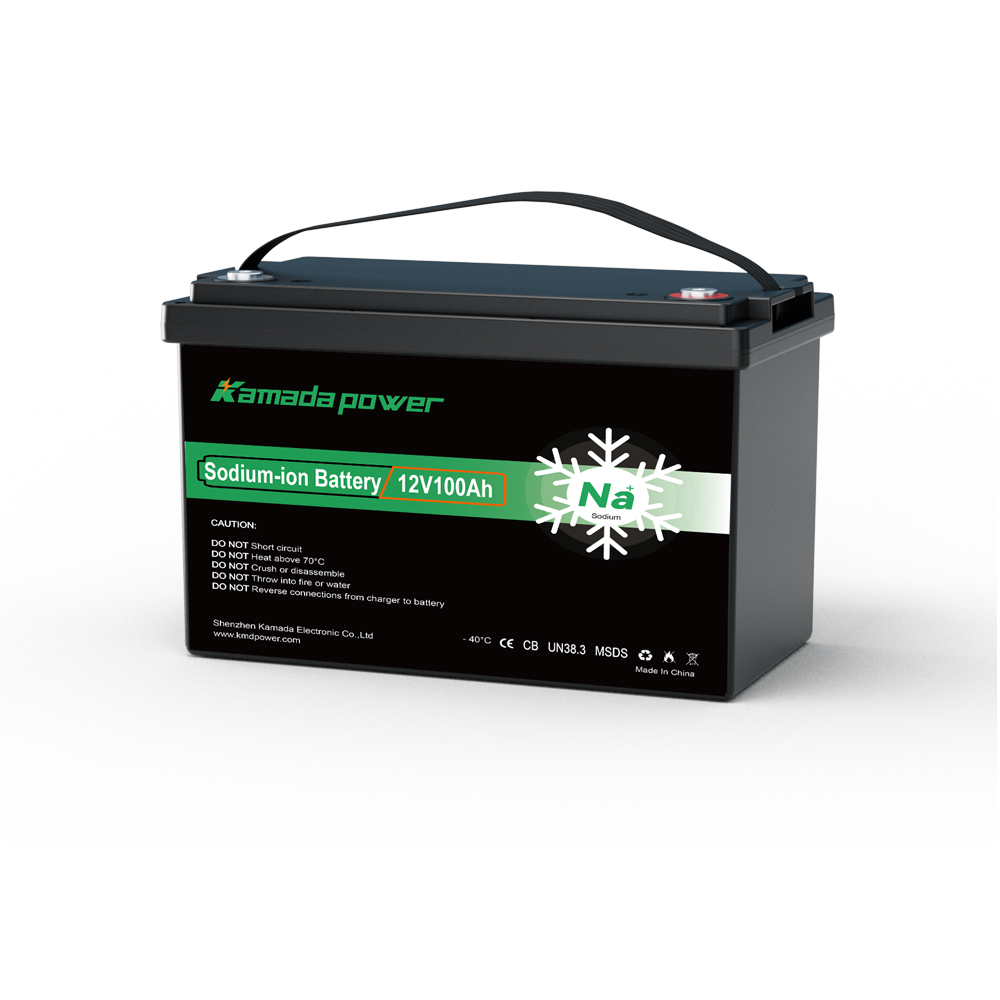
Kamada Power 12v 100Ah natriumioniakku
Tasasuuntaajan yhteensopivuus ei ole sama asia kuin 48 V:n yhteensopivuus
Useimmissa televiestinnän varajärjestelmissä käytetään tasasuuntaajia tasavirtaisen kuormituksen syöttämiseen samalla kun akustoa ylläpidetään. A natrium-ioniakku Paketti voi kuulua samaan nimellisjännitealustaan, mutta nimellisjännite yksinään ei riitä osoittamaan tasasuuntaajan yhteensopivuutta.
Jos kysyt: ”Voiko teidän 48 V:n natriumioniakku korvata minun 48 V:n lyijyakustojani?”, se on vasta lähtökohta. Parempi kysymys on: ”Pystyvätkö nykyinen tasasuuntaajani ja akkukontrollerini hallitsemaan tätä akkua oikein?”
Tasasuuntaajasi valvoo akkua jännitteen, virran, hälytysten, lämpötilatietojen, kuivakoskettimien ja toisinaan CAN- tai RS485-tietojen avulla. Jos nämä signaalit on edelleen määritetty VRLA- tai nestemäisille lyijyakkuille, järjestelmä saattaa näyttää normaalilta käyttöönoton aikana, mutta se voi pettää latauksen, hälytysten käsittelyn tai etäpalautuksen aikana.
48 V:n tyyppimerkintä mahdollistaa akun asennuksen kaappiin. Tasasuuntaajan asetukset ratkaisevat, toimiiko akku siellä ilman turhia hälytyksiä, alilatausta, suojakytkimien laukeamista tai huoltokäyntejä.
Lyijyakun ylläpito- ja tehostuslogiikkaa ei voi kopioida sokeasti
Lyijyakkuiset varajärjestelmät perustuvat usein ylläpitolataukseen, tehostetun lataukseen, tasauslataustiloihin, lämpötilakompensointiin sekä VRLA- tai nestelyijyakkujen käyttäytymistä varten valittuihin LVD-asetuksiin. Näitä asetuksia ei tule kopioida natriumioniakkujen korvaamisprojektiin ilman tarkempaa tarkastelua.
Natrium-ioniakulla on oma latausjännitealue, virranrajoitus, suojausraja, matalan lämpötilan lataussääntö, tasapainotuslogiikka sekä BMS:n palautuskäyttäytyminen. Jos ylläpitojännite on liian korkea, BMS voi estää latauksen tai laukaista hälytyksiä. Jos se on liian matala, akusto ei välttämättä saavuta tavoiteltua valmiustilan SOC-tasoa. Jos tehostus- tai tasauslatausta jatketaan ilman hyväksyntää, järjestelmä voi ajaa akun suojausrajojen lähelle.
Monissa projekteissa voidaan edelleen käyttää nykyistä tasavirtajärjestelmää, jos ohjainta voidaan säätää ja paikan päällä tehtäviä asetuksia voidaan muuttaa. Ennen tarjouksen antamista toimittakaa yhteensopivuuden arvioimiseksi tarvittavat tiedot:
| Tarvittavat tiedot | Miksi sillä on merkitystä |
|---|
| Tasasuuntaaja-/ohjainmalli | Vahvistaa jännitealueen, virranrajoituksen, LVD:n, hälytykset ja tiedonsiirron |
| Nykyiset float-, boost- ja equalize-asetukset | Ilmaisee, onko lyijyakun latauslogiikkaa muutettava |
| LVD-kynnysarvot | Estää järjestelmän ennenaikaisen katkeamisen tai BMS:n hätäpysäytyksen |
| Sivuston kuormitus ja varmuuskopiointituntien tavoite | Vahvistaa kapasiteetin, purkausvirran ja latausvaatimukset |
| Lämpötila-alue ja pakkausmäärä | Tarkistaa veloitusrajat, SOC-tason vastaavuuden ja virranjaon |
| Valvontaprotokolla tai hälytysrajapinta | Varmistaa SOC-, SOH- ja hälytystietojen näkyvyyden |
Ilman näitä tietoja turvallisin vastaus on, että kyseessä on vain alustava hyväksyntä, ei lopullinen hyväksyntä.
Tasasuuntaaja ei saa olla ristiriidassa BMS:n kanssa
BMS suojaa natrium-ioniakkua vaarallisilta jännite-, virta- ja lämpötila-arvoilta, epätasapainolta, oikosululta ja syväpurkaukselta. Sitä ei pidä käyttää tavallisena lataussäätimenä, koska tasasuuntaaja on asetettu väärin.
Oikein sovitetussa järjestelmässä tasasuuntaaja lataa akustojen sallitun jännite- ja virta-alueen rajoissa, ja BMS valvoo toimintaa. Jos tasasuuntaajasi aiheuttaa säännöllisesti ylijännitteitä, latauskatkoksia, lämpötilahälytyksiä tai pakotettuja irrotuksia, kennot saattavat pysyä ehjinä, mutta tietoliikenteen varajärjestelmä ei ole luotettava.
Etäasennuksen kohdalla todelliset kustannukset eivät rajoitu pelkästään akun vaurioitumiseen. Suojausmekanismin laukeaminen voi aiheuttaa latausvirheen, asennuksen hälytyksen, valvonnan katkeamisen, palvelun keskeytyksen tai huoltokäynnin jo ennen seuraavaa sähkökatkoa. BMS:n tulisi toimia viimeisenä suojakerroksena, ei rutiinitoimenpiteenä virheellisen latausprofiilin korjaamiseksi.
Latausvirta vaikuttaa laitoksen käyttövalmiuteen sähkökatkon jälkeen
Televiestinnän varajärjestelmän tehtävä ei ole suoritettu loppuun, vaikka akku kestäisikin sähkökatkoksen. Laitteistosi on palaututtava valmiustilaan ennen seuraavaa sähköverkon häiriötä.
Jos latausvirta on liian pieni, akusto voi palautua liian hitaasti syvän tyhjennyksen jälkeen. Jos latausvirta on liian suuri, BMS voi rajoittaa latausta, käynnistää lämpötilansuojauksen tai estää latauksen, kunnes olosuhteet palautuvat.
Tämä vaikuttaa todelliseen toimintaan. Laitteistosi saattaa täyttää vaaditun varmennusajan ensimmäisen katkoksen aikana, mutta jos lataus on liian hidasta, se saattaa siirtyä toiseen katkokseen suunniteltua pienemmällä varalla. Tämä on erityisen tärkeää maaseudun tukiasemille, epävakaissa sähköverkoissa sijaitseville laitteistoille, aurinkovoimalla tuetuille laitteistoille ja syrjäisillä paikoilla sijaitseville jakelukaapeille.
Latausvirta riippuu akkupaketin rakenteesta, BMS:n latauskapasiteetista, kaapin lämpötilasta, tyhjennysasteesta, tasasuuntaajan kapasiteetista, kohteen kuormituksesta ja valmiustavoitteesta. Natrium-ioni-akkuja käytettäessä se on kohteen valmiutta kuvaava parametri, ei pelkästään latausnopeutta ilmaiseva luku.
Pienjännitteisen katkaisijan on vastattava natriumionin purkautumisikkunaa
Lyijyakun vaihtohankkeissa keskitytään usein latausjännitteeseen, mutta purkauspuoli jää usein huomiotta.
Televiestintäjärjestelmissä saatetaan käyttää kuormitus- ja akun alijännitesuojan kynnysarvoja. Jos nämä kynnysarvot on valittu lyijyakun käyttäytymisen perusteella, ne eivät välttämättä vastaa natriumioniakun jännitekäyrää tai BMS-järjestelmän alijännitesuojaa.
Jos irrotusasetus on liian korkea, järjestelmäsi saattaa jättää käyttökelpoista natrium-ioni-kapasiteettia käyttämättä. Jos se on liian matala, BMS saattaa irrottaa akun liitännän liian aikaisin, mikä laukaisee hätäsuojausmekanismin ja vaikeuttaa palautumista. Suositeltava toimintatapa on hallittu kuormituksen hallinta ennen kuin akku saavuttaa hätäsuojausrajan.
Väärät LVD-asetukset voivat näyttää akkuongelmalta: lyhentynyt käyttöaika, äkillinen sammuutuminen tai manuaalista huoltoa vaativa palautuminen. Todellisuudessa ongelma voi johtua vanhoista DC-järjestelmän asetuksista, joita ei ole koskaan päivitetty uuden akkukemian mukaisiksi.
BMS Communication muuttaa yhteensopivuusstandardia
Yksinkertaista lyijyakustoa voidaan hallita pääasiassa jännitteen, virran ja lämpötilan avulla. Natrium-ioni-televiestintäakussa on yleensä mukana akkujärjestelmän hallintajärjestelmä (BMS), joka voi ilmoittaa akun varaustilan (SOC), akun kunnon (SOH), hälytykset, virranrajoitukset, moduulin lämpötilan, latausluvan, purkutilan ja suojaus tapahtumat.
Nämä tiedot ovat arvokkaita vain, jos tasasuuntaajan ohjain tai laitoksen valvontajärjestelmä pystyy hyödyntämään niitä. Pelkkä CAN- tai RS485-liitäntä ei riitä. Ohjaimen on ymmärrettävä protokolla, tietorakenne, hälytysten merkitykset, virranrajoitukset, ohjausoikeudet sekä varajärjestelmän toiminta, jos yhteys katkeaa.
Sivustollanne ”yhteensopiva” pitäisi tarkoittaa muutakin kuin pelkkää fyysistä liitäntää. Teidän tulisi tietää, onko akku latautumassa, purkautumassa, tehoa rajoitettuna, hälytystilassa vai odottamassa lämpötilan palautumista.
Varmista vähintään, voidaanko SOC, kapasiteetti, lataus-/purkuluvat, lämpötilahälytykset, virranrajoitus, suojauskoodit ja kuivakoskettimiset hälytykset vastaanottaa tai näyttää.
Lämpötilakompensointia on tarkasteltava, eikä sitä pidä ottaa itsestäänselvyytenä
Lyijyakkujen latausjärjestelmissä käytetään usein lämpötilakompensointia. Tämä toiminta ei välttämättä sovi natriumioniakkuun.
Kylmissä olosuhteissa lyijyakkuille suunniteltu tasasuuntaaja voi nostaa latausjännitettä. Natriumioniakku saattaa sen sijaan tarvita latausvirran pienentämistä, viivästettyä latausta tai BMS:n ohjaamaa latausestotoimintoa hyväksytyn latauslämpötilan alapuolella. Kuumissa kaapeissa akku saattaa tarvita virran pienentämistä tai lämpösuojausta pelkän jännitteen säätämisen sijaan.
Tämä on yksi yleisimmistä väärinkäsityksistä ulkokäyttöön tarkoitettujen varavirtalähdehankkeiden yhteydessä. Natrium-ioniakut saattavat tarjota erinomaista purkaustehoa alhaisissa lämpötiloissa, mutta kylmäpurkauskyky ei automaattisesti tarkoita rajoittamatonta lataamista kylmissä olosuhteissa. Akkupaketti voi tukea purkausta alhaisissa lämpötiloissa, mutta silti rajoittaa tai estää lataamisen hyväksytyn latausalueen alapuolella.
Ulkokäyttöön tarkoitettujen tietoliikennekaappien osalta on tarkistettava paikan todellinen lämpötila-alue, ei pelkästään maan tai alueen lämpötila-aluetta. Kaapin lämpötila voi vaihdella korkeuden, kaapin rakenteen, ilmanvaihdon, auringonvalon ja talvisten sähkökatkosten ajankohdan mukaan.
Rinnakkaiset natriumionipaketit monimutkaistavat tasasuuntaajan toimintaa
Televiestintäkaapeissa käytetään usein useita rinnakkain kytkettyjä akkupaketteja varakäyttöajan tai purkukapasiteetin lisäämiseksi. Tämä monimutkaistaa tasasuuntaajien yhteensopivuutta.
Tasasuuntaaja saattaa tunnistaa vain yhden akkupankin, vaikka jokaisella akkupaketilla on oma BMS-järjestelmänsä, jänniterajat, lämpötilatiedot, latausaste (SOC), virranrajoitus ja suojatila. Jos jokin akkupaketti on kylmempi, vanhempi, sen latausaste on alhaisempi tai se on suojatilassa, se saattaa ottaa vastaan vähemmän latausvirtaa. Jos tasasuuntaaja syöttää virtaa koko akkupankkiin ilman akkupakettikohtaista koordinointia, lataus voi muuttua epätasaiseksi.
Kun lisäät natrium-ioniakkuja varakäyttöajan pidentämiseksi, kyse ei ole pelkästään kapasiteettipäätöksestä. Järjestelmäsi saattaa tarvita myös SOC-tasoitusta ennen asennusta, akkukohtaista tiedonsiirtoa, virranjakosääntöjä, sulakkeiden tai katkaisimien koordinointia, hälytysten yhdistämistä sekä määriteltyä reagointia, kun yksi akku irtoaa.
Yhden natriumioniakun kanssa toimiva tasasuuntaaja saattaa silti vaatia tarkistusta, ennen kuin se tukee useita rinnakkain kytkettyjä akkuja.
Todelliset yhteensopivuuden rajat
Tasasuuntaajan yhteensopivuus selviää paremmin, kun korvaavaa laitetta arvioidaan sen toimintakäyttäytymisen perusteella eikä nimellisjännitteen perusteella.
| Raja | Minkä on vastattava toisiaan | Epäonnistuminen, jos sitä ei oteta huomioon |
|---|
| Latausjännite | Tasasuuntaajan jännitteen on oltava akkupaketin jännitealueen mukainen | Alilataaminen, suojaus, turhat hälytykset |
| Latausvirta | Virranrajoituksen on vastattava akkupaketin latauskapasiteettia | Hidas palautuminen tai BMS:n latausvirran suojaus |
| LVD | Irrotuskohdat on sovitettava purkausikkunaan | Käyttämätön kapasiteetti tai BMS:n hätäkatkaisu |
| Lämpötilalogiikka | Tasasuuntaajan on noudatettava kuuma- ja kylmälataussääntöjä | Kylmävarauksen estäminen tai lämpöhälyttimet |
| BMS-viestintä | Ohjainlaitteen on luettava raja-arvot, hälytykset, SOC ja suojausasetukset | Akku on kytketty, mutta se ei näy |
| Herääminen ja toipuminen | Tasasuuntaajan on palautettava akustokki toimintakuntoon suojakytkennän tai syväpurkauksen jälkeen | Manuaalinen toimenpide sähkökatkon jälkeen |
| Rinnakkaiskäyttö | Järjestelmän on kyettävä käsittelemään pakkauskohtaisia eroja | Epätasainen latautuminen, akkujen kuluminen, kapasiteetin heikkeneminen |
Natrium-ioniakut eivät muodosta yhtä yhtenäistä tuoteryhmää. Kennojen kemiallinen koostumus, akkupaketin sarjamäärä, jännitealue, BMS-logiikka, latausmahdollisuus alhaisissa lämpötiloissa sekä tiedonsiirtoprotokolla voivat vaihdella valmistajittain. Siksi vaihto on hyväksyttävä akkupaketti kerrallaan, ei kemiallisen koostumuksen perusteella.
Tasasuuntaajan vakioasetukset toimivat vain yksinkertaisissa tapauksissa
Olemassa oleva tietoliikennealan tasasuuntaaja voi olla käyttökelpoinen, jos se voidaan konfiguroida natriumioniakun jännite-, virta-, lämpötila-, katkaisija-, hälytys-, tiedonsiirto- ja palautusvaatimusten mukaiseksi.
Riski kasvaa, jos tasasuuntaajassa on kiinteät lyijyakkuasetukset, rajoitettu jännitteen säätö, aktiivinen tasaus- tai tehostustoiminto, sopimaton lämpötilakompensointi, puuttuva BMS-tiedonsiirtoyhteys, heikko hälytysten kartoitus tai huono heräämistoiminto akkusuojauksen jälkeen.
Projektin päätösnäkymästä korvaaminen on yleensä arvioitavissa, kun tasasuuntaajan asetuksia voidaan säätää, LVD-kynnysarvot ovat selkeät, latausvirtaa voidaan rajoittaa ja BMS-hälytykset ovat luettavissa. Riski on suuri, jos tasasuuntaaja tukee vain kiinteää lyijyakku-profiilia, ohjaimen tiedot eivät ole tiedossa tai useita akkupaketteja on kytketty rinnan ilman SOC-tietoa ja hälytysstrategiaa.
Natrium-ioni-korvausta ei pitäisi vielä hyväksyä, jos tasasuuntaajan jännitettä ei voida säätää, boost-/tasoitustoimintoa ei voida poistaa käytöstä, LVD-kynnysarvoja ei voida muuttaa, BMS-hälytyksiä ei voida lukea, suojauksen jälkeistä herätystä ei ole vahvistettu, useita akkupaketteja on kytketty rinnan ilman SOC-tasoitusta tai et voi toimittaa tasasuuntaajan ja käyttöpaikan kuormitustietoja.
Tarkista katkos- ja latausjakso
Natrium-ioniakulla varustettua tietoliikennejärjestelmän korvaavaa ratkaisua ei pitäisi hyväksyä pelkästään sen perusteella, että tasasuuntaaja käynnistyy ja akun jännite nousee. Merkittävää on todellisen varajärjestelmän toiminnan validointi: valmiustila, verkkojännitteen katkeaminen, purkautuminen suunniteltuun syvyyteen, LVD-toiminta, tasasuuntaajan uudelleenkäynnistys, latausvirran hallinta, BMS-hälytysten raportointi, rinnakkaisakuston toiminta (jos käytössä) sekä paluu valmiustilaan.
Käytännön kenttätestin tulisi sisältää seuraavat seikat:
| Testivaihe | Mitä on tarkistettava |
|---|
| Valmiustila | Vakaa tasavirtaväylä, ei vääriä akkuhälytyksiä |
| Ilmastointilaitteen vika | Lataaminen tuettu, BMS-purkaus sallittu |
| Suunniteltu kotiuttaminen | LVD aktivoituu ennen BMS:n hätäkatkaisua |
| Ilmastointilaitteen huolto | Tasasuuntaaja käynnistyy uudelleen ja kytkeytyy takaisin verkkoon normaalisti |
| Lataa | Arvot pysyvät BMS- ja lämpötilarajojen sisällä |
| Viestintä | SOC, hälytykset, raja-arvot ja suojauksen tila näkyvissä |
| Rinnakkaispakettitapahtuma | Yhden pakkauksen hälytys ei aiheuta koko pankin romahtamista |
| Palaa valmiustilaan | Laitos saavuttaa vararajan ennen seuraavaa seisokkia |
Uuden projektin yhteydessä tämä tarkistus voidaan suorittaa ensin yhdellä kohteella tai yhdessä kaapissa ennen laajempaa uusimista. Olemassa olevan verkon osalta sama tarkistuslista voi auttaa erottamaan helposti jälkiasennettavat kohteet niistä, joissa tarvitaan ohjainten päivityksiä tai perusteellisempaa teknistä arviointia.
Päätelmä
Televiestinnän lyijyakkujen korvaaminen natrium-ioniakku akkupakettien yhteensovittaminen vaatii enemmän kuin 48 V:n sovituksen. Tasasuuntaaja, LVD-asetukset, BMS-tiedonsiirto, lämpötilalogiikka, herätyskäyttäytyminen, rinnakkaiskäyttö ja katkoksen jälkeinen palautuminen on sovitettava akkupaketin vahvistettuihin rajoihin.
Ennen tarjouksen pyytämistä ilmoittakaa tasasuuntaajan malli, ohjaimen malli, akkukokoonpano, LVD-asetukset, käyttöpaikan kuormitus, lämpötila-alue, varakäyttötuntien tavoite, akkujen lukumäärä sekä valvontatarpeet. Jos ette ole varmoja näistä asetuksista, lähettäkää valokuvia tasasuuntaajan tyyppikilvestä, ohjaimen näytöstä, akkukaapista sekä nykyisistä akkujen etiketeistä. Ota yhteyttä Näiden tietojen avulla tiimimme voi arvioida, soveltuuko nykyinen televiestinnän tasavirtavirtalähdejärjestelmänne natrium-ioni-akkujen käyttöönottoon.
FAQ
Voidaanko natrium-ioni-akuissa käyttää samaa tietoliikenne-tasasuuntaajaa kuin lyijyakkuissa?
Joskus, mutta vain jos tasasuuntaajaa ja ohjainta voidaan säätää natriumioniakun jännite-, virta-, lämpötila-, LVD-, hälytys- ja palautusvaatimusten mukaisiksi. Nimellinen 48 V:n jännite ei takaa yhteensopivuutta.
Mitkä tasasuuntaajan asetukset tulisi tarkistaa ennen VRLA-akun korvaamista natriumioniakulla?
Tarkista leijujännite, lataus- tai tasauskäyttäytyminen, latausvirran raja-arvo, LVD-kynnysarvot, lämpötilakompensointi, hälytysten kartoitus, BMS-tiedonsiirto sekä heräämiskäyttäytyminen suojauksen tai syväpurkauksen jälkeen.
Miksi 48 V:n natriumioniakku voi silti mennä rikki tietoliikennekaapissa?
Koska vika voi johtua järjestelmän yhteensopimattomuudesta, ei akkunimikkeestä. Vanhat lyijyakkuasetukset voivat aiheuttaa alilatausta, BMS-suojauksen laukeamista, virheellistä LVD-ajoitusta, hälytysten puuttumista, epätasaista rinnakkaislatausta tai epäonnistunutta palautumista sähkökatkon jälkeen.