IP56 vs. IP65 vs. IP66: Choosing the Right Waterproof Battery for Marine and Outdoor Use. You’ve finally upgraded to high-performance LiFePO4, but one coastal storm or a high-pressure deck washdown can turn that ROI into a “dead-on-arrival” BMS code. From the North Sea to the outback, we’ve learned that a battery is only as good as its shell; for B2B procurement, “waterproof” is just marketing fluff—you need certified protection. Today, we’re stripping back the jargon of IP56, IP65, and IP66 to show why the real value of a batería de iones de sodio often lies in its seals, not just its cells.
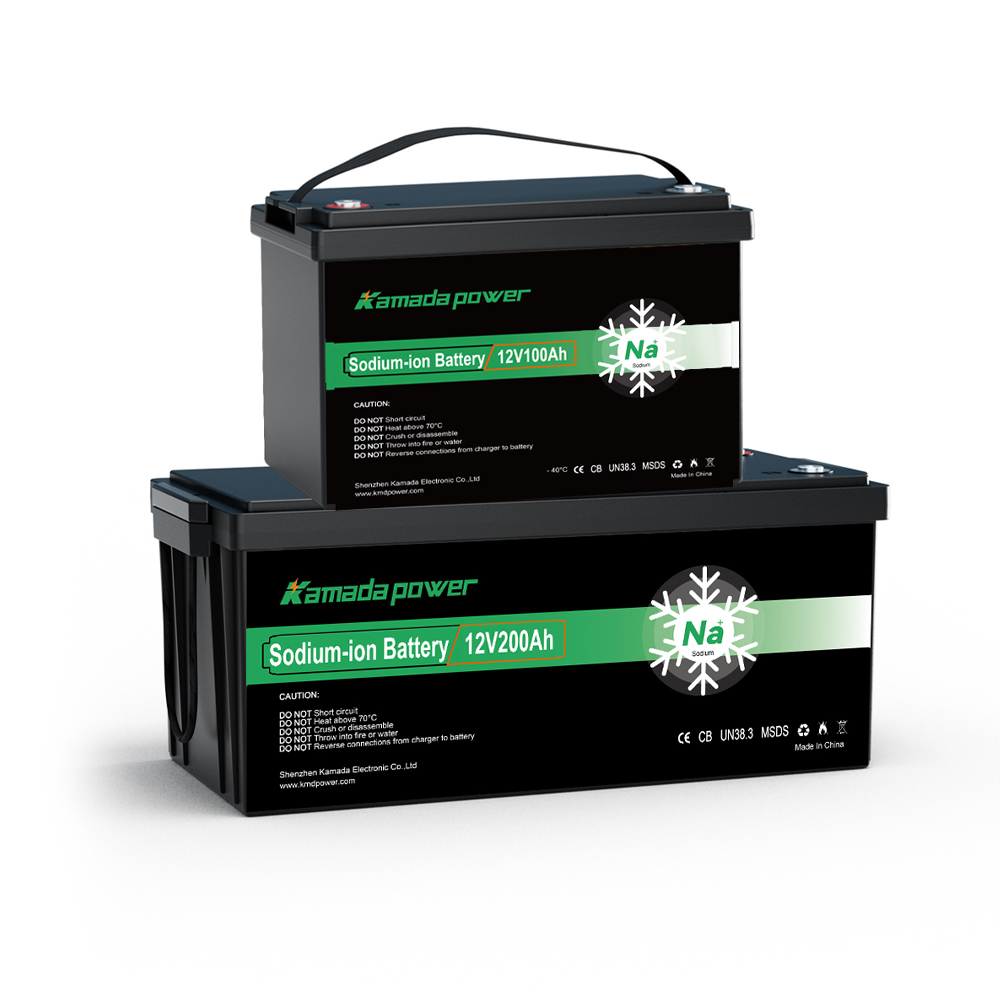
Batería de iones de sodio Kamada Power 12v 200Ah
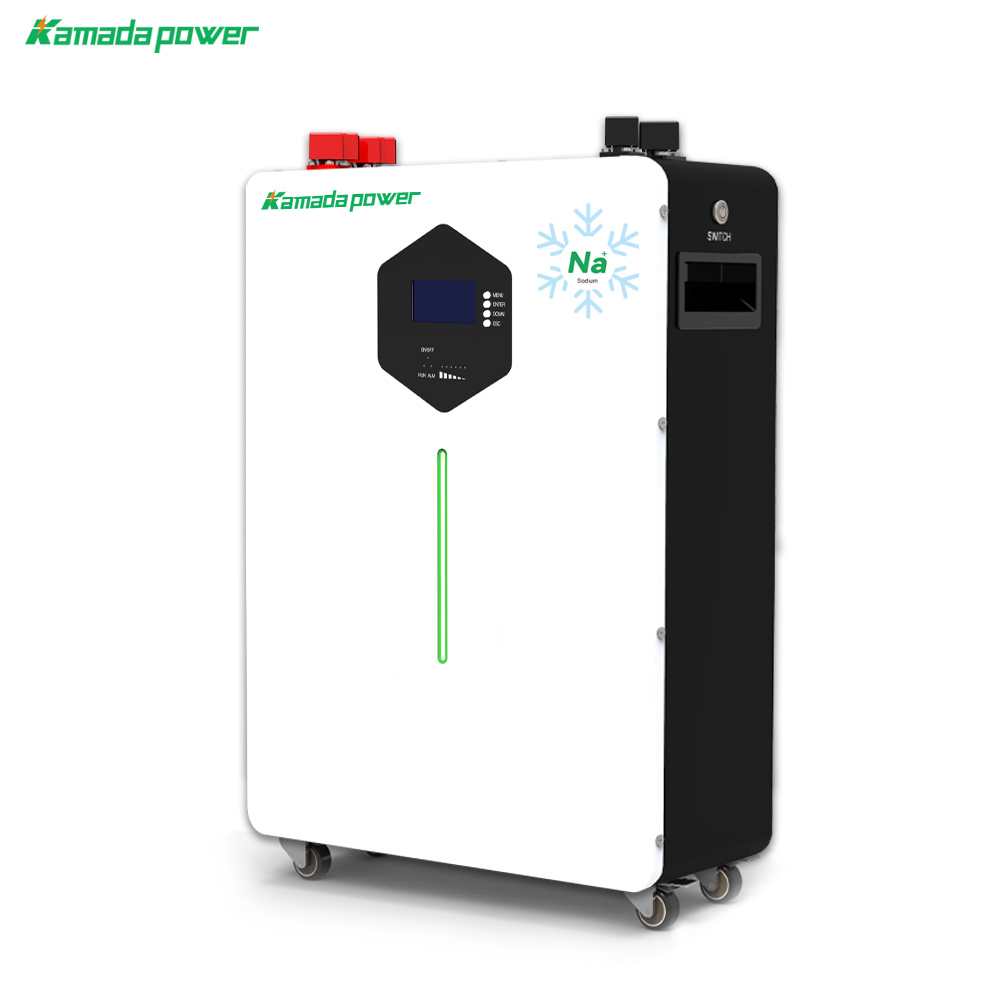
Kamada Power 10kWh Sodium ion Battery
What is an IP Rating?
In the battery industry, “waterproof” is a term we generally try to avoid in technical datasheets. Why? Because it lacks legal and technical accountability. You could splash a cup of water on a battery and call it waterproof, but that won’t help a batería de carretilla elevadora operating in a cold-storage facility where condensation is a constant threat.
Instead, we use the Ingress Protection (IP) scale, a globally recognized standard defined by the IEC (International Electrotechnical Commission) 60529. This rating tells you exactly how much “stuff”—whether it’s dust, fingers, or high-pressure saltwater—can get inside your battery enclosure. When you see an IP rating, you’re looking at a certified promise of durability, not just a salesperson’s word.
Decoding the Digits: Solids vs. Liquids Protection
An IP rating is always followed by two numbers:
- The First Digit (0–6): Measures protection against solids (dust and debris). A “6” means the unit is completely dust-tight.
- The Second Digit (0–9K): Measures protection against liquids. This is where the real debate between IP65 and IP66 begins.
IP56 vs. IP65 vs. IP66: The Ultimate Comparison for Outdoor Power
If you’re looking for a quick reference for your next procurement meeting, here’s the breakdown:
| Clasificación | Dust Protection | Water Protection | El mejor caso de uso |
|---|
| IP56 | Dust Protected (some entry allowed) | Powerful water jets from any direction | Sheltered marine areas, heavy rain |
| IP65 | Dust-Tight (No entry) | Low-pressure water spray/nozzles | Off-grid solar, RVs, standard rain |
| IP66 | Dust-Tight (No entry) | High-pressure heavy seas/powerful jets | Deck-mounted marine, heavy industrial washdowns |
IP56: High-Pressure Protection for Sheltered Areas
IP56 is a bit of an outlier. It offers great protection against powerful water jets, but it isn’t technically “dust-tight.” In our experience, IP56 is rarely the “go-to” for high-end equipamiento industrial because if you’re going to seal a battery against powerful water, you might as well make it dust-tight too. It’s mostly found in older mechanical housings or sheltered areas where heavy splashing occurs but fine particulate matter isn’t a primary concern.
IP65: The Industry Standard for Rain & Spray
This is the “sweet spot” for 80% of outdoor applications. An IP65-rated battery is completely sealed against dust and can handle the equivalent of a heavy rainstorm or a low-pressure garden hose. If you’re installing a batería marina energía de reserva system inside a ventilated cabin or a battery box on a trailer, IP65 is usually more than enough.
IP66: The Gold Standard for Harsh Marine Environments
Now we’re talking. IP66 is designed for “Heavy Seas.” This means the enclosure can withstand high-pressure, heavy sprays of water. In the industrial world, we call this the “Washdown Grade.” If your battery is exposed on a commercial fishing vessel or sitting on the chassis of an off-road utility vehicle that gets hosed down at the end of every shift, IP66 is your insurance policy.
Can I Use an IP65 Battery for My Trolling Motor?
This is a question we get at least once a week from recreational and commercial boat builders. The answer, like most things in engineering, is: It depends on where you’re standing.
Freshwater Lake Fishing
If you’re on a bass boat in a freshwater lake and the battery is tucked away in a compartment, IP65 is perfectly sufficient. The battery will stay dry, and the occasional humidity or splash won’t penetrate the seals.
Saltwater Coastal Fishing
If you’re in a salt-mist environment or the battery is deck-mounted where a rogue wave could hit it, IP66 is mandatory. Saltwater is significantly more conductive than freshwater. Even a tiny amount of salt-heavy moisture entering the casing can create a “salt bridge” on the BMS (sistema de gestión de baterías), leading to a catastrophic short circuit.
The Saltwater Factor: Why IP Ratings Aren’t Everything
An IP66 rating tells you the water won’t get in, but it doesn’t tell you what the salt will do to the outside. We’ve seen perfectly sealed batteries fail because the terminals corroded until they snapped. For marine applications, look for IP66 plus anti-corrosion hardware (like 316 stainless steel).
Why Professional Sailors Prefer IP66 Rated LiFePO4 Batteries
Professional mariners understand that a dead battery isn’t just an inconvenience; it’s a safety risk.
One often overlooked issue is internal condensation. When a battery discharges, it generates heat. When it stops, it cools down. If an enclosure isn’t perfectly sealed (IP66), the “breathing” effect during temperature swings can pull humid sea air into the casing. Over time, this moisture accumulates on the electronics.
By choosing IP66, you ensure a hermetic-like environment that protects the sensitive logic gates of the BMS. Whether it’s a small trolling motor or a massive commercial ESS (Energy Storage System), the seal is your first line of defense against the silent killer: humidity.
High-Pressure Deck Washdowns: A Survival Test
If you’ve ever seen a crew clean a workboat, they don’t use a gentle spray. They use high-pressure nozzles to blast away scales, salt, and grime. An IP65 battery might survive a few of these, but eventually, the pressure will find a weakness in the gasket. IP66 is specifically tested to withstand that force.
Is an IP67 or IP68 Battery Overkill for Your Setup?
You might be thinking, “If IP66 is good, isn’t IP68 better?” IP67 and IP68 involve total submersion. Unless your battery is located in a bilge that frequently floods or you’re building an underwater ROV, IP67 is often overkill.
Thermal Management: Does a Higher Seal Trap Heat?
Here is a bit of “insider” tech for you: the tighter the seal, the harder it is to dissipate heat. LiFePO4 cells are efficient, but during high-rate discharge, they still get warm. A totally submerged-rated battery (IP68) requires very clever thermal engineering—often using internal heat sinks or specialized potting compounds—to move heat from the cells to the outer shell.
If you don’t need submersion, staying with IP66 often gives you a better balance of protection and ciclo de vida, as the battery can stay cooler under heavy loads.
3 Industry Secrets to Identify a Real Marine-Grade Waterproof Battery
Not all IP66 ratings are created equal. When vetting suppliers for large-scale procurement, look for these three “tells”:
- Marine-Grade Stainless Steel vs. Brass: Brass terminals will turn green and brittle in months. Look for 316-grade stainless steel or tin-plated copper terminals.
- Silicone Gaskets vs. Glue: Cheap batteries are “sealed” with industrial glue. High-quality ones use replaceable, thick silicone gaskets that maintain their elasticity over years of vibration.
- Internal Conformal Coating: This is the big one. Ask your supplier: “Is the BMS board conformal coated?” This is a thin layer of “liquid plastic” applied to the circuit board. Even if a drop of water gets inside, the coating prevents it from touching the electronic components.
The Buyer Choice: Sodium-ion Battery vs. LiFePO4 Battery
As we look toward 2026, many industrial clients are asking about batería de iones de sodio . Sodium-ion is fantastic for extreme temperature performance (it works better in the cold than LiFePO4). However, sodium-ion cells can be even more sensitive to moisture than lithium. If you’re transitioning to sodium-ion for a cold-chain batería de carretilla elevadora application, do not skimp on the IP rating. The cost savings of the chemistry should be reinvested into a superior IP66 enclosure.
Maintenance Tips to Extend Battery Life
Even the best IP66 battery needs a little love.
- Rinse the Shell: After a saltwater trip, rinse the battery casing with fresh water to remove salt crystals.
- Check the Terminals: Apply a thin layer of dielectric grease to the terminals to prevent “ghost discharge” caused by salt bridges.
- Inspect the Gaskets: Once a year, check the casing for any hairline cracks caused by UV exposure or impact.
Maintenance doesn’t have to be a chore. Next time you’re at the docks, spend five minutes inspecting your seals and terminals, and enjoy the peace of mind. It’s the cheapest insurance for your power system you’ll ever find.
Conclusión
Choosing the right IP rating depends on your worst-case scenario: IP65 for standard shelter or IP66 for heavy seas and washdowns. Don’t let a 2:00 AM power failure haunt your fleet; invest in specialized IP66 LiFePO4 or Sodium-ion systems today. Póngase en contacto con nosotros, our Engineering Team Today to find your perfect power fit.
PREGUNTAS FRECUENTES
Is an IP65 battery safe to leave in the rain?
Absolutely. IP65 is designed specifically to handle rain and low-pressure water splashes. As long as the battery isn’t sitting in a puddle (submerged) or being blasted by a 1000-PSI power washer, it will be perfectly fine.
Can I submerge an IP66 battery under water?
No. IP66 is rated for “powerful jets,” not submersion. If you expect your battery to be under water for any length of time, you need to look for an IP67 or IP68 rating. Using an IP66 battery in a flooded bilge will likely lead to failure.
Does a higher IP rating affect the battery’s warranty?
Often, yes. Many manufacturers will only warranty batteries for marine use if they meet a minimum of IP65 or IP66. Always check the fine print—using an IP20 (indoor rated) battery in an outdoor setting will almost certainly void your warranty.
Why are IP66 batteries more expensive than IP65?
The cost difference comes down to the precision of the manufacturing. IP66 requires tighter tolerances, higher-quality gasket materials, and often more robust housing designs to ensure the seal holds up under high pressure. It’s a small price to pay for significantly higher reliability.