Jeden technik z vozového parku mi jednou řekl: "Baterie není vybitá. Je jen akty mrtvý na 30%." Nemýlil se. Balíček měl stále energii, ale systém se při zatížení stále vypínal při nízkém napětí a zákazník z toho vinil chemii.
Taková je realita tohoto tématu. Většina "předčasných selhání" LiFePO4 není jedním dramatickým hlubokým vybitím. Jsou to vzorce: návyky SOC + nastavení vypínání + chování při vyvažování které neodpovídají aplikaci.
Tento průvodce vám pomůže zvolit strategii nabíjení/vybíjení, která je vhodná pro Záruka bezpečná, vhodné pro teréna ve skutečnosti zvyšuje životnost - aniž by se váš projekt změnil v noční můru údržby.
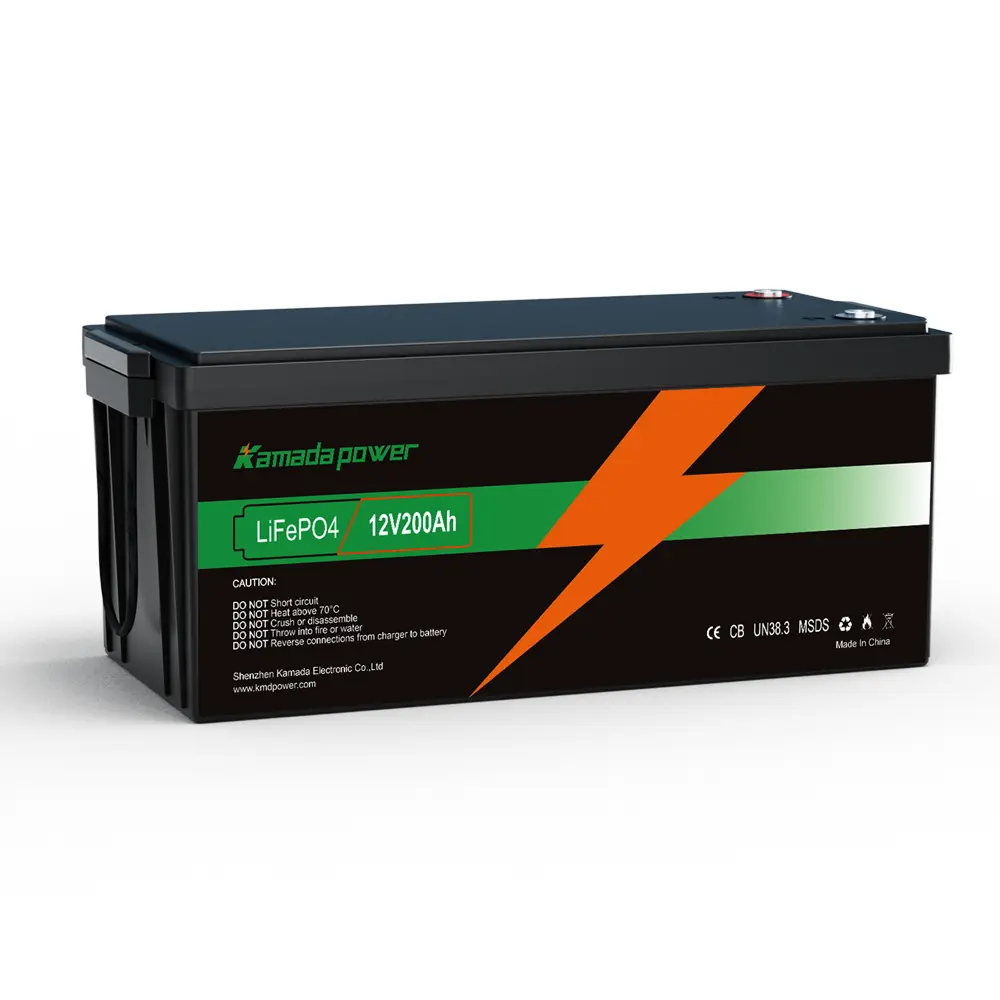
Měli byste LiFePO4 vybíjet mělce nebo hluboce?
Mělký cyklus (např. životnost v okně SOC 20-80% nebo 20-90%) obvykle prodlužuje životnost LiFePO4, protože snižuje napětí na cyklus. Pokud však nikdy dosáhnou vrcholu nabití, mnoho balíčků se nevyváží správně, hodnoty SOC se mění a objevují se klasické stížnosti typu "umřelo to při 30%" - protože jeden slabý článek při zátěži nejprve narazí na nízké napětí.
Hluboký výboj není okamžitě smrtelný, ale opakovaně běží téměř naprázdno nebo se léčí. Tvrdé vypnutí systému BMS jako normální provozní bod - způsoby poruch: výpadky napětí, nevyváženost a zrychlené opotřebení.
Nejlepší výchozí nastavení pro většinu systémů: vybrat si denní okno SOC a navíc plánovaná bilanční událost (postup plného nabití nebo vyvážení), který odpovídá vašemu systému BMS a případu použití.
Praktický výchozí bod (pokud nemáte k dispozici telemetrii buněčné delty): Denní cyklistika: top-balance o týdně. Lehké/příležitostné použití: top-balance o měsíční. Pak upravte podle chování (mezní hodnoty, drift SOC, delta článku, teplota).
Co vlastně znamená "mělké nabíjení" a "hluboké vybíjení"?
Co ve skutečnosti znamená "mělké nabíjení"
V praxi to znamená, že lidé: nenabíjíte do 100% SOC. Zastavíte se na 80%, 90%, možná 95%. Cílem je obvykle jeden z nich:
- Zkrácení doby při vysokém napětí
- Snížení tepla a stresu
- Prodloužení životnosti cyklu
- Získejte "dostatek" energie, aniž byste se museli starat o baterii
Co skutečně znamená "hluboké vybití" (a co ne)
Hluboký výboj obvykle znamená vysoká hloubka výtoku (DoD)-na jeden cyklus spotřebujete velkou část kapacity akumulátoru.
Hluboký výboj však ne automaticky znamenají:
- Buňky jste "přebili" do oblasti poškození
- Balení dosáhlo skutečné nulové spotřeby energie
- Balení je zničené
Jeden důležitý rozdíl:
- Hloubkové cyklování (rutinně vysoká úroveň DoD)
- Nadměrné vybíjení / zneužívání (překročení bezpečných limitů článku, často v důsledku parazitního vybíjení, špatného nastavení LVD nebo chyb při skladování)
Termín, který zabraňuje špatné matematice: Ekvivalentní plné cykly (EFC)
EFC udává, kolik "plných cyklů" baterie skutečně prodělala.
Dva cykly 50% ≈ jeden celý cyklus. Pět cyklů 20% ≈ jeden celý cyklus.
Proč na tom záleží: Mnohá tvrzení o životnosti cyklu znějí magicky, dokud si neuvědomíte, že jsou měřena při specifickém profilu DoD a testování.
má LiFePO4 paměťový efekt?
Ne. LiFePO4 nemá "paměťový efekt" jako NiCd. Nemusíte jej "trénovat" vybíjením na 0% a nabíjením na 100%. Částečné nabíjení je normální a často prospěšné.pokud máte stále vyrovnávací plán..
Model skutečného stárnutí: cyklické stárnutí vs. kalendářní stárnutí
Většina debat o mělkém nabíjení vs. hlubokém vybíjení opomíjí širší souvislosti: LiFePO4 stárne dvěma různými způsoby.
Stárnutí cyklu (co DoD skutečně mění)
Cyklické stárnutí je opotřebení způsobené používáním baterie: opakované přesouvání iontů lithia tam a zpět. Obecně:
- Vyšší DoD má tendenci snižovat počet cyklů. získáte (za stejných podmínek)
- Vyšší proudy a vyšší teploty obvykle zvyšují napětí.
- Extrémy napětí zvyšují napětí
Takže ano - pokud cyklujete mělce, často snižujete stres z cyklu.
Stárnutí kalendáře (tichý zabiják málo používaných baterií).
Kalendářní stárnutí je stárnutí v závislosti na čase: baterie ztrácí kapacitu prostě tím, že existuje, zejména když:
- Uloženo v vysoký SOC
- Uloženo v vysoká teplota
- Dlouhodobě ponechané v "plném" stavu
Tady jsou lidé překvapeni. Balíček, který je "hýčkán" a neustále udržován téměř plný, může ztrácet kapacitu rychleji než balíček, který je pravidelně používán, ale udržován v rozumném pásmu SOC.
Kompromis, který většina kupujících přehlíží
- Mělké cyklování snižuje cyklický stres
- Příliš dlouhý život při vysoké SOC zvyšuje kalendářní stres
- Příliš dlouhá životnost při velmi nízkém stavu SOC zvyšuje riziko: nevyváženost, odpojení a selhání skladování.
Praktické shrnutí: LiFePO4 má obecně rád střed - pokud vaše aplikace nevyžaduje konce.
Kdy je mělké nabíjení správný krok (a kdy se to vymstí)
Kdy má smysl zastavit při ~80-90%
Mělké nabíjení je často chytrou volbou v prostředí B2B, jako jsou:
- Zařízení vozového parku kde "dostatečně dlouhá doba běhu" předčí maximální dobu běhu
- Solární systémy kde chcete mít prostor pro nabíjecí okna a zkrátit čas nahoře.
- Teplé prostředí kde vysoký SOC + teplo urychluje stárnutí
- Stále zapnuté pohotovostní systémy kdy baterie tráví více času čekáním než cyklickým provozem.
Skrytá nevýhoda: vyvažování a přesnost SOC
Zde je část, která způsobuje problémy v reálném světě: mnoho balíčků LiFePO4 se vyrovnává pouze v horní části nabíjení..
Pokud nikdy jít dostatečně vysoko a dostatečně dlouho:
- Buňky se mohou v průběhu času od sebe vzdalovat
- Zobrazení SOC může být zavádějící
- Jeden slabý článek se nejprve dostane do nízkého napětí, což způsobí předčasné vypnutí systému.
- Uživatel řekne: "Zemřelo to na 30%" a váš tým podpory je do toho zatažen.
Mělké nabíjení není "špatné". Jen potřebuje vyrovnávací plán.
Kompromis, který funguje v terénu
U mnoha systémů vypadá spolehlivá strategie takto:
- Denní cíl: nabíjení na 80-90% SOC (nebo zvolený strop)
- Bilanční událost: občas nabít na plnou kapacitu nebo spuštění procedury vyvážení na základě chování systému BMS.
Co znamená "příležitostně"?
- Výchozí spuštění: týdně (každodenní jízda na kole) nebo měsíčně (nenáročné používání).
- Nebo na základě spouštěče: když se vám zdá, že údaje SOC nejsou v pořádku, nebo když vidíte, že se delta článků rozšiřuje (pokud vaše BMS poskytuje telemetrii).
Pokud prodáváte integrátorům, právě zde můžete snížit záruční tření: definujete jednoduchou, opakovatelnou rutinu.
Jak nízká hodnota je příliš nízká pro vybíjení LiFePO4?
Hluboké vybíjení vs. zneužití při nízkém napětí
Hluboký výboj (vysoký DoD) může být přijatelný, pokud:
- Váš systém má rozumnou politiku LVD
- Špičkový proud je v mezích návrhu
- Teplotní podmínky jsou přiměřené
- Vyhýbáte se dlouhodobému pobytu "téměř na prázdno".
Zneužití nízkého napětí je jiné. Obvykle je způsobeno:
- Opakované narážení do Tvrdé vypnutí systému BMS
- Vybíjení při velkém zatížení až do zhroucení napětí
- Nechání parazitních zátěží vyčerpat akumulátor během skladování
- Skladování téměř prázdné baterie po dobu několika týdnů/měsíců
Napěťový průhyb je důvodem, proč "hluboké vybíjení" vyvolává servisní volání
Jedním z důvodů je hluboký výboj: průhyb napětí při zatížení.
Při nízké hodnotě SOC se více projevují účinky vnitřního odporu. Přidat:
- Dlouhé kabely
- Vysoké špičkové zatížení (střídače, kompresory)
- Nízké teploty
...a váš systém se může dostat do stavu nízkého napětí, přestože v něm ještě zbývá energie.
Proto musí vaše strategie oddělování zohledňovat. podmínky zatížení, nikoliv pouze klidové napětí.
Zásobník rizik při velmi nízké hodnotě SOC
Provoz v blízkosti prázdného místa se zvyšuje:
- Citlivost na nerovnováhu buněk (jedna buňka klesá jako první)
- Možnost nepříjemných vypnutí
- Možnost, že systém tvrdě zakopne a zákazník ztratí důvěru.
Pokud váš výrobek musí pracovat s velmi nízkou hodnotou SOC. může ale potřebujete lepší přístrojové vybavení, koordinaci mezních hodnot a konstrukční rezervu.
Doporučená okna SOC podle aplikace
Jedná se o "bezpečné výchozí body", nikoli o fyzikální zákony. Záleží na přesném nastavení vašeho balení, chování BMS a profilu zátěže.
| Případ použití | Priorita | Praktické denní okno SOC | Proč to funguje | Povinně nastavené ochrany |
|---|
| Solární ESS / denní cyklování mimo síť | Vyvážená životnost + doba provozu | 20-90% (běžné) | Vyhýbá se extrémům, přesto je použitelný | Rozumná LVD před vypnutím BMS |
| Záložní napájení (telekomunikace, zabezpečení) | Spolehlivost, nízká podpora | 40-90% (často) | Kratší doba při 100%, zamezení nízkému propadu SOC | Rutinní údržba rovnováhy |
| Vysoké špičkové zatížení měniče | Vyhněte se napěťovým výpadkům | 30-90% (udržujte vyšší podlahu) | Vyšší SOC = menší prověšení při zatížení | Audit úbytku kabelů + ladění měniče LVD |
| Sezónní skladování / zásoby | Život v kalendáři | ~40-60% storage SOC | Minimalizuje časový stres | Odpojení parazitů, pravidelná kontrola |
Pokud si pamatujete jen jednu věc: zvolte denní okno a poté navrhněte mezní hodnoty tak, aby se systém zastavil dříve, než systém BMS zabouchne dveře.
Nastavení nabíječky + ovladače, které strategii realizují
Zde se z teorie stává otázka "funguje to v terénu?".
Hromadné/absorpční/plovoucí: na čem záleží u LiFePO4
LiFePO4 obecně nepotřebuje dlouhé plovoucí chování jako olověné akumulátory. Velkými chybami bývají:
- Zbytečné udržování baterie na vysoké hodnotě SOC
- Opakované "doplňování" po celý den (mikrocyklování na vrcholu)
- Používání profilu olověného akumulátoru, který nikdy zcela neodpovídá potřebám LiFePO4
Praktické myšlení:
- Efektivní nabíjení až ke stropu
- Vyhněte se dlouhému držení vysokého napětí, pokud neprovádíte plánovanou akci vyvážení.
- Neberte float jako náboženství
Solární regulátory nabíjení: častá úskalí
Solární regulátory se často dodávají s výchozími nastaveními, která předpokládají olověnou logiku. U LiFePO4 to může způsobit:
- Příliš mnoho času při vysoké SOC
- Matoucí chování LVD/LVR
- Předčasná vypnutí způsobená průvěsem + ztrátou kabelu
Pokud vaši zákazníci používají solární systém, měl by váš obsah (a dokumenty podpory) obsahovat:
- Doporučená strategie stropu SOC
- Doporučená strategie LVD
- Poznámka k vyrovnávání rutiny a proč je důležité
Koordinace tří mezních hodnot (trojúhelník selhání)
K většině selhání dochází, když nejsou v souladu:
- Mezní hodnota BMS (pevná ochrana)
- Vypnutí měniče při nízkém napětí
- Systém/řídicí jednotka LVD
Jednoduché pravidlo pro snížení počtu žádostí o podporu:
- Váš systém by měl zastavit vybíjení před tvrdým vypnutím BMS. To zabraňuje náhlým výpadkům, omezuje nepříjemné výpadky a chrání nejslabší buňku.
Co požadovat na datovém listu
Specifikace životnosti cyklu jsou bez zkušebních podmínek bezvýznamné.
Pokud dodavatel uvádí "6000 cyklů", měli byste se zaměřit na:
- Na co DoD?
- Na co teplota?
- Na co C-rate (nabíjecí/vybíjecí proud vzhledem ke kapacitě)?
- Co je "konec životnosti" (kapacita 80%? 70%)?
- Bylo součástí testu i vyvažování?
Tak se vyhnete srovnávání jablek s marketingem.
Otázky týkající se sladění záruky, které je třeba položit dodavatelům
- Je povoleno částečné nabíjení bez rizika ztráty záruky?
- Vyžaduje balení pravidelné plné nabití pro vyvážení?
- Pasivní nebo aktivní vyvažování? Kdy začíná vyvažování?
- Doporučené skladování SOC a maximální doba skladování před dobitím
- Je k dispozici telemetrie (delta buňky, teploty, protokoly událostí)?
Důkazy, které si můžete vyžádat bez laboratoře
- Datové listy buněk + souhrnný testovací list na úrovni balení
- Specifikace vyvážení BMS + mezní hodnoty
- Reference v podobných pracovních cyklech (stejný proudový profil, teplotní rozsah)
Nejčastější mýty
- Mýtus: "Vždy nabíjejte LiFePO4 na 100% pro zdraví." Realita: Denní nabíjení 100% není pro většinu případů použití nutné a může zvýšit zátěž kalendáře.
- Mýtus: "Hluboké vybití okamžitě zničí LiFePO4." Skutečnost: Hluboké cyklické vybíjení může být přijatelné při správném odpojení a konstrukční rezervě.
- Mýtus: "Vypnutí BMS je běžným denním provozním bodem." Skutečnost: Vypnutí BMS považujte za nouzové hlídání, nikoliv za běžné chování.
- Mýtus: "SOC % je vždy přesný." Realita: Přesnost SOC závisí na kalibraci, chování při vyvažování a historii používání.
- Mýtus: "Pro jeho "trénink" musíte přejít na 0-100%." Realita: LiFePO4 nemá paměťový efekt-ale to dělá potřebují pravidelné vyvažování/kalibraci.
Praktický rozhodovací rámec
Pokud je vaším cílem maximální životnost cyklu
- Použijte střední okno SOC (často 20-80% nebo 20-90%)
- Vyhněte se dlouhé době při vysoké SOC
- Přidejte jednoduchou balanční rutinu
Pokud je vaším cílem maximální použitelná doba běhu
- Umožňují hlubší vybití, ale:
- Inteligentní nastavení LVD
- Zamezení vypínání systému BMS při zátěži
- Ochrana proti parazitnímu vypouštění a chybám při skladování
Pokud je vaším cílem minimum lístků na podporu
- Udržování vyšší minimální hodnoty SOC v systémech se špičkovým zatížením
- Souřadnicové uzávěrky (systém se zastaví před BMS)
- Zdokumentujte postup vyvážení, aby uživatelé neupadli do chaosu.
Závěr
Mělké nabíjení prodlužuje životnost - dokud nedojde k driftu SOC a baterie nezačne lhát. Hluboké vybití není smrtelné, ale opakované překročení mezní hodnoty BMS zaručuje výpadky a naštvané zákazníky. Spolehlivou nápravou je nudná rutina: definovat denní okno SOC, zarovnat LVD a naplánovat pravidelné vyvažování. Takto maximalizujete životnost a zlikvidujete požadavky na podporu.Kontaktujte nás pro lithiová baterie na míru řešení.
ČASTO KLADENÉ DOTAZY
Je v pořádku nabíjet LiFePO4 pouze na 80% každý den?
Často ano - zejména při každodenní jízdě na kole - protože snižuje stres na cyklus. Jen se ujistěte, že máte plán, jak zabránit driftu buněk a nepřesnosti SOC (rutinní vyvážení).
Musím nabíjet LiFePO4 na 100%, aby se články vyrovnaly?
Mnoho balíčků je v rovnováze blízko vrcholu nabití. Pokud se do této oblasti nikdy nedostanete, může nerovnováha narůstat. Zda potřebujete 100%, závisí na tom, jak vaše BMS vyvažuje a kdy začne vyvažovat.
Má LiFePO4 paměťový efekt?
Ne. Můžete nabíjet při jakémkoli stavu SOC, aniž byste baterii "trénovali". Skutečným požadavkem není reset paměti - je to. pravidelné vyvažování a kalibrace SOC (pokud je váš systém závislý na přesné SOC).
Jak nízko lze LiFePO4 vybít, aniž by došlo k jeho poškození?
Hluboký cyklus může být přijatelný, ale opakovaný provoz téměř naprázdno zvyšuje riziko prověšení a nevyváženosti. Důležitější než "jak nízko" je vyhnout se událostem s tvrdým přerušením a zabránění nadměrnému vybití zásobníku.
Proč se moje baterie LiFePO4 při zátěži brzy vypíná?
Běžné příčiny: pokles napětí při vysokém proudu, pokles napětí na kabelu, nízké teploty a nevyváženost článků. V akumulátoru může zbývat energie, ale systém se vypíná na základě napětí při zátěži.
Jaká je nejlepší skladovací kapacita pro baterie LiFePO4?
Pro skladování se běžně doporučuje střední hodnota SOC (často kolem 40-60%), odpojení parazitních zátěží a pravidelná kontrola SOC.