Why Choose Sodium Ion Battery for Traffic VMS Backup. Picture a snowy interchange. The grid flickers, signals go dark, and traffic turns into dangerous chaos. For agencies, this isn’t just a technical glitch—it triggers missed SLAs, emergency truck rolls, and public scrutiny. Unattended outdoor infrastructure faces immense pressure to “just work” in the harshest conditions.
This is why battery selection for traffic backup power deserves a different lens. In this article, we’ll look at sodium-ion batteries not as a new chemistry trend, but as a practical, reliability-driven option for traffic signals, VMS trailers, and roadside ITS cabinets.
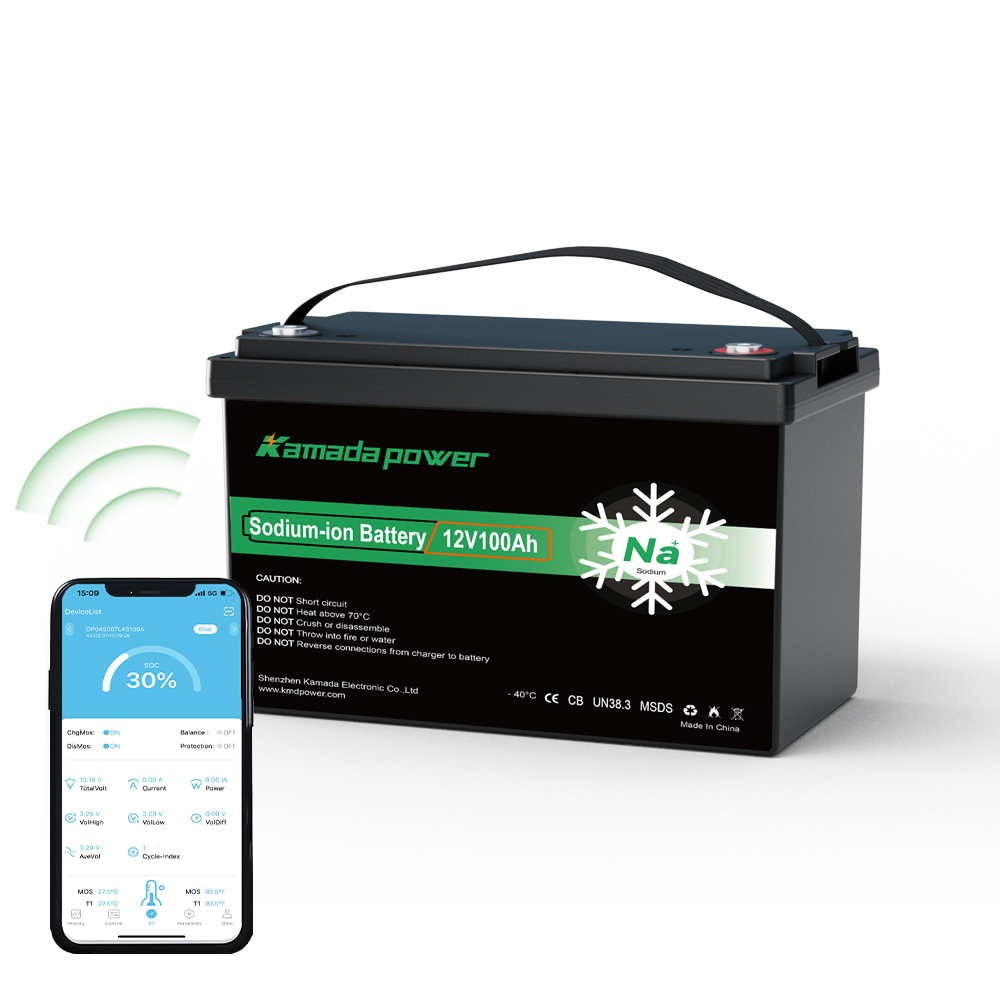
12v 100ah sodium ion battery for traffic vms
Power Requirements of Traffic & VMS Backup Systems
Typical Electrical Load Profiles of Traffic Signals and VMS
Traffic and VMS systems don’t behave like forklifts or EVs. Their power profile is quieter, steadier, and more predictable.
Most traffic signal cabinets draw modest DC power to keep controllers alive, relays responsive, and communication links active. VMS and arrow boards add LED loads that spike briefly but usually operate well below industrial peak currents. On top of that, you’ll find radios, sensors, and sometimes cameras — small loads, but critical ones.
In other words, these systems favor long standby time and reliable discharge, not high C-rates or fast charging. Battery packs that look impressive on paper can struggle here if they’re optimized for the wrong use case.
Why Backup Power Failures Have Higher Consequences in Traffic Infrastructure
When a warehouse battery fails, productivity slows. When a traffic battery fails, people notice — immediately.
Power loss can disrupt traffic flow, increase accident risk, and force emergency maintenance crews into live traffic environments. Each unplanned truck roll costs real money, especially when access windows are limited to nights or off-peak hours. For contractors, repeated failures also raise compliance and SLA risks with municipalities.
This is why uptime consistency often matters more than nameplate capacity.
Environmental and Maintenance Challenges of Roadside Traffic Cabinets
Outdoor Exposure Conditions for Traffic and VMS Installations
Roadside cabinets are tough environments. Batteries inside them face heat waves in summer, freezing temperatures in winter, and constant humidity swings. Add vibration from passing trucks, dust ingress, and condensation, and it’s clear these are not lab-friendly conditions.
Unlike indoor industrial equipment, there’s rarely active thermal management. The battery must tolerate temperature extremes on its own.
Maintenance and Service Constraints in Distributed Traffic Systems
Traffic infrastructure is geographically scattered. A single city may manage hundreds or thousands of cabinets. Access is often restricted, labor is expensive, and every service visit disrupts traffic.
From our experience working with industrial and infrastructure clients, the biggest cost driver isn’t the battery itself — it’s how often someone has to replace it. Reducing service frequency can outweigh higher upfront battery costs very quickly.
Limitations of Conventional Batteries in Traffic & VMS Applications
Why Lead-Acid Batteries Struggle in Traffic Backup Power Use
Lead-acid batteries are familiar, inexpensive, and widely approved. But they come with trade-offs that show up fast in traffic use.
Cold weather cuts usable capacity dramatically, sometimes by 40–50%. Partial-state-of-charge operation — common in backup systems — accelerates sulfation and shortens cycle life. In practice, many traffic cabinets see annual or biannual battery replacements.
The result? Predictable failures, predictable truck rolls, and predictable frustration.
Operational Constraints of LiFePO₄ Batteries in Roadside Installations
LiFePO₄ batteries solve many lead-acid issues, but they’re not perfect for traffic systems either.
The biggest concern is low-temperature charging. Without heaters or advanced BMS logic, charging below freezing can damage cells. That adds system complexity and cost. There are also higher safety and compliance expectations for unattended lithium systems in public spaces, especially in Europe.
LiFePO₄ works well in forklifts, marine backup power, and commercial ESS — but traffic cabinets are a different beast.
Why Sodium-Ion Batteries Are Better Aligned with Traffic & VMS Backup Power Needs
Cold-Temperature Availability for Traffic Signal and VMS Backup Power
One of sodium-ion’s most practical advantages is extreme temperature performance. Compared to lead-acid and standard lithium-ion, sodium-ion battery packs maintain more stable behavior in freezing conditions, including the ability to accept charge at lower temperatures.
For traffic systems in northern Europe or the northern US, that means fewer winter surprises and more predictable backup availability.
Safety Advantages for Unattended Roadside Traffic Cabinets
Safety matters when batteries sit unattended near public roads. Sodium-ion chemistry is inherently more thermally stable, with lower thermal runaway risk.
This simplifies cabinet design, reduces fire-related concerns, and eases approval discussions with municipalities and insurers. For roadside infrastructure, “boringly safe” is often the best compliment.
Suitability for Long Standby and Partial-Discharge Traffic Use Cases
Traffic backup batteries may sit idle for months, then discharge deeply during an outage. Sodium-ion handles this pattern well. It tolerates long idle periods and partial cycling without the degradation seen in lead-acid systems.
Think of it like a backup generator that actually starts when you need it — even if it’s been quiet all year.
Reliability-Focused Comparison for Traffic Engineers and System Integrators
Backup Power Decision Criteria in Traffic & VMS Projects
Procurement officers and engineers typically ask the same questions:
- Will it work in winter?
- How often will we replace it?
- What happens when something goes wrong?
Cycle life, safety, and seasonal consistency often outweigh raw energy density. This is where sodium-ion shifts the conversation away from specs and toward risk reduction.
How Sodium-Ion Batteries Reduce Operational Risk in Traffic Infrastructure
Compared with lead-acid, sodium-ion offers longer cycle life and fewer cold-weather failures. Compared with LiFePO₄, it reduces complexity and charging risk in low temperatures.
Over time, that means fewer emergency callouts, lower maintenance spend, and more predictable lifecycle costs — outcomes that matter to both public agencies and private contractors.
Typical Traffic & VMS Applications for Sodium-Ion Backup Batteries
Traffic Signal Intersections in Cold or Remote Areas
In remote intersections, reliability is everything. Sodium-ion batteries help keep controllers online during winter outages and reduce seasonal replacement cycles.
Highway and Urban Variable Message Signs (VMS)
VMS units must remain visible during incidents. Backup power failures undermine their purpose. Sodium-ion’s standby reliability supports long idle periods with confidence.
Distributed ITS and Roadside Monitoring Cabinets
From speed detection to surveillance units, modern ITS relies on distributed electronics. Sodium-ion batteries support these systems with stable, low-maintenance backup power.
Integration Considerations for Traffic Backup Power Systems
Voltage and Capacity Matching for Traffic Controllers and VMS
Most traffic cabinets use standard DC architectures. Sodium-ion battery packs can be configured to match existing voltage and capacity requirements, often with minimal system changes.
Environmental Protection and Cabinet Compatibility
As with any roadside installation, enclosure rating, IP protection, and thermal expectations still matter. Sodium-ion doesn’t eliminate good design — it complements it.
Future Trends in Traffic Backup Power and Infrastructure Reliability
Traffic agencies are shifting toward lifecycle thinking. Uptime, maintenance predictability, and safety are becoming central metrics. Sodium-ion batteries fit this infrastructure-first mindset, offering a practical alternative as traffic systems grow smarter and more distributed.
Conclusion
Traffic and VMS systems don’t need flashy batteries. They need dependable ones. Sodium-ion batteries align closely with real-world traffic operating conditions: cold weather, long standby periods, and minimal maintenance access. For engineers and procurement teams, the smarter choice isn’t about novelty — it’s about reducing failure risk where reliability matters most.
If you’re evaluating backup power options for traffic or VMS projects, a conversation grounded in your actual deployment conditions is a good place to start.Contact Kamada Power, your expert sodium ion battery manufacturers for custom power solutions designed for traffic and VMS backup systems.
FAQ
Can I replace lead-acid batteries with sodium-ion in existing traffic cabinets?
In many cases, yes. Voltage and form factor compatibility need to be checked, but most traffic systems can transition with minimal changes.
What if temperatures regularly drop below freezing?
That’s one of sodium-ion’s strengths. It maintains more reliable performance and charging behavior in cold environments.
How does sodium-ion compare to LiFePO₄ for traffic backup power?
LiFePO₄ excels in mobile and high-power uses. Sodium-ion often performs better in unattended, cold, long-standby traffic applications.
Do sodium-ion batteries require special chargers or BMS settings?
They use a dedicated BMS, but integration is typically straightforward for traffic system designers.
Is sodium-ion technology proven enough for public infrastructure?
It’s already used in several industrial and stationary applications where safety and reliability matter more than energy density.