Kuinka kertoa, jos Veneen akku tekee kuolemaa ja mitä sille voi tehdä. Mikään ei pilaa täydellistä offshore-päivää nopeammin kuin avaimen kääntäminen kilometrin päässä kotoa vain kuullaksesi säälittävän "naksahduksen" auringon painuessa kohti horisonttia. Vuosien ajan kaupallisia laivastoja hallinnoidessani olen nähnyt, miten suolasuihku, moottorin kuumuus ja aaltojen paukuttelu tekevät akun vikaantumisesta kysymyksen "milloin" tai "jos". Tässä oppaassa näytetään, miten voit diagnosoida tyhjenevän akun alle viidessä minuutissa yksinkertaisten visuaalisten vihjeiden ja yleismittarin avulla, mutta muista aina käyttää silmäsuojaimia ja käsineitä, jotta pysyt turvassa rikkihapon ja räjähtävien kaasujen lähellä.
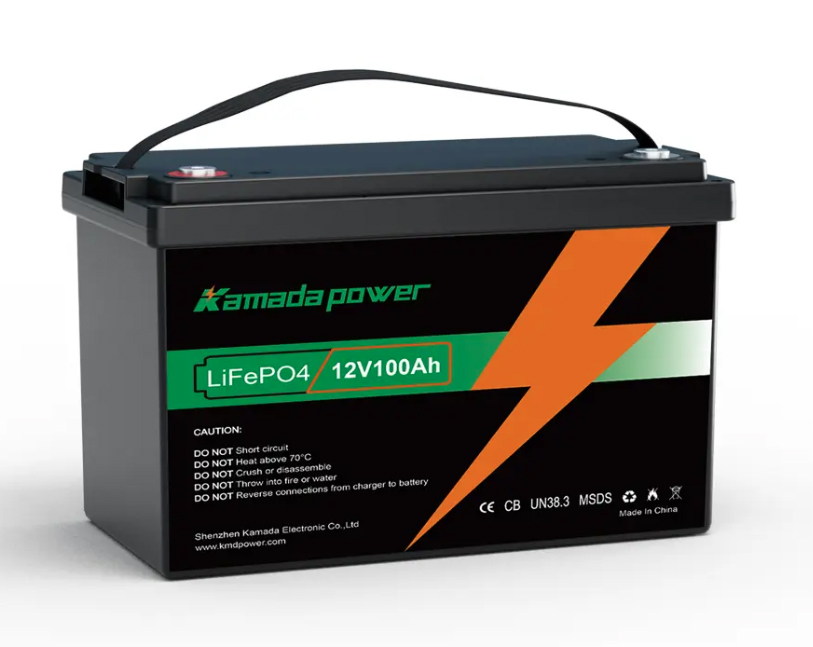
Kamada Power 12v 100ah veneen akku
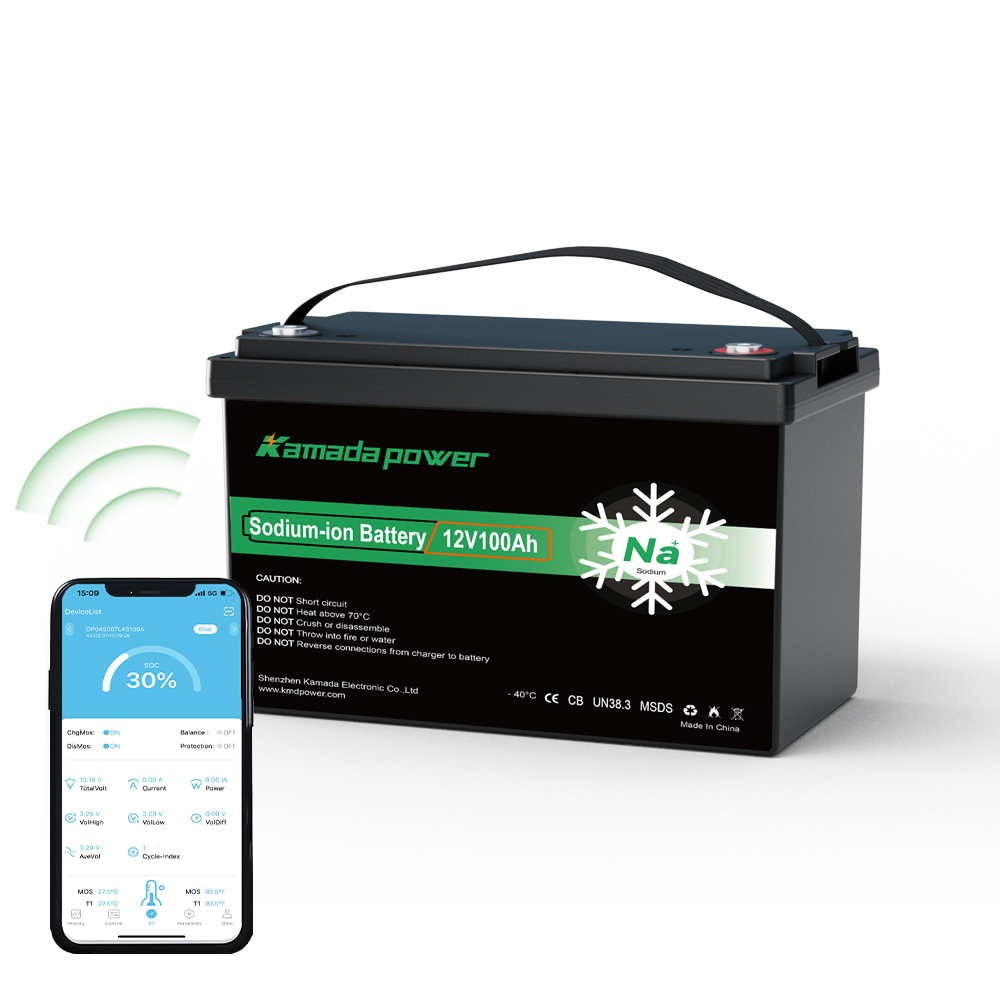
Kamada Power 12v 100ah veneen natriumioniakku
5 varoitusmerkkiä veneen akun vikaantumisesta
Akku yrittää yleensä kertoa sinulle, että se on kuolemaisillaan kauan ennen kuin se oikeasti antaa periksi. Sinun on vain tiedettävä, mitä kuunnella.
1. Moottorin hidas käynnistys
Tiedätte äänen. Raikkaan, välittömän äänen sijasta moottori käynnistyy vaivalloisesti ja raskaasti... "rrr... rrr... rrr... rrr..." Tämä on klassinen ensimmäinen merkki. Akussa on vielä riittävästi "mehua" käynnistimen liikuttamiseen, mutta sen sisäinen vastus on kasvanut tai sen kylmäkäynnistysvirrat (CCA) ovat laskeneet, mikä tarkoittaa, että se ei enää pysty antamaan moottorin puristukseen tarvittavaa alkuvirtaa.
2. Pelätty naksahtava ääni
Jos käännät avainta ja kuulet nopean naksahduksen, se on käynnistimen solenoidi, joka kytkeytyy ja irtoaa. Pohjimmiltaan akussa on tarpeeksi virtaa kytkimen (solenoidin) kääntämiseen, mutta heti kun se yrittää lähettää "raskasta" virtaa käynnistinmoottoriin, jännite romahtaa, kytkin kääntyy takaisin pois päältä ja sykli toistuu. Se on rytmikäs SOS-signaali akulle.
3. Näkyvät vauriot: Pullistumat tai halkeamat
Tutustu tarkkaan muovikoteloon. Jos akun sivut näyttävät "turvonneilta" tai paisuneilta kuin leipä, ylilataus tai jäätyminen on todennäköisesti aiheuttanut laajentumisen. Jos näet halkeamia, ne johtuvat usein voimakkaasta tärinästä tai fyysisistä iskuista, jotka ovat yleisiä merellä olevissa veneissä, jotka joutuvat koville.
Välitön toiminta: Jos kotelo on vaurioitunut, älä yritä ladata sitä. Vaihda ne välittömästi.
4. Mädän kananmunan tai rikin haju.
Jos avaat paristolokeron ja sinuun iskee tuoksu, joka muistuttaa yläasteen tiedekoulun tulivuorta, kyseessä on rikkivetykaasu. Tämä tapahtuu, kun järjestelmä lataa akun liian korkealle, mutta akkuun syntyy sisäinen oikosulku, jolloin elektrolyytti kiehuu. Tämä kaasu on sekä myrkyllistä että helposti syttyvää. Lopeta akun ja laturin käyttö välittömästi.
5. Elektroniikka välkkyy tai nollautuu
Nykyaikaiset veneet ovat kelluvia tietokoneita. Jos kalanetsintälaitteesi käynnistyy uudelleen aina, kun käynnistät moottorin, tai jos VHF-radion näyttö himmenee, kun kytket navigointivalot päälle, akkusi jännite ei pysy vakaana. Tämä epävakaus on merkki kuolevasta kennosta.
Veneen akun testaaminen yleismittarilla
Silmämääräiset tarkastukset ovat hienoja, mutta numerot eivät valehtele. $15-yleismittari on arvokkain työkalu varustelaatikossasi.
Vaiheittainen veneen akun jännitetesti
- Kill the Power: Sammuta moottori ja kaikki elektroniikka. Jos sinulla on akunvalitsin, käännä se asentoon "OFF".
- Lepoaika: Tämä on ratkaisevan tärkeää. Jos olet juuri pysäyttänyt moottorin tai ottanut akun laturista, akussa on "pintalataus". Anna sen olla vähintään tunnin (mieluiten kaksi), jotta kemia voi vakiintua.
- Aseta mittari: Aseta yleismittari tasavirtajännitteille, yleensä 20 voltin alueelle.
- Tutki sitä: Kosketa punainen anturi positiiviseen (+) liittimeen ja musta anturi negatiiviseen (-).
Meripariston jännitekaavio (varaustila)
Teollisuusasiakkaiden kanssa työskentelystä saamamme kokemuksen perusteella käytämme tätä taulukkoa määritellessämme, onko akku "pitävä" vai "hylkäävä".
| Jännite | Maksutilanne | Kunto |
|---|
| 12.6V + | 100% | Terveellinen |
| 12.4V | 75% | Hyväksyttävä |
| 12.2V | 50% | Lataa pian |
| 12.0V | 25% | Syvästi purkautunut |
| 10,5V tai vähemmän | 0% | Todennäköisesti kuollut kenno / vaihda |
Jos akun jännite on 12,6 V, mutta moottori käynnistyy silti hitaasti, sinun on tutkittava, miten akku toimii paineen alaisena. Pyydä jotakuta katsomaan yleismittaria, kun käynnistät moottoria 3 sekunnin ajan.
Nyrkkisääntö: Jos jännite putoaa alle 9,6 voltin käynnistyksen aikana, akku on viimeisillä voimillaan.
Akku vs. Vaihtovirtageneraattori - Miten kertoa, mikä aiheuttaa ongelman?
Olen nähnyt paljon veneilijöitä, jotka ostavat upouuden akun, mutta se kuolee kolme päivää myöhemmin, koska latausjärjestelmä aiheuttaa todellisen ongelman.
- Vaihtovirtageneraattorin vikaantumisen merkit: Jos kojelaudan jännitemittari näyttää alle 13,5 V, kun ajetaan 3000 kierrosta minuutissa, generaattorisi ei todennäköisesti palauta tarpeeksi virtaa."
- Loistehonotto: Tämä on "Vampyyrin tyhjennys". Asiat, kuten stereoiden muistipiirit, automaattiset pilssipumput tai jopa pieni oikosulku navigointivalossa voivat hitaasti tyhjentää akun viikon varastoinnin aikana.
- Syövytetyt liitännät: Ennen kuin pudotat $200 uuden akun, tarkista liittimet. Meriympäristöt aiheuttavat vihreää, rapautunutta hapettumista, joka toimii eristeenä. "Kuollut" akku on usein vain löysä tai likainen siipimutteri.
Elvyttää vai korvata? Oikean päätöksen tekeminen
Voidaanko kuollut merenkulun akku elvyttää?
Jos sinulla on tavallinen lyijyakku, jonka vesi on vain vähissä, voit täyttää sen tislatulla vedellä (älä koskaan hanavedellä!) ja kokeilla hidasta latausta. Joissakin älykkäissä latureissa on "Desulfation"-tila, joka käyttää suurtaajuuspulsseja lyijysulfaattikiteiden hajottamiseen. Se toimii joskus, mutta se on harvoin pysyvä ratkaisu.
Kun on aika sanoa hyvästit
Jos akkusi on yli 4 vuotta vanha tai jos se ei pidä latausta yli 12,4 V, kun olet jättänyt sen laturiin 24 tunniksi, älä ota riskiä. B2B-maailmassa tätä kutsutaan "ennaltaehkäiseväksi vaihdoksi". Offshore-markkinoilla luotettavuus on paljon arvokkaampi kuin 12 kuukauden käyttöikä, jonka saatat saada vanhasta akusta irti.
Merenkulun akun ostajan opas - Oikean vaihtoehdon valitseminen
Kun menet kauppaan, näet kolme päätyyppiä:
- Käynnistysakut: Ajattele näitä kuin sprinttereitä. Ne antavat valtavan energiapurkauksen moottorin käynnistämiseksi ja vihaavat syviä purkauksia.
- Syväkierron akut: Nämä ovat maratonjuoksijoita. Ne tarjoavat tasaista voimaa välillä pitkään - ihanteellinen uistelumoottoreille tai jääkaapin ja valojen käyttämiseen.
- Kaksitoiminen: Kaikkien alojen ammattilainen. Hyvä pienemmille veneille, joissa on tilaa vain yhdelle akulle.
Moderni valinta: AGM vs. litium
Jos haluat merkittävän päivityksen, katso AGM (Absorbent Glass Mat). Ne ovat roiskesuojattuja ja kestävät tärinää paljon paremmin kuin tavalliset akut.
Jos olet suurkuluttaja (ammattikalastajat tai pitkän matkan risteilijät), litium (LiFePO4) on tulevaisuutta. Ne painavat puolet vähemmän, latautuvat neljä kertaa nopeammin ja tarjoavat vakiojännitteen, kunnes ne ovat lähes tyhjät.
Miten pidentää veneen akun käyttöikää?
- Käytä älykästä ylläpitäjää: Jos veneesi seisoo yli kaksi viikkoa, kytke se virtalaturiin. Se estää akkua "itsepurkautumasta" tilaan, josta ei ole paluuta.
- Talvisäilytys: Älä koskaan säilytä akkua kylmällä betonilattialla. Lataa ne täyteen, irrota navat ja säilytä viileässä, kuivassa paikassa.
- Tarkista päivämääräkoodi: Ostaessasi etsi tarra. "A5" tarkoittaa tammikuuta 2025. Älä osta akkua, joka on ollut hyllyssä puoli vuotta.
Päätelmä
$15-yleismittari ja viisi minuuttia ajastasi voivat olla erona upealle päivälle vesillä ja erittäin kalliille hinaukselle takaisin venesatamaan. Akkusi on veneesi sydän - älä odota, että se lakkaa sykkimästä, ennen kuin tarkistat sen sykkeen.
Ota yhteyttä Kamada Poweriin akkujen suunnittelutiimimme suunnittelemaan räätälöity veneen akku Sinulle räätälöity ratkaisu.
FAQ
Kuinka kauan merenkulun akku kestää keskimäärin?
Tyypillisesti 3-5 vuotta. Kuumemmissa ilmastoissa (kuten Floridassa) odotettavissa on lähempänä 3 vuotta. Viileämmillä alueilla, joilla on asianmukainen talvikunnossapito, 5 vuotta on tavallista.
Voiko huono veneen akku vahingoittaa generaattoria?
Kyllä. Jos akun kenno on oikosulussa, generaattori joutuu käyttämään jatkuvasti 100%-lähtöä, jolloin diodit voivat ylikuumentua ja generaattorin sisäinen säädin kärähtää.
Voinko käyttää auton akkua veneessäni?
Teknisesti se käynnistää moottorin. Valmistajat eivät kuitenkaan rakenna auton akkuja veneen tärinän tai merielektroniikan syväkierron tarpeiden mukaan. Ne vikaantuvat yleensä yhden kauden aikana.
Lataako perämoottorini akkua tyhjäkäynnillä?
Useimmat pienet ja keskikokoiset perämoottoriveneet tuottavat hyvin vähän latausvirtaa tyhjäkäynnillä. Sinun on yleensä oltava yli 1 500-2 000 kierrosta minuutissa, ennen kuin latausjärjestelmä alkaa todella täyttää akkua.