Warum ist der Schutz vor niedrigen Temperaturen für Ihre Lithiumbatterie so wichtig? Tausende von Euro in eine hochwertige LiFePO4-Flotte oder eine netzunabhängige Anlage zu investieren, nur damit ein einziger kalter Morgen das gesamte System ruiniert, ist ein herzzerreißender - und vermeidbarer - Alptraum für die Industrie. Während Blei-Säure-Batterien bei Kälte einfach träge werden, ist das Laden von Lithium-Batterien unter 0°C (32°F) aufgrund irreversibler chemischer Schäden ein Todesurteil für die Zellen. Bei unserer Arbeit mit Kunden in den nördlichen USA und Europa haben wir festgestellt, dass der Tieftemperaturschutz in Ihrem BMS kein Luxus ist, sondern das Einzige, was Ihre Investition von einem sehr teuren Briefbeschwerer trennt. In diesem Leitfaden erläutern wir die Wissenschaft des Tiefkühlladens und wie Sie Ihre Powerbank vor dem Winter schützen können.
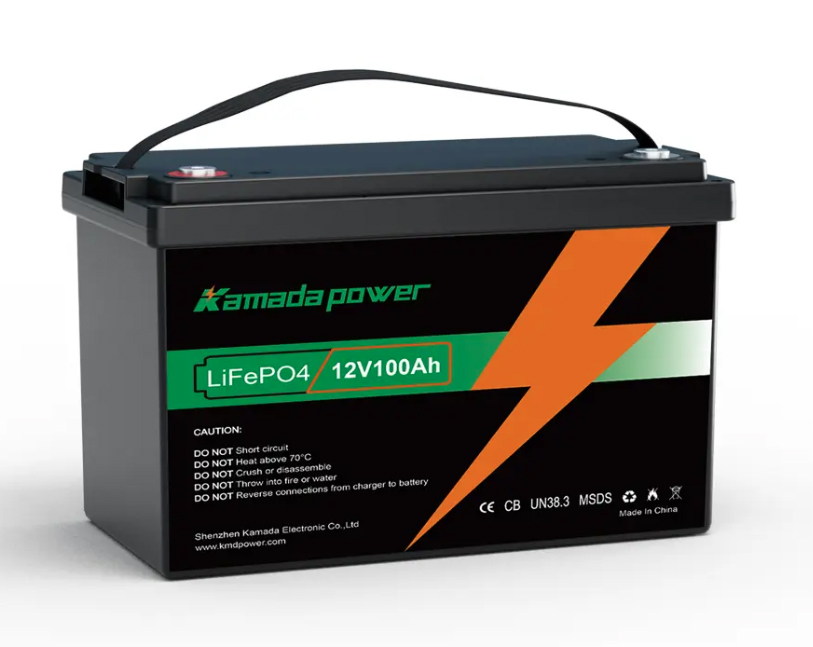
Kamada Power 12V 100Ah Lifepo4 Batterie
Was passiert, wenn man eine LiFePO4-Lithiumbatterie unter dem Gefrierpunkt auflädt?
Um zu verstehen, warum das Laden in kaltem Zustand so gefährlich ist, müssen wir uns den mikroskopischen "Tanz" ansehen, der im Inneren Ihrer Batterie stattfindet.
Lithiumplattieren" bei niedrigen Temperaturen verstehen
In einer gesunden Lithiumbatterie wandern die Ionen beim Laden von der positiven Elektrode zur negativen Elektrode (der Anode). Stellen Sie sich die Anode als einen riesigen, porösen Schwamm vor. Bei normalen Temperaturen dringen die Lithiumionen leicht in den Schwamm ein - ein Prozess, den Ingenieure als Einfügung.
Wenn die Temperatur jedoch unter den Gefrierpunkt sinkt, verhärtet sich dieser "Schwamm" effektiv. Die chemische Reaktion verlangsamt sich, und die Lithium-Ionen haben es viel schwerer, in die Anode einzudringen. Anstatt sich einzulagern, "prallen" sie von der Oberfläche ab und beginnen, die Anode mit einer Schicht aus metallischem Lithium zu überziehen. Dies nennen wir Lithium-Beschichtung.
Warum Lithiumplattierung bleibende Schäden verursacht
Der Clou: Im Gegensatz zu einer Blei-Säure-Batterie, die nur aufgewärmt werden muss, um wieder "Schwung" zu bekommen, ist die Lithiumbeschichtung irreversibel.
- Kapazitätsverlust: Sobald sich diese Ionen in eine metallische Beschichtung verwandeln, werden sie "pensioniert". Sie können sich nicht mehr hin- und herbewegen, um Strom zu liefern, was bedeutet, dass Ihre 100-Ah-Batterie plötzlich nur noch 70 Ah fassen kann.
- Die Brandgefahr (Dendriten): Im Laufe der Zeit kann diese Schicht zu winzigen, scharfen Stacheln anwachsen, die Dendriten. Wenn diese Spitzen lang genug werden, können sie den Separator (die dünne Schicht, die die Batterie vor Kurzschlüssen schützt) durchstoßen. Wenn das passiert, besteht die Gefahr eines internen Kurzschlusses, eines thermischen Durchgehens oder sogar eines Brandes.
Laden vs. Entladen Ihrer Lithium-Batterie bei kaltem Wetter
Einer der häufigsten Punkte, die bei den Beschaffungsbeamten für Verwirrung sorgen, ist der Unterschied zwischen mit eine Batterie und Laden es.
Kann ich meinen LiFePO4-Akku auch bei Minusgraden entladen?
Ja. Sie können Ihre Lichter, Heizungen oder Motoren auch bei -4°F (-20°C) laufen lassen. Auch wenn sich die Batterie etwas schwächer anfühlt (Sie werden einen etwas stärkeren "Spannungsabfall" feststellen), führt die Entladung nicht zu einer Lithiumplattierung. Die Ionen bewegen sich aus der Anode, die nicht das gleiche strukturelle Risiko birgt.
Kann ich meinen LiFePO4-Akku unter 0°C (32°F) aufladen?
Die harte Antwort ist NEIN. Sie sollten einen Standard-LiFePO4-Akku unter keinen Umständen unter dem Gefrierpunkt aufladen. Selbst eine kleine "Erhaltungsladung" durch einen Solarregler kann den Plattierungsprozess auslösen. Wenn Ihr Fuhrpark im Winter in Minnesota im Freien geparkt ist, brauchen Sie aus B2B-Sicht ein System, das dies automatisch erledigt.
Sichere Praktiken für die Winterlagerung von Batterien bei kaltem Wetter
Wenn Sie Ihre Ausrüstung für die Saison einlagern:
- Trennen Sie das Ladegerät ab: Lassen Sie ein "schwimmendes" Ladegerät nicht eingeschaltet, wenn die Umgebung nicht beheizt ist.
- Teilweise Aufladung: Lagern Sie Lithium bei einem Ladezustand von etwa 50-80%.
- Isolieren: Selbst ein einfaches isoliertes Gehäuse kann verhindern, dass die interne Wärme der Batterie (durch den Gebrauch) zu schnell abgeleitet wird.
Was ist ein Niedertemperaturschutz in einem BMS und wie funktioniert er?
Dies ist der Ort, an dem die Batterie-Management-System (BMS) verdient seinen Unterhalt. Ein "intelligentes" BMS ist der Wächter über die Gesundheit Ihrer Batterie.
Wie Temperatursensoren Ihre Batterie schützen
Ein hochwertiges BMS umfasst mindestens einen (oft zwei oder drei) dedizierte Temperatursensoren, die direkt an den Zellen angebracht sind.
Die Logik: Wenn der Sensor eine Temperatur unter 0°C (32°F) feststellt, öffnet er den Ladestromkreis. Er sagt also: "Ich lasse dich Strom abziehen, um deine Lichter anzulassen, aber ich lasse keinen einzigen Ampere Ladestrom hinein, bis wir uns aufgewärmt haben."
Warum manche Batterien nicht vor niedrigen Temperaturen geschützt sind
Im Wettlauf um die niedrigsten Preise auf Websites wie Amazon oder eBay verzichten viele günstige Lithiumbatterien auf diese Funktion, um $10 an Komponenten zu sparen. Sie verlassen sich darauf, dass der Benutzer "vorsichtig ist". In einem professionellen oder industriellen Umfeld ist das Verlassen auf "Vorsicht" ein Rezept für eine 100% Ausfallrate. Wenn ein Techniker an einem frostigen Morgen vergisst, einen Schalter umzulegen, ist die Batterie im Eimer.
Selbstheizende Batterien: Die Premium-Lösung
Der neueste "Goldstandard" in der Branche ist die Selbstheizende Batterie. Wenn diese Batterien bei Frost einen Ladestrom spüren, schalten sie sich nicht einfach ab. Stattdessen leiten sie diese Energie in interne Heizelemente um (wie eine winzige Heizdecke für die Zellen). Sobald die Innentemperatur einen sicheren Wert von 5°C (41°F) erreicht hat, schaltet das BMS den Strom zurück zu den Zellen und beginnt mit dem Ladevorgang.
3 praktische Möglichkeiten, Ihre Lithium-Batterie im Winter zu schützen
Wie entscheiden Sie, welchen Weg Sie für Ihre Bewerbung wählen?
1. Kaufen Sie eine Batterie mit integrierter Niedrigtemperaturabschaltung (der "Industriestandard")
Dies ist die Lösung zum Einstellen und Vergessen". Für die meisten Wohnmobil-, Schiffs- und Solaranwendungen ist dies obligatorisch. Es ist eine Versicherung. Vielleicht können Sie an einem kalten Morgen nicht aufladen, aber Sie werden auch Ihre $800-Batterie nicht zerstören.
2. Wählen Sie einen selbstheizenden LiFePO4-Akku (die "Premium"-Lösung)
Wenn Ihre Anwendung eine 24/7-Betriebszeit erfordert, wie z. B. eine ferngesteuerte Sicherheitskamera oder eine netzunabhängige Telekommunikationshütte, können Sie es sich nicht leisten, auf die Sonne zu warten, um die Batterie zu erwärmen. Batterien mit Selbsterwärmung sind die einzige Möglichkeit, um sicherzustellen, dass Ihr System auch bei einem Schneesturm aufgeladen bleibt.
3. Externe Heizmatten oder Isolierung verwenden (die "DIY/Retrofit"-Option)
Wenn Sie bereits Batterien ohne Schutz gekauft haben, können Sie Ihren Batteriekasten mit Heizkissen für den Wohnmobiltank nachrüsten oder die gesamte Batteriebank in einen "klimatisierten" (beheizten) Raum bringen. Im Vergleich zu einer integrierten BMS-Lösung bedeutet dies jedoch zusätzliche Komplexität und mehr Fehlerquellen.
Schlussfolgerung
Der Schutz vor niedrigen Temperaturen ist kein Schnickschnack, sondern eine wichtige Versicherung für jeden, der von Blei-Säure auf Lithium umsteigt. Eine Ladung unter dem Gefrierpunkt ist der schnellste Weg, eine zehnjährige Investition in einen zweimonatigen Fehler zu verwandeln, und unserer Erfahrung nach überwiegt der Seelenfrieden, den ein automatisches BMS- oder Selbstheizungssystem bietet, bei weitem die Anschaffungskosten. Kontakt zu Kamada Power unser Team für Batterietechnik, um eine auf Sie zugeschnittene Batterielösung zu entwickeln.
FAQ
Was passiert, wenn ich meinen LiFePO4-Akku bei 25°F lade?
Sie sehen vielleicht nicht sofort Rauch, aber Sie verursachen "Mikroschäden". Jede Minute des Ladens unter dem Gefrierpunkt lässt die Anode verglühen, was die Kapazität dauerhaft verringert und das Risiko eines Kurzschlusses erhöht.
Benötigen AGM- oder Blei-Säure-Batterien einen Tieftemperaturschutz?
Nein. Die Blei-Säure-Chemie ist bei Kälte viel "verzeihender". Man kann sie bei -20 °C aufladen, obwohl sie die Ladung nicht sehr effizient annehmen. Aus diesem Grund ist Lithium nicht immer die richtige Wahl für jede Anwendung - manchmal ist "old school" robuster.
Kann ich meine Lithiumbatterie im Winter draußen aufbewahren?
Ja, solange sie nicht aufgeladen wird. Tatsächlich haben Lithiumbatterien bei kaltem Wetter eine geringere Selbstentladung. Stellen Sie einfach sicher, dass Sie sie auf Raumtemperatur aufwärmen, bevor Sie sie im Frühjahr an ein Ladegerät anschließen.
Was ist, wenn mein Ladegerät über einen "Kaltlademodus" verfügt?
Seien Sie vorsichtig. Einige Ladegeräte behaupten, dass sie Lithium in der Kälte aufladen können, indem sie den Strom "pulsieren" lassen. Die meisten Batterieingenieure (mich eingeschlossen) halten dies für riskant. Es ist viel sicherer, den Schutz auf der Ebene der Batterie (BMS) zu haben, als sich auf das Ladegerät zu verlassen.