Verstehen Autobatterie Strom: AC oder DC? Wir alle kennen die Panik vor dem 4%-Laptop-Akku, wenn wir bei einer Inspektion vor Ort feststellen, dass eine normale Steckdose keinen Platz im elektrischen System eines Fahrzeugs hat. Diese Frustration rührt von einem grundlegenden physikalischen Unterschied her: Während Sie zu Hause Wechselstrom (AC) verwenden, liefern Autobatterien 12V DC (Gleichstrom) um die Bordelektronik mit Strom zu versorgen. In diesem Leitfaden erfahren Sie, warum Autos auf der Gleichstromspur bleiben, wie Lichtmaschinen die Lücke schließen und wie Sie AC-betriebene Geräte sicher betreiben können, ohne Ihre teure Hardware zu verheizen.
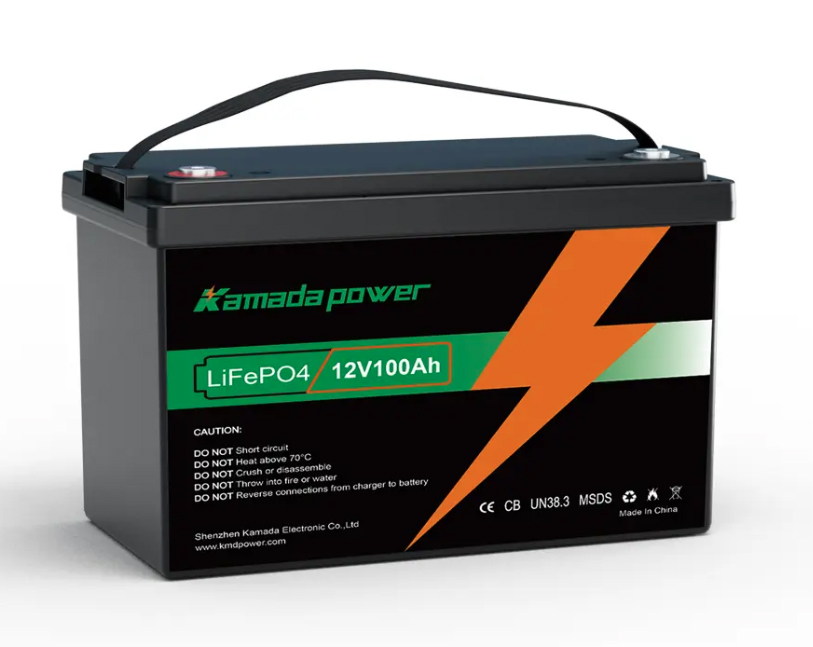
Kamada Power 12v 100Ah Lifepo4 Batterie
AC- und DC-Strom für Autos: Was ist der Unterschied?
Bevor wir uns mit den technischen Einzelheiten befassen, sollten wir die Verwirrung um den Begriff "Strom" aufklären. Elektrizität ist nicht nur eine Geschmacksrichtung; es geht darum, wie sich diese winzigen Elektronen tatsächlich durch einen Draht bewegen.
Was ist Gleichstrom (DC) in Autobatterien?
Gleichstrom ist genau das, wonach es klingt: eine Einbahnstraße. In einem Gleichstromsystem fließen die Elektronen in einer einzigen, konstanten Richtung vom Minuspol zum Pluspol.
Die Analogie: Stellen Sie sich Gleichstrom wie einen Fluss vor, der einen Berg hinunterfließt. Das Wasser (die Elektronen) bewegt sich nur in eine Richtung. Es ist gleichmäßig, vorhersehbar und lässt sich leicht in einem "Reservoir" speichern - in diesem Fall ist es Ihre Batterie. Aus diesem Grund sind Batterien, Solarzellen und Brennstoffzellen von Natur aus Gleichstromquellen.
Was ist AC (Alternating Current)?
Wechselstrom ist der Standard für das Stromnetz und Ihr Zuhause. Anstatt in eine Richtung zu fließen, wechseln die Elektronen schnell die Richtung - hin und her, hin und her. In den USA geschieht dies 60 Mal pro Sekunde (60 Hz).
Die Analogie: Stellen Sie sich AC wie eine Kappsäge mit zwei Personen vor, die einen Stamm sägt. Das Blatt bewegt sich hin und her, um die Arbeit zu erledigen. Das ist zwar unglaublich effizient, wenn es darum geht, Strom über große Entfernungen zu transportieren (z. B. von einem Kraftwerk in Ihre Stadt), aber Sie können eine Hin- und Herbewegung nicht in einer statischen chemischen Batterie "speichern".
Vergleichstabelle AC vs. DC
| Merkmal | DC (Gleichstrom) | AC (Wechselstrom) |
|---|
| Elektronenfluss | Einseitiger konstanter Strom | Wechselt schnell die Richtung (hin und her) |
| Primäre Quelle | Batterien, Solarzellen, Dynamos | Kraftwerke, Wandsteckdosen |
| Bewerbung Auto | Versorgt ECUs, Lichter, Sensoren, Starter | Erzeugt von der Lichtmaschine (dann umgewandelt) |
| Lagerung | Kann in chemischen Batterien gelagert werden | Kann nicht direkt gespeichert werden |
| B2B-Dienstleistung | Ideal für tragbare Systeme mit niedriger Spannung | Ideal für Hochspannung und große Entfernungen |
Warum Autobatterien Gleichstrom verwenden - eine Erklärung
Aus unserer Erfahrung in der Zusammenarbeit mit Industriekunden stellt sich oft die Frage: "Wenn Wechselstrom so effizient ist, warum haben wir dann nicht einfach Wechselstrombatterien gebaut?" Nun, die Gesetze der Chemie haben einen anderen Plan.
Batteriechemie: DC von Natur aus
Unabhängig davon, ob es sich um eine herkömmliche geflutete Bleisäurebatterie, eine AGM-Batterie (Absorbent Glass Mat) oder eine hochwertige LiFePO4-Batterie (Lithium-Eisen-Phosphat) handelt, haben sie alle ein gemeinsames Merkmal: Lagerung von Chemikalien. Batterien erzeugen Strom durch eine chemische Reaktion zwischen zwei verschiedenen Platten und einem Elektrolyt. Bei dieser Reaktion entsteht natürlich ein Elektronenüberschuss auf der einen und ein Elektronenmangel auf der anderen Seite. Wenn Sie den Stromkreis schließen, fließen die Elektronen in eine Richtung, um die Situation auszugleichen. Die Physik lässt es einfach nicht zu, dass eine Batterie ihre chemischen Pole 60 Mal pro Sekunde "umdreht". Jede Batterie, die jemals hergestellt wurde - von der AAA-Batterie in Ihrer Fernbedienung bis hin zu einem riesigen Tesla-Megapack - ist ein Gleichstromgerät.
Automobilelektronik Bevorzugt DC
Das "Gehirn" Ihres Autos - die ECU (Engine Control Unit) - ist ein empfindliches Stück Hardware. Moderne Fahrzeuge sind im Wesentlichen rollende Computer, die mit Sensoren, LiDAR und Infotainmentsystemen ausgestattet sind. Diese digitalen Komponenten benötigen eine sehr stabile, konstante "Niederspannungs"-Versorgung, um störungsfrei zu funktionieren. Wechselstrom ist im Vergleich dazu "verrauscht"; das ständige Umschalten der Richtung würde bedeuten, dass jeder einzelne Sensor einen eigenen internen Wandler benötigt, was zu einem enormen zusätzlichen Gewicht und Kosten führt.
Wechselstrom-Gleichstrom-Umwandlung von Lichtmaschinen in Autos
Hier ist der "Plot Twist" für die Ingenieure im Raum: Ihr Auto ist tatsächlich tut während der Fahrt Wechselstrom erzeugen. Das bleibt aber nicht lange so.
Wie die Lichtmaschine Wechselstrom erzeugt
Die Autobatterie eignet sich hervorragend zum Anlassen des Motors, aber es ist die Lichtmaschine der die schwere Arbeit übernimmt, sobald Sie in Bewegung sind. Die Lichtmaschine funktioniert, indem sie ein Magnetfeld in Drahtspulen dreht. Aufgrund der Funktionsweise der elektromagnetischen Induktion erzeugt dieser Prozess natürlich Wechselstrom (AC).
Der Gleichrichter: Umwandlung von AC in DC
Da Ihre Batterie keinen Wechselstrom speichern kann und Ihre Elektronik ihn nicht nutzen kann, hat die Lichtmaschine einen eingebauten "Übersetzer", der als Gleichrichter. Diese Komponente verwendet Dioden-die im Wesentlichen Einwegventile für Strom sind, um den hin- und hergehenden Wechselstrom in einen gleichmäßigen, einseitigen Gleichstrom zu verwandeln.
Wenn Ihr Gleichrichter ausfällt (ein häufiges Problem bei der Wartung in der Industrie), kann "roher" Wechselstrom in Ihr System eindringen und dazu führen, dass Ihr Radio brummt, Ihre Lichter flackern und schließlich Ihre Batterie durch den Versuch, sie "rückwärts" zu laden, zerstört wird.
Betrieb von AC-Geräten mit einer 12V-Autobatterie
Wenn Sie als Beschaffungsverantwortlicher eine Flotte von Außendienstfahrzeugen ausstatten wollen, wissen Sie, dass Ihre Techniker vor Ort Laptops, Diagnosewerkzeuge und manchmal sogar kleine Elektrowerkzeuge verwenden müssen. Dazu benötigen Sie ein Wechselrichter.
Verwendung eines Wechselrichters: Schritt für Schritt
- Prüfen Sie den Strombedarf: Achten Sie auf die "Wattleistung" Ihres Geräts. Ein Laptop braucht vielleicht 90 W, während eine schwere Bohrmaschine 1.500 W benötigt. Vergewissern Sie sich, dass Ihr Wechselrichter für die "Spitzen-" und "Dauerlast" ausgelegt ist.
- Wechselrichter an die Batterie anschließen: Für Geräte mit geringer Leistung reicht ein Stecker für den Zigarettenanzünder aus. Bei Geräten mit einer Leistung von mehr als 150 W empfehlen wir immer, sie mit dicken Kabeln direkt an die Batteriepole anzuschließen, um das Durchbrennen von Sicherungen zu vermeiden.
- Wählen Sie den Ausgabetyp: Dies ist die wichtigste Entscheidung (siehe unten).
- Anschließen und überwachen: Lassen Sie den Motor immer laufen, wenn Sie Geräte mit hoher Leistung länger als ein paar Minuten benutzen, sonst brauchen Sie vor dem Mittagessen eine Starthilfe.
Die Wahl des richtigen Wechselrichters: Rein oder modifiziert
- Reine Sinuswelle (empfohlen): Damit wird der "saubere" Wechselstrom aus der Steckdose perfekt nachgeahmt. Es ist unverzichtbar für Laptops, medizinische Geräte und alles mit einem empfindlichen Mikroprozessor.
- Modifizierte Sinuswelle: Dies ist eine billigere, "blockige" Version von AC. Sie eignet sich für einfache Dinge wie alte Glühbirnen oder einfache Lüfter, kann aber zu "Geisterbildern" auf Bildschirmen führen und sogar den Stromversorgungsbaustein eines High-End-MacBook oder einer Dell-Workstation dauerhaft beschädigen.
Profi-Tipp: Unserer Erfahrung nach macht sich der Mehrpreis von 30% für einen reinen Sinus-Wechselrichter bezahlt, da er den Austausch eines $2.000 Feld-Laptops verhindert.
EV-Batteriestrom: DC vs. AC erklärt
Elektrofahrzeuge (EVs) nehmen diese Komplexität und erhöhen sie auf elf.
EV-Batteriepacks sind immer noch DC
Ob Tesla Model 3 oder Nissan Leaf, die riesige Batterie im Boden speichert Energie in Form von Hochspannungs-Gleichstrom (oft 400 V oder 800 V). Wenn Sie einen "DC-Schnelllader" aufsuchen, pumpt die Station Gleichstrom direkt in die Batterie.
AC-Motoren in E-Fahrzeugen
Die meisten modernen Elektrofahrzeuge verwenden AC-Induktionsmotoren oder Permanentmagnet-AC-Motoren, weil sie unglaublich effizient und zuverlässig sind. Das bedeutet, dass jedes EV einen massiven, leistungsstarken Wechselrichter die den Gleichstrom aus der Batterie in Wechselstrom umwandelt, um das Auto in Bewegung zu setzen. Es handelt sich um einen geschlossenen Kreislauf, der das Beste aus beiden Welten bietet: die Speicherung von Gleichstrom und die mechanische Effizienz von Wechselstrom.
Schlussfolgerung
Letztlich schreibt die Physik vor, dass Autobatterien bleiben eine Gleichstromquelle für eine stabile Speicherung, auch wenn mobile Büros zunehmend Wechselstrom benötigen. Während Wechselrichter diese Lücke überbrücken, erfordert die Sicherstellung, dass Ihre Hardware die Arbeit an entfernten Standorten überlebt, eine robuste, leistungsstarke Stromversorgungsgrundlage.
Suchen Sie mehr als nur eine Standardeinrichtung? Kontakt unser Batterie-Engineering-Team heute, um eine leistungsstarke 12-V-Autobatterie System, das genau auf Ihre Anwendung zugeschnitten ist.
FAQ
Kann eine 12-V-Autobatterie Sie schockieren?
Im Allgemeinen nicht. 12 Volt Druck sind nicht genug, um den natürlichen Widerstand der menschlichen Haut zu durchbrechen. Autobatterien können jedoch eine enorme Stromstärke. Wenn Sie einen Schraubenschlüssel über die Pole fallen lassen, können die entstehenden Funken und die Hitze schwere Verbrennungen verursachen oder sogar die Batterie explodieren lassen. Respektieren Sie den Strom, auch wenn er Sie nicht "schockiert".
Ist der Stecker des Zigarettenanzünders im Auto AC oder DC?
Sie ist 12 V GLEICHSTROM. Es ist buchstäblich ein direkter Anschluss an das Gleichstromsystem Ihres Autos. Jedes Gerät, das Sie dort anschließen, muss für Gleichstrom ausgelegt sein, oder Sie müssen einen Wechselrichter verwenden.
Warum verwenden Autos keine Klimaanlagen wie Häuser?
Weil wir Wechselstrom nicht speichern können. Wenn Autos mit Wechselstrom betrieben würden, bräuchten wir einen massiven, schweren und ineffizienten Drehstromkonverter oder einen riesigen Wechselrichter, der rund um die Uhr läuft, nur um die Uhr auf dem Armaturenbrett am Laufen zu halten. Gleichstrom ist einfach die logischste Wahl für tragbare, batteriegestützte Systeme.
Kann ich einen Laptop direkt mit einer Autobatterie betreiben?
Nicht direkt. Ihr Laptop benötigt normalerweise etwa 19 V Gleichstrom, und Ihr Auto liefert 12 V Gleichstrom. Sie benötigen entweder einen "DC-to-DC Boost Converter" speziell für Ihren Laptop oder einen Standard-Wechselrichter.