Jak 12V 200Ah sodíková baterie Poráží Jižní Afriku 2h Loadshedding. 18:00 v Joburgu. Klikněte. Tma. Stupeň 4 vypínání zátěže - je právě úterý. Viděli jsme, jak se olověné záložní zdroje během několika měsíců staly těžítky, protože nezvládly neúprosné cykly Eskomu "sprint-obnova-sprint". Problém není ve střídači, ale v chemii. Na scénu přichází 12V 200Ah sodíkovo-iontová baterie. Tento průvodce rozebírá, jak tento zdroj energie přežije brutální zátěžový test 2 hodiny vybíjení/4 hodiny nabíjení, který zabíjí tradiční úložiště.
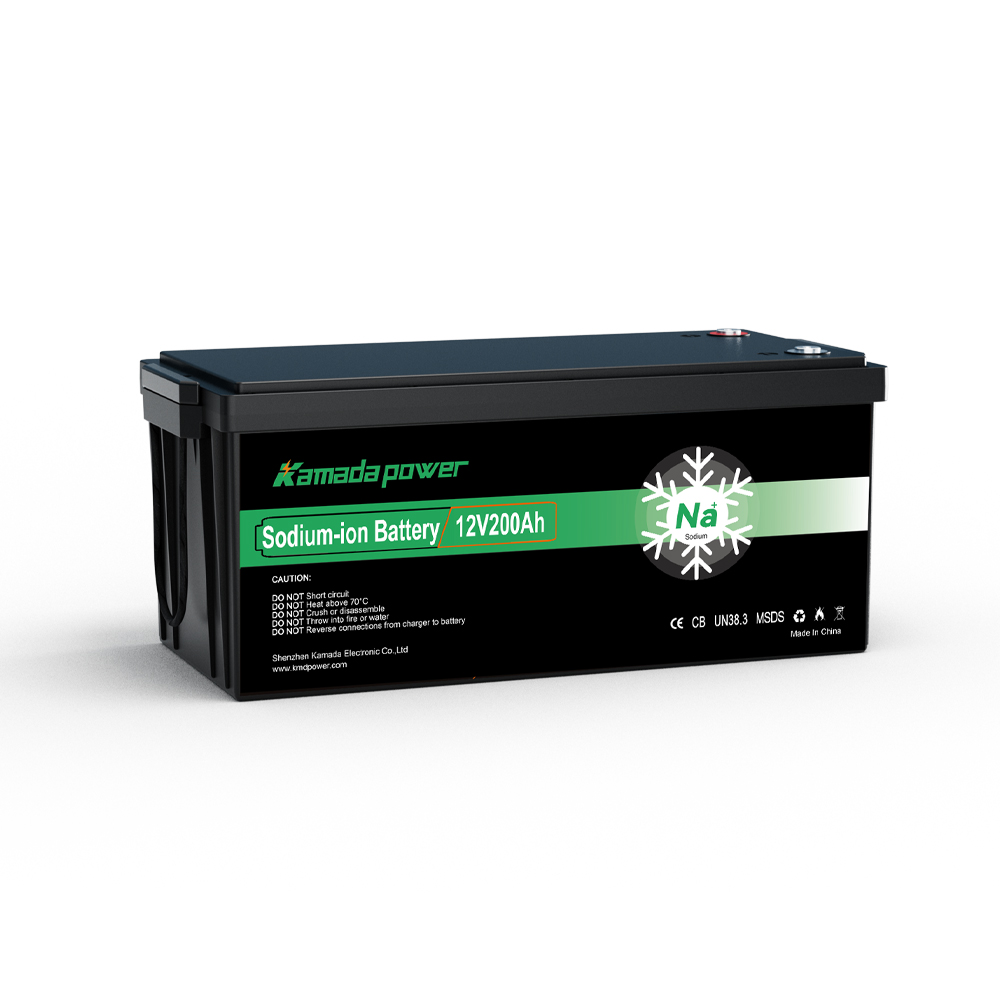
Kamada Power 12V 200Ah sodíkoiontová baterie
Proč vypínání zátěže ničí baterie: Skrytý nepřítel
Pokud chcete pochopit, proč vaše současné baterie selhávají, musíte pochopit. Cyklování v částečném stavu nabití (PSOC). Většina baterií, zejména olověných, jako jsou AGM nebo gelové, je jako maratonský běžec. Nejšťastnější jsou, když jsou plně nabité a jen občas jsou požádány o dlouhý, pomalý běh.
Odpojování zátěže mění pravidla. Po běžci se požaduje, aby sprintoval 100 metrů, pět minut běžel a pak znovu sprintoval - celý den. Technicky řečeno, když společnost Eskom přeruší dodávku elektřiny na dvě hodiny a obnoví ji pouze na čtyři, vaše baterie se jen zřídkakdy dostane do stavu nabití 100% (SoC), než nastane další výpadek.
Olověný zabiják: Sulfatace U olověných akumulátorů vede setrvání v "polovičním" nebo částečně nabitém stavu k nevratným následkům. sulfatace. Krystalky síranu olovnatého na deskách baterie ztvrdnou a trvale snižují její kapacitu. Podle toho, co jsme viděli v terénu, může olověný akumulátor dimenzovaný na 500 cyklů vydržet pouze 150 cyklů při stupni 4 vyřazení zátěže. To je méně než šest měsíců reálného používání.
Sodíkovo-iontová bateriese však daří tam, kde olověné akumulátory umírají. Netrpí sulfatací. Jejich vnitřní chemismus je pozoruhodně stabilní, i když jsou ponechány delší dobu nabité na 20% nebo 50%. Tato "odolnost" je přesně to, co jihoafrická domácnost potřebuje.
Zátěžový test společnosti Eskom: Analýza dvouhodinového vybíjení a čtyřhodinového dobíjecího cyklu
Chcete-li zjistit, zda 12V 200Ah sodíková baterie je skutečně schopen tohoto úkolu, musíme provést výpočty. Podívejme se na typický scénář s vysokou poptávkou po bydlení.
Co vám vlastně dá 12V 200Ah sodíková baterie během dvouhodinového slotu? Podívejme se na realistickou "základní zátěž" pro moderní domácnost:
- Směrovač Wi-Fi a optický ONT: 15W
- Osvětlení LED (cca 8 žárovek): 40W
- 55" LED TV + Streaming Box: 100W
- Dvě nabíječky pro notebooky: 65W
- Chladnička s mrazničkou (moderní invertorový typ, cyklování): ~200W prům.
- Celkové zatížení: ~420 W.
Matematika: 420W vynásobeno dvouhodinovým výpadkem se rovná 840 watthodin (Wh) spotřebované energie. Protože používáme 12V systém, vydělíme 840Wh 12 V a získáme hodnotu 70 ampérhodin (Ah).
Výsledek: 200Ah sodíková baterie má využitelnou kapacitu přibližně 180Ah (za předpokladu konzervativní hloubky vybití 90%). Vytáhnout 70Ah ze 180Ah nádrže znamená, že jste použili pouze asi 70Ah. 39% využitelné energie. Jedná se o "nízkonapěťový" výboj. Na rozdíl od olověného akumulátoru, kde by vytažení 40% způsobilo obrovský pokles napětí, sodíkový akumulátor udržuje stabilní napěťovou křivku, takže vaše elektronika je spokojená.
Fáze 2: Čtyřhodinový závod o dobití energie (výhoda sodíku)
Zde se bitva vyhrává nebo prohrává. Při scénáři fáze 4 nebo 6 máte obvykle k dispozici pouze 4 hodiny napájení ze sítě, abyste mohli "natankovat".
Výzva: Těch 70 Ah musíte vrátit zpět do baterie. Olověné akumulátory mají jednu zásadní vadu: nabíjejí se velmi pomalu, jakmile dosáhnou kapacity 80% (fáze "absorpce"). Je to jako snažit se dokončit maraton chůzí posledních 5 mil.
Funkce sodíkového zabijáka: Vysoký příjem náboje Sodíkové baterie mají pozoruhodně vysokou kapacitu. Míra akceptace poplatků. Mohou odebírat obrovské množství proudu téměř až do 100%. K doplnění 70Ah za 4 hodiny potřebujete trvalý nabíjecí proud asi 18-20 A (s přihlédnutím k určité ztrátě účinnosti).
Standardní 20A nebo 30A hybridní střídač může tento proud bez problémů přenášet. Protože sodíková baterie na konci cyklu "neodolá" nabíjení, dosáhne 100% SoC během 4 hodin. Do dalšího výpadku proudu tak půjdete s plnou nádrží. Olověný akumulátor ve stejné situaci může obnovit pouze 50 Ah, takže vám zůstane "čistý deficit", který nakonec vede k úplnému zhroucení systému.
Je 12V 200Ah sodíková baterie vhodná pro vaši domácnost?
Pokud jste úředník, který se zabývá hromadným nákupem pro obytné domy, nebo majitel domu, který se snaží najít řešení pro svépomocí, řiďte se touto logikou:
- Seznam základních věcí: Nepokoušejte se spustit troubu nebo gejzír. Zaměřte se na Wi-Fi, zabezpečení (kamerový systém/elektrický plot), ledničku a světla.
- Sčítání wattů: Jako výchozí hodnotu použijte výše uvedený příklad s výkonem 420 W. Pokud máte špičkový herní počítač nebo přístroj CPAP, přidejte tyto výkony (obvykle 300 W, resp. 60 W).
- Vypočítejte si svůj rozpočet na energii: Vezměte celkový počet wattů a vynásobte ho dobou trvání výpadku (obvykle 2 hodiny, ale pro fázi 6 počítejte se 4 hodinami).
- Příklad: 500 W x 4 hodiny = 2000 Wh.
- Zkontrolujte rozpočet baterie: 12V 200Ah sodíková baterie poskytuje:
12V x 200Ah = 2400 Wh (celková kapacita)2400 Wh x 0,9 (DoD) = 2160 Wh (využitelná energie)
- Verdikt: Pokud je váš požadavek na 4 hodiny provozu nižší než 2160 Wh, je ideální jedna 12V 200Ah jednotka. Pokud ji překročíte, budete muset použít dvě paralelní jednotky.
Sodíkové baterie vs. LiFePO4 vs. olověné baterie: V souboji o snížení zátěže
Průmysloví inženýři se nás často ptají: "Proč nepoužít jen lithium (LiFePO4)?" Lithium je fantastické, Sodíkovo-iontová baterie je často "vhodnějším" nástrojem pro jihoafrický rezidenční trh.
| Funkce | Sodný iont (Na-iont) | Lithium (LiFePO4) | Olověné (AGM/Gel) |
|---|
| Životnost cyklu PSOC | 5 000+ (výborně) | 3 000 - 6 000 (velmi dobré) | 300 - 500 (špatný) |
| Rychlost nabíjení | Nejrychlejší | Rychle | Pomalý |
| Bezpečnost | Výjimečné (nehořlavé) | Vysoká (stabilní) | Střední (riziko odvětrání) |
| Extrémní teploty | -20 °C až 60 °C (bezkonkurenční) | 0 °C až 45 °C (citlivý) | Mírná |
| Počáteční náklady | Mírná | Vysoká | Nízká |
| Hodnota životnosti (LCOS) | Nejnižší náklady na cyklus | Mírně nízká | Nejvyšší náklady |
Od a Levelizované náklady na skladování (LCOS) z hlediska perspektivy v Jihoafrické republice vítězí sodíkové ionty, protože lépe než lithium snášejí horko gautengského léta a chlad zimy v Highveldu, a to vše za přijatelnější cenu.
Kompatibilita měniče a poznámky k instalaci pro instalatéry
Pro instalatéry, kteří čtou tento článek: Kompatibilita je jednodušší, než si myslíte.
Většina moderních hybridních střídačů (Sunsynk, Victron, Deye atd.) umožňuje "uživatelsky definované" nastavení baterie. Protože napěťová křivka 12V sodíkové baterie je relativně blízká lithiové, nepotřebujete specializovaný "sodíkový měnič".
Typická nastavení sodíku 12 V, která doporučujeme:
- Hromadné/absorpční napětí: 14,4 V - 14,6 V
- Napětí plováku: 13,6 V - 13,8 V
- Vypnutí nízkého napětí: 10,5 V (pro 90% DoD)
- Maximální nabíjecí proud: 0,5C (100 A pro 200Ah baterii, i když 50 A je pro většinu domácností dostačující).
Jeden z reálných případů použití, na který jsme nedávno dohlíželi, se týkal malé lékařské kliniky v Durbanu. Přešli z gelových baterií na sodíko-iontové, protože jejich chladničky na vakcíny nezvládaly poklesy napětí během fáze 6. Sodíkové baterie poskytovaly stabilní 12V výstup až do vyčerpání poslední ampérhodiny, čímž ušetřily tisíce randů na zásobách.
Závěr
Odpojování zátěže v dohledné době nezmizí, ale éra výměny vybitých olověných akumulátorů každých šest měsíců by měla skončit. Na stránkách 12V 200Ah sodíková baterie je dlouhodobé řešení navržené pro vysokofrekvenční a částečně dobíjecí realitu jihoafrické sítě.
Výběrem sodíkové baterie investujete do chemie, které nevadí poloviční nabití, která se nezapálí a nevyhasne při zvýšení teploty. Jde o spolehlivost a v konečném důsledku o klid na duši.
Kontaktujte společnost kamada power dnes pro přizpůsobená sodíko-iontová baterie řešení.
ČASTO KLADENÉ DOTAZY
Co se stane během fáze 6 vypínání zátěže se čtyřhodinovým výpadkem?
Pokud máte před sebou 4hodinový slot, budete z 200Ah baterie odebírat přibližně 140 Ah (na příkladu 420W zátěže). To je více než při 2hodinovém slotu, ale stále v rámci 90% DoD sodíkové baterie. Skutečným "spojkovým" faktorem je 2hodinové dobíjecí okno, které vám Stage 6 často poskytuje. Schopnost sodíku přijímat nabíjecí proud 50 A nebo 80 A znamená, že v tomto krátkém okně můžete do baterie získat zpět značnou energii - což olověný akumulátor jednoduše nedokáže.
Mohu začít s jednou 200Ah baterií a později přidat další?
Rozhodně. Jednou z nejlepších věcí na systému Sodium-ion je jeho paralelní škálovatelnost. Z našich zkušeností vyplývá, že mnoho majitelů domů začíná s jednou 200Ah jednotkou pro světla a Wi-Fi a o šest měsíců později přidají druhou jednotku pro napájení zábavního systému nebo dalších spotřebičů. Stačí se ujistit, že kabely jsou stejně dlouhé, aby se zátěž vyrovnala.
Je sodíkovo-iontová baterie v garáži opravdu bezpečná?
Ano, jedná se pravděpodobně o nejbezpečnější chemickou technologii baterií na komerčním trhu. Na rozdíl od tradičních lithiových (NMC), které mohou být náchylné k tepelnému vybíjení, nebo olověných, které mohou při přebíjení uvolňovat výbušný plynný vodík, jsou sodíkové baterie nehořlavé a chemicky stabilní. Lze jej dokonce zcela vybít na nulové napětí pro bezpečnou přepravu - s tím se lithium nemůže rovnat.
Mohu použít starou olověnou nabíječku pro sodíkovou baterii?
Co když je vaše nabíječka "hloupá" nabíječka ze staré školy? Nedoporučujeme ji. I když může v nouzi fungovat, sodíkovým bateriím prospívá nabíjecí profil CC/CV (konstantní proud/konstantní napětí), který se nachází v moderních inteligentních nabíječkách nebo hybridních měničích. Chcete-li ochránit svou investici a zajistit životnost 5 000+ cyklů, používejte kompatibilní střídač nebo specializovanou nabíječku pro Na-ion baterie.