Se está a construir um sistema moderno de energia doméstica, o primeiro passo mais importante é separar duas ideias muito diferentes: V1G (Carregamento inteligente)-Controlo unidirecional que programa quando o seu VE carrega para obter tarifas baratas, absorver o excedente solar ou participar na resposta à procura - e V2H (Veículo para casa)-exportação de energia bidirecional que pode alimentar parte (ou a totalidade) da sua casa, incluindo durante cortes de energia, apenas quando o sistema foi concebido para ser seguro insularidade (isolamento da rede/anti-isolamento). O utilizador pode combinar V1G e V2H numa "microrrede" doméstica flexível, mas os obstáculos de engenharia e de licenciamento são reais, pelo que o objetivo é uma topologia que funcione hoje, permaneça em conformidade com o código e evite que se fique preso ao ecossistema errado antes de as normas e os produtos estarem totalmente maduros.
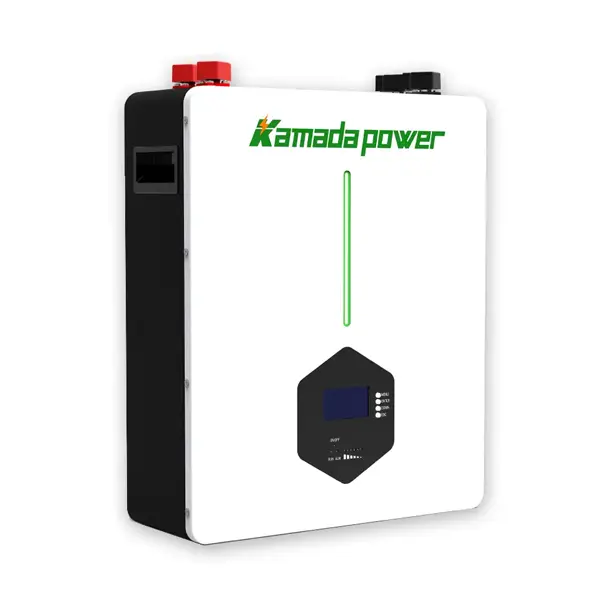
Bateria doméstica Kamada Power 10kWh Powerwall
O que significa realmente "bidirecional" (V2H, V2L, V2G, V1G)
Carregamento bidirecional significa que a energia pode fluir da bateria do VE para um sistema elétrico externo - e não apenas para a bateria.
Aqui está a descrição clara que pode utilizar em todas as conversas de planeamento:
| Prazo | Nome completo | Fluxo de energia | Para que serve | Backup de interrupções? |
|---|
| V1G | Carregamento inteligente | Rede/Solar → VE | Reduzir o custo de carregamento, absorver a energia solar, evitar picos de TOU | Não |
| V2L | Veículo para carga | EV → Aparelhos/ferramentas | Alimentação portátil através de tomadas/adaptadores | Por vezes (apenas pequenas cargas) |
| V2H | Veículo para casa | EV → Painel doméstico | Backup de toda a casa ou de cargas críticas, autoconsumo | Sim (com isolamento adequado) |
| V2G | Veículo para rede | EV → Rede de serviços públicos | Exportação para a rede / programas VPP (quando permitido) | Não é o objetivo principal |
O grande esclarecimento que falta na maioria dos artigos: V2L ≠ V2H
- V2L é normalmente "energia das tomadas". A página Powershare da Tesla distingue mesmo a utilização de tomadas a bordo versus cópia de segurança domésticaque requer equipamento suplementar.
- V2H é a integração no seu sistema elétrico domésticoque desencadeia requisitos de código, segurança e utilidade.
A parte difícil: Colocação em ilha (Porque é que o V2H é um sistema, não uma ficha)
Quando a rede é desligada, um sistema V2H deve isolar a casa da rede eléctrica para que a sua casa não "retroceda" a energia para as linhas mortas.
Esse isolamento é efectuado por um gateway / dispositivo de transferência / comutador de nível de serviçoe não apenas pelo VE. Por outras palavras:
O VE é a fonte de energia. O gateway de backup doméstico é o sistema de segurança.
Os fabricantes que oferecem um verdadeiro V2H de apoio domiciliário explicitam este facto:
- Tesla's Pacote de backup doméstico Powershare pares o Conector de parede universal com um Gateway Powersharee requer uma instalação profissional.
- A capacidade EV9 V2H da Kia requer hardware adicional, incluindo um Unidade de recuperação de energia (PRU)O carregador, por si só, não é suficiente para fazer face a um apagão.
Duas arquitecturas que verá na natureza (e porque é que isso é importante)
Existem duas vias comuns de engenharia:
A) Conversão fora de bordo (o carregador/inversor faz o trabalho pesado)
Um carregador bidirecional + gateway exporta energia para a casa e controla a ligação em ilha.
- Prós: Pode ser um modelo limpo de "aparelho de energia doméstica" que os serviços públicos compreendem.
- Contras: Frequentemente dispendioso e a compatibilidade é objeto de um controlo rigoroso.
O ecossistema EV9 + Wallbox da Kia é um bom exemplo em que a solução é claramente definida como um sistema (carregador + PRU + restrições de interligação).
B) Conversão a bordo (o veículo contém um inversor de apoio à rede)
O veículo contém o inversor e deve satisfazer as expectativas de interconexão.
É aqui que as normas são importantes:
- SAE J3072 define os requisitos de interconexão para sistemas de inversores de bordo de apoio à rede em veículos "plug-in".
- Os percursos de segurança e certificação fazem frequentemente referência a normas como UL 9741 para equipamento de exportação de energia eléctrica de VE.
Conclusões práticas: Se um produto não estiver explicitamente listado/aprovado para a sua configuração e jurisdição, os projectos bidireccionais podem parar no licenciamento ou na interligação de serviços públicos.
Cenário 1: Utilizar o seu VE como bateria doméstica (V2H)
Uma bateria de um veículo elétrico moderno está normalmente na ordem dos ~60-100 kWh enquanto uma bateria estacionária, como uma Tesla Powerwall é 13,5 kWh. Isto significa que o VE pode oferecer aproximadamente ~4-7× a capacidade de energia de uma única bateria doméstica.
A capacidade é apenas metade da história: Potência (kW) importa
Não precisa apenas de energia (kWh). Precisa de energia suficiente potência contínua (kW) e um bom manuseamento de picos (compressores AVAC, bombas de poços, etc.).
Exemplo: Tesla afirma Cybertruck O Powershare pode fornecer até 11,5 kW contínuos para backup doméstico com o equipamento adequado.
Onde o V2H brilha
- Interrupções de longa duração onde quiser dias de resistência à carga crítica.
- Casas que já têm gestão de carga ou que podem ser configuradas com subpainéis de carga crítica (refrigeração, iluminação, internet, tomadas, modesto HVAC).
Verificação da realidade: A "capacidade V2H" depende de automóvel + região + equipamento homologado
A partir do final de 2025/início de 2026, a forma mais defensável de descrever a compatibilidade é:
- Ford F-150 Lightning: A cópia de segurança doméstica é oferecida como uma solução definida com parceiros e hardware específico (sistema de integração doméstica).
- Cibercamião Tesla: O Powershare é explicitamente oferecido com um pacote dedicado de gateway/conetor de parede.
- Kia EV9 (E.U.A.): O V2H é apresentado como um ecossistema específico que requer a Wallbox Quasar 2 e uma PRU; nem todas as casas se qualificam e podem aplicar-se requisitos de serviço (por exemplo, 200A na comunicação).
Evitar a armadilha da plataforma: A expressão "Esta plataforma suporta V2H" é normalmente demasiado abrangente. Tratar a V2H como uma conjunto de soluções aprovadonão é uma caraterística genérica.
Cenário 2: Carregamento inteligente (V1G) + Solar + Bateria doméstica
Esta é a abordagem mais silenciosa e, muitas vezes, de maior rendimento, porque é amplamente implantável atualmente.
O problema
O carregamento durante as janelas TOU de pico pode ser dispendioso e o carregamento não gerido pode aumentar os encargos de procura (quando aplicável) ou sobrecarregar um serviço elétrico marginal.
A solução
- Carregamento inteligente V1G: Programar o carregamento de VE para corresponder ao excedente solar ou ao preço fora de horas de ponta.
- Bateria fixa: Armazenamento de energia solar a meio do dia, para depois alimentar a casa/EV.
Porque é que uma bateria estacionária continua a ser importante - mesmo quando se planeia V2H
Uma bateria doméstica fixa pode:
- Cobrir a casa quando o carro não está em casa
- Manter o comportamento solar/inversor mais previsível durante as interrupções (dependendo da conceção do sistema)
- Suporta ciclismo diário frequente com um design que é tipicamente optimizado para trabalho estacionário
6) V2H vs Bateria doméstica: Um confronto prático de hardware
| Caraterística | Sistema V2H | Bateria doméstica dedicada |
|---|
| Capacidade energética | Muito grande (à escala EV) | Mais pequena por unidade (frequentemente na classe de 10-20 kWh) |
| Disponibilidade de energia | Depende do sistema V2H (os limites de kW são importantes) | Conhecido/garantido pela conceção do inversor |
| Disponibilidade | O carro tem de estar em casa e ligado à corrente | Sempre ligado |
| Complexidade da instalação | Superior (porta de entrada + autorização + interbloqueio) | Moderado (ainda requer interconexão) |
| Melhor caso de utilização | Reserva profunda para interrupções raras e longas | Otimização diária + cópia de segurança fiável |
A melhor resiliência da sua classe utiliza frequentemente ambos
Uma arquitetura forte é:
- Bateria doméstica para otimização diária e comportamento de cópia de segurança sem falhas
- VE (V2H) como o "tanque de reserva profundo" para interrupções prolongadas
Economia: O que é que realmente impulsiona o ROI (e o que normalmente não o faz)
Gamas de custos (típicas, não universais)
As instalações bidireccionais variam muito porque o custo "real" é frequentemente comutador + mão de obra + atualização de painéis/serviços + autorizaçãoe não apenas o próprio carregador.
Uma forma fundamentada de pensar sobre o assunto:
- Adaptação V2H/bidirecional: frequentemente aterra no de vários milhares a cinco dígitos uma vez totalmente instalada (a região e o âmbito elétrico são dominantes).
- Sistema de bateria doméstica: normalmente cinco dígitos instaladoscom grandes variações regionais.
De onde vêm as poupanças
- Arbitragem energética: carregamento fora das horas de ponta e utilização da energia armazenada nas horas de ponta
- Autoconsumo solar: captar a produção do meio-dia em vez de exportar a taxas baixas
- Valor de resiliênciaperdas evitadas (deterioração de alimentos, perda de tempo de trabalho, canos congelados, etc.)
Incentivos / créditos fiscais (EUA): tratar como sensíveis ao fator tempo
Aqui está a chave: As orientações do IRS mudaram e podem entrar em conflito entre páginas.
- A página do IRS "Residential Clean Energy Credit" (Crédito Residencial para Energia Limpa) indica 30% para bens elegíveis (incluindo armazenamento de baterias) para sistemas instalados entre 2022 e 2032, com uma redução progressiva após essa data.
- Uma página posterior de FAQ do IRS sobre o OBBB (datada de 21 de agosto de 2025) refere A Secção 25D não será permitida para despesas efectuadas após 31 de dezembro de 2025.
O que fazer com isto enquanto proprietário de uma casa: Utilize os incentivos como um bónus, não como a base do seu modelo de ROI, e verifique com o orientações mais recentes do IRS (ou um profissional da área fiscal) antes de comprar hardware.
Implementação passo-a-passo (A Engenharia em Primeiro Lugar)
Passo 1: Cargas de mapas, não esperanças
Decida se precisa:
- Backup para toda a casa, ou
- Cargas críticas (normalmente mais inteligente e mais barato)
Criar uma lista e uma estimativa da carga crítica:
- Pico kW
- Cargas de sobretensão (motores/compressores)
- kWh diários durante as interrupções
Passo 2: Confirme o número de série do seu veículo real capacidade
Não pergunte "Tem V2X?". Pergunte:
- É compatível com V2H especificamente na vossa região?
- Com que hardware aprovado?
- Quais são os Limites de kW no modo de cópia de segurança doméstica?
Passo 3: Escolha uma topologia que não o encurrale
Se quiser "estar preparado para o futuro", estabeleça prioridades:
- Sistemas alinhados com as normas emergentes, tais como ISO 15118-20 (comunicação bidirecional)
- Equipamento certificado/listado adequadamente para utilização na exportação (por exemplo, UL 9741 caminhos)
Passo 4: Verificar previamente o serviço elétrico e a autorização
Antes de comprar qualquer coisa, verifique:
- Capacidade e estado do painel principal
- Tamanho do serviço (os requisitos de 200A aparecem nos relatórios V2H do mundo real para algumas configurações)
- Regras de interligação dos serviços públicos (exportação permitida? limite? desconexão necessária? sequência de inspeção?)
Passo 5: Contratar profissionais que tenham feito exatamente este trabalho
Os projectos bidireccionais falham quando os instaladores os tratam como "um carregador de veículos eléctricos maior". É necessário um eletricista e um integrador que o compreendam:
- Equipamento de transbordo
- Manuseamento do neutro/terra
- Gestão da carga
- Fluxo de trabalho de inspeção e aprovação de serviços públicos
Conclusão
A verdadeira questão não é "VE ou bateria doméstica?" - é a forma como estes activos funcionarão em conjunto ao longo da próxima década, em caso de interrupções, alterações de tarifas e evolução do hardware. Para a maioria das casas, o caminho mais inteligente é começar com Carregamento inteligente V1G (baixo atrito, alto valor), adicionar um bateria estacionária se a otimização diária e a garantia de cópia de segurança forem importantes, e se V2H apenas quando tiver uma solução confirmada e aprovada de veículo mais hardware e quando o seu serviço elétrico e a via de licenciamento o puderem suportar. Se pretende um sistema que funcione no mundo real - e não apenas nas folhas de especificações - mapeie primeiro as suas cargas, o risco de interrupções e os seus hábitos de carregamento, para que possa escolher o hardware com confiança e evitar retrabalhos dispendiosos.
FAQ
O V2H anula a garantia do meu automóvel?
Depende do facto de o fabricante de automóveis apoiar explicitamente o modo e o hardware necessário. Considerar "hardware aprovado + caso de utilização documentado" como a base de referência segura.
Posso funcionar totalmente fora da rede com V2H?
Alguns sistemas podem funcionar em modo isolado, mas muitos projectos assumem uma referência de rede para o funcionamento normal. Confirme o comportamento do seu inversor/gateway com o fabricante.
O V2H é mais barato do que comprar uma Powerwall?
Não automaticamente. O V2H pode ganhar em profundidade energética (kWh), enquanto uma bateria doméstica pode ganhar com simplicidade, disponibilidade e integração previsível.
Posso adicionar V2H mais tarde se já tiver energia solar?
Muitas vezes sim, mas deve verificar atempadamente a compatibilidade do inversor/gateway e as restrições do seu serviço/painel para evitar trabalhos de substituição dispendiosos.