LiPo vs Li-ion: Wat is het verschil? Ik heb ooit een project een week lang zien stagneren vanwege "LiPo vs. Li-ion" citaten, maar hier is de realiteit: de meeste "LiPo" batterijen zijn gewoon lithium-ion cellen in een zakformaat. Het onderscheid zit hem niet in de magische chemie, maar in praktische fysieke eigenschappen: vormflexibiliteit, hoge ontladingscapaciteit en mechanische kwetsbaarheid (risico van opzwellen).
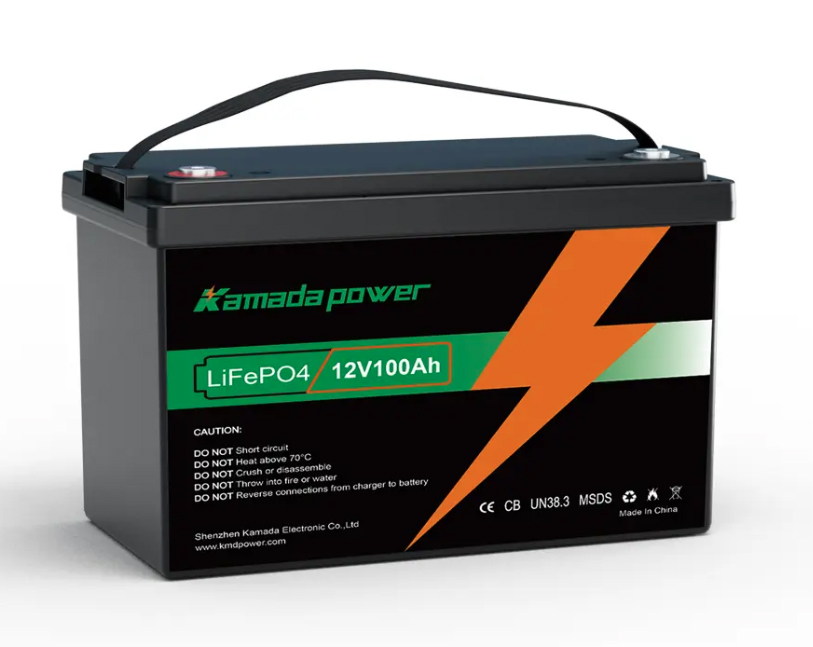
Kamada Power 12v 100Ah lithiumbatterij
De verwarring: "LiPo" kan twee verschillende dingen betekenen
Als je ooit een gegevensblad hebt bekeken waarop "LiPo" stond, vervolgens op de verzendpapieren "lithium-ion polymeer" zag staan en het vervolgens door een technicus "zakje Li-ion" hoorde noemen... dan ben je niet de enige. Deze terminologie is precies hoe kopers worden meegesleurd in technische discussies die geen discussies zouden moeten zijn.
Betekenis #1 (technisch): Lithium-polymeer elektrolyt (gel/vast-achtig)
Historisch gezien was "lithiumpolymeer" verbonden met het idee van een meer vaste of gegeleerde elektrolyt vergeleken met een klassieke vloeibare elektrolyt. In moderne commerciële producten is de realiteit vaak meer gemengd: veel zogenaamde LiPo-pakketten gebruiken nog steeds vloeibare elektrolytmaar omvatten polymeercomponenten en zijn zo gebouwd dat ze dunne, gestapelde elektroden ondersteunen. Dus "polymeer" kan tegenwoordig het volgende beschrijven formulegegevens elektrolyt en hoe de cel is opgebouwd, terwijl het kernmechanisme van lithium-ion-intercalatie nog steeds hetzelfde is.
In gewone taal: de anode/kathode chemie ziet er vaak bekend uit. Het label "polymeer" is zelden een belofte van "vaste stof". Het gaat meer om hoe de cel is verpakt en gebouwden hoe het zich gedraagt in een dunne vormfactor.
Betekenis #2 (wat mensen gewoonlijk bedoelen): a etui lithium-ioncel
In alledaagse markttaal - vooral in consumentenelektronica en de RC/drone wereld - betekent "LiPo" vaak gewoon buidelcel. Waarom? Omdat buidelverpakkingen gebruikelijk werden waar elke millimeter telde (telefoons, wearables, slanke industriële handhelds), en de term bleef hangen.
Je ziet dus packs op de markt gebracht worden als "LiPo", zelfs als de elektrodechemie erg lijkt op die van andere lithium-ioncellen. Dat is niet per se "verkeerd", maar het is slordig steno. En slordig steno is hoe een koper wordt misleid om prestatie- of veiligheidsclaims aan te nemen die niet echt afkomstig zijn van het label.
Snelle woordenschatkaart (zodat je niet langer misleid wordt)
- Li-ion = een brede familie (chemie) Zie lithium-ion als de paraplu. Daaronder vind je NMC, LCO, LFP, NCA, LMFPen meer.
- LiPo = vaak een elektrolyt/verpakkingslabel in consumentenmarkten Soms verwijst het naar polymeer/gel-leunende elektrolytsystemen. Heel vaak betekent het etui lithium-ion.
- Buidel / cilindrisch / prismatisch = formaat, geen chemie Formaat beïnvloedt mechanisch gedrag, thermische paden en ontwerpkeuzes voor packs. Het doet niet geeft aan of de kathode NMC, LCO of LFP is.
Als je één praktische takeaway wilt: vraag verkopers apart naar de chemie en het formaat. Laat één marketingwoord niet drie dingen doen.
Snelle vergelijkingstabel: LiPo vs Li-ion
LiPo vs Li-ion in één oogopslag (wat je zult zien in echte apparaten)
| Wat je zult zien | "LiPo" (vaak zakje Li-ion) | "Li-ion" (vaak cilindrisch/prismatisch) |
|---|
| Typisch formaat | Buidel is gebruikelijk | Cilindrisch of prismatisch is gebruikelijk |
| Vormfactor vrijheid | Meestal wint (dunne/gewone vormen) | Meer beperkt door standaardmaten |
| Mechanische robuustheid | Afhankelijk van behuizing; zakje is kwetsbaarder | Metalen cellen win inzake tolerantie voor misbruik |
| Opties voor hoge ontlading | Vaak sterk in de markt gezet (RC/drone; er bestaan zakjes met een hoog tarief) | Ook sterk, maar afhankelijk van de cellijn (power vs energiecellen) |
| Zichtbaarheid op zwelling | "Puffen" is overduidelijk in zakjes | Gaseffecten kunnen minder zichtbaar zijn tot ernstige |
| Kosten en inkoop | Maatwerkverpakkingen kunnen de kosten opdrijven bij lage volumes; schaalgrootte helpt | Standaardcellen winnen het vaak op multibronnen, kosten en vervanging |
| Beveiligingscircuit | Verschilt per productcategorie; verpakkingsontwerp is belangrijk | Verschilt per productcategorie; verpakkingsontwerp is belangrijk |
Opmerking voor kopers (belangrijk): Inkoopteams geven vaak de voorkeur aan gestandaardiseerde cilindrische/prismatische toeleveringsketens voor continuïteit en second sourcing. Maar als uw mechanische omhulsel vast is (ultradun, gebogen, krap), dan kan een op zakken gebaseerde oplossing de enige realistische optie zijn.
Wat is een Li-ion-batterij?
De gebruikelijke Li-ion-architectuur (anode/kathode + elektrolyt + separator)
Lithium-ion is een oplaadbare celarchitectuur die is opgebouwd rond:
- Anode (meestal grafiet; soms mengsels met silicium)
- Kathode (varieert sterk: NMC, LCO, LFPenz.)
- Elektrolyt (ionengeleider met vloeistof of gel)
- Scheider (microporeuze film die directe kortsluiting voorkomt en toch ionenstroom toelaat)
Belangrijk punt voor kopers: Li-ion is de familie; de chemie binnenin varieert. Twee "Li-ion" packs kunnen zich heel verschillend gedragen op het gebied van levensduur, prestaties bij lage temperaturen, snelle ontlading en veiligheidsmarges, omdat de chemie en het celontwerp verschillen.
Li-ion domineert omdat het ecosysteem volwassen is:
- Hoge energiedichtheid Er bestaan opties voor op runtime gerichte ontwerpen (laptops, medische karren, testinstrumenten).
- Hoog vermogen Er bestaan varianten voor barstbelastingen (elektrisch gereedschap, robotica, AGV's).
- Productieschaal en kwalificatietrajecten zijn goed vastgesteld (celtraceerbaarheid, lotcontrole, verouderingsprocessen, QC-routines).
Uit onze ervaring met industriële klanten blijkt dat "dominantie" niet alleen prestaties betreft, maar ook beschikbaarheid, validatiegeschiedenis, voorspelbare leveringen de mogelijkheid om een vervangingsprogramma voor de lange termijn op te zetten.
Wat is een LiPo-batterij?
Wat "polymeer" verandert (en wat niet)
Wat "LiPo" verandert in praktijk is meestal:
- Verpakking en stapelontwerp die zeer dunne profielen ondersteunt
- Potentieel meer gelformuleringen of polymeercomponenten in het elektrolytsysteem (verschilt per product)
- Mechanisch gedrag misbruik (zwelling van de buidel is beter zichtbaar)
Wat "LiPo" doet niet op magische wijze veranderen:
- Het feit dat het typisch nog steeds een lithium-ion intercalatiesysteem is
- De behoefte aan juist laadprofiel (CC/CV)grenswaarden en beveiligingselektronica
- De realiteit die thermisch en mechanisch ontwerp bevordert veiligheidsresultaten
Veel verwarring bij kopers komt voort uit de verwachting dat "LiPo" een chemische upgrade is. Het is meestal nauwkeuriger om het te behandelen als een verpakking + ontwerpkeuze die bepaalde vormfactoren mogelijk maakt.
Waarom LiPo gebruikelijk is in telefoons, wearables, ultradunne apparaten
Buidelcellen stralen wanneer:
- je moet ultradun profielen,
- je moet aangepaste vormen (niet-rechthoekige ruimten, gebogen behuizingen),
- je vecht voor elke kubieke millimeter in een behuizing.
Use case #1: Industriële handheld scanners en robuuste tablets maken vaak gebruik van pouch packs om in een krappe chassisgeometrie te passen en toch aan de runtime-eisen te voldoen. Het addertje onder het gras: je moet de behuizing zo ontwerpen dat de hoes niet het zwakke punt is bij vallen of stoten.
De 7 verschillen die er echt toe doen
Als uw product nauwe ruimtelijke beperkingen heeft - dunne wand, vreemde geometrie, beperkte Z-hoogte - dan wint de verpakking. Je kunt verpakkingen maken die breed en dun zijn in plaats van hoog en rond.
Voor inkoop en engineering: dit beïnvloedt gereedschap, pakketaanpassingen tweedebronstrategie. Op maat gemaakte buidelverpakkingen kunnen uitstekend zijn, maar later van leverancier veranderen kan niet triviaal zijn, tenzij u tekeningen, interfaces en kwalificatiecriteria vroegtijdig vastlegt.
2) Mechanische duurzaamheid (vallen, perforeren, pletten)
Buidelcellen hebben geen stijf metalen omhulsel. Dat maakt ze afhankelijker:
- stijfheid van de behuizing,
- gecontroleerde compressie,
- bescherming tegen lekrijden,
- en hoe het pakket wordt ondersteund.
Use case #2: robotica en mobiele apparatuur (AGV's/AMR's) worden blootgesteld aan trillingen, schokken en af en toe stoten. Cilindrische/prismatische oplossingen zijn vaak gemakkelijker mechanisch te verstevigen. Zakjes kunnen nog steeds werken, maar je moet er wel omheen ontwerpen: frames, schuim, gecontroleerde compressie, trekontlasting en goede bevestiging van de verpakking.
3) Energiedichtheid (verwachtingen uit de praktijk)
Je zult beweringen zien als "LiPo heeft een hogere capaciteit". Soms is dat zo in een specifiek product. Maar LiPo heeft niet automatisch een hogere energiedichtheid.
In veel commerciële ontwerpen wordt de energiedichtheid meer bepaald door:
- kathode keuze (LCO vs NMC vs LFP),
- elektrodebelasting en -dikte,
- limieten voor thermisch beheer,
- veiligheidsmarges en verpakkingsoverhead.
Dus de eerlijke verwachting: vaak vergelijkbaar, soms iets lagerafhankelijk van de implementatie. Als een verkoper "LiPo = hogere capaciteit" als regel verkoopt, is dat een gele vlag.
4) Vermogen (ontladingssnelheid / "C rating")
RC en drone packs houden van "C rating". Een "20C" label impliceert dat het pack kan ontladen bij 20× zijn capaciteit (bijv. een 5 Ah pack bij 20C = 100 A). In werkelijkheid kunnen C-waarden... optimistisch zijn.
Voor industriële inkopers gaat het om meetbaar gedrag:
- continue vs piekstroom (en piekduur),
- spanningsdaling onder je echte belasting,
- temperatuurstijging bij vereiste stroomsterkte,
- en of de cel is ontworpen als een voedingscel of energiecel.
Een praktische validatieregel: neem "hoge C" niet zomaar aan. Vraag om een ontlaadcurve bij je doelstroom en bevestig dat (a) de spanning boven je systeemminimum blijft en (b) de stijging van de oppervlakte- of celtemperatuur binnen je specificaties blijft. Marketingcijfers zijn goedkoop; warmte is dat niet.
Use case #3: Drones en constructies met een hoge ontlading hebben echt baat bij buidelpakketten die zijn ontworpen voor piekstromen. Maar je valideert nog steeds met echte belastingsprofielen-niet met een label.
5) Veiligheid en faalwijzen (thermische runaway, zwelling, brand)
Thermische runaway is een risico voor de lithium-ionfamilie. In de praktijk worden de resultaten gedomineerd door:
- bescherming tegen overlading/overontlading (BMS/PCM),
- kortsluitbeveiliging,
- tolerantie voor mechanisch misbruik,
- thermisch ontwerp en ontluchtingsstrategie,
- laaddiscipline en gebruikersgedrag.
LiPo "puffing" is het vermelden waard: het is meestal gasproductie van degradatie of misbruik (overladen, hoge hitte, interne schade). Als je puffing ziet, is dat niet cosmetisch. Het is een gevarensein en moet leiden tot verwijdering uit dienst.
6) Levensduur (levensduur + kalenderveroudering)
Wat pakketten sneller doodt, ongeacht het formaat:
- warmte (de stille moordenaar),
- opslaan op hoge staat van lading voor lange perioden,
- herhaalde diepe cycli tot zeer lage SOC,
- Laden/ontladen met hoge stroom zonder adequaat thermisch pad,
- slechte laders (verkeerd profiel, slechte afsluiting, geen balancering waar nodig).
Uit onze ervaring blijkt dat veel "defecte batterijen" eigenlijk stressfouten op systeemniveau-slechte thermische omgeving, slecht laadgedrag of onrealistische bedrijfscycli.
7) Kosten, beschikbaarheid en vervangingsgemak
Dit is de realiteit voor de koper:
- Standaard cilindrische/prismatische cellen winnen vaak op kosten, beschikbaarheid van meerdere bronnen en vervanging op lange termijn. Dat is van belang als u vloten, onderhoudsdepots of meerjarenprogramma's ondersteunt.
- Verpakkingen op maat kunnen kosteneffectief zijn bij een hoog volume, maar bij een laag volume kunnen ze duurder door aanpassingen, gereedschap en beperkingen in de toeleveringsketen.
En een subtiel punt: mensen zeggen vaak "LiPo is lichter". Soms is dat ook zo, vooral in gewichtsgevoelige ontwerpen waar een zakje de structurele overhead vermindert. Maar het is niet gegarandeerd. Zodra je mechanische beveiligingkan het totale pakgewicht convergeren. Evalueer altijd op systeemniveau Wh/kg en Wh/L, niet alleen celtype.
Beste keuze per use case
Drones / RC / constructies met hoge ontlading
LiPo/pouch is zinvol als je het nodig hebt:
- hoge piekstroom,
- laag gewicht,
- compacte geometrie.
Niet-onderhandelbaar:
- juiste lader met balancering (multi-cell serie packs),
- opslag bij de juiste spanning,
- brandveilige omgang en laaddiscipline.
Telefoons / wearables / ultradunne consumentenapparaten
Een buidel komt vaak voor omdat de behuizing dit voorschrijft. Kijk uit voor:
- warmte tijdens het opladen,
- zwelling na verloop van tijd,
- goedkope laders en slechte thermische paden.
Cilindrisch/prismatisch Li-ion wint het vaak van robuustheid en gestandaardiseerde sourcing. Vooral elektrisch gereedschap profiteert van cellijnen die zijn ontworpen voor hoog vermogen en een betere misbruiktolerantie.
DIY elektronica projecten
Snelle selectieregels:
- Geringe stroomafname: kies beschermde cellen of packs met de juiste stroomafname. PCM/BMS.
- Hoge uitbarstingen: valideer werkelijke continue stroomcapaciteit en temperatuurstijging.
- Zorg dat het profiel van de lader en de beschermingseisen altijd overeenkomen - ga niet met elkaar aan de haal.
Opladen, opslag en veiligheidsregels
Opladen wat je wel en niet moet doen (vooral voor LiPo-pakketten)
- Saldo opladen is van belang voor series met meerdere cellen (gebruikelijk in RC).
- Niet onbeheerd opladen.
- Controleer de temperatuur; onverwachte warmte is een aanwijzing.
Vertaal dit voor industriële programma's naar processen: goedgekeurde laders, duidelijke SOP's en het vastleggen van abnormaal gedrag. Zo verminder je incidenten in het veld.
Opslagspanning (waarom het belangrijk is)
Het maandenlang volledig opgeladen bewaren is niet goed voor de lithium-ion chemie. Eenvoudig denkmodel:
- Hoogspanningsopslag versnelt veroudering.
- Matige opslag SOC vermindert stress.
Als u batterijen opslaat in een magazijn, stel dan SOC-doelen voor opslag en periodieke controles op. Het is saai beleidswerk, maar het bespaart geld.
Checklist voor opzwellen (wat te doen als een LiPo opzwelt)
- Gebruik het niet meer.
- Isoleer het in een veilige, niet-brandbare ruimte.
- Niet doorboren of samendrukken.
- Volg de plaatselijke richtlijnen voor het afvoeren van lithiumbatterijen (instructies van recycler of afvalverwerkingsinstantie).
Verzending en naleving
UN 38.3: het "paspoort" voor transport
UN 38.3 is een reeks veiligheidstests voor het transport van lithiumbatterijen. Het is de basis die het mogelijk maakt om cellen/packs via standaard logistieke kanalen te verzenden.
Als een leverancier geen UN 38.3-documentatie kan leveren, is dat geen klein probleem. Het kan uitmonden in vertraging voor de douane, een risico voor naleving van de regelgeving of het weigeren van de zending.
Waarom staat er "Li-ion-polymeer" op de lijsten?
Verzenddocumenten gebruiken vaak gestandaardiseerde terminologie. Je ziet vaak "lithium-ion polymeer" omdat dat een erkende manier is om het volgende te beschrijven etui lithium-ion vooral toen de marktnaam "LiPo" was.
Dus ja, in een listing kan "LiPo" staan en in de documenten "Li-ion polymeer". Die discrepantie is vaak normaal.
Veel voorkomende mythes
"LiPo is een totaal andere chemie dan Li-ion." In de praktijk vaak niet. Veel "LiPo"-producten zijn lithium-ionen in zakjes.
"LiPo heeft altijd een hogere capaciteit." Niet automatisch - implementatie en chemie zijn belangrijker dan het label.
"Gepofte pakken zijn prima als ze nog werken." Nee. Puffen is een gevaarssignaal. Behandel het als einde levensduur.
"Een grotere lader maakt opladen veiliger." Veiligheid heeft te maken met het juiste profiel, limieten, balanceren waar nodig en thermische controle-niet met het ruwe wattage van de lader.
Conclusie
Dit is de realiteit die we niet mogen vergeten: LiPo is meestal gewoon lithium-ion in een zakje (vaak omschreven als "Li-ion polymeer"), geen apart universum. De beste keuze gaat niet over het label, maar of de cel en het ontwerp van de verpakking bij je passen. vormbeperkingen, piekstroom (continu + piekstroom), behoeften aan mechanische beschermingen de discipline opladen/bescherming je kunt afdwingen in de echte wereld. Neem contact met ons op naar lithiumbatterij op maat oplossing voor jou.
FAQ
Is LiPo hetzelfde als Li-ion?
Vaak wel, in de zin dat veel "LiPo"-pakketten lithium-ioncellen in zakjes zijn (en/of met polymeercomponenten in het elektrolytsysteem). De veiligste aanpak is om de werkelijke chemie (NMC, LCO, LFP, etc.) en het formaat te bevestigen.
Waarom zwellen LiPo-batterijen op?
Opzwellen komt meestal door gasvorming in de zak als gevolg van degradatie of misbruik, oververhitting, hoge spanningsstroom of interne schade. Het is een waarschuwingsteken, geen gril.
Zijn LiPo-batterijen gevaarlijker?
Niet automatisch. Pouch packs kunnen mechanisch kwetsbaarder zijn en zwelling is zichtbaarder, maar echte veiligheidsresultaten worden gedomineerd door het ontwerp van de bescherming, thermisch beheer en misbruikomstandigheden.
Gaan LiPo-batterijen net zo lang mee als Li-ion?
Het hangt af van de chemie en de bedrijfsomstandigheden. Hitte, opslag onder hoge spanning, diepe cycli en agressieve stromen zijn meestal belangrijker dan zakje vs blikje.
Wat is beter voor drones? LiPo of Li-ion?
Voor hoge ontladingsvermogens en gewichtsgevoeligheid zijn LiPo/pouch packs voor hoge ontlading gebruikelijk. Li-ion kan werken voor duurzaamheid, maar je moet het spanningsverlies en de stroomcapaciteit valideren onder echte vluchtbelastingen.
Kan ik een Li-ion-lader gebruiken voor een LiPo?
Wat als het profiel van de lader niet overeenkomt met de eisen van het pakket? Dat is waar de problemen beginnen. Veel laders gebruiken CC/CV, maar multi-cell LiPo packs hebben vaak balancering en specifieke instellingen nodig. Gebruik de lader die wordt aanbevolen voor de configuratie en het beschermingsontwerp van het pakket.
Wat betekent UN 38.3 op batterijlijsten?
Het geeft aan dat de batterij de UN 38.3 transporttests heeft doorstaan (of de verkoper beweert dat dit het geval is). Vraag bij B2B-aankopen om het testoverzicht/de documentatie, vooral bij import en verzending per vliegtuig.