使用時間(TOU)の説明:使用時間の測り方 ホームバッテリー ピークコスト削減のために一日の終わりに、冷房をつけ、夕食を作り、場合によってはEVを充電する。 オン・ピーク ウィンドウ以下 利用時間(TOU) このような時間帯は、以下のような高い料金で請求される。 オフピークまた、関税によっては、ピーク価格が以下のようになることもある。 およそ2-3× オフピーク料金(正確なスプレッドは電力会社、季節、プランによって異なる)。適切なサイズの家庭用バッテリーは、以下のようなコスト削減が可能です。 エネルギー裁定取引 低コストの時間帯に充電し(または太陽光発電の余剰電力で充電し)、ピーク時に放電することで、電力料金を節約することができます。このガイドでは、TOUの仕組み、太陽光発電だけではピーク時の需要に対応できないことが多い理由、請求書ベースの確実な節約を実現するための蓄電池のサイズの決め方について説明する。
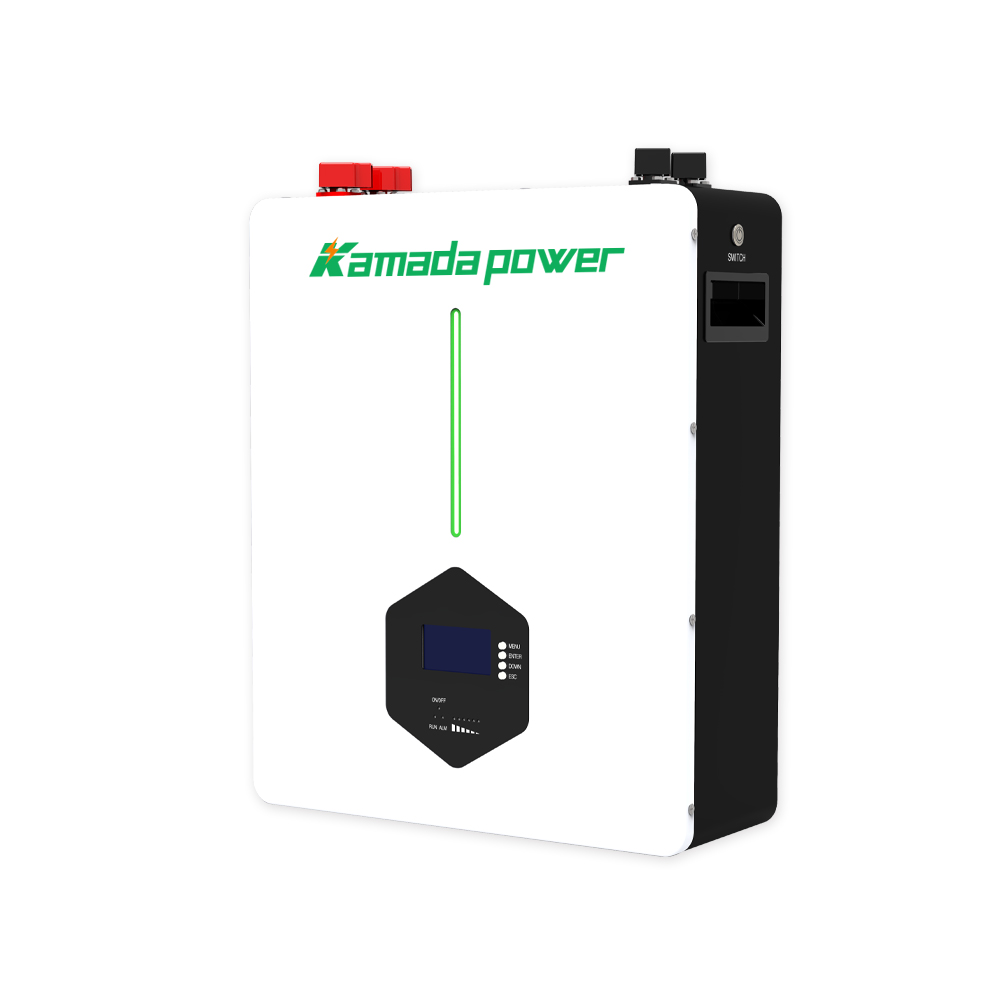
鎌田パワー 10kWhパワーウォール・ホームバッテリー
利用時間料金(TOU)とは?(料金の謎解き)
使用時価格とは、電気料金のことである。 時間帯によって量が異なる通常、電力料金は系統需要に基づく(そして最近では、電力会社がその期間にエネルギーを調達し供給するコストに基づく)。通常、需要が少ないときは料金が安くなる。需要が急増すると、料金は上昇する。
ほとんどのTOUプランは、1日を次のようなゾーンに分割している:
- オフ・ピーク (多くの場合、深夜から昼/午後):料金が安い。バッテリーやEVの充電に最適な時間帯であることが多い。
- オン・ピーク (一般的に午後遅くから夕方):料金が高くなる。これは請求書の危険ゾーンです。
- スーパー・オフ・ピーク (プランおよび地域別):超低価格 季節ごとに 電力会社によっては、特定の時間帯(太陽光発電の盛んな地域では真昼間のこともあれば、夜間のこともある。
正確な時間帯は、電力会社や季節、さらには平日と週末によっても異なるため、請求書や料金表が真実の情報源となる。
定額料金 vs TOU
| 特徴 | 定額料金 | TOU |
|---|
| コストの一貫性 | 予測可能 | 時間窓による変動 |
| ユーザーコントロール | 低い | 高い(使用量をシフトできる) |
| グリッドへの影響 | ロードシフト・インセンティブの低下 | ロードシフトフレンドリー |
| スマートメーターが必要 | 必須ではない(しかし、しばしば設置される) | 通常必要(インターバル/AMI計測) |
定額料金は無関心に報いる。TOUは戦略に報いる。
ソーラーギャップ」:ソーラーパネルだけでは不十分な理由
ソーラーパネルは通常、周辺地域で最も多くのエネルギーを生産する 真昼.残念なことに、多くの家庭で最も電気を使用している。 昼過ぎから夜にかけて-TOU価格がピークに達することが多い時期だ。このミスマッチが ソーラーギャップこれが、太陽光発電のみの住宅がTOUで高い料金を請求される大きな理由である。
送電網事業者は、この課題を「ダックカーブ」で一般化した。このカーブは、太陽光発電が盛んな地域でおなじみのパターンである、日中の供給過多の後、夕方に正味需要が急増することを示している。太陽光発電は助けになるが、エネルギーをタイムシフトする方法がなければ、太陽が沈んでいるときに高価なkWhを買うことになる。
政策の変更は格差を拡大する可能性がある。新しいネット課金の仕組みの下では(多くの場合、以下の文脈で議論される NEM 3.0)、輸出された太陽光発電は回避されたコストに基づきクレジットされ、そのコストは、輸出された太陽光発電に計上される。 1kWhあたり一桁セント 特に、送電網が太陽光発電ですでに飽和している場合はなおさらだ。その結果、蓄電池がなければ、昼間は太陽光発電を安い価格で「売り」、夜間は送電網の電力を高い価格で「買う」ことになる。バッテリーはこれを解決するために設計されているのだ。
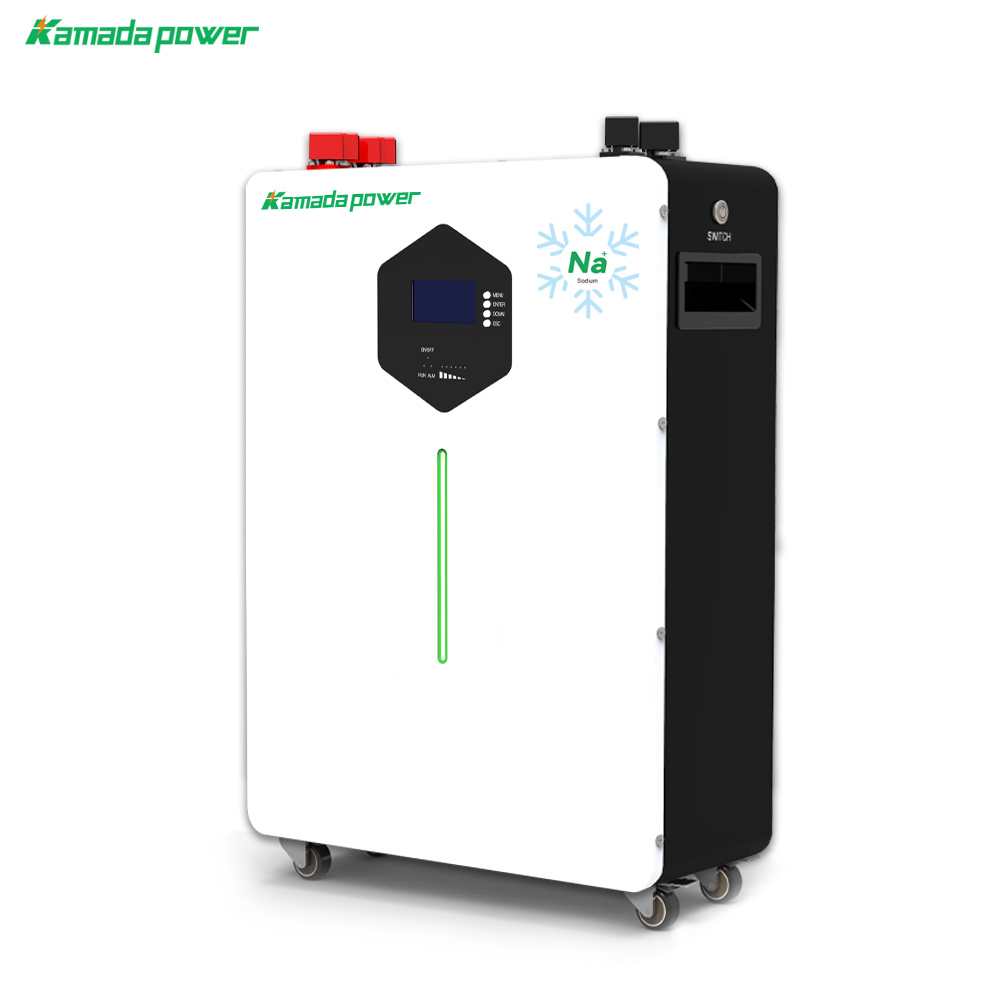
鎌田パワー 10kWh家庭用ナトリウムイオン電池
家庭用エネルギー貯蔵がTOUパズルを解決する方法
A ホームバッテリー によって計算が変わる。 時間を超えてエネルギーを動かす.
戦略1:ピークカット(負荷シフト)
バッテリーは、電気料金が安い時間帯(太陽光発電またはオフピーク時)に充電し、電気料金が高い時間帯に放電する。午後4時から午後9時(または、あなたのプランがピークと定義する時間帯)までは、家庭は蓄電されたエネルギーで稼働し、割高な系統電力は使用しない。
結果 あなた ピーク時のkWh購入を避ける往復のロスと通常のバッテリーの消耗を差し引くと、その消費量の多くはオフピークにシフトする。
戦略2:自己消費(ネット課金の修正)
低クレジットでソーラーを輸出する代わりに、ソーラーを保存して後で使用する。そうすることで 自己消費 また、TOUのボラティリティを低減することができる。
実際には、ほとんどのシステムが、時間ベースのコントロールを使って、両方の戦略を自動的にブレンドしている。
ROIの計算
高TOU市場の現実的なシナリオを考えてみよう。
- ピークレート: $0.54 / kWh
- オフピーク料金: $0.24 / kWh
- スプレッド $0.30 / kWh
ここで、次のように仮定する。 ~13~15kWhクラスのバッテリー (例えば、パワーウォールカテゴリーのシステム)。
ROIの計算を正直にするための重要な修正がここにある: 毎日、定格kWhをフルに「シフト」することはめったにない。 実際の節約額は、(1)ピークからオフピークに実際に移動できるエネルギー量、(2)バッテリーの往復効率、(3)制御設定(バックアップのための予備など)によって決まる。
より現実的な日々の節約モデル
- シフトエネルギー(kWh/日): ピーク時に実際に相殺された金額
- 実効スプレッド($/kWh): ピーク料金から充電コスト(オフピークまたはソーラー機会費用)を差し引いたもの
- システム効率: ラウンドトリップ・ロスが供給ピーク電力量を削減
現実的な見積もりはこうだ:
1日の節約量≒(シフトkWh/日)×(ピーク料金-チャージ料金)×(往復効率)
(そして、長期的なバッテリーの磨耗を考慮して、"いくらか "を精神的に差し引くことができる-正確な値は製品や使用方法によって異なる)
例
確実にシフトできるのであれば 12kWh/日 (リザーブ設定と実際のピークウインドウ使用量を考慮すれば一般的):
- 1日の節約量≒12kWh×$0.30×0.9≒1日あたりの節約量 $3.24/日
- 毎月の貯蓄額 ~$97/月
なぜなら、夜間の高価な買い物を避ける一方で、昼間の安価な輸出をあきらめることになるからだ。
エネルギーに詳しい住宅所有者との経験から、これはしばしば「ハッ」とする瞬間です。 料金プラン・ツール.
現実のチェックボックス(スキップしない):
- バックアップリザーブ(例えば20%)を設定すれば、そのエネルギーを裁定取引に使うことはできない。
- ピークウィンドウが短い場合、十分なkWhがあっても電力制限(kW)を受ける可能性がある。
- 節約効果が最も高くなるのは、窓のピーク使用量が一定で、スプレッドが大きい場合だ。
システム構成の主な考慮事項
バッテリー容量(kWh)
まずは、あなたの ピーク時エネルギー使用量1日の合計ではありません。午後4時から9時の間に12kWhの電力を使用する場合、10kWhのバッテリーではその時間帯をカバーしきれません。アンダーサイジングは、節約をテーブルの上に残す最も手っ取り早い方法です。
経験則だ: をカバーすることを目指す。 シフトしたいエネルギーバッテリーの販売番号ではありません。
出力(kW)
定員回答 どのくらい.パワーアンサー 何.ピーク時にバッテリーが主負荷を稼動できなくても、送電網から電気を引くことができる。
多くの家庭にとって、 ~連続5kW が現実的なベースラインだが、普遍的なものではない:
- 大規模な住宅、電気調理、複数の空調ゾーン、井戸ポンプなどが必要な場合があります。 より高いkW または マルチバッテリー.
- こちらもご覧ください サージ/始動負荷-モーターとコンプレッサーは、一時的に定常状態よりもはるかに多くの電力を要求することがあります。
化学の問題
頻繁なサイクルを伴うTOUアプリケーション用、 LiFePO₄ (LFP) 化学は、サイクル寿命の可能性と熱安定性が高いことで知られているため、魅力的であることが多い。とはいえ、最良の選択は、化学的性質だけでなく、システム全体の設計(保証条件、温度環境、インバーターの限界、サイクル・プロファイル)によって決まる。
スマートコントロール
探す 時間ベースのコントロール, コスト節約モードなどの機能がアプリに搭載されている。これらは、料金スケジュールに基づいて充電/放電を自動化するので、システムのお守りをする必要がない。最高のコントローラーでは、以下の設定も可能だ:
- お客様の料金プランに合わせたピーク/オフピークウィンドウ
- バックアップ予備率
- エクスポートの動作(許可されている場合/必要な場合)
今後の動向VPPとダイナミックプライシング
TOUはしばしば始まりに過ぎない。
- 仮想発電所(VPP): 電力会社やアグリゲーターは、グリッド・ストレス・イベント(熱波、緊急事態、クリティカル・ピーク・イベント)の際に電力を供給するよう、バッテリー所有者に支払う。
- AI主導のHEMS: 家庭用エネルギー管理システムは、天気予報、価格シグナル、使用パターンを考慮し、自動的に充電を最適化するようになってきている。
このようなトレンドは報われる。 フレキシブルなサイズ 特に、住宅所有者の快適性を犠牲にすることなくイベントに対応できるシステムだ。
結論
使用時間帯別料金は、準備のない人にとってはペナルティのように感じられるかもしれませんが、エネルギーをシフトできる家庭には報われます。TOUを利用している場合(特に太陽光発電を利用している場合)、正しいサイズのバッテリーは単なるバックアップではなく、ピーク時の購入を回避し、変動する料金への影響を減らすのに役立つコスト管理ツールです。サイズの決め方は簡単です。 容量(kWh) ピーク時の使用量に見合うだけの十分な量を確保する。 出力(kW) とする。 スマートコントロール スケジュールを自動化する。 今すぐ請求書をチェック-オンピーク価格が常に上回っている場合 $0.40/kWh (あるいはスプレッドが大きい)、 クイックサイズ計算またはサイズ見直しのリクエスト そうすれば、"ほぼ十分な大きさ "のシステムにお金を払うことなく、予測可能な節約を手に入れることができる。
よくあるご質問
TOU料金の節約に太陽光発電は必要ですか?
いいえ、オフピーク時にグリッドからバッテリーを充電し、ピーク時に放電することができます。太陽光発電は(特にネット課金環境では)上向くことが多いが、必須ではない。
TOUに最適なバッテリーモードは?
時間帯別制御」、「コスト節約モード」、または同等の機能を使用し、充電と放電を光熱費の料金表に合わせ、さらに停電リスクに見合った予備設定を行います。
TOU価格は週末にも適用されますか?
通常はそうだが、ピーク時間帯と料金は電力会社や季節によって異なることが多い。プランによっては、週末のピークが軽かったり、定義が全く異なるものもある。必ず電力会社の料金表を確認すること。
ピーク時にEVを充電できますか?
可能だが、通常は高額だ。スマートEV充電器(そして多くのEV)は、充電時間をオフピークに設定してコストを最小限に抑えることができる。