Il n'y a rien de pire qu'une alarme "Défaut de communication" sur un chantier éloigné. Pour les installateurs solaires qui adoptent des Technologie sodium-ionLa compatibilité des onduleurs est souvent la plus grande hésitation. Vous avez besoin d'équipements qui "dialoguent" simplement entre eux sans avoir à passer des heures à les déboguer.
Au Kamada PowerNous avons conçu notre Batterie sodium-ion 48V 10kWh pour éliminer ce casse-tête. Doté d'un PACE BMSIl offre une expérience plug-and-play transparente pour les onduleurs Deye et une grande souplesse d'utilisation. reconfiguration du protocole pour Victron et d'autres systèmes. Cela permet d'obtenir d'incroyables performances à basse température sans avoir à se battre pour l'intégration.
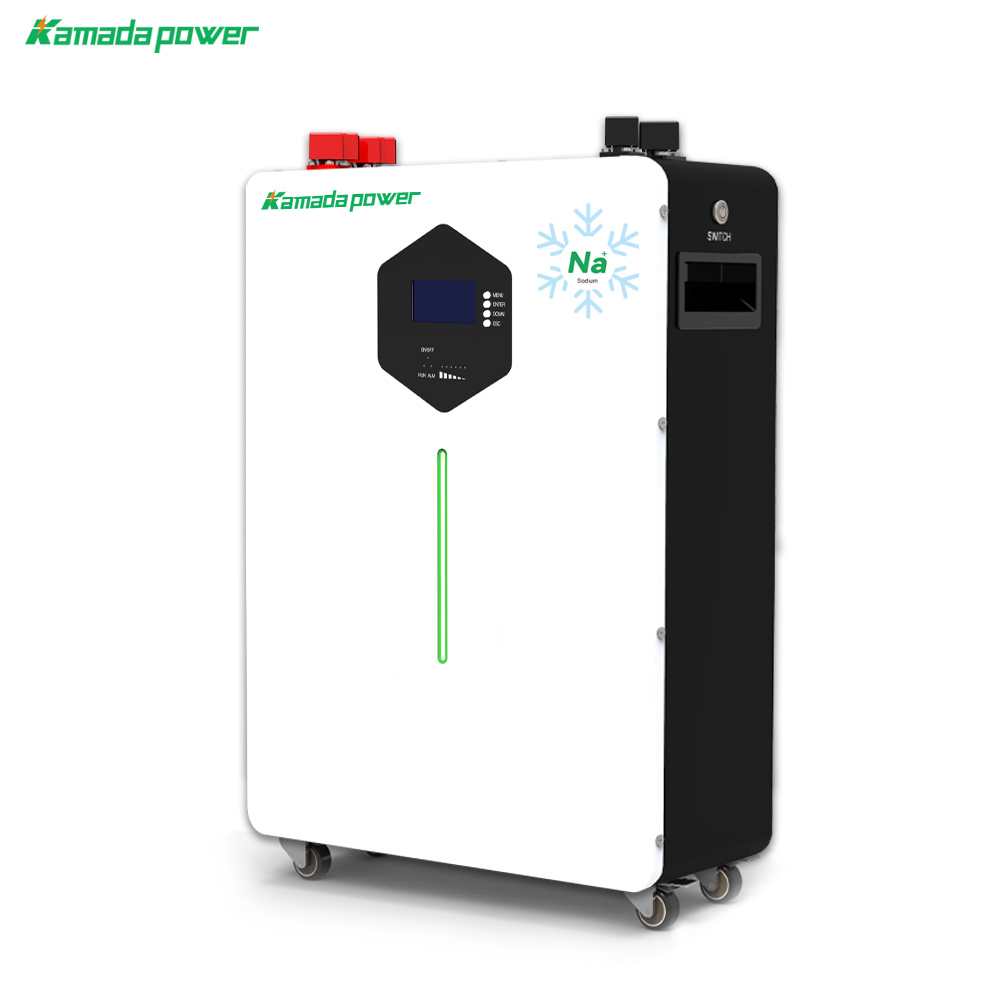
Kamada Power 48V 10kWh Home Sodium ion Battery
Répartition des compatibilités
Si vous cherchez une référence rapide pour votre liste d'achats, voici comment nos batteries au sodium s'interfacent avec les onduleurs leaders du marché.
1. Support natif (Plug & Play)
Ces marques sont prises en charge par le micrologiciel par défaut. L'installation est simple : branchez le câble CAN, sélectionnez le mode "Lithium/Sodium" et le système est prêt.
- Oeil (modèles hybrides et hors réseau) - Recommandation par défaut
- Protocole standard de Pylontech onduleurs compatibles
2. Support configurable sur le terrain (sélectionnable par logiciel)
Ces marques nécessitent un simple changement de protocole via notre logiciel BMS. Cette solution est idéale pour les intégrateurs de systèmes qui ont besoin d'un contrôle granulaire sur leur installation.
- Victron Energy (séries MultiPlus / Quattro)
- SMA (Sunny Island)
- Growatt
- BonNous
- LuxPower
Remarque : Sur demande, nous pouvons préconfigurer ces paramètres avant l'expédition. Pour les marques qui ne figurent pas dans cette liste, veuillez contacter notre équipe d'assistance technique pour une vérification de la faisabilité.
Configuration par défaut : L'avantage Deye
Lorsque nous livrons nos batteries sodium-ion 48V 210Ah, elles sont préconfigurées pour une efficacité maximale. Pour la grande majorité de nos clients en Europe et aux États-Unis, ce chemin mène à Oeil.
Pourquoi nous recommandons Deye pour l'ion-sodium
Nous recommandons souvent les onduleurs Deye pour les applications d'ions sodium en raison de leurs caractéristiques suivantes large gamme de tensions d'entrée en courant continu.
- Le défi de la tension : La chimie des ions sodium présente une courbe de tension plus large (déchargeant généralement jusqu'à 40 V ou moins) par rapport au LiFePO4 traditionnel.
- La solution Deye : Les onduleurs Deye sont suffisamment robustes pour gérer efficacement cette plage, ce qui vous permet d'extraire toute la capacité de la batterie plutôt que d'être coupé prématurément par une fenêtre de tension étroite.
L'expérience Plug-and-Play
Sur un chantier, le temps est une denrée rare. Comme notre PACE BMS est préchargé avec le protocole CAN standard utilisé par Deye, il n'est pas nécessaire de se connecter à un ordinateur portable ou d'effectuer un codage complexe lors de l'installation initiale.
Le BMS diffuse automatiquement les données correctes de tension et d'état de charge. L'onduleur Deye lit ces paramètres instantanément, créant ainsi une "poignée de main" fiable qui gère le courant de charge et de décharge sans déclencher de fausses alarmes.
Configuration avancée : Déverrouillage de Victron et autres
Cependant, nous savons que le monde industriel n'est pas un monde à taille unique. Nombre de nos partenaires spécialisés dans l'alimentation de secours maritime ou les systèmes hors réseau haut de gamme s'appuient sur Victron Energy.
La stratégie "One SKU" pour les distributeurs
Contrairement aux batteries à "écosystème fermé" qui vous obligent à stocker différents modèles de batteries pour différents onduleurs, nous croyons en une architecture ouverte.
Notre batterie prend en charge la commutation multiprotocole. Cela signifie que le protocole de communication n'est pas codé en dur dans le silicium. Il s'agit plutôt d'un paramètre que vous, l'installateur ou le distributeur, pouvez modifier.
L'avantage : Vous pouvez stocker une seule batterie SKU (Stock Keeping Unit) dans votre entrepôt. Que votre prochain projet nécessite un onduleur Deye pour une maison ou un système Victron pour un bateau, la même batterie s'adapte au travail.
Comment adapter la batterie (configuration PC)
C'est là que la puissance de notre Logiciel PC Host arrive.
- Connectez le BMS de la batterie à un ordinateur portable via un câble RS232-USB standard.
- Ouvrez l'interface de configuration de PACE BMS.
- Sélectionner le protocole cible (par exemple, passer de "Pylon/Deye" à "Victron").
- Sauvegarder le réglage.
La batterie est désormais un dispositif Victron natif. Cette capacité vous permet de la déployer dans différents projets sans vous soucier des disparités d'inventaire.
Plongée technique approfondie : Pourquoi la GTB de PACE est importante
Vous vous demandez peut-être : "Pourquoi la marque du BMS est-elle importante ?" Dans le monde du sodium-ion, le système de gestion de la batterie (BMS) est le lien critique entre la sécurité et la performance.
Calibré pour la chimie du sodium
Les cellules sodium-ion se comportent différemment des cellules lithium-ion. Une seule cellule au sodium fonctionne en toute sécurité entre 2,0V et 4,0Vtandis qu'une cellule au lithium-phosphate de fer (LiFePO4) se situe généralement entre 2,5 et 3,65 V.
Les unités BMS standard d'entrée de gamme ne parviennent souvent pas à lire correctement ces tensions inférieures, supposant que la batterie est "morte" (0% SOC) alors qu'il lui reste en réalité 20% de capacité utilisable. Le matériel BMS de PACE est spécifiquement calibré pour cette fenêtre de tension plus large.garantissant un calcul précis du SOC. Ceci est crucial pour les applications telles que les stations de base de télécommunications ou les systèmes de surveillance en extérieur, où chaque ampère-heure compte.
La sécurité reste constante
Lorsque vous effectuez un changement de protocole, vous ne modifiez que les éléments suivants langue la batterie parle. Vous êtes pas modifier les limites de sécurité. Le BMS conserve ses protections matérielles (surcharge, surdécharge, court-circuit) quel que soit le protocole de l'onduleur actif. Cela offre un équilibre parfait entre adaptabilité et sécurité.
Conclusion
Sur le marché du stockage de l'énergie, qui évolue rapidement, il est risqué de s'enfermer dans un écosystème unique. Notre Batterie sodium-ion 48V offre une solution intermédiaire polyvalente : la simplicité du plug-and-play pour les utilisateurs de Deye et le contrôle professionnel de l'ajustement du protocole pour les intégrateurs de Victron.
Qu'il s'agisse de moderniser un système dans un climat glacial ou de construire un nouvel ESS commercial, cette batterie s'adapte à votre équipement, et non l'inverse.
Prêt à vérifier votre installation ? Ne faites pas de suppositions pour votre prochain projet. Contactez nous Notre équipe d'ingénieurs aujourd'hui pour demander la matrice complète de compatibilité du protocole PACE BMS.
FAQ
Puis-je ajuster moi-même le protocole BMS ou dois-je renvoyer la batterie à l'usine ?
R : Vous pouvez le faire vous-même ! Nous fournissons le logiciel PC Host et un guide étape par étape. Avec un câble de communication standard et un ordinateur portable Windows, vous pouvez changer de protocole (par exemple, de Deye à Victron) directement dans votre entrepôt ou sur le chantier en quelques minutes.
Pourquoi mon onduleur indique-t-il que la batterie au sodium est à 0% alors qu'elle a encore de la tension ?
Il s'agit d'un problème de cartographie de tension commun aux réglages génériques. Comme les batteries sodium-ion se déchargent à des tensions inférieures à celles des batteries au lithium, les anciens réglages de l'onduleur peuvent "penser" que la batterie est vide. L'utilisation du protocole de communication CAN correct (Deye/Victron) résout ce problème, car le BMS ignore la lecture de la tension et indique à l'onduleur l'état réel calculé de la batterie.
Comment le Sodium-Ion se compare-t-il au LiFePO4 dans des conditions de froid extrême ?
Le Sodium-ion est largement supérieur par temps froid. Alors que le LiFePO4 peine à se charger en dessous de 0°C (32°F) et s'arrête souvent complètement, nos packs sodium-ion peuvent se charger et se décharger efficacement jusqu'à -20°C (-4°F) sans nécessiter de coussins chauffants externes. Cela en fait le premier choix pour les garages non chauffés et les enceintes extérieures en Europe du Nord et en Amérique du Nord.
Que se passe-t-il si j'ai une marque d'onduleur qui ne figure pas sur votre liste ?
Comme nous utilisons le BMS flexible de PACE, nous pouvons souvent nous adapter à d'autres marques qui utilisent des protocoles CAN ou RS485 standard. Veuillez nous envoyer la marque et le manuel du modèle de votre onduleur, et nos ingénieurs vérifieront la compatibilité pour vous.