Akun alhaisen varaustason ongelmien ymmärtäminen ja niiden ratkaiseminen. Mikään ei pilaa turhauttavinta skenaariota kentällä: järjestelmässäsi näkyy 40%:n kapasiteetti, mutta heti kun kytket virran korkeakuormitteiseen laitteeseen, kaikki pimenee. Kuitenkin minuuttia myöhemmin yleismittarisi näyttää tervettä jännitettä. Tämä "False Empty" -skenaario ei yleensä ole kuollut akku - se on usein Jännitteen vaihteluväli tai BMS-suojaus.
Vuosien kokemuksen ansiosta, jonka olemme saaneet palvellessamme lukuisia kaupallisia laivastoja tehtaallamme, olemme saaneet syvällisen ymmärryksen siitä, miten fysiikan lait määräävät jännitteen laskun, ymmärtäneet, miksi löysät liitännät ovat niin haitallisia inverttereille, ja hallitsemme taidon elvyttää litiumakut, jotka näyttävät menneen epäkuntoon yhdessä yössä.
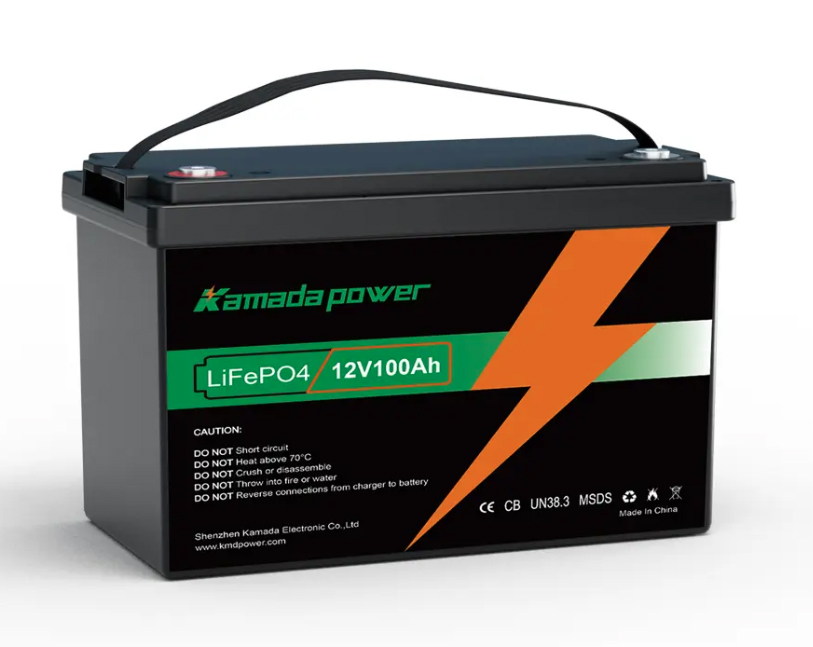
Kamada Power 12v 100ah Lifepo4 akku
Mitä "akku tyhjä" oikeastaan tarkoittaa? (Jännite vs. kapasiteetti selitetty)
Jotta vianmääritys olisi tehokasta, meidän on ensin erotettava toisistaan kaksi käsitettä, joita useimmat ihmiset pitävät synonyymeinä: Jännite ja Lataustila (SoC).
Akun jännite vs. varaustila (SoC)
Ajattele jännitettä sähköpaineena, ei polttoaineen tasona.
Ajattele ampeereja (virtaa) veden virtauksena.
Ajattele, että kapasiteetti (Ah) on säiliön koko.
Kun avaat hanan laajalle (suuri virrankulutus), paine (jännite) luonnollisesti laskee hetkellisesti. Jos ne tarkkailevat vain jännitettä, tämä lasku voi näyttää tyhjältä säiliöltä, vaikka säiliö on edelleen täynnä.
Miten akun kemia muuttaa "akun" käyttäytymistä alhaisen varaustason aikana?
- Lyijyakut: Nämä ovat "rehellisiä" akkuja. Niiden jännite laskee ennustettavasti lineaarisesti, kun ne purkautuvat. Jos jännite on alhainen, akku on todennäköisesti tyhjä.
- LiFePO4 (litium) -akut: Nämä ovat "pokerinpelaajia". Ne pitävät jännitteen hyvin tasaisena ja vakaana (noin 13,0-13,2 V) 90% purkaussyklin ajan. Sitten, aivan lopussa, jännite putoaa jyrkänteeltä. Se tapahtuu usein hyvin huomaamatta, jos vain tarkkailet jännitettä.
Mitä BMS tekee, kun akun varaustaso laskee liian alhaiseksi?
Ennen vanhaan lyijyakku kuoli, jos sen jätti kytkettynä liian pitkäksi aikaa.
Nykyaikaisissa litiumakuissa on akunhallintajärjestelmä (BMS). Kun kennojännite saavuttaa kriittisen alarajan (yleensä 2,5 V kennoa kohti), BMS toimii digitaalisen sulakkeen tavoin ja katkaisee liittimet pysyvien kemiallisten vaurioiden estämiseksi.
Ratkaiseva kohta: BMS:n sammutus ei ole vika, vaan se on turvallisuusominaisuus, joka toimii täsmälleen suunnitellusti.
4 yleisintä syytä akun ja jännitteen alhaisen varaustason varoituksiin
Jos järjestelmäsi laukeaa odottamatta, se on lähes varmasti jokin näistä neljästä syyllisestä.
1. Jännitejännite suurella kuormituksella
Tämä on #1 syy "False Empty" -lukemiin.
Jokaisessa akussa on sisäinen vastus. Kun vedät valtavan virtapiikin (kuten käynnistät ilmastointikompressorin tai mikroaaltouunin), virta kamppailee vastusta vastaan, mikä aiheuttaa tilapäisen jännitteen laskun.
- Skenaario: Akun jännite on 13,0 V. Kytket päälle 2000 W:n invertterin. Massiivinen virrankulutus saa jännitteen laskemaan hetkessä 10,8 V:iin.
- Tulos: Kun invertteri näkee "10,8 V", se luulee akun olevan tyhjä ja käynnistää Low Voltage Cutoff (LVD) -katkaisun, vaikka akku palaa 12,9 V:n jännitteelle heti, kun poistat kuorman.
2. Parasiittinen veto, joka tyhjentää akkuja "pois päältä" ollessaan.
Kutsumme tätä "hiljaiseksi tappajaksi". Vaikka pääkytkin on pois päältä, se ei tarkoita, että virrankulutus on nolla.
- Yleiset syylliset: Invertterit valmiustilassa, LED-merkkivalot, USB-laturit ja radiomuistijohdot.
- Matematiikka: Pieni 0,1 A:n veto ei tunnu paljolta, mutta kuukauden varastoinnin aikana se on . Se riittää tyhjentämään tavallisen merenkulkuakun täysin.
3. Kylmän lämpötilan vaikutukset
Akut ovat kemiallisia moottoreita. Kylmä sää hidastaa kemiallisia reaktioita.
Pakkasessa akun sisäinen vastus nousee pilviin. Tämä tarkoittaa, että "Voltage Sag" (ks. kohta #1) pahenee huomattavasti. Kuormitus, jonka akku kestää kesällä helposti, saattaa aiheuttaa talvella alijännitteen sammumisen, koska jännite laskee kovemmin ja nopeammin kylmässä.
4. BMS:n matalajännitekytkin (LVD)
Jos mittaat litiumakkuasi ja saat lukemaksi 0 volttia, akkusi ei ole "tyhjä" perinteisessä mielessä - se on unessa.
BMS on havainnut kennon jännitteen alittavan turvakynnyksen (tyypillisesti ~10 V 12 V:n akussa) ja avannut piirin fyysisesti. Akku suojaa itseään sinulta.
Miten korjata akun alhaisen varaustason ongelmat (Vaiheittainen vianmääritysopas)
Ennen kuin tilaat korvaavan tuotteen, käy läpi nämä vaiheet. Saatat korjata ongelman ilmaiseksi.
Vaihe 1 - Tarkista akun liitännät ja liittimet
Tämä kuulostaa perusasialta, mutta se aiheuttaa puolet meille tulevista huoltopyynnöistä.
Löysä tai syöpynyt liitin lisää vastusta. Muista Ohmin laki: . Korkea vastus liittimessä aiheuttaa massiivisen jännitehäviön ennen kuin virta edes saavuttaa laitteesi.
- Korjaus: Puhdista liittimet lankaharjalla ja kiristä se kunnolla. Jos liitin kuumenee käytön aikana, se on löysällä.
Vaihe 2 - Akun eristäminen Sagin tunnistamiseksi
- Kytke kaikki kuormat (invertterit, valot, moottorit) pois päältä.
- Mittaa akun napojen lepojännite.
- Jos lepojännite on hyvä (esim. >13,0 V litiumissa), mutta järjestelmä sammuu käytön aikana, sinulla on ongelma. Jännitteen vaihteluväli ongelma (liian pieni akku tai huono johdotus), ei kapasiteettiongelma.
Vaihe 3 - Litiumpariston herättäminen (0V-lukema)
Jos BMS-järjestelmäsi on lauennut, tavallinen lyijyhappolaturi ei välttämättä näe akkua ladattavaksi. Se luulee, ettei akkua ole kytketty.
- Menetelmä A (oikea tapa): Käytä erikoislitiumlaturia, jossa on "0V Activation" tai "Force Mode" -toiminto.
- Menetelmä B (Jump Start): Kytke täyteen ladattu 12 V:n akku rinnakkain "kuolleen" litiumakun kanssa 3-5 minuutiksi. Hyvä akku syöttää jännitteen liittimiin ja herättää BMS:n. Kun se on herännyt, vaihda välittömästi normaaliin laturiin.
Vaihe 4 - Tarkista solujen epätasapaino
Jos akkusi sammuu 80%:n kapasiteetilla, sinulla saattaa olla kennojen epätasapaino.
Yksi kenno saattaa saavuttaa "Low Voltage" -rajan paljon ennen muita. Tämä laukaisee BMS:n etuajassa.
- Korjaus: Tämä edellyttää yleensä hidasta, täyttä tasauslatausta (jättämällä se laturiin 24 tunniksi), jotta BMS voi tasata kennot. Jos ne jatkuvat, pakka voi olla viallinen.
Akun jännite vs. varaustila -kaavio
Pidä tämä taulukko käsillä. Huomaa, kuinka paljon korkeammat litiumjännitteet ovat lyijyakkuihin verrattuna.
LiFePO4 vs. Lyijy-Happo jännitteen vertailu (12V järjestelmä)
| Lataustila (SoC) | LiFePO4 (litium) | Lyijyhappo / AGM |
|---|
| 100% (täysi) | 13.6V (lepo) | 12.7V - 12.8V |
| 80% | 13.3V | 12.5V |
| 50% | 13.2V | 12.2V |
| 20% (matala) | 12.9V | 11.9V |
| 0% (tyhjä) | < 12.0V | < 11.6V |
| Irrottaminen/katkaiseminen | ~10.0V (BMS Trip) | ~10.5V |
Huomautus: Mittaamme nämä "lepojännitteinä" ilman kuormitusta. Kuormitettuna jännitteet ovat pienempiä.
Miten estää akun tyhjeneminen ja odottamattomat sammutukset?
Akun oikea mitoitus kuormitukselle (C-arvo)
Insinöörit ottavat usein huomioon kapasiteetin (Ah), mutta unohtavat purkausnopeuden (ampeerit).
100 Ah:n lyijyhappoakku ei pysty antamaan jatkuvasti 100 ampeeria - jännite laskee huomattavasti.
Jos käytössäsi on suuria jännitekuormia (mikroaaltouunit, pumput), mitoita akkupankkisi käyttöajan lisäksi myös ampeerimäärän käsittelyä varten. Usein tämä tarkoittaa siirtymistä LiFePO4-akkuihin, jotka käsittelevät suuria virtoja paljon pienemmällä jännitteen alenemisella.
Lataustavat, jotka pidentävät akun käyttöikää
- Lyijyhappo: Säilytä näitä 100%:n kapasiteetilla. Osittainen lataus tappaa ne (sulfatoituminen).
- Litium: Itse asiassa mieluummin ei pysyä 100%:ssä jatkuvasti. Varmista kuitenkin luotettavuuden vuoksi, että lataat ne säännöllisesti täyteen, jotta BMS tasapainottaa kennot.
- Vältä syväpurkauksia: Minkä tahansa akun jatkuva käyttäminen 0%:n lämpötilaan lyhentää sen käyttöikää. Yritä mitoittaa akkupankkisi niin, että lasket harvoin alle 20%:n.
Varastointi ja kausihuolto
Jos pysäköit asuntoautosi tai varastoit varusteet talveksi:
- Katkaise yhteys kokonaan negatiivinen kaapeli. Tämä on ainoa tapa taata 0% loisveto.
- Litiumin varastointi: Lataa noin 50-60%. Älä säilytä sitä tyhjänä.
- Lyijyhappovarastointi: Lataa 100%:hen ja pidä se pienellä laturilla.
Kun akun varaustila on alhainen, on aika vaihtaa akku
Joskus akku on vain lopussa.
Todellisen akun käyttöiän päättymisen merkit
- Kapasiteetin haalistuminen: Aikaisemmin käyttöaika oli 8 tuntia, nyt se on 3 tuntia. Kemia heikkenee.
- Välitön jännitteen pudotus: Jännite näyttää täydeltä (12,8 V), mutta laskee 10 V:iin heti, kun kytket hehkulampun päälle. Tämä viittaa korkeaan sisäiseen resistanssiin, joka johtuu iästä tai sulfatoitumisesta.
Miksi päivitys lyijyhaposta LiFePO4:ään ratkaisee jännitteen alenemisen?
Jos taistelet jatkuvasti "Low Voltage" -varoituksia vastaan, kun käytät invertteriäsi, siirtyminen LiFePO4-akkuun on usein lääke.
Koska litium säilyttää korkeamman jännitteen (13 V+) kuormitettuna, invertteri pysyy tyytyväisenä, ja voit hyödyntää akun koko kapasiteetin ilman häiritseviä laukaisuja.
Päätelmä
Useimmat "akku vähissä" -varoitukset johtuvat pikemminkin jännitteen, kuormituksen ja BMS-logiikan vuorovaikutuksesta kuin todellisesta vikaantumisesta. Korjaus alkaa usein jännitteen aleneman tai loisvirtauksen diagnosoinnilla, mutta jatkuva lasku kuormituksessa on yleensä merkki siitä, että on aika päivittää kemiaa, ei vain yksikköä. Akku on järjestelmäsi sydän - älä odota, että se lakkaa lyömästä, ennen kuin tarkistat sen sykkeen.
Ota yhteyttä Kamada Poweriin akkusuunnittelutiimimme suunnittelemaan sinulle räätälöidyn akkuratkaisun.
FAQ
Miksi akun jännite laskee, kun kytken invertterin päälle?
Tätä kutsutaan nimellä "Voltage Sag". Akussa on sisäinen vastus, ja suuren virran vetäminen aiheuttaa jännitteen tilapäisen laskun liittimissä. Jos johdot ovat liian ohuet tai liitokset löysät, tämä pudotus on paljon pahempi.
Miten nollaan tai herätän litiumpariston BMS:n?
Jos akkusi lukema on 0 V, kytke se rinnakkain toisen 12 V:n akun kanssa muutamaksi minuutiksi (kuten auton käynnistys) tai käytä laturia, jossa on 0 V:n aktivointitoiminto. Tämä tuottaa BMS-suojapiirin nollaamiseen tarvittavan jännitteen.
Millä jännitteellä 12 V litiumakku on mielestäsi kuollut?
12 V:n LiFePO4-akku on käytännössä tyhjä noin 12,0 V:n kohdalla. Jos se putoaa alle 10 V:n, BMS yleensä katkaisee yhteyden vahingoittumisen estämiseksi.
Voiko kylmä sää laukaista vääriä varoituksia akun alhaisesta varaustasosta?
Kyllä. Kylmyys lisää akun sisäistä vastusta, jolloin jännite laskee huomattavasti, kun yrität käyttää virtaa. Akussasi saattaa olla runsaasti energiaa jäljellä, mutta se ei pysty luovuttamaan sitä tarpeeksi nopeasti kylmässä ilman, että jännite laskee.