Sådan vælger du den bedste Batteri til fiskesøger. Du giver gas for at jage et mål, og dine skærme går i sort. Det er den frygtede "sonar-genstart". Dit batteri viser 12,0 V, så hvad er der sket? Den skyldige er Spændingsstabilitetikke kapacitet. Moderne enheder som LiveScope kræver "stiv" spænding, der ikke falder under belastning. Sådan ser du forbi markedsføringen og vælger et batteri, der får dine skærme til at lyse hele dagen.
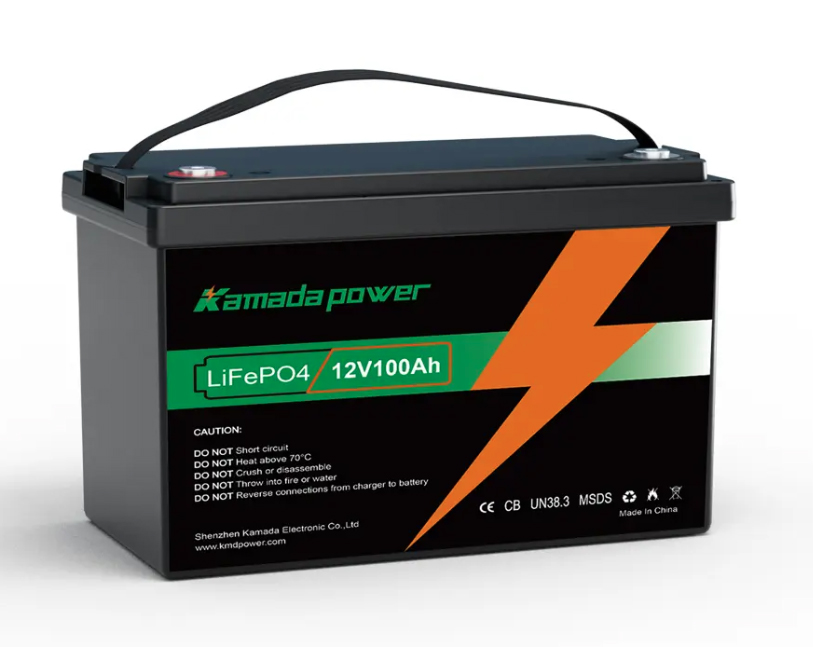
Kamada Power 12v 100Ah Lifepo4-batteri
AGM vs. litium: Hvorfor fiskefindere reagerer anderledes end anden elektronik
Hvis du er indkøbsansvarlig for marine OEM'er eller en ingeniør, der eftermonterer en basebåd, skal du forstå, at en fiskefinder ikke er en pære. En pære bliver simpelthen svagere, når spændingen falder. En fiskefinder er en computer; hvis spændingen falder til under en bestemt tærskel (ofte omkring 10,5 til 11,0 V i enheden), lukker den ned for at beskytte sit interne kredsløb.
Hvorfor AGM-batterier har det svært med fiskesøgere
AGM-batterier (Absorbent Glass Mat) har været industristandard i årtier, og de er fantastiske til at starte motorer med. Men de har en klar ulempe, når de skal forsyne konstante belastninger som ekkolod: Spændingsfald.
Vores erfaring med at analysere afladningskurver viser, at et fuldt opladet bly-syre/AGM-batteri starter ved ca. 12,8 V. Så snart du påfører en belastning, begynder denne spænding at falde jævnt og lineært.
- Den "brugbare" fælde: Selvom et AGM-batteri måske er beregnet til 100Ah, falder spændingen ofte til under 11V-sikkerhedsgrænsen for mange fiskefindere, når batteriet kun er 50% afladet.
- Resultatet: Teknisk set har du måske "amperetimer" tilbage i batteriet, men spændingen er for svag til at holde ekkolodsprocessoren kørende, især når du starter motoren (som trækker spændingen yderligere ned).
- Billedkvalitet: Lavere spænding påvirker også transducerens sendestyrke. Når et AGM-batteri aflades, kan du opleve "mere kornede" billeder, mistet bundlås eller reduceret måladskillelse ved målinger på dybt vand.
Hvorfor LiFePO4-batterier er bedre til fiskesøgere
Litium-jernfosfat (LiFePO4) er hurtigt blevet den foretrukne kemi til marineelektronik, ikke kun fordi den er lettere, men på grund af dens Flad spændingskurve.
A LiFePO4-batteri vil opretholde et stabilt output på ca. 13,0V til 13,2V i næsten 95% af sin afladningscyklus. Den aftager ikke langsomt som AGM; den forbliver stærk og falder kun ned ad en klippe til allersidst.
- Konsistens: Det betyder, at din fiskefinder får optimal spænding kl. 16.00, ligesom den gjorde kl. 6.00 om morgenen.
- Støtte til aktiv sonar: Strømslugende systemer som Lowrance ActiveTarget eller Garmin LiveScope trækker betydelige ampere. Litiumbatterier kan håndtere disse højstrømsimpulser uden de kortvarige spændingsfald, der forårsager skærmflimmer.
Sammenligning: Batterikemiens indvirkning på sonar
| Funktion | AGM (bly-syre) | LiFePO4 (litium) | Indvirkning på sonar |
|---|
| Spændingsstabilitet | Lineært fald; falder under belastning | Flad kurve; forbliver >13V | Lithium forhindrer tilfældige nedlukninger. |
| Brugbar kapacitet | ~50% (før spændingen bliver for lav) | ~95-100% | Du skal bruge en stor AGM for at matche en lille lithium. |
| Vægt | Tung (ca. 60 kg for 100Ah) | Let (ca. 25 kg for 100Ah) | Kritisk for kajakker og små skiffs. |
| Livets cyklus | 300 - 500 cyklusser | 2000 - 5000+ cyklusser | Litium giver bedre ROI over 5 år. |
Hvilken størrelse batteri har en fishfinder egentlig brug for?
Et af de mest almindelige spørgsmål, vi får fra applikationsingeniører, er: "Kan jeg slippe af sted med et 10Ah-batteri?" Svaret ligger i matematikken, ikke i gætteriet.
I forbindelse med ekkolod skal amperetimer (Ah) ikke bare opfattes som "benzin i tanken". Du skal tænke på det som "timers spændingsstabilitet". Hvis du underdimensionerer batteriet, forkorter du ikke bare din driftstid; du øger også risikoen for spændingsfald i spidsbelastningssituationer (som når du skruer op for skærmens lysstyrke eller aktiverer sidebilleder).
For at beregne den korrekte størrelse skal du se på specifikationen "Max Draw" på enhedens datablad, ikke "Average Draw". Sonar-processorer spidser til, når de behandler komplekse returneringer.
Batterikapacitet (Ah) = Gennemsnitligt forbrug (A) × Ønsket driftstid (h) × 1,25 (sikkerhedsmargin)
Vi bruger en multiplikator på 1,25 (25% buffer) for at tage højde for miljøfaktorer som koldt vejr, der nedsætter de kemiske reaktioner inde i batteriet.
Eksempler på batteristørrelse for ægte fiskesøgere
1. Weekendkajakroeren (små skærme)
- Enhed: 4-5 tommer skærm (f.eks. Lowrance Hook Reveal 5)
- Træk: ~0,4A til 0,6A
- Forudsætning: For en 8-timers dag giver regnestykket ca. 4,8Ah.
- Anbefaling: A 10Ah til 12Ah LiFePO4 er perfekt her. Den giver en massiv buffer, vejer mindre end 3 kg og sikrer, at skærmen aldrig bliver svagere.
2. Bass Boat Pro (store konsoller)
- Enhed: 9-12 tommer skærm (f.eks. Humminbird Solix 10)
- Træk: ~2,0A til 2,5A
- Forudsætning: I 10 timer har du brug for ~25Ah brugbar strøm.
- Anbefaling: A 30Ah til 50Ah LiFePO4 batteri. Hvis du kører med to enheder, der er koblet sammen, skal du opgradere til et dedikeret batteri på 60Ah eller 80Ah.
3. Specialisten i levende sonar
- Enhed: LiveScope / ActiveTarget-modul + hovedenhed
- Træk: Disse systemer er strømslugere. Alene "black box"-modulet kan trække 1,5 A plus 2,5 A til skærmen. I alt ~4A kontinuerligt.
- Forudsætning: En 10-timers dag kræver 40Ah+.
- Anbefaling: Vi anbefaler kraftigt en 50Ah til 100Ah dedikeret batteri til live ekkolodsopsætninger. Prøv ikke at køre dem på et fælles startbatteri, hvis du kan undgå det; risikoen for interferens er for stor.
De fleste lystfiskere overser kritiske funktioner i Fish Finder-batteriet
Det er nemt at handle på Amazon, sortere efter "laveste pris" og købe et generisk litiumbatteri beregnet til solcelle-gadelamper. Men når det gælder marineelektronik, er det en fejltagelse. Her er de specifikke tekniske egenskaber, du skal kigge efter.
Støjsvagt batteristyringssystem (BMS)
Alle litiumbatterier har en BMS til at styre sikkerheden. Men billigere BMS-kort bruger lavfrekvente switching-komponenter, der kan introducere "elektrisk støj" tilbage i DC-linjen.
På dit ekkolod ser det ud som lodrette interferenslinjer eller statisk "rod" på skærmen, som du ikke kan fjerne med følsomhedsindstillingerne. Ekkolodssikre batterier bruger filtrerede BMS-arkitekturer, der er designet til at minimere elektromagnetisk interferens (EMI).
Spændingsstabilitet under motorstart
Hvis du kobler din fiskefinder til dit primære startbatteri, står du over for "startdrop". Når du drejer nøglen på en 250 hk påhængsmotor, trækker startmotoren hundredvis af ampere, hvilket kortvarigt får systemets spænding til at falde til 10 V eller lavere.
Hvis din fiskefinder registrerer det 10V dyk i bare et millisekund, genstarter den.
- Løsningen: Brug et dedikeret "husbatteri" til elektronik, eller sørg for, at dit startbatteri har en massiv reservekapacitet (RC) og høj koldstartseffekt (CCA).
Vandtætning til elektronikrum
Batterirum på både er våde miljøer. Saltsprøjt, lænsevand og luftfugtighed er konstante størrelser.
For kajakker og isfiskeri er dette endnu mere kritisk. En standard batterikasse er ikke forseglet mod nedsænkning. Se efter IP67-klassificerede batterier. Det betyder, at batteriet er forseglet mod støv og kan modstå midlertidig nedsænkning i vand. Det er en billig forsikring mod en bølge eller en kajak, der vælter.
Beskyttelse mod opladning i koldt vejr
Hvis du er isfisker, er dette ikke til forhandling. Litiumbatterier kan fint aflades i isnende kulde (-20 °C), men hvis du forsøger at oplade dem, mens de indre celler er under frysepunktet (0 °C), vil du beskadige kemien (litiumbelægningen) permanent.
Smarte batterier har en lavtemperatursensor i BMS, som forhindrer opladning, indtil batteriet er varmet op. Hvis du fisker i hårdt vand, skal du sikre dig, at dit batteri har denne sensor.
Anbefalinger til Fish Finder-batterier efter fiskescenarie
En størrelse passer bestemt ikke til alle. Det bedste batteri til en basebåd er en brevvægt for en kajakroer.
Bedste Fish Finder-batteri til kajakfiskere
Prioritet: Vægt og fodaftryk.
Kajakroere har begrænset plads i skroget og begrænset vægtkapacitet. Du vil ikke have et anker på 20 kg til at glide rundt inde i skroget.
- Opsætningen: En 12V 10Ah eller 20Ah LiFePO4.
- Hvorfor? De er ofte på størrelse med en mursten. De passer nemt ned i lugeposer eller almindelige hobbybokse. Den stabile spænding er afgørende her, fordi kajakroere ofte driver; de er afhængige af Side Imaging for at se strukturer uden at bevæge sig, hvilket kræver klar, interferensfri strøm.
Bedste Fish Finder-batteri til isfiskeri
Prioritet: Performance i kulde og drop-in pasform.
Iselektronik (blinklys) leveres normalt med en firkantet standardåbning til et batteri.
- Opsætningen: En 12V 10Ah "SLA Replacement" størrelse lithium.
- Hvorfor? Det passer til eksisterende shuttletasker (som Vexilar- eller Marcum-pakker). Litiumfordelen her er enorm - du får dobbelt så lang driftstid som det gamle blybatteri med den halve vægt, hvilket gør turen over isen meget lettere. Bare husk reglen om kold opladning, som er nævnt ovenfor!
Bedste opsætning af Fish Finder-batteri til både
Prioritet: Kapacitet og isolation.
Reglen om "ren strøm": Ekspertriggere vil næsten altid installere et dedikeret kabelforløb eller et helt separat batterisystem til elektronik.
- Opsætningen: Et dedikeret 12V 60Ah til 100Ah LiFePO4 husbatteri.
- Den gyldne regel: Aldrig, og vi mener aldrigHvis du vil have strøm til din fishfinder, skal du bruge den samme batteribank som til din trollingmotor. Trollingmotorer bruger pulsbreddemodulation (PWM) til at styre hastigheden, hvilket kaster enorme mængder elektrisk støj ud i vandet og ledningerne. Hvis du deler den strøm, vil din ekkolodsskærm ligne en snestorm, hver gang du rører ved trollingmotorens pedal.
Tips til installation af Fish Finder-batteri, der forhindrer strømafbrydelser på skærmen
Du kan købe det bedste batteri på markedet, men hvis du installerer det med "spaghettiledninger", vil du stadig have problemer.
Korrekt ledningsføring for at undgå spændingsfald
Dette er den stille dræber af ekkolodsydelsen. Fabriksfremstillede ledningsnet til både er ofte underdimensionerede (16 eller 18 gauge) og løber gennem flere sikringsblokke og kontakter, før de når frem til konsollen. Hver forbindelse tilføjer modstand.
- Løsningen: Kør dedikeret 10 AWG eller 12 AWG fortinnet kobbertråd af marinekvalitet direkte fra batteriet til enheden (eller en dedikeret terminalblok). Det minimerer modstanden og sikrer, at 13 V ved batteriet stadig er 13 V ved skærmen.
Placering af sikringer til følsom elektronik
Sæt altid en sikring på pluskablet så tæt på batteriet som muligt. Det beskytter ledningen mod at smelte ved en kortslutning. Derudover har din fiskefinder sandsynligvis sit eget sikringskrav (normalt 3A eller 5A) - gå ikke uden om det. Vi har set $3.000-enheder blive stegt, fordi en bruger sprang en $0,50-sikring over.
Bedste praksis for opladning
Hvis du skifter til LiFePO4, skal du tjekke din indbyggede oplader. Gamle blyopladere har ofte "desulfation"-tilstande, der pulserer højspænding (15V+). Det kan udløse overspændingsbeskyttelsen på en lithium-BMS og slukke for batteriet. Brug en oplader med en dedikeret "litium"-profil for at sikre en sikker 100%-opladning hver gang.
Konklusion
En fishfinder er kun så god som dens strømforsyning. Flimmer, genstart og uklare svar er ikke fejl på hovedenheden - det er tegn på ustabil spænding.
AGM har haft sin tid, men LiFePO4 er det bedste valg til moderne ekkolod. Dens flade spændingskurve holder elektronikken glad uden den tunge vægt. Uanset om det er til udlejningsskibe eller turneringsrigge, skal du ikke overlade strømmen til tilfældighederne: Vælg den rigtige størrelse, isoler fra trollingmotorer, og brug korrekt ledningsføring.
Er du klar til at stoppe flimmeren? Opgrader til et dedikeret lifepo4-batterisystem i dag. Kontakt os til Tilpas batteri til fiskefinder en løsning, der er skræddersyet til dig.
OFTE STILLEDE SPØRGSMÅL
Kan jeg bruge et almindeligt bilbatteri til en fiskefinder?
Teknisk set ja, men det anbefales ikke. Bilbatterier er "startbatterier", der er designet til at give en massiv strømudladning i 3 sekunder og derefter genoplades med det samme af en generator. De er ikke designet til den langsomme, dybe afladning, som en fiskefinder kræver. Det vil forkorte bilbatteriets levetid betydeligt.
Hvorfor slukker min fishfinder, når jeg starter bådens motor?
Dette skyldes "spændingsfald". Startmotoren trækker så meget strøm, at systemets spænding kortvarigt falder til under den minimale driftsspænding for din fiskefinder (ofte omkring 10,5 V). Fiskefinderen registrerer denne lave spænding og genstarter for at beskytte sig selv.
Hvor længe kan et 10Ah litiumbatteri drive en fiskefinder?
Det afhænger af skærmstørrelsen. For en standard 5-tommers eller 7-tommers enhed, der trækker ca. 0,8 ampere, vil et 10Ah-batteri give dig ca. 10 til 12 timers driftstid. Men for en større 9-tommer enhed, der trækker 2 ampere, vil det samme batteri kun holde omkring 4 til 5 timer.
Hvad hvis jeg tilslutter min fishfinder til min trollingmotors batterier?
Du vil sandsynligvis se alvorlig interferens på din skærm. Trollingmotorer skaber elektrisk "støj", der viser sig som lodrette linjer eller statisk støj på ekkoloddet. Det er bedst at holde disse to systemer helt adskilt.
Har fiskefindere brug for et dedikeret batteri?
For at få den bedste ydelse, ja. Et dedikeret "hus"-batteri sikrer ren strøm, forhindrer motorstop og eliminerer forstyrrelser fra trollingmotorer eller lænsepumper.